Mughal Imperial Dastarkhwan
At Akbar's court, dishes are not served one after another as in Europe: everything is laid out together on the dastarkhwan, a large spread of leather and brocade placed on the floor or a low platform. Guests sit cross-legged and pick from a mosaic of dishes. The Ain-i-Akbari, the great administrative register written by minister Abu'l-Fazl, classifies imperial cuisine into three families: meatless dishes (sufiyana, for abstinence days), meat dishes with rice, and meat dishes alone. Fragrant rice, spicy stews, breads, iced sherbets, and sweets all coexist in one tableau.
Signature : Kashmiri Saffron (zafran)
Red-gold filaments harvested in the Kashmir Valley, which the Mughal Empire controlled, saffron tints and perfumes grand festive dishes, sweetened milk, and even certain drinks. Soaked in a little warm milk or rose water, it becomes the edible gold of the imperial table — a discreet luxury that Akbar, who ate with moderation, reserved for dishes worthy of an emperor.
Akbar the Great at the table
5 period recipes
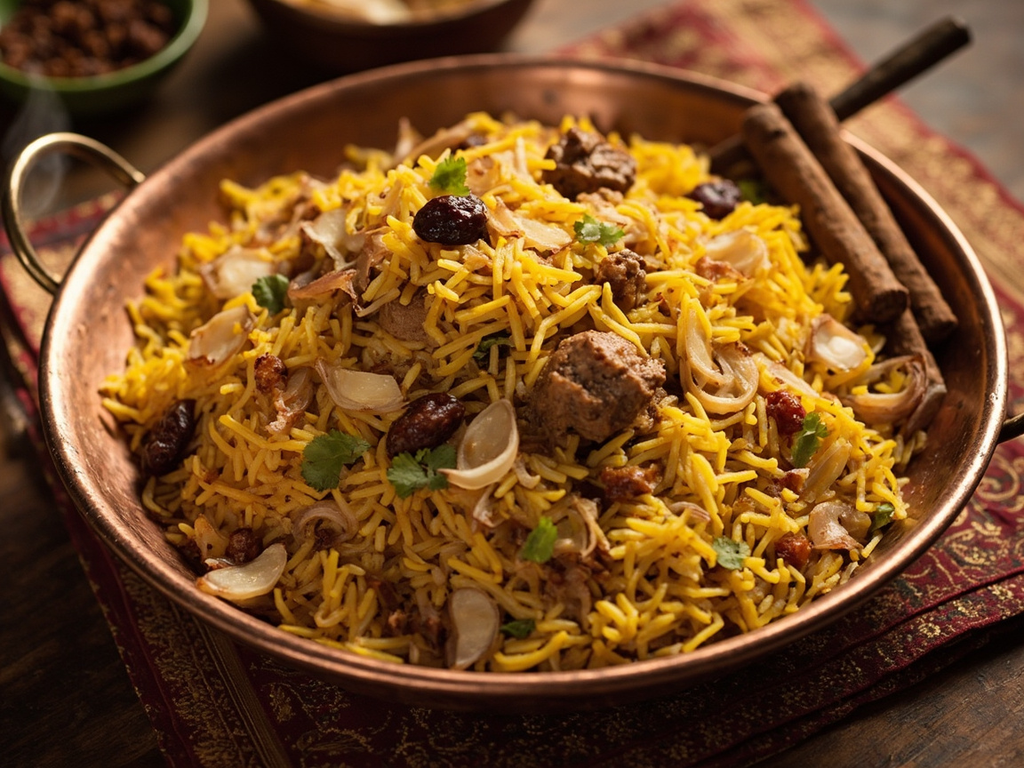 Festive
Imperial Yakhni Pulao
Dish from the "meat-and-rice" class of the dastarkhwan (fragrant pulao)
🧂 🍄 🌶️· 1 h 30
View the recipe
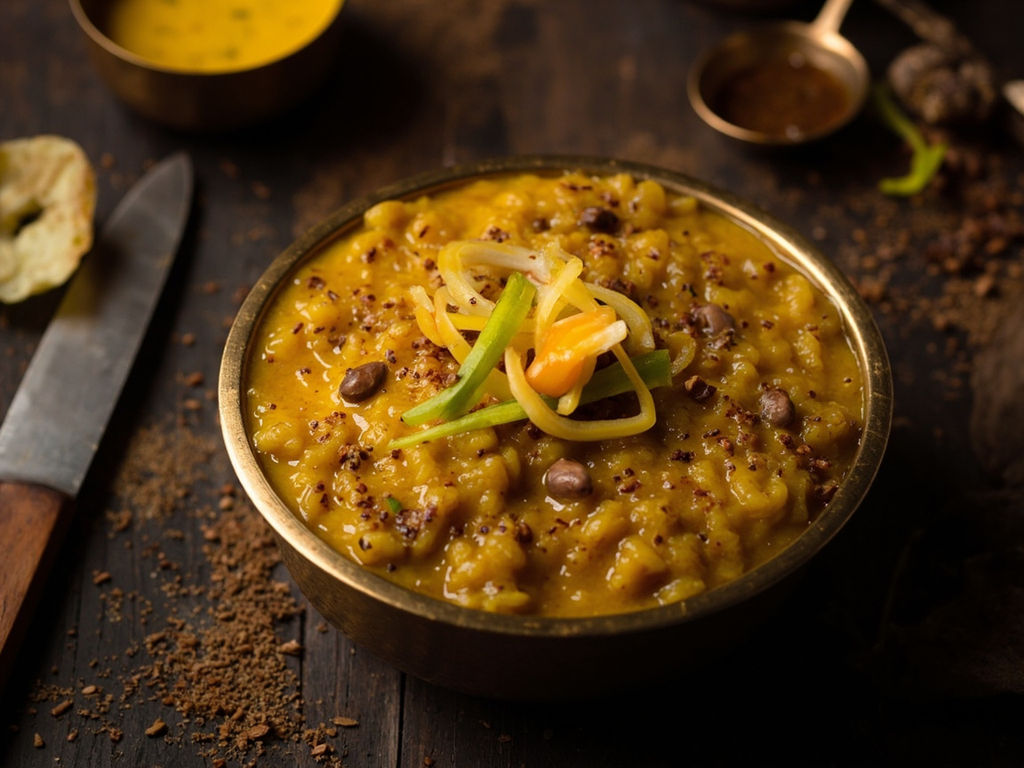 Everyday
Meatless Day Khichri
Sufiyana (meatless) dish of the dastarkhwan
🧂 🍄· 40 min
View the recipe
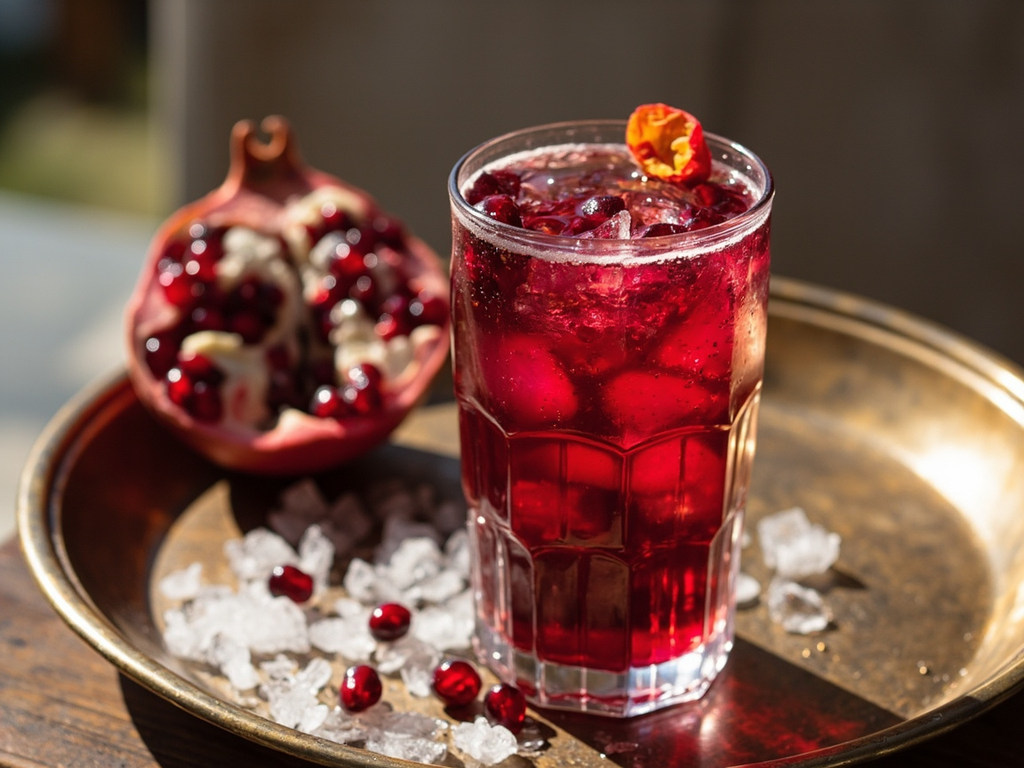 Drink
DrinkKashmiri Fruit Sharbat, Chilled with Mountain Snow
Iced beverage of the dastarkhwan (sharbat)
🍯 🍋· 15 min
View the recipe
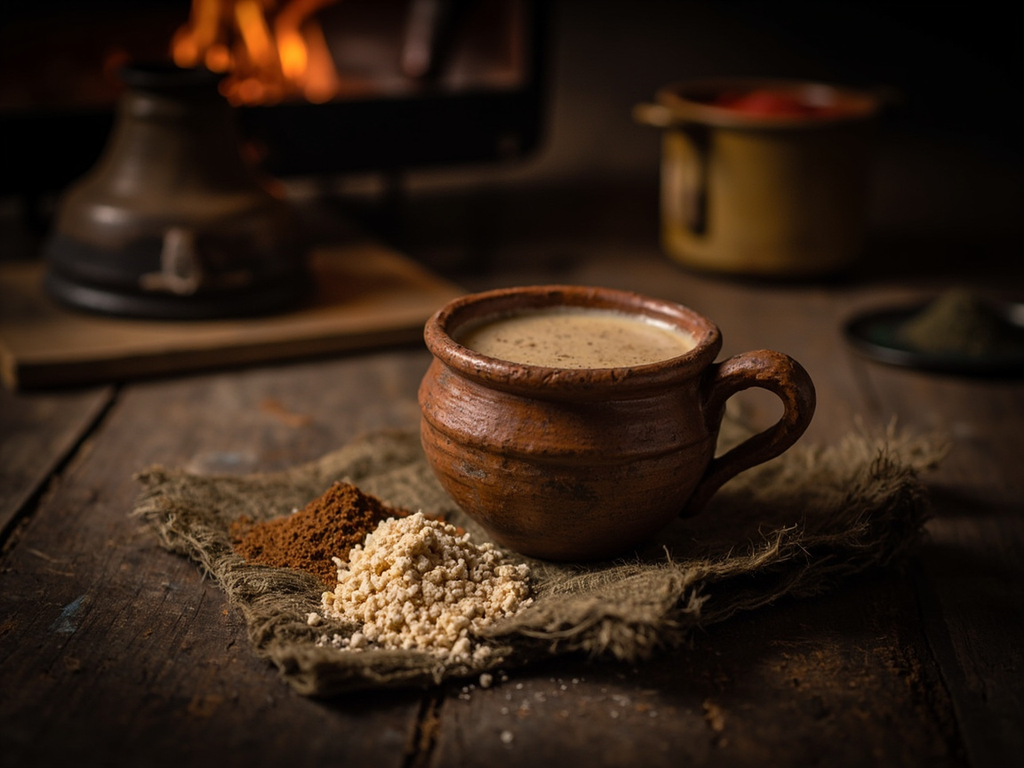 Travel
Camp Sattu — Roasted Barley Flour of the Armies
Camp provisions, outside the dastarkhwan (soldier's ration)
🧂· 10 min
View the recipe
 Offering
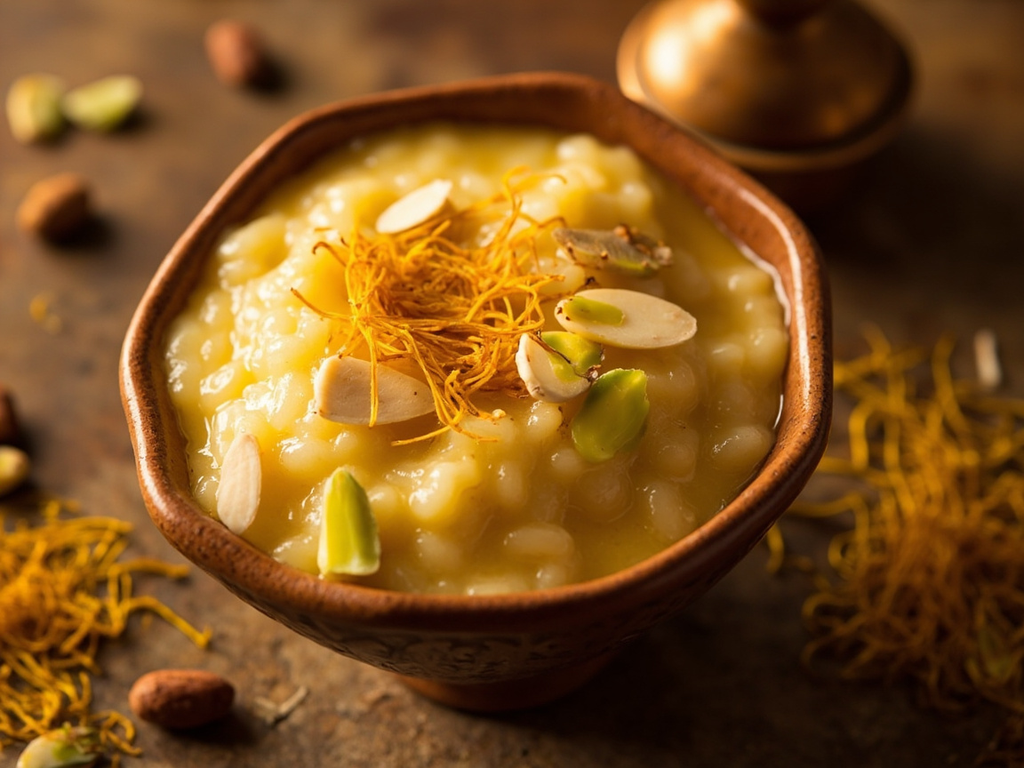
Sheer Birinj — Saffron Rice Pudding, Inspired by Shrine Offerings
Sweet of sharing (tabarruk), inspired by shrine offerings
🍯· 1 h
View the recipe