 flip
flipCamp Sattu — Roasted Barley Flour of the Armies
Camp Sattu — Roasted Barley Flour of the Armies
Why this dish? Akbar was a tireless strategist: sieges of Chittorgarh, forced marches to Gujarat, Bengal campaigns. Far from palace splendor, his armies lived on dry provisions like sattu — roasted grain flour mixed with a little water. This contrast reveals the emperor's other face: the man of horse and war.
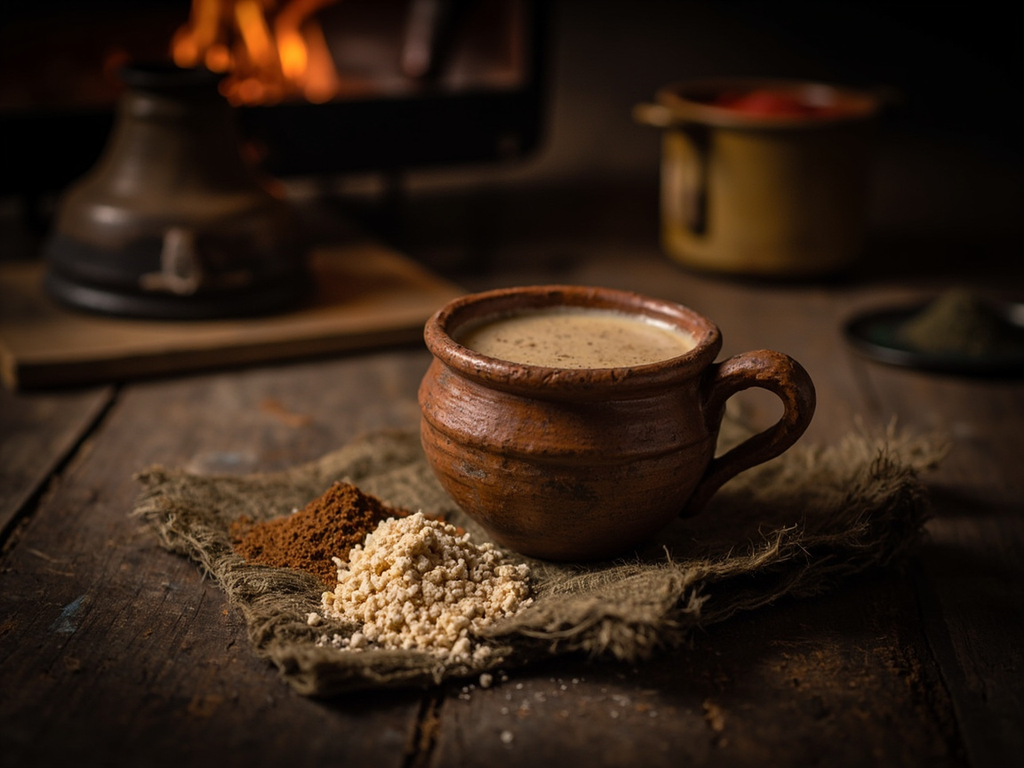
A flour of roasted barley (or chickpeas), salted and spiced with cumin, which the soldier or traveler mixes with cold water for an instant, filling, and long-lasting meal. The fireless cuisine of long marches.
Do you think one conquers Gujarat on an empty stomach? On campaign, there are no sealed pots or saffron: a sack of roasted barley flour, a pinch of salt, and water from the first stream suffice to set a man back on his feet. I led my horsemen on marches no one dared believe possible, and it was from this humble powder that they drew their strength. Mix it, drink it in one draught — a warrior does not linger at table.
- •Roasted and ground barley (or chickpeas) — a provision sack (nourishing base)
- •Salt — to hand (seasoning, preservation)
- •Roasted cumin — a pinch (perfume and digestion)
- •Water — from the path (mix)
Camp Sattu — Roasted Barley Flour of the Armies
A flour of roasted barley (or chickpeas), salted and spiced with cumin, which the soldier or traveler mixes with cold water for an instant, filling, and long-lasting meal. The fireless cuisine of long marches.
Why this dish? Akbar was a tireless strategist: sieges of Chittorgarh, forced marches to Gujarat, Bengal campaigns. Far from palace splendor, his armies lived on dry provisions like sattu — roasted grain flour mixed with a little water. This contrast reveals the emperor's other face: the man of horse and war.
Do you think one conquers Gujarat on an empty stomach? On campaign, there are no sealed pots or saffron: a sack of roasted barley flour, a pinch of salt, and water from the first stream suffice to set a man back on his feet. I led my horsemen on marches no one dared believe possible, and it was from this humble powder that they drew their strength. Mix it, drink it in one draught — a warrior does not linger at table.
Ingredients (period version)
- Roasted and ground barley (or chickpeas) — a provision sack (nourishing base)
- Salt — to hand (seasoning, preservation)
- Roasted cumin — a pinch (perfume and digestion)
- Water — from the path (mix)
Ingredients
- Roasted barley flour OR roasted chickpea flour (sattu) — 60 g per serving (base)
- Salt — 1 pinch (seasoning)
- Ground roasted cumin — 1/4 tsp (perfume)
- Black pepper (optional) — 1 pinch (kick)
- Cold water — 150–200 ml (mix)
Method
- If the flour is not already roasted, dry-toast barley (or chickpeas) in a pan until nutty-smelling, then grind finely.
- Mix flour with salt, roasted cumin, and pepper.
- When ready to eat, gradually add cold water while whisking to avoid lumps.
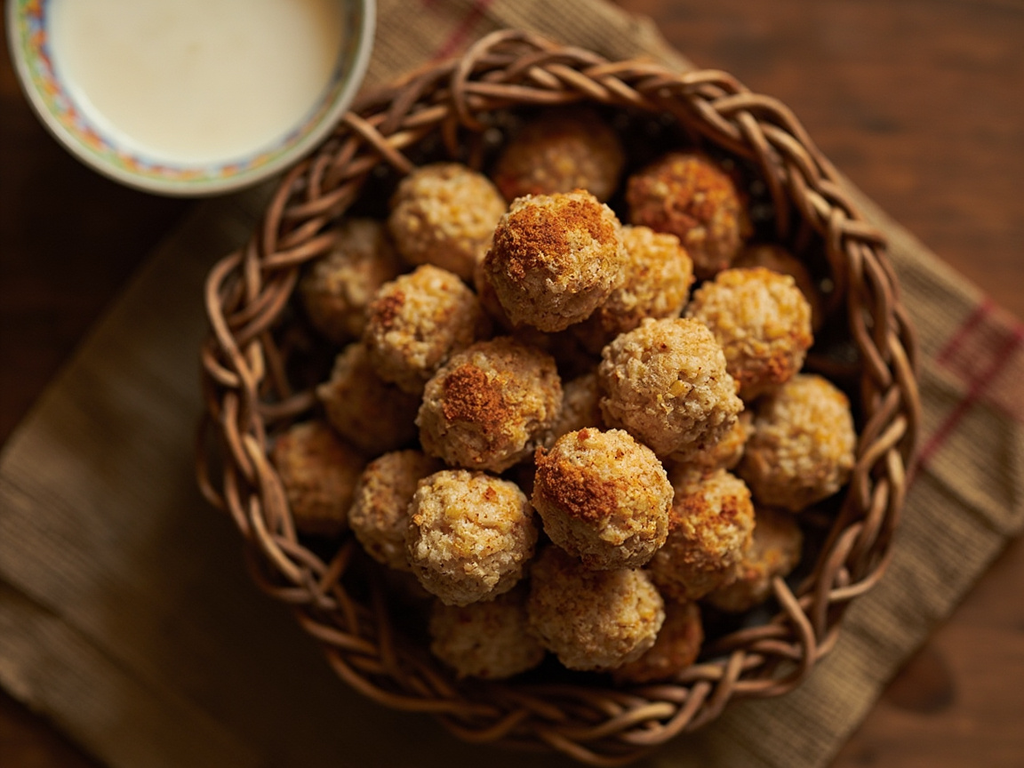
- Drink immediately as a thick beverage, or use less water for a paste that can be shaped into marching balls.
- Store dry flour in a cloth or sealed bag: it keeps for weeks.
How it was made : Sattu is one of the oldest marching foods of the subcontinent: roasted and ground cereals or legumes that transport without spoiling and require no fire — a decisive advantage for moving armies and pilgrims. It was made savory or, with cane sugar (gur), sweet and energizing.
The contemporary twist : Savory version in a modern bowl: mix thicker, top with ginger and fresh herbs — a five-century-old hiking "porridge."
Sources : K.T. Achaya, Indian Food: A Historical Companion (travel foods and roasted grains)
Akbar the Great · Charactorium