The Flemish Estaminet and Its Stopovers
In Lille, where Calmette spent most of his life, meals are not a succession of starter-main-dessert but revolve around a single hearty dish, slow-cooked in beer and shared at the large table of the estaminet, followed by a pungent cheese and a brown-sugar sweet. To this Flemish table I have added two stopovers from the scholar: the hot chickpea pancake of his Nice childhood, eaten standing in the street, and the fermented rice of Saigon, where he studied the ferment that transforms starch — a perfect bridge between his laboratory and the pot.
Signature : The Ferment
Sourdough, brewer's yeast, Chinese rice ferment: fermentation is the thread running through Calmette's work. The bacteriologist who isolated the BCG bacillus also spent months in Saigon unraveling the secret of the microorganisms that make dough rise, beer foam, and rice alcohol come to life. At his table, what bubbles in the test tube ends up in the glass and on the plate.
Albert Calmette at the table
1863 — 1933
5 period recipes
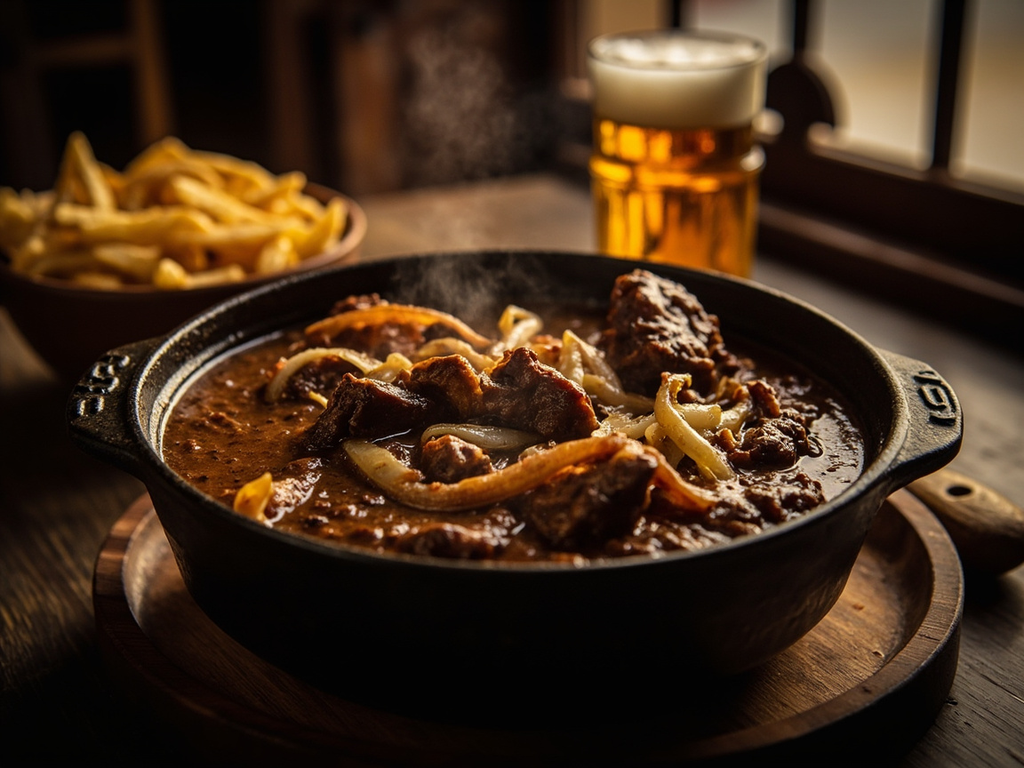 Everyday
Flemish Carbonade with Bière de Garde
The Hearty Dish (the single course of the Northern estaminet)
🧂 🍯 🍄· 3 h
View the recipe
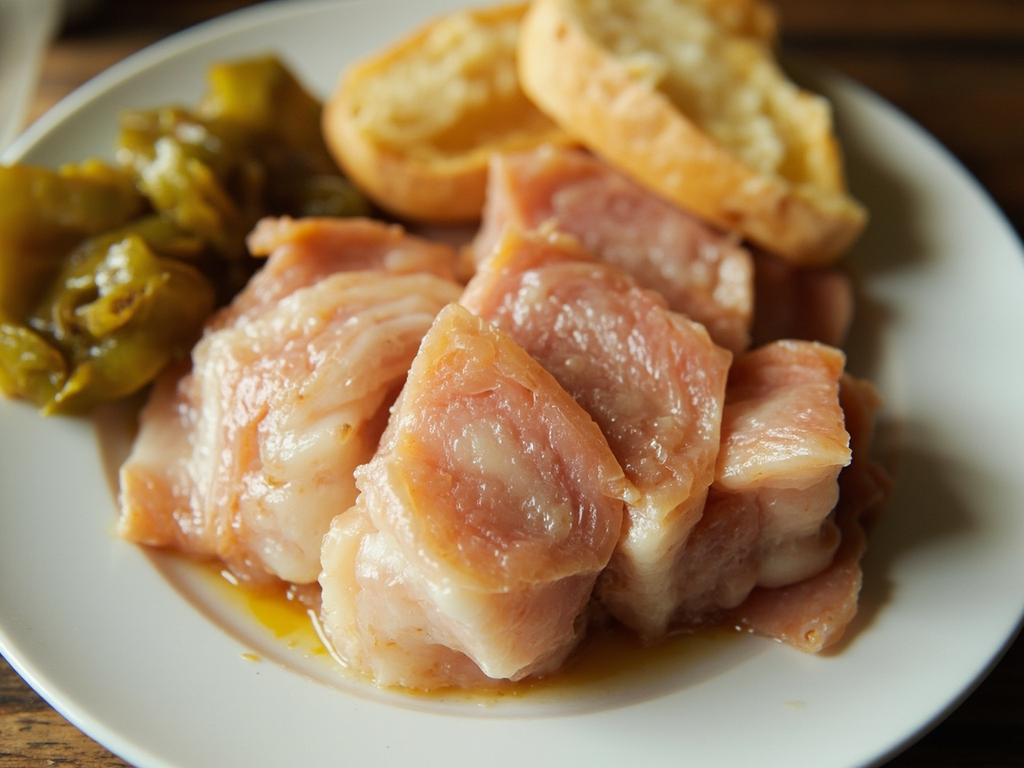 Preserving
Potjevleesch (White Meat Terrine in Aspic)
The Larder Terrine (cold preserve of maritime Flanders)
🧂 🍋 🍄· 3 h 30 + rest 24 h
View the recipe
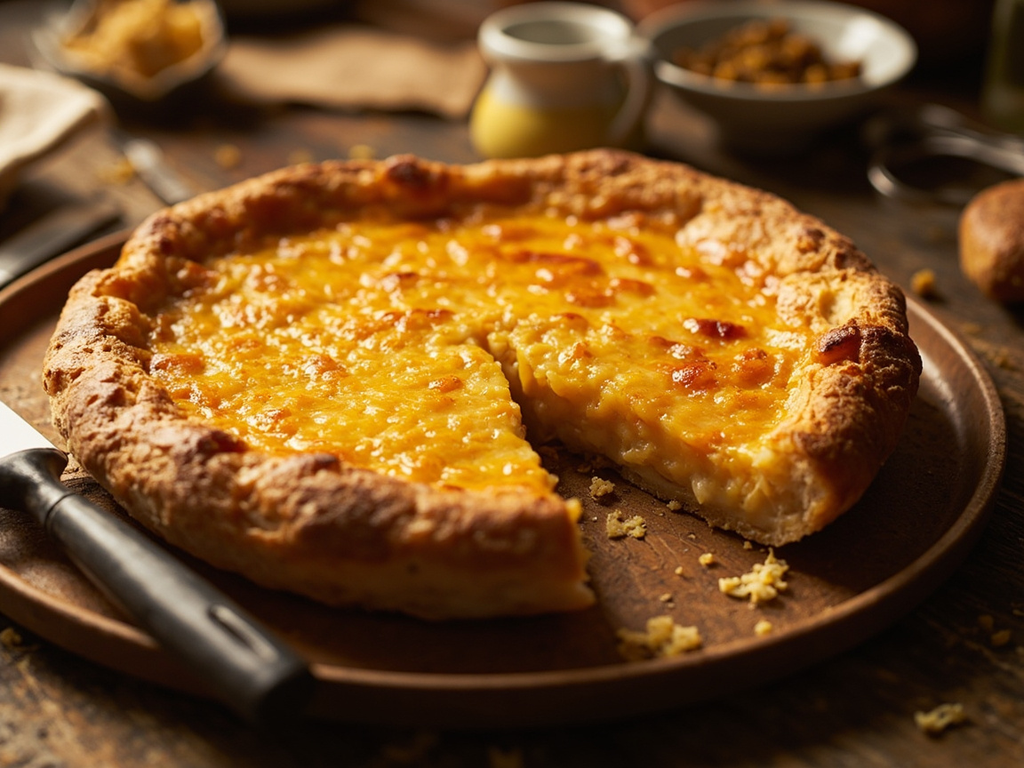 Festive
Goyère au Maroilles (Strong Cheese Tart)
The Pungent Cheese of Feast Day (the tart of Northern ducasses)
🫙 🧂 🍄· 1 h
View the recipe
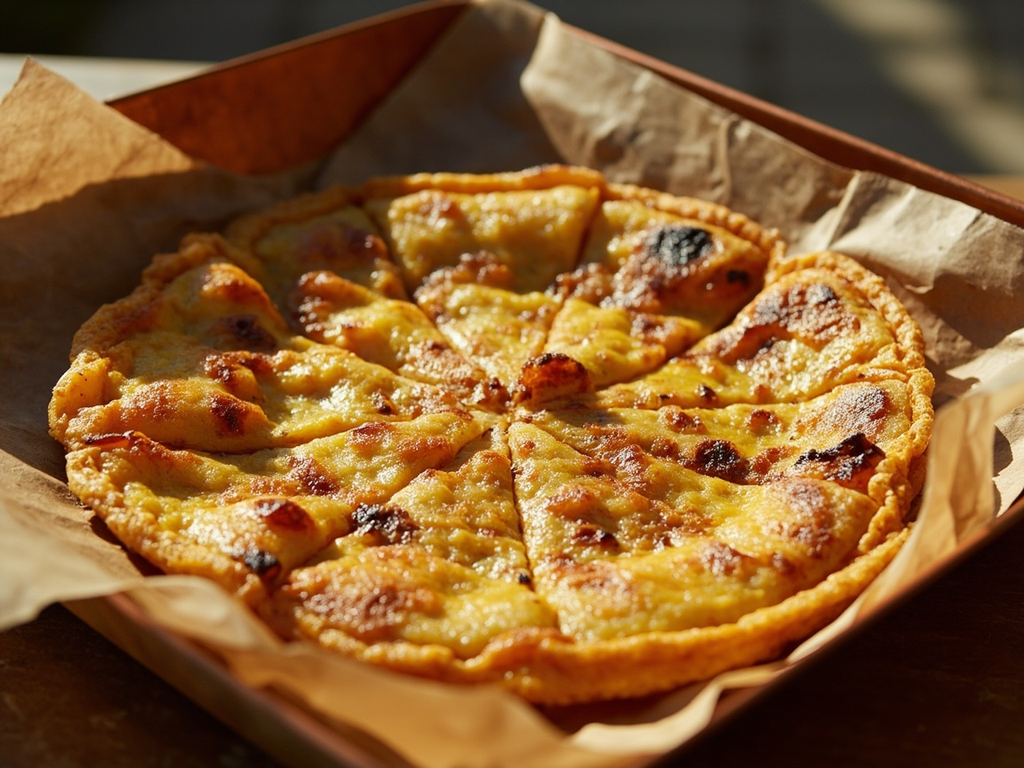 Street food
Niçoise Socca (Chickpea Pancake)
The Stand-Up Street Snack (street food of the old town of Nice)
🧂· 30 min + rest 1 h
View the recipe
 Offering
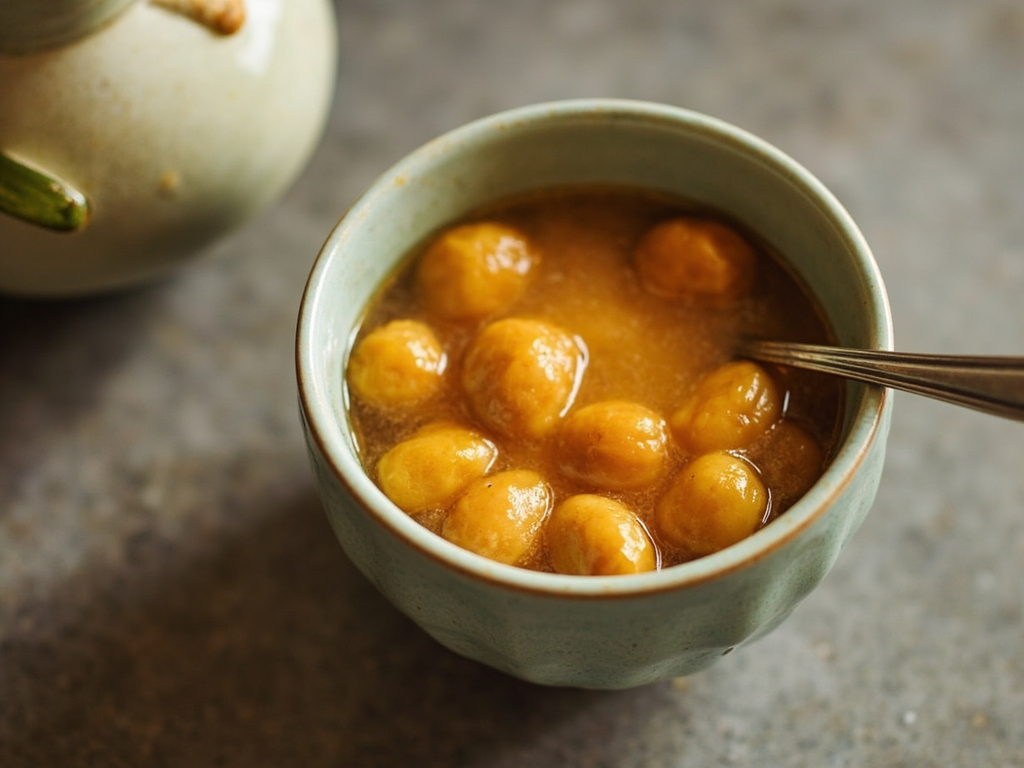
Saigon Fermented Glutinous Rice (Cơm Rượu)
The Sweet Fermented Offering (ritual sweet of the Vietnamese Tết Đoan Ngọ)
🫙 🍯· 1 h + fermentation 2 to 4 days
View the recipe