 flip
flipSaigon Fermented Glutinous Rice (Cơm Rượu)
Saigon Fermented Glutinous Rice (Cơm Rượu)
Why this dish? Sent to Cochinchina, Calmette founded the Pasteur Institute of Saigon in 1891 and studied rice fermentation there: he isolated the Chinese ferment (the 'Chinese yeast') that transforms starch into sugars and then alcohol, published in the Annales de l'Institut Pasteur in 1892. Cơm rượu — glutinous rice inoculated with this same 'men' ferment — is the edible face of this research.
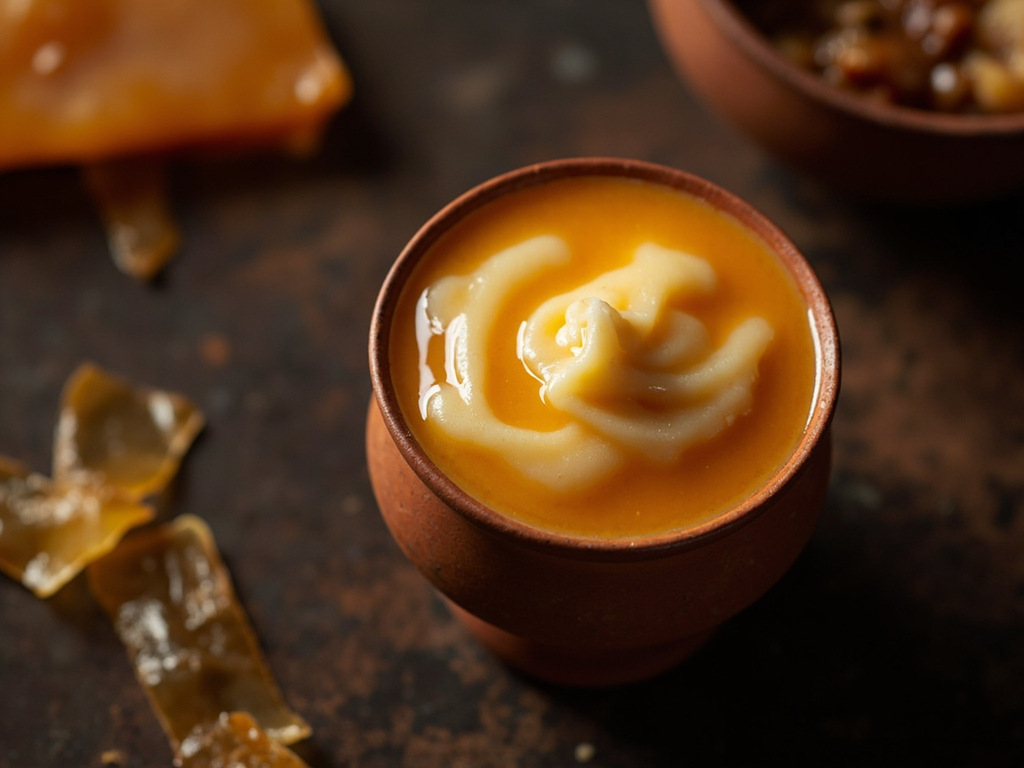
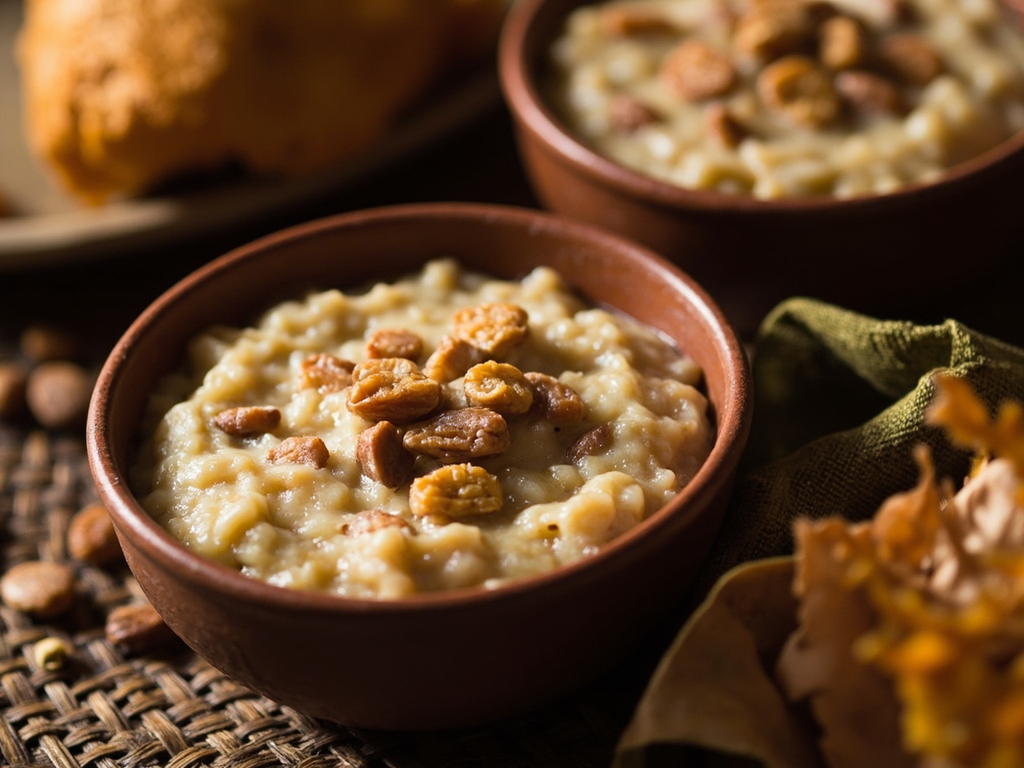
Glutinous rice cooked then inoculated with a ferment, which becomes in a few days sweet, slightly fizzy, and mildly alcoholic. Eaten with a spoon, inspired by the sweetness served during the Vietnamese Tết Đoan Ngọ festival.
In Saigon, I was told that the Asians made their rice rise and ferment with mysterious little yeast cakes — I wanted to get to the bottom of it. Under the microscope, I found a remarkable ferment, which first saccharifies the starch, then alcoholizes it: two invisible workers working in chain. The people, for their part, did not await my conclusions to enjoy it: this rice turned sweet and fizzy, they offered it at festivals and ate it with a spoon. Taste it, and you will be eating, in a way, my first lesson in tropical microbiology.
- •Glutinous rice — one measure (starchy base)
- •Chinese ferment cakes (men / Asian yeast) — a few, crushed (fermentation agent)
- •Pure water — a little (moisture)
Saigon Fermented Glutinous Rice (Cơm Rượu)
Glutinous rice cooked then inoculated with a ferment, which becomes in a few days sweet, slightly fizzy, and mildly alcoholic. Eaten with a spoon, inspired by the sweetness served during the Vietnamese Tết Đoan Ngọ festival.
Why this dish? Sent to Cochinchina, Calmette founded the Pasteur Institute of Saigon in 1891 and studied rice fermentation there: he isolated the Chinese ferment (the 'Chinese yeast') that transforms starch into sugars and then alcohol, published in the Annales de l'Institut Pasteur in 1892. Cơm rượu — glutinous rice inoculated with this same 'men' ferment — is the edible face of this research.
In Saigon, I was told that the Asians made their rice rise and ferment with mysterious little yeast cakes — I wanted to get to the bottom of it. Under the microscope, I found a remarkable ferment, which first saccharifies the starch, then alcoholizes it: two invisible workers working in chain. The people, for their part, did not await my conclusions to enjoy it: this rice turned sweet and fizzy, they offered it at festivals and ate it with a spoon. Taste it, and you will be eating, in a way, my first lesson in tropical microbiology.
Ingredients (period version)
- Glutinous rice — one measure (starchy base)
- Chinese ferment cakes (men / Asian yeast) — a few, crushed (fermentation agent)
- Pure water — a little (moisture)
Ingredients
- Glutinous rice (sticky rice) — 400 g (starchy base)
- Rice ferment balls (men / men rượu, from Asian grocery) — 2 to 3 balls (fermentation agent)
- Boiled cooled water — a little (fermentation moisture)
Method
- Soak the glutinous rice for several hours, then steam until tender; let it cool to room temperature (the ferment dies if the rice is hot).
- Grind the ferment balls into a fine powder.
- Spread the warm rice, sprinkle evenly with the ferment powder, mix gently.
- Shape into small balls or press into a clean covered container (not airtight), with a little space to collect the juice.
- Let ferment at mild temperature (28-30 °C) for 2 to 4 days, until the rice is sweet, juicy, and slightly fizzy.
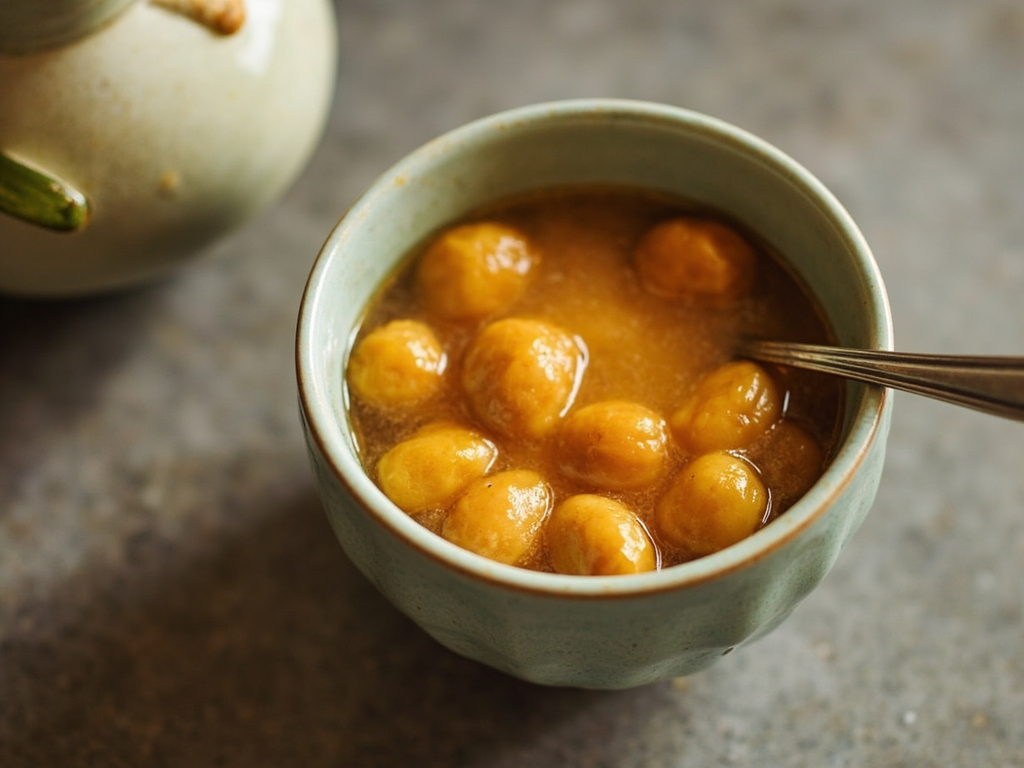
- Taste regularly and refrigerate as soon as the sweetness suits you to stop fermentation. Serve chilled, drizzled with its juice.
How it was made : In Indochina, these ferment cakes (men) were traditionally prepared and sold, blending wild yeasts and molds. Cơm rượu was consumed young, still low in alcohol, as a festive sweet; pushed further, the same fermentation gave the rice alcohol that Calmette sought to rationalize industrially.
The contemporary twist : Serve the fermented rice balls in a small ceramic bowl with a drizzle of their juice, as a 'living culture' to taste — and explain to children that the fizz is gas produced by microbes at work.
Sources : A. Calmette, 'Contribution à l'étude des ferments de l'amidon : la levure chinoise', Annales de l'Institut Pasteur, 1892
Albert Calmette · Charactorium