The Bürgerliche Mahlzeit — the table of a Nuremberg burgher
In the home of a prosperous master craftsman in Renaissance Nuremberg, the meal is not divided into starter-main-dessert but organized around a nourishing base (a cereal porridge or pottage, the Mus), followed by a piece of roasted or boiled meat on feast days, and accompanied by the ever-present rye bread. Separately, one keeps the Würzwerk and Backwerk — spiced confections and pastries stored in boxes, to be nibbled, offered, or taken on journeys. Rhine wine flows at table, often warmed and spiced in winter.
Signature : The Spices of Nuremberg
Nuremberg was one of the great hubs of the spice trade in Northern Europe: ginger, cinnamon, cloves, cardamom, pepper, and saffron arrived from Venice — the very city where Dürer went to learn. This spice chest perfumes both gingerbread and mulled wine, and marks the taste of the city's bourgeoisie.
Albrecht Dürer at the table
1471 — 1528
5 period recipes
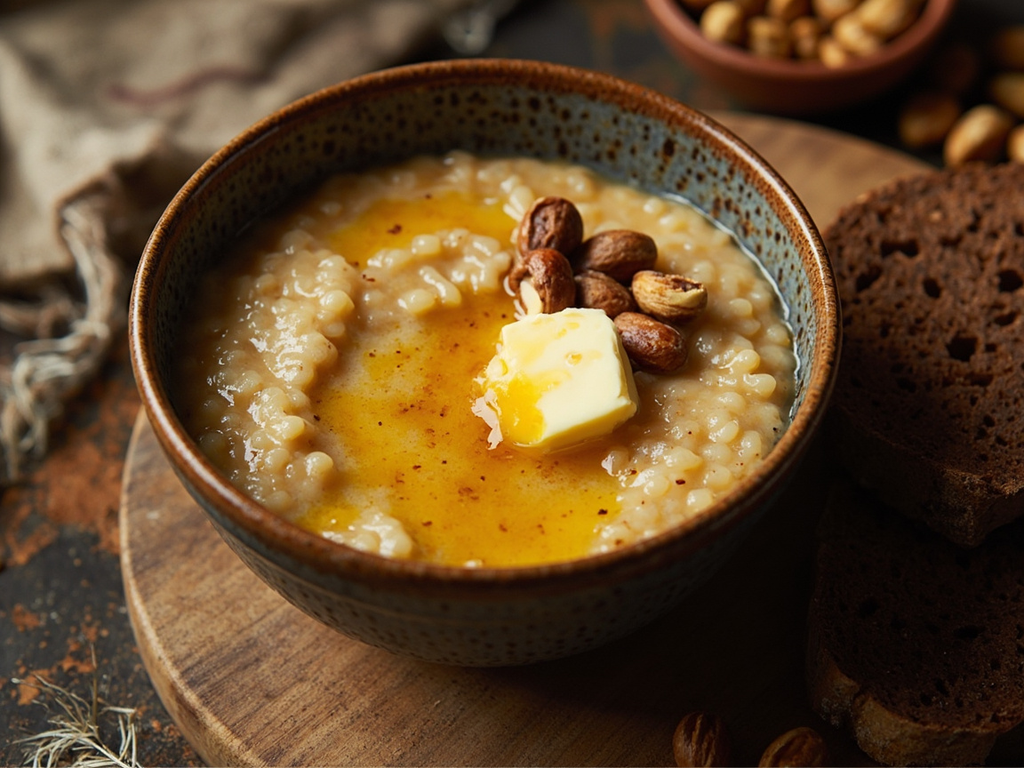 Everyday
Hirsemus — millet porridge with butter and honey
Mus (the cereal base of the daily meal)
🍯· 35 min
View the recipe
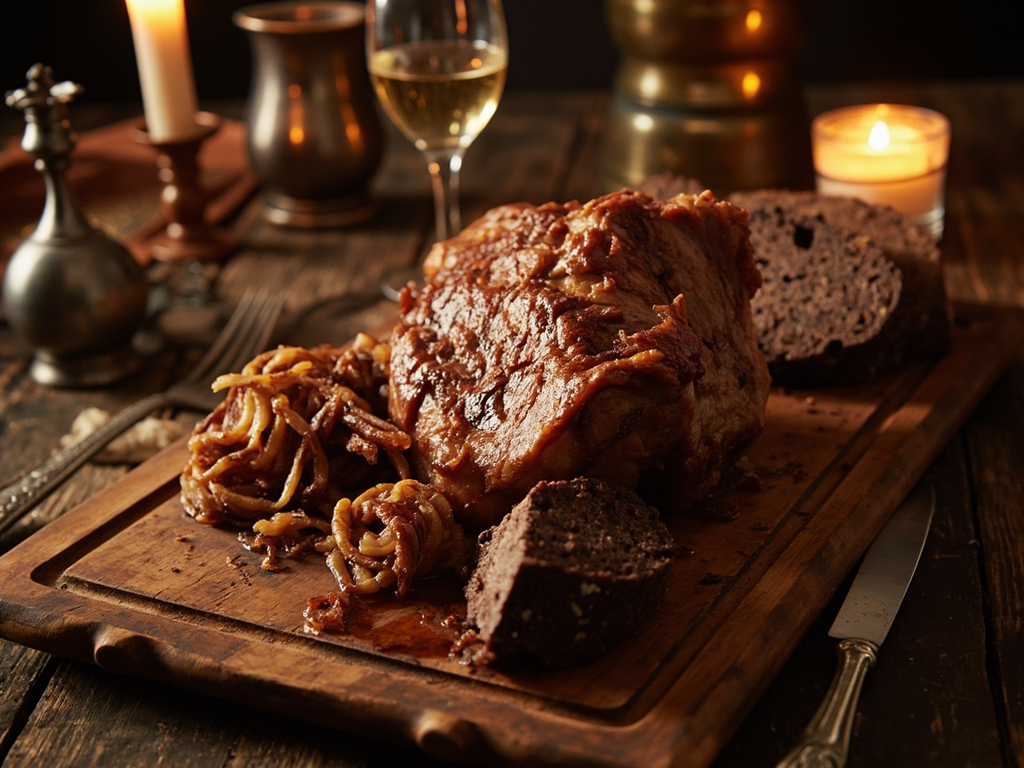 Festive
Schweinsbraten — roast pork with caraway and rye
Fleischspeise (the meat course for feast days)
🧂 🍄· 3 h
View the recipe
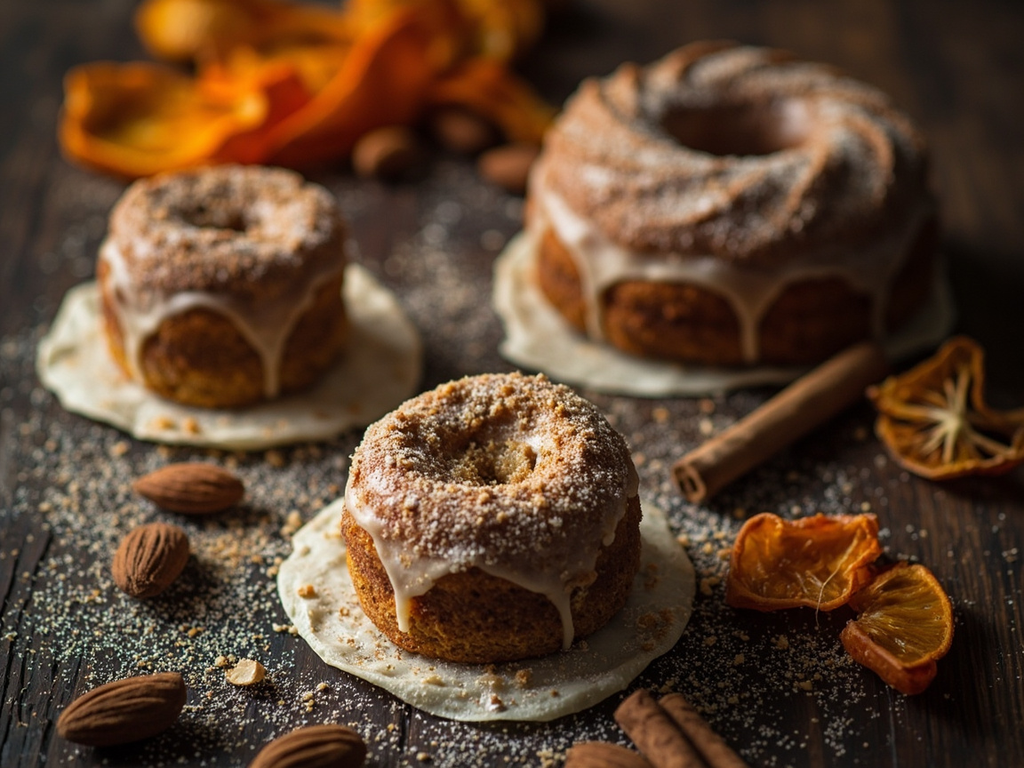 Travel
Nürnberger Lebkuchen — honey and almond gingerbread
Backwerk / Würzwerk (the spiced pastries that keep and travel)
🍯 🌶️· 1 h 40 (incl. resting)
View the recipe
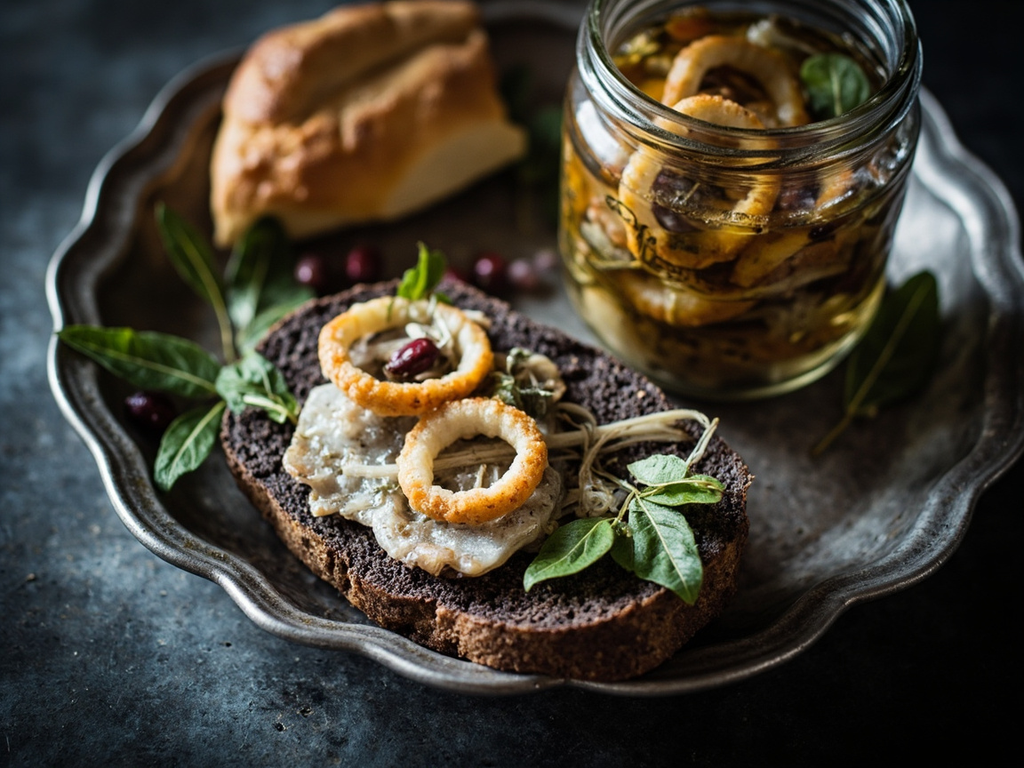 Preserving
Eingelegter Hering — Dutch-style marinated herring
Vorrat (the supply of salted and marinated preserved fish)
🧂 🍋 🫙· 20 min (+ 48 h marinating)
View the recipe
 Drink
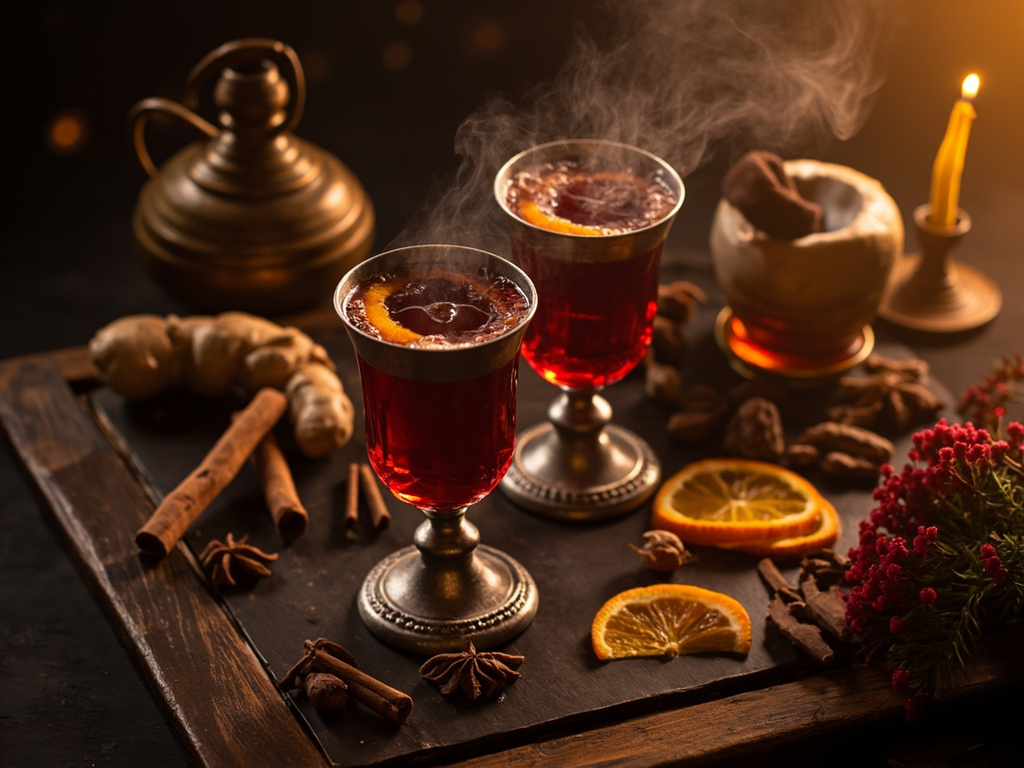
DrinkHippocras — mulled spiced Rhine wine
Getränk (the spiced table drink, warmed in winter)
🍯 🌶️· 35 min
View the recipe