The Victorian Day at Table (breakfast, luncheon, dinner, afternoon tea, supper)
In Marshall's England, the day revolves around five moments: a hearty breakfast, a light luncheon, dinner in the evening (the real meal, with roast meat as the centerpiece), the five o'clock afternoon tea (tea, cakes, buttered bread) instituted by the upper classes, and a late, frugal supper. The college cuisine of Cambridge, where Marshall lived, follows this rhythm with its puddings and end-of-meal creams.
Signature : Empire Tea and the Simplicity of Boiled and Roasted
The Victorian English table is recognized by two signatures: black tea imported from India and Ceylon, drunk several times a day, and a deliberately plain cuisine—roasting, boiling, little seasoning, letting the product speak for itself. For a health-conscious academic like Marshall, this moderation becomes almost a moral principle.
Alfred Marshall at the table
1842 — 1924
5 period recipes
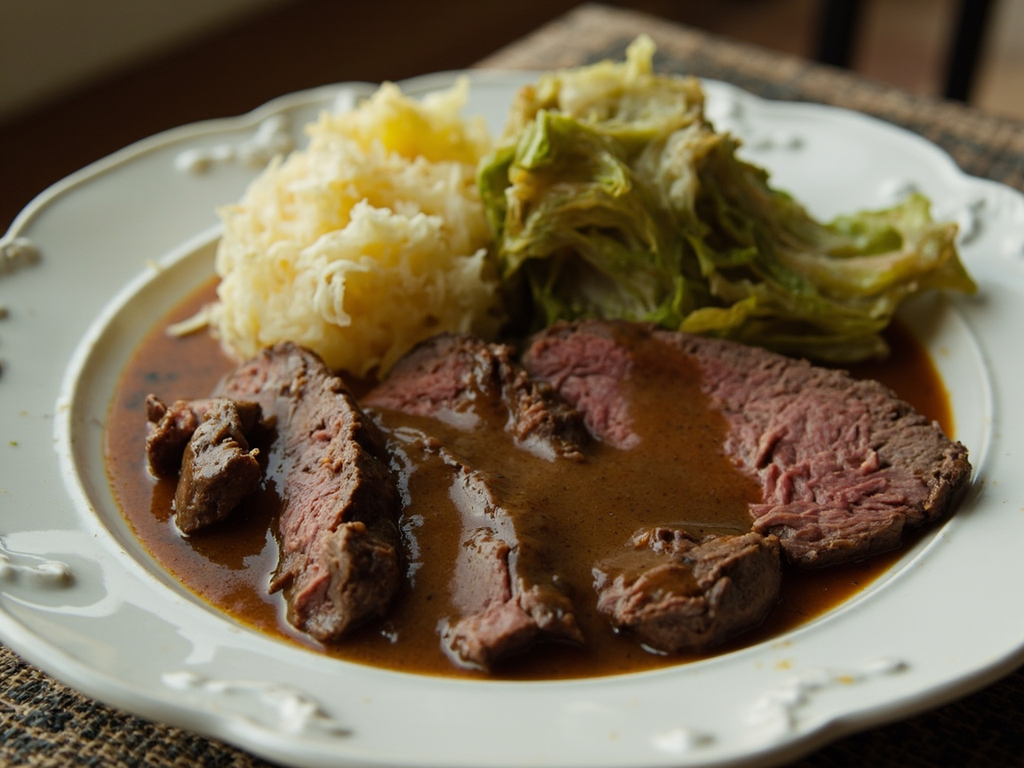 Everyday
Roast Beef with Gravy, Boiled Potatoes and Green Cabbage
Dinner (the evening meal, a joint of meat as the main course)
🧂 🍄· 1 h 30
View the recipe
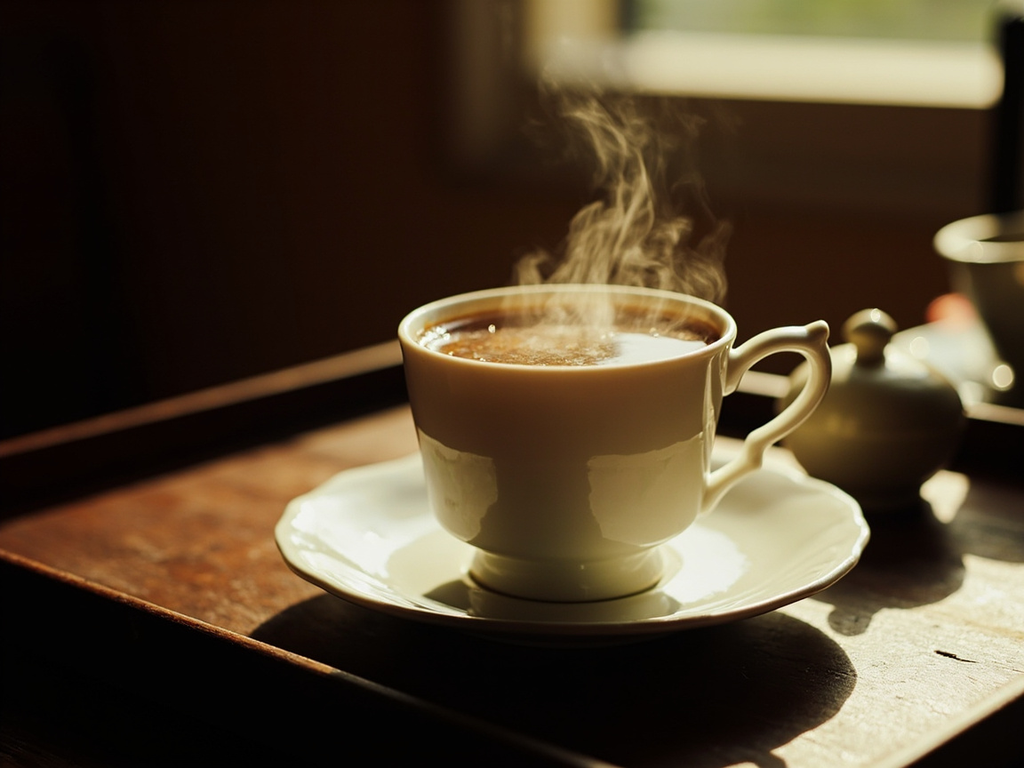 Remedy
Beef Tea (Clarified Beef Broth for Health)
Supper / sickroom remedy (restorative drink for convalescents)
🍄 🧂· 2 h
View the recipe
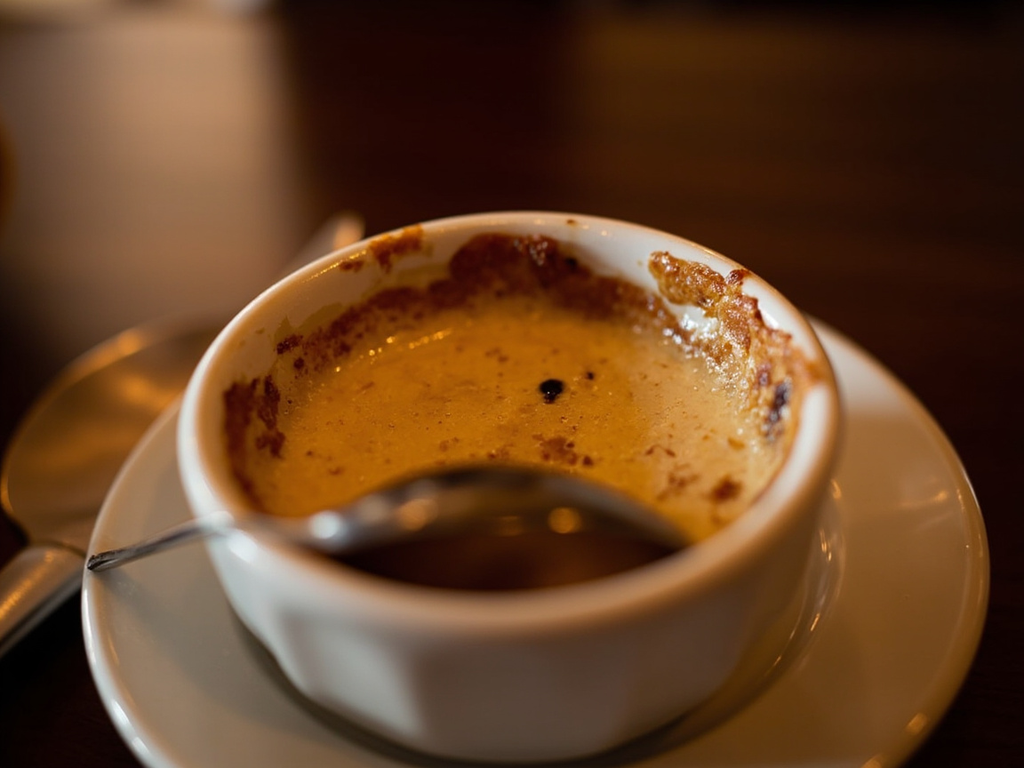 Festive
Cambridge Burnt Cream (College Crème Brûlée)
Dinner — sweet end-of-meal entremets (college feast)
🍯· 1 h (+ resting)
View the recipe
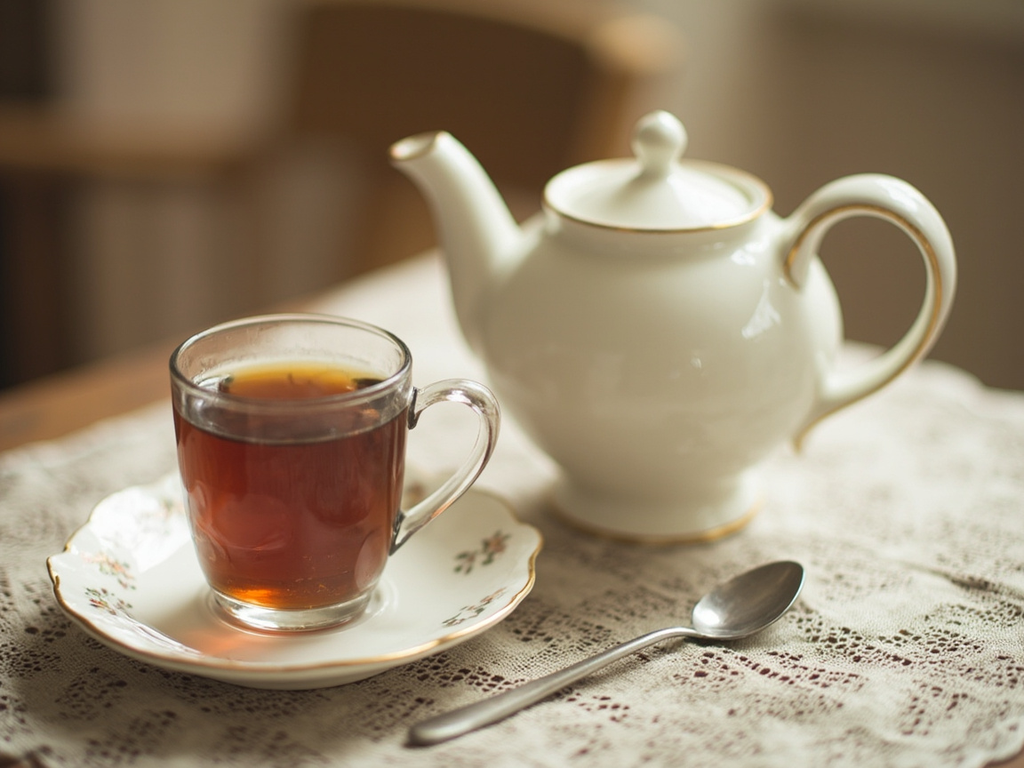 Drink
DrinkIndian Black Tea the English Way
Afternoon tea (five o'clock tea)
☕· 10 min
View the recipe
 Preserving
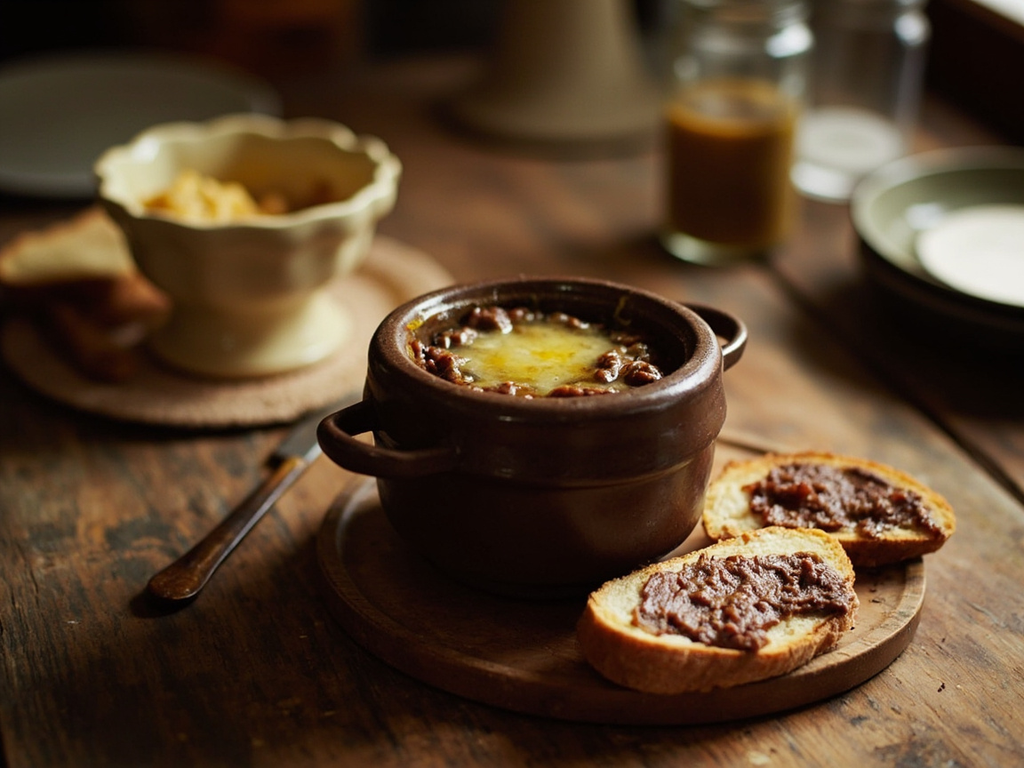
Potted Beef (Beef in a Pot, Spreadable Preserve)
Luncheon / cold supper (pantry provision)
🧂 🍄· 2 h
View the recipe