The Three-Course Soviet Table, Doubled by a Volga German Memory
In Schnittke's USSR, the meal unfolds in three movements: *zakouski* (small savory and pickled appetizers to nibble), *pervoïe* (a liquid first course, soup or broth), then *vtoroïe* (a hearty second course, kasha or meat), rounded off with kompot or tea. But beneath this Soviet grid lies another cuisine: that of the Volga Germans, in Engels, where Schnittke was born. Crumb cakes, fermented cabbage, rye breads: exactly the composer's 'polystylism,' several traditions layered in a single day.
Signature : The Fermentation of Rye and Cabbage
A common thread between his two worlds: the sour rye of kvas and Russian black bread, the fermented cabbage inherited from the Volga German colonists. A cuisine of sour and preserved-for-winter, born of scarcity as much as taste—like a quotation that returns transformed from one work to the next.
Alfred Schnittke at the table
1934 — 1998
5 period recipes
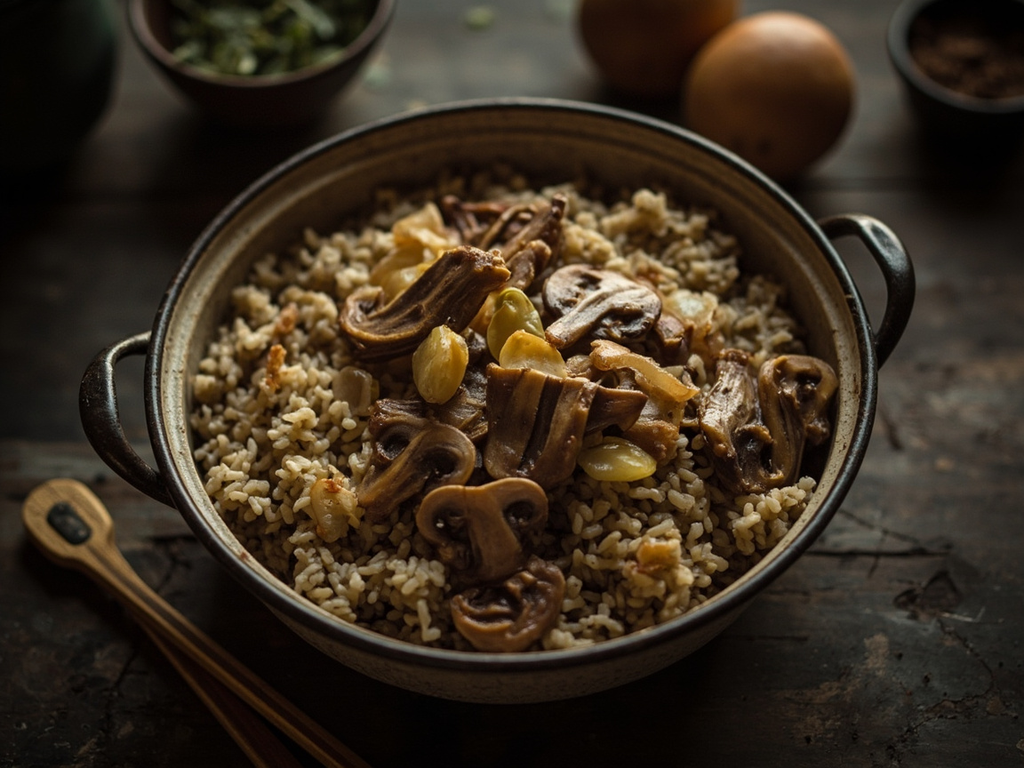 Everyday
Gretchka with Mushrooms (Toasted Buckwheat, Russian Style)
Vtoroïe — the hearty second course of the Soviet meal
🧂 🍄· 30 min
View the recipe
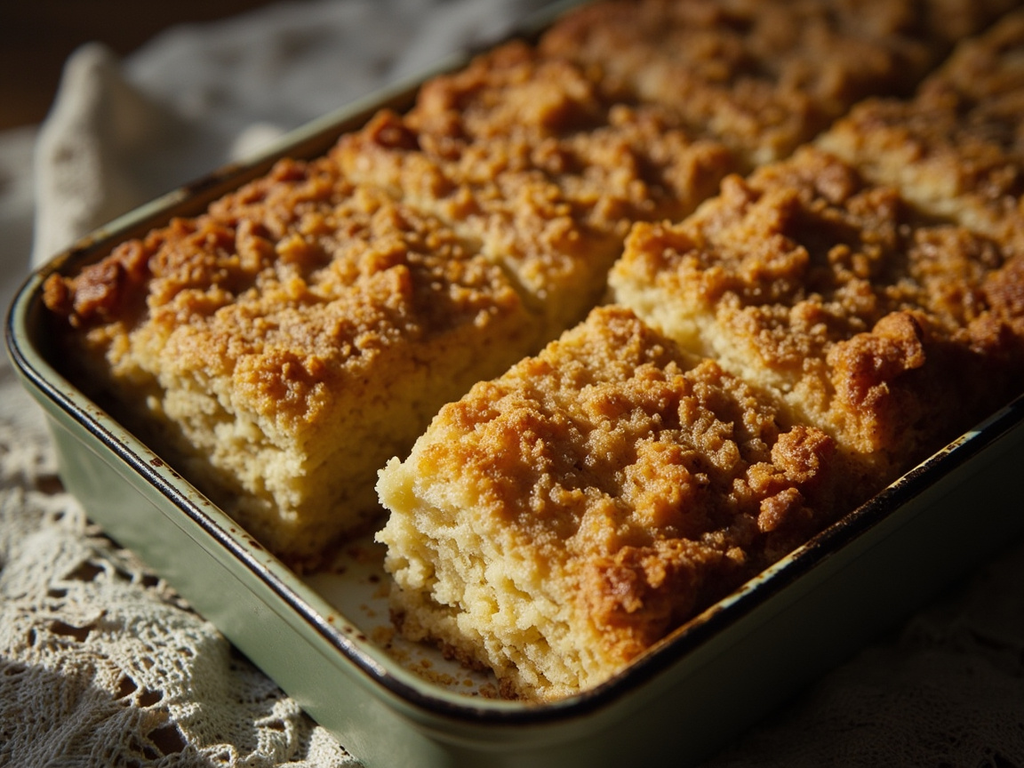 Festive
Riwwelkuche — Volga German Crumb Cake
The Sunday and holiday cake in German-Russian families
🍯· 2 h (incl. rising)
View the recipe
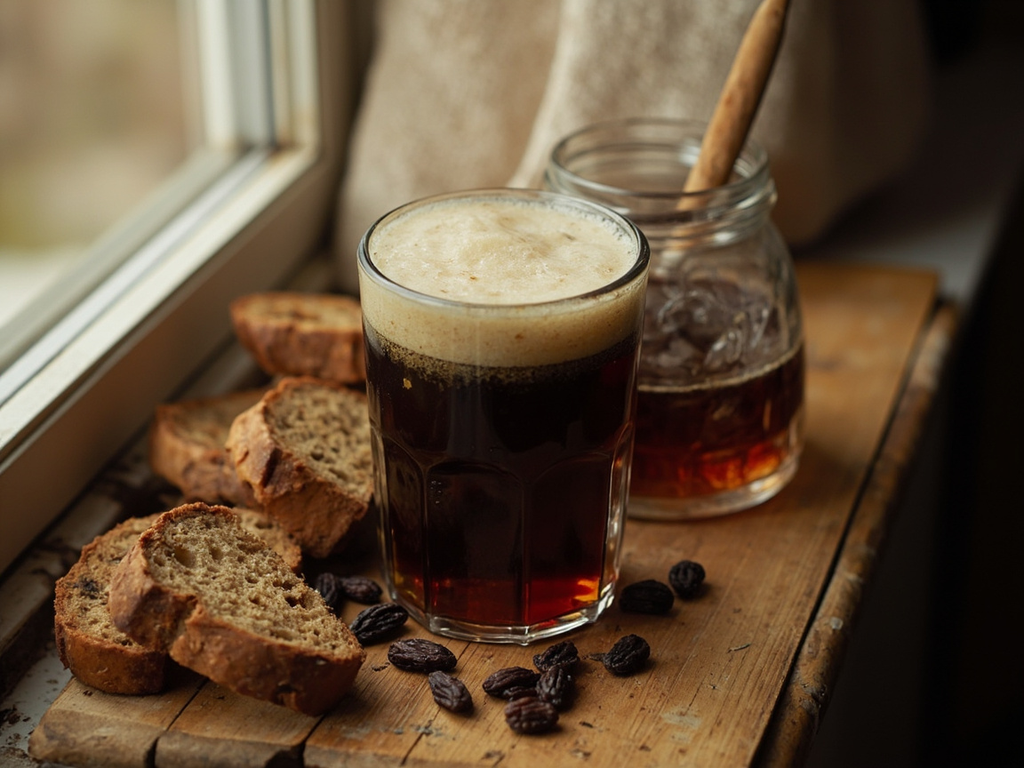 Drink
DrinkBlack Bread Kvas
Everyday thirst-quenching drink, home-fermented
🍋 🫙· 10 min + 1-2 days fermentation
View the recipe
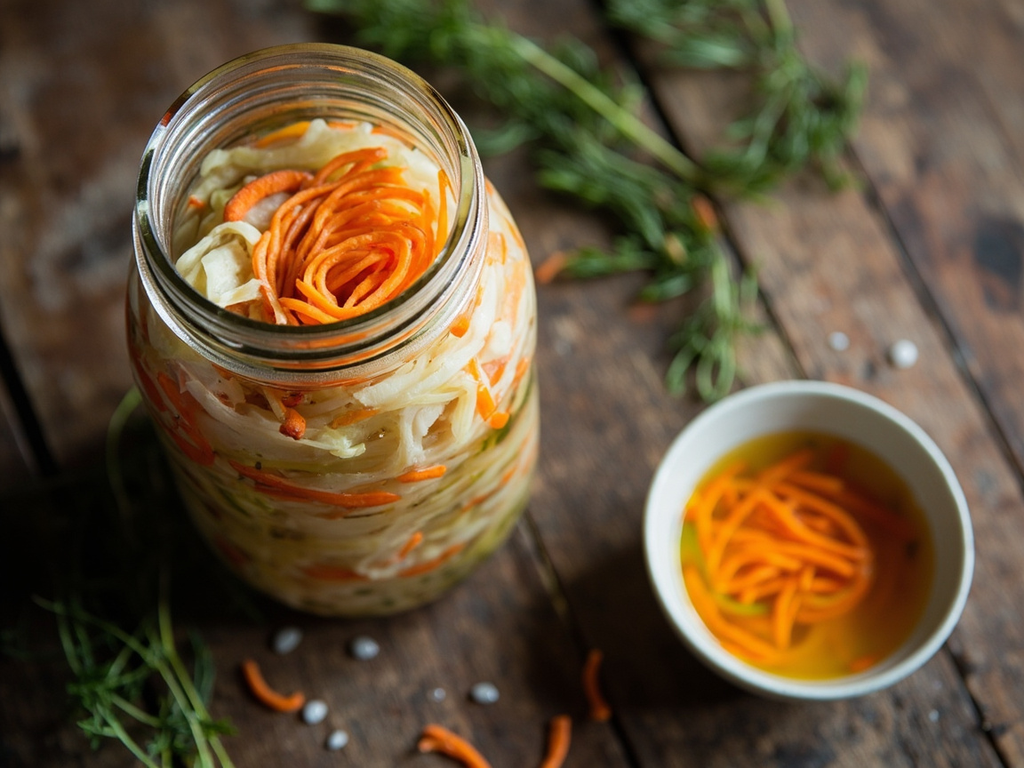 Preserving
Kvachena Kapusta — Fermented Cabbage for Winter
Reserve zakouska and pantry preserve
🫙 🍋 🧂· 30 min + 5-10 days fermentation
View the recipe
 Street food
Franzbrötchen — Hamburg Cinnamon Pastry
Bakery snack, to take on the street or with coffee
🍯· 50 min
View the recipe