The Offering Table (hetep) and the Ka's Meal
Ancient Egyptian funerary cuisine is not organized into starter-main-dessert: it is arranged around the offering table (hetep), set out to feed the ka of the deceased and appease the powers of the Duat. On the mat or calcite table, according to the formula htp-di-nsw ("an offering which the king gives"), are lined up emmer bread loaves, beer jugs, a fowl or a quarter of beef, baskets of figs and dates, sweet cakes, and a jar of wine. The dishes are not eaten in order: they are presented together, in symbolic abundance, from the most meaty to the sweetest, to ensure survival and "justification" (maat-kheru) before the judgment.
Signature : Tiger Nut (chufa) and Temple Honey
Two queen sweets of ancient Egypt. The tiger nut — a small sweet tuber harvested in the Nile marshes — ground and bound with wild honey produced the world's first confectionery, found in Theban tombs. Honey, the tear of the god Ra according to the texts, was the food of the gods par excellence: it sweetens offerings, preserves flesh, and flavors beer. It is the golden note that returns across the entire table of Ammit.
Ammit at the table
5 period recipes
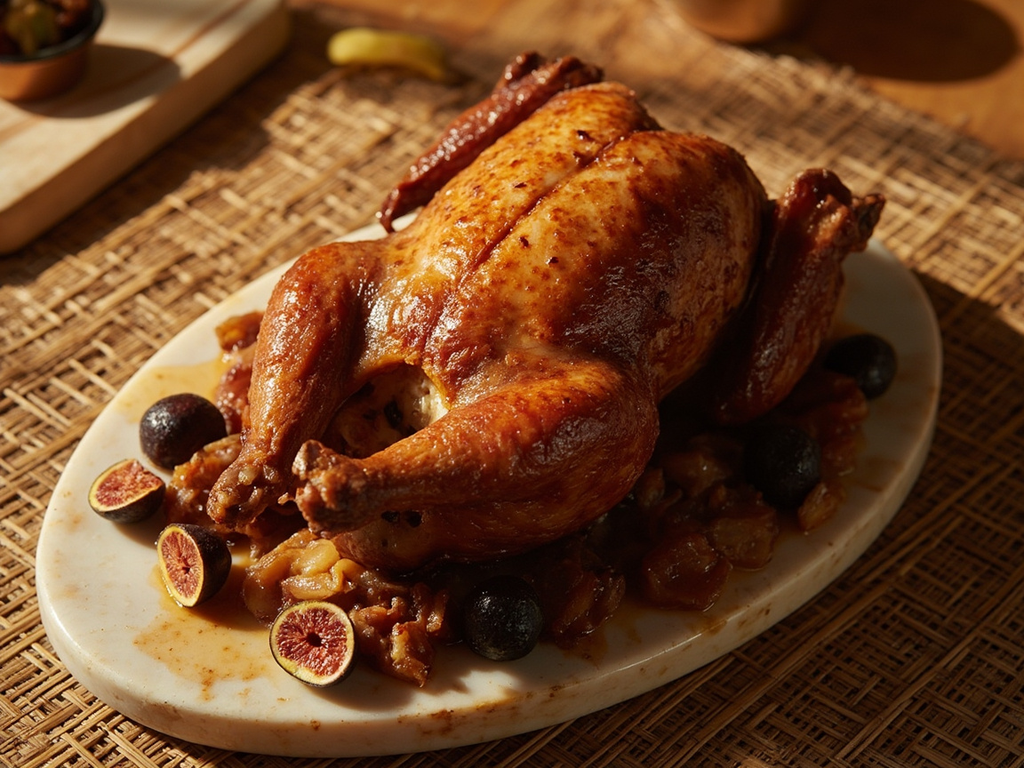 Offering
Honey-Glazed Roast Goose with Figs
Meat offering of the funerary table (the fowl of the htp-di-nsw)
🧂 🍄 🍯· 3 h 30
View the recipe
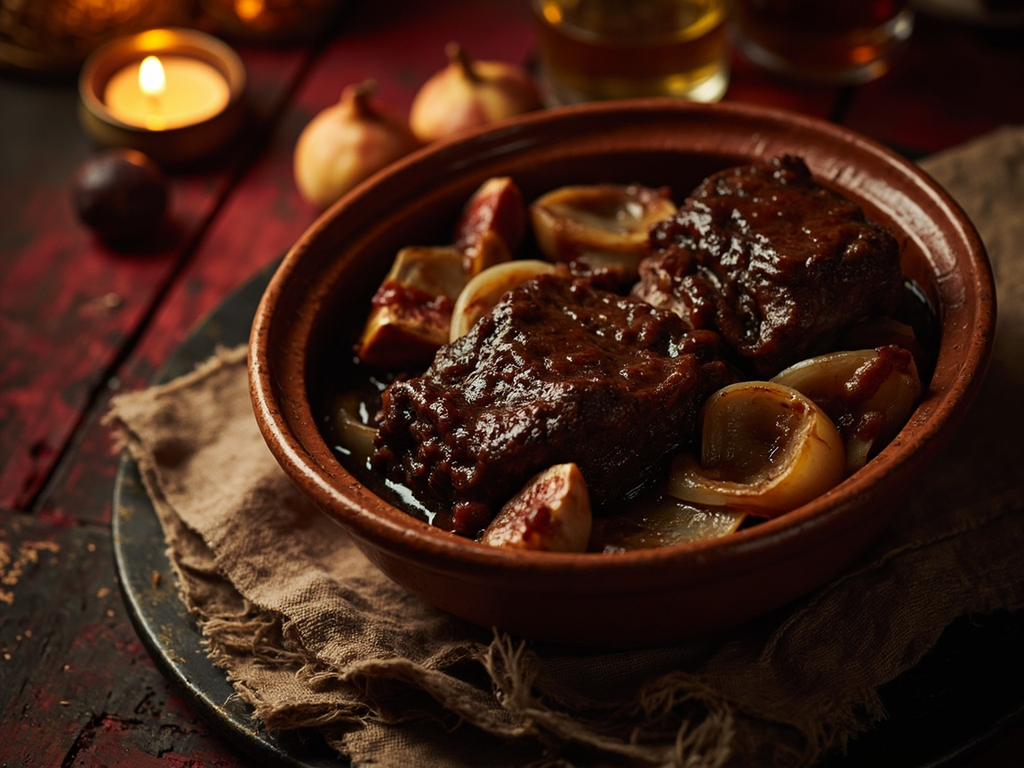 Festive
Braised Beef Quarter with Wine and Figs
Banquet dish of the Beautiful Feast of the Valley
🧂 🍄 🍯· 3 h 30
View the recipe
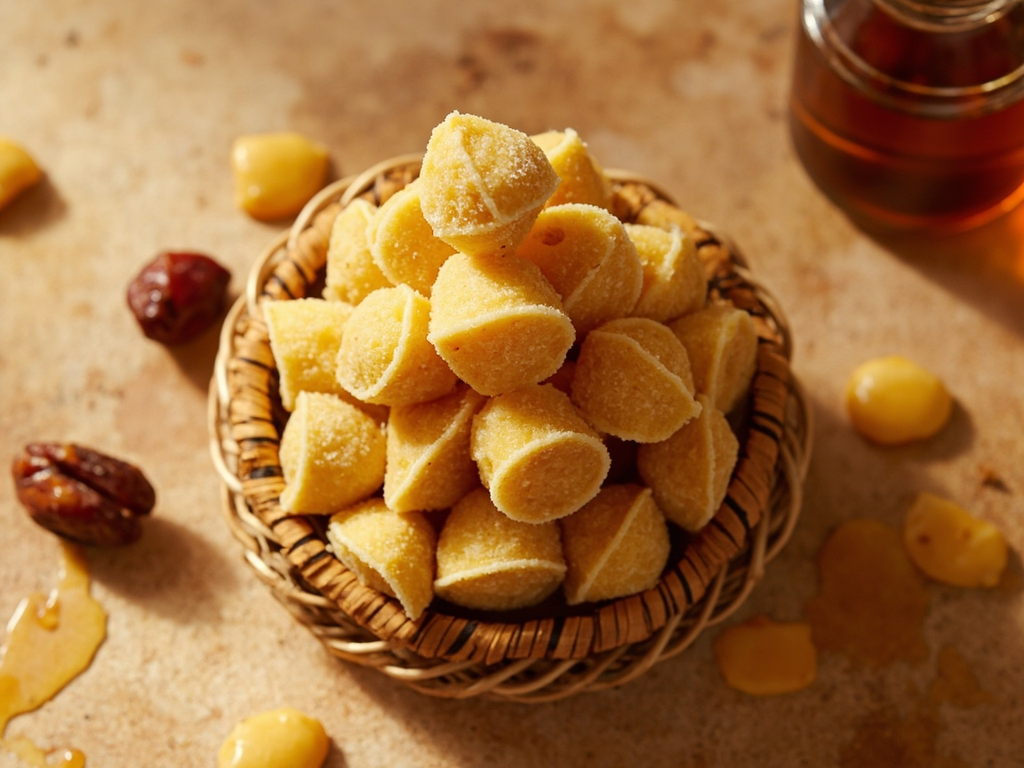 Travel
Tiger Nut Cones with Honey and Dates
Offering sweet and provision for the journey through the Duat
🍯· 1 h
View the recipe
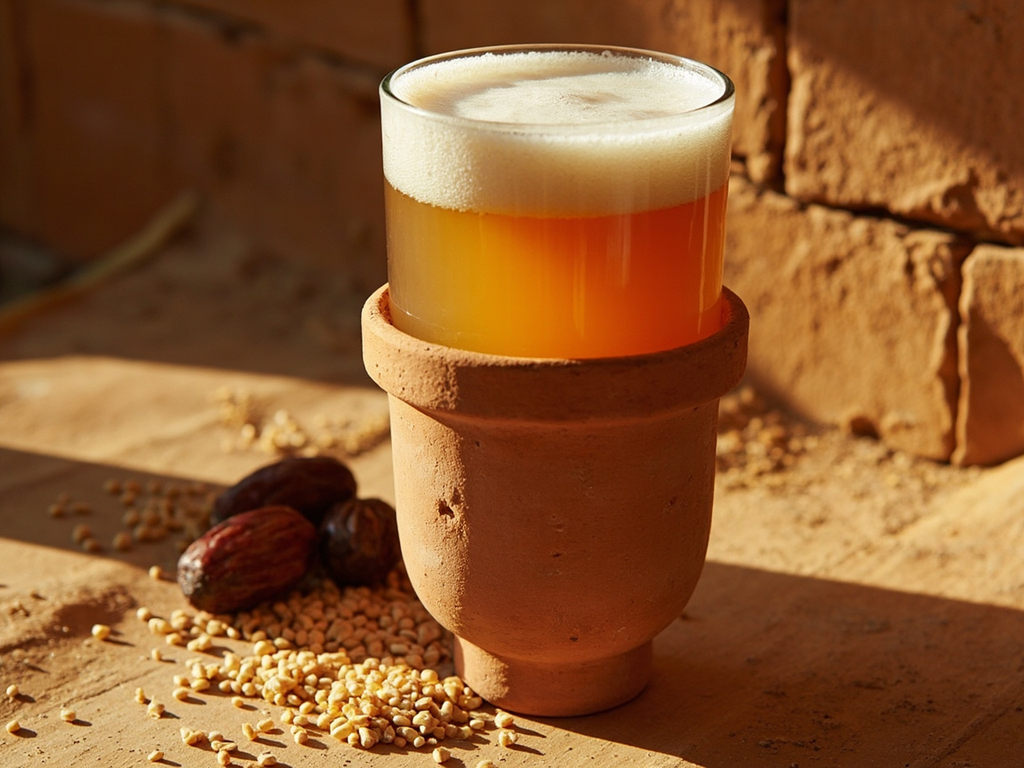 Drink
DrinkSweet Emmer Beer (heqet)
Staple drink of offering and daily life
🫙 🍋 🍯· 3 jours (fermentation)
View the recipe
 Preserving
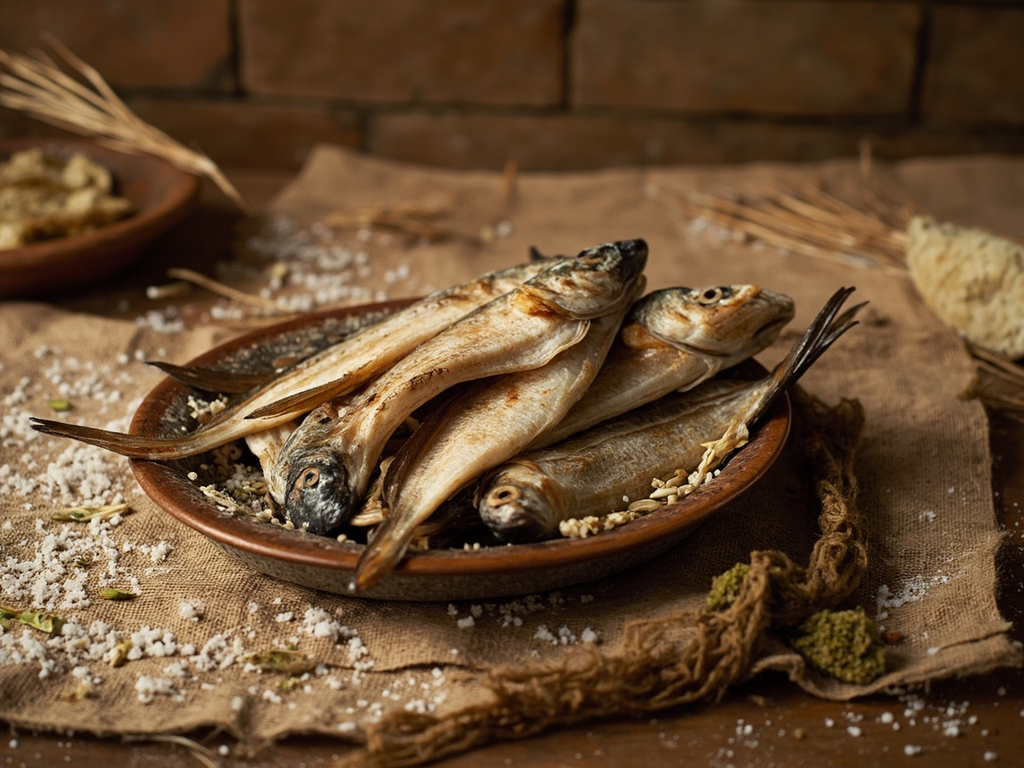
Sun-Salted and Dried Nile Fish
Preserved provision from the Nile banks (preserved fish)
🧂 🫙 🍄· 4 à 6 jours (salage + séchage)
View the recipe