Imperial Trapeza (the Byzantine Table)
At the court of Constantinople, the meal (ariston at midday, deipnon in the evening) is not arranged as starter-main-dessert but is organized around bread (artos) that is broken and opson, the "what-goes-with-bread" (fish, legumes, or spiced meat). Wine is drunk diluted with water, and the Orthodox calendar divides the year into meat days and long fasts during which the entire court, including the emperor, eats sparingly. Honey sweets and fruits close the great festive tables.
Signature : Garos (Byzantine Garum)
A fermented fish brine inherited from Rome, garos is the liquid salt of Byzantine cuisine: a few drops give a stew or roast that salty-umami depth that marks the imperial table. It is, however, banned on fast days, when olive oil and vinegar take over. For the festive recipes of this emperor of Chios, we also encounter mastic from the island, a fragrant resin prized at court.
Andronikos III Palaiologos at the table
1297 — 1341
5 period recipes
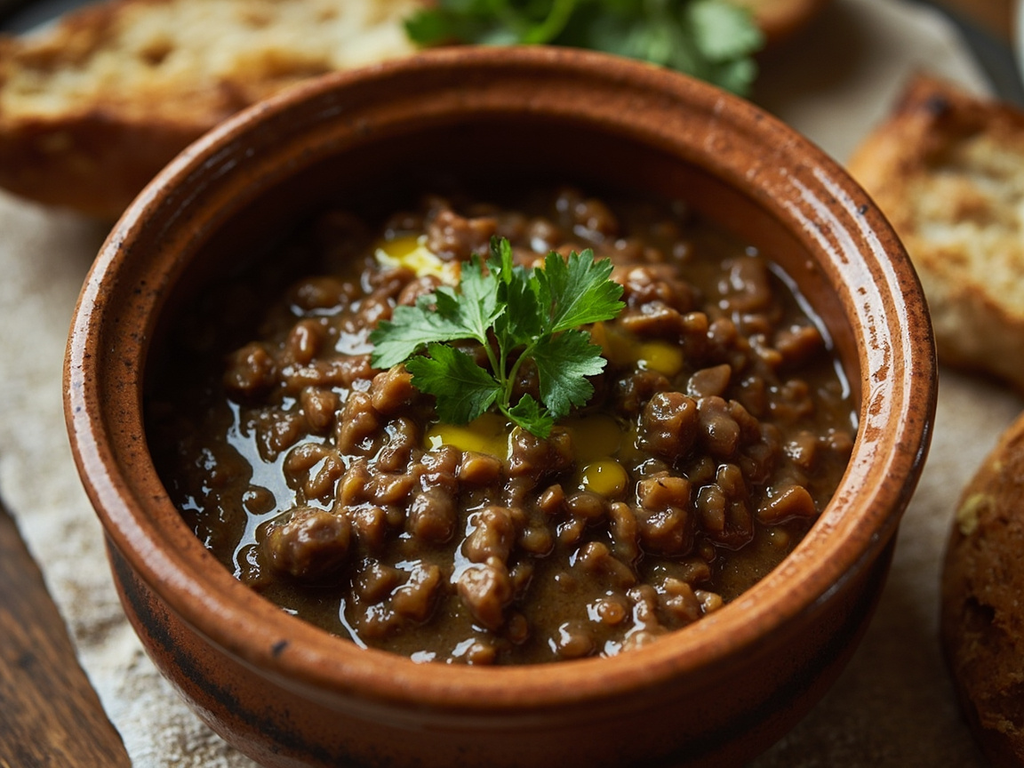 Everyday
Fakê with Vinegar (Lenten Lentils)
Fast-day Opson — the legume that accompanies bread on Wednesdays and Fridays
🧂 🍋· 50 min
View the recipe
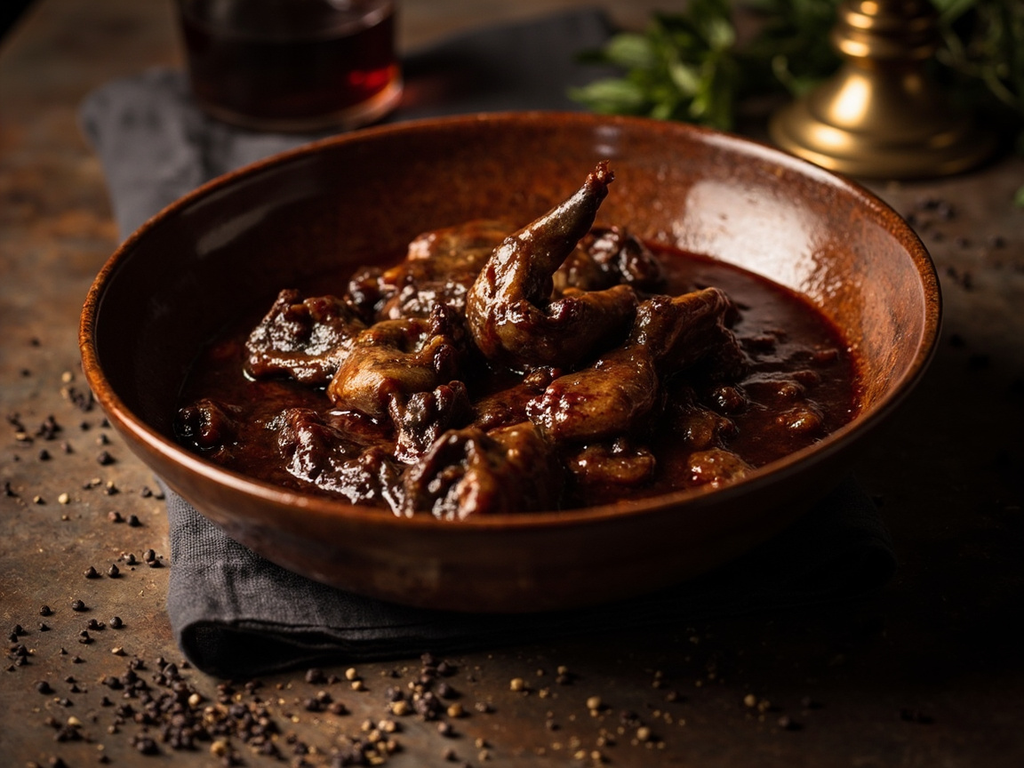 Festive
Roasted Hare with Garos and Imperial Table Spices
Festive Opson — the spiced meat served at grand deipnon tables
🧂 🍄 🌶️· 1 h 45
View the recipe
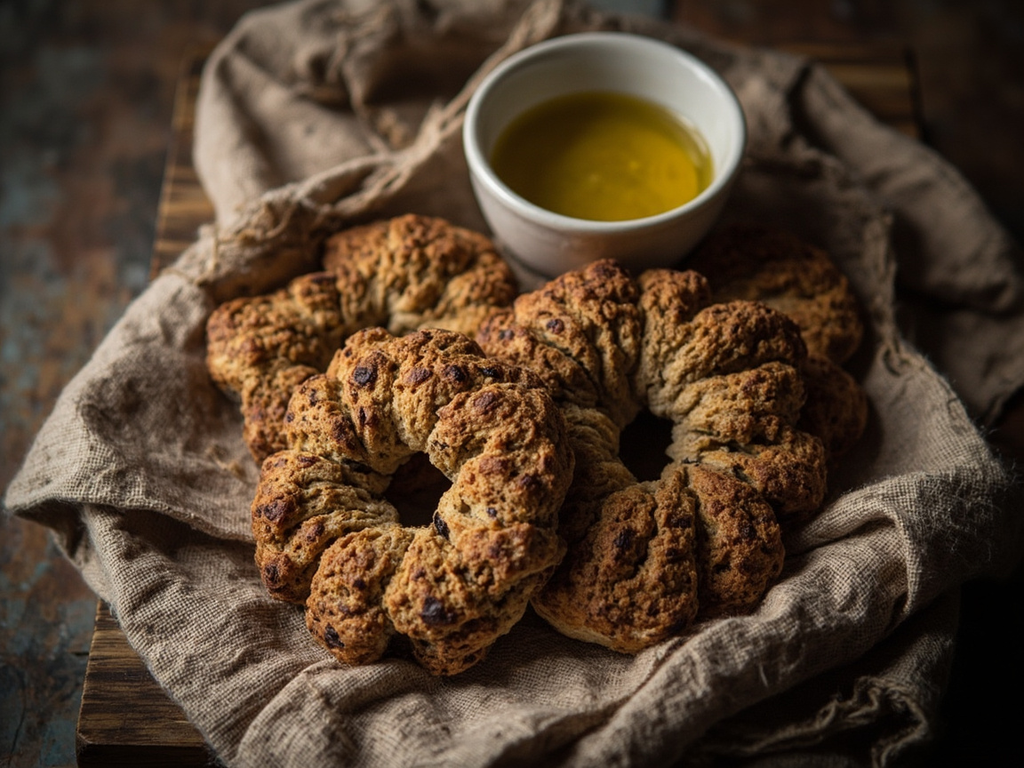 Travel
Paximadion (Twice-Baked Barley Rusk, Campaign Bread)
Road and Soldier's Bread — the dry reserve carried to the armies
🧂· 4 h (including drying)
View the recipe
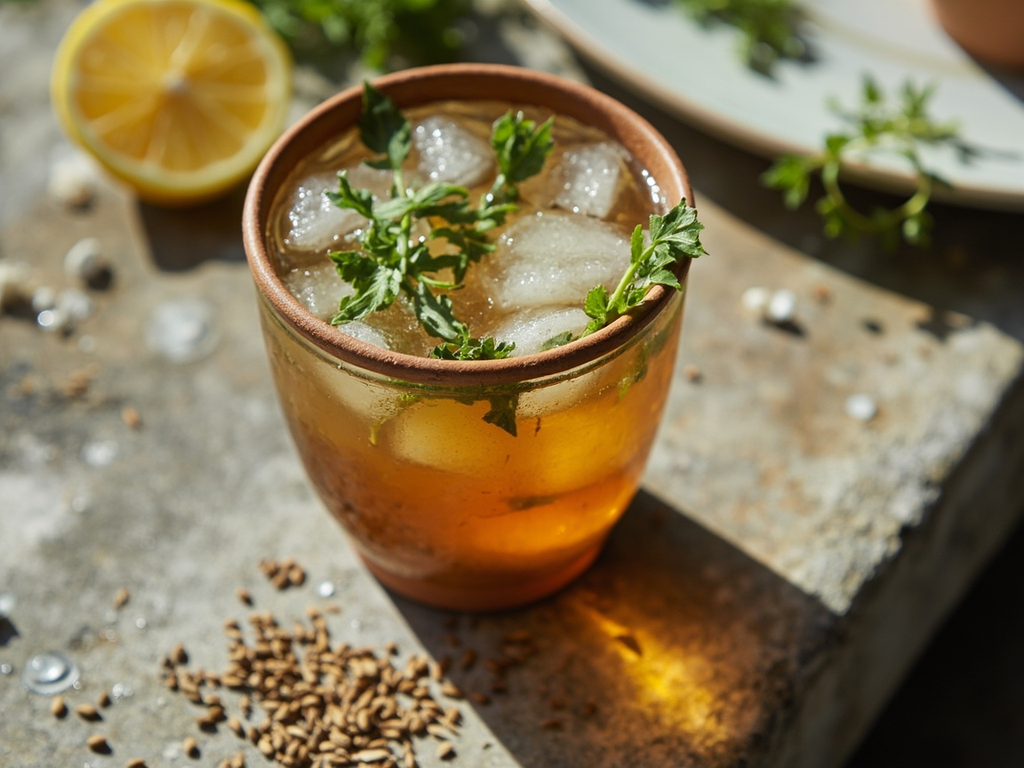 Drink
DrinkPhouska (Herbed Vinegar Water of the Camps)
Camp Beverage — the thirst-quenching drink of soldiers and marching days
🍋 🍯· 10 min (+ infusion)
View the recipe
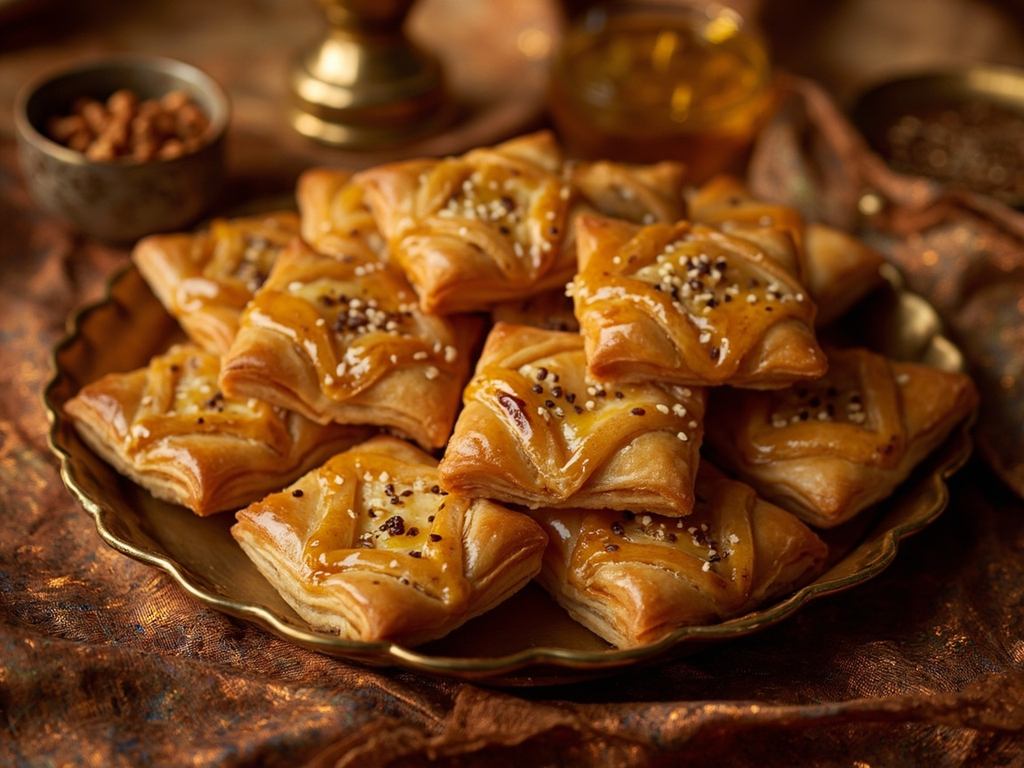 Festive
Honey Koptê with Chios Mastic and Walnuts
Table Sweet — the honey confection that closes grand tables and honors guests
🍯· 1 h
View the recipe