 flip
flipFakê with Vinegar (Lenten Lentils)
Fakê with Vinegar (Lenten Lentils)
Why this dish? Emperor of a Christian state, Andronic III, like his entire court, followed the long Orthodox fasts: meat, fish, and garos were forbidden. Lentils brightened with a dash of vinegar — a gesture so Byzantine it became proverbial — then nourished both the palate and the soldier on campaign.
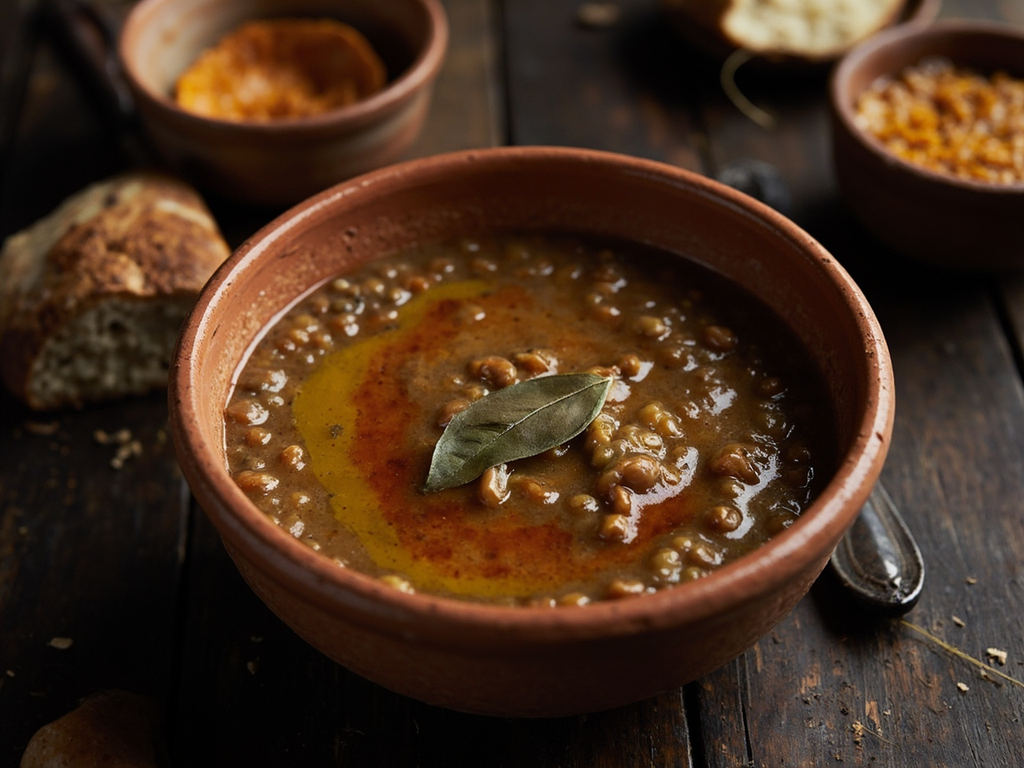
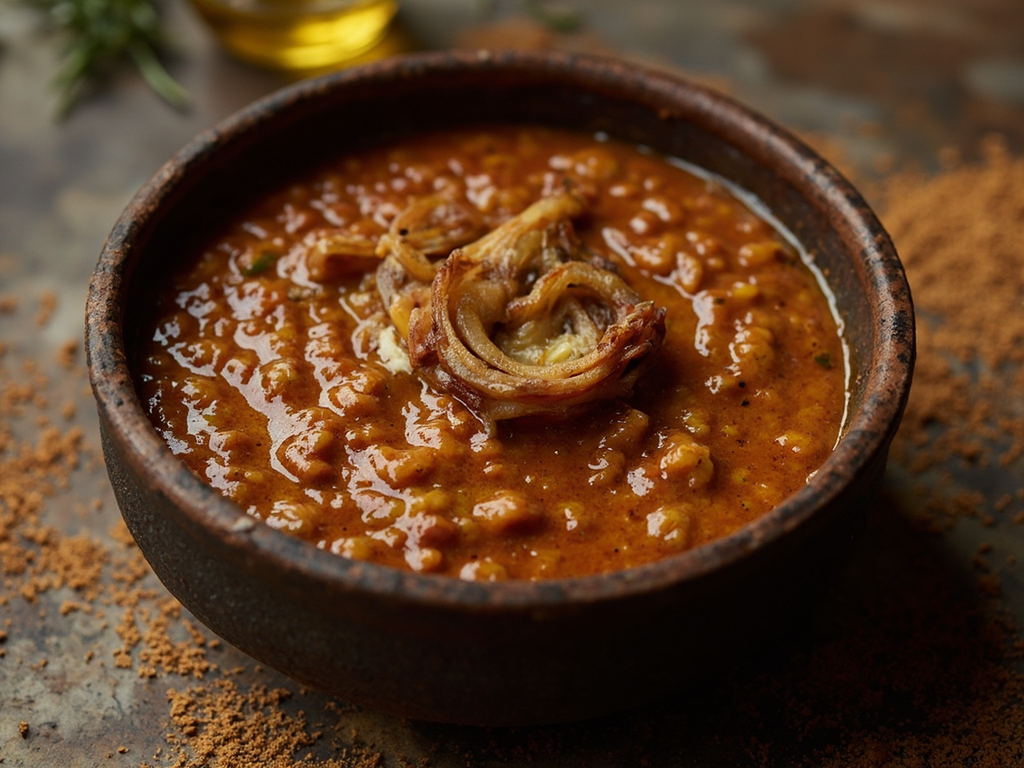
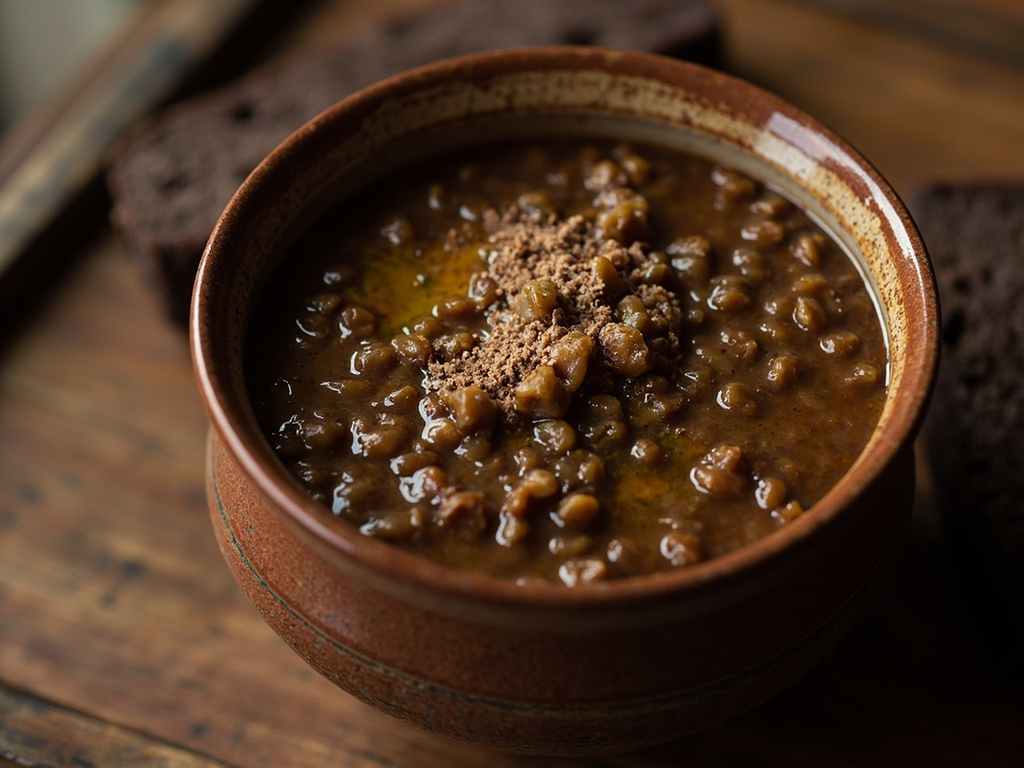
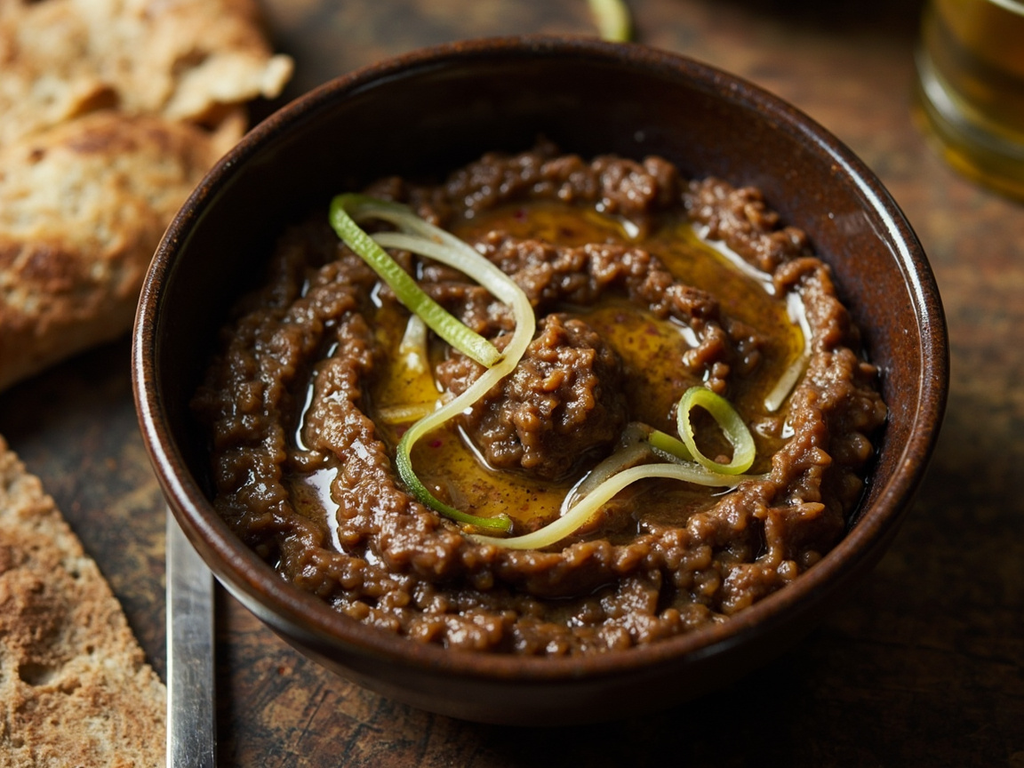
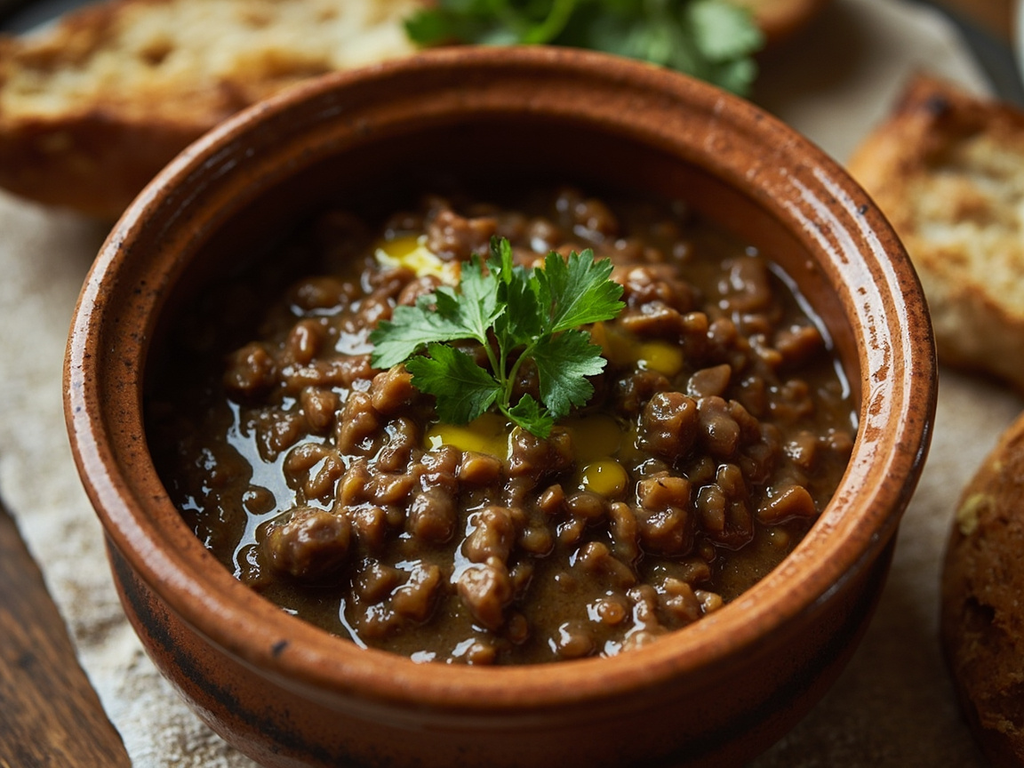
A thick pottage of lentils melted in olive oil, fragrant with onion, leek, and coriander, awakened by a splash of vinegar at serving. Simple, filling, and compliant with abstinence: no meat, fish, or dairy.
Know, friend reader, that even the porphyrogennetos bows before the Church's calendar: on Wednesdays and Fridays, no flesh or garos touches Our table. They serve Us then the fakê, those humble lentils that My cook lets melt in oil until they hold to the spoon. The trick handed down by the ancients is in one word: pour the vinegar at the end, never over the fire, or you lose the tang that delights the mouth. And believe Me, after a day of prayers, this poor man's dish is worth all feasts.
- •Brown lentils — a good measure (nourishing base)
- •Onion — one (aromatic base)
- •Leek — one white part (vegetable sweetness)
- •Olive oil — as needed (fast-day fat)
- •Wine vinegar — a dash (final acidity (signature gesture))
- •Coriander seeds and leaves — a pinch (fragrance)
- •Salt — to taste (seasoning)
Fakê with Vinegar (Lenten Lentils)
A thick pottage of lentils melted in olive oil, fragrant with onion, leek, and coriander, awakened by a splash of vinegar at serving. Simple, filling, and compliant with abstinence: no meat, fish, or dairy.
Why this dish? Emperor of a Christian state, Andronic III, like his entire court, followed the long Orthodox fasts: meat, fish, and garos were forbidden. Lentils brightened with a dash of vinegar — a gesture so Byzantine it became proverbial — then nourished both the palate and the soldier on campaign.
Know, friend reader, that even the porphyrogennetos bows before the Church's calendar: on Wednesdays and Fridays, no flesh or garos touches Our table. They serve Us then the fakê, those humble lentils that My cook lets melt in oil until they hold to the spoon. The trick handed down by the ancients is in one word: pour the vinegar at the end, never over the fire, or you lose the tang that delights the mouth. And believe Me, after a day of prayers, this poor man's dish is worth all feasts.
Ingredients (period version)
- Brown lentils — a good measure (nourishing base)
- Onion — one (aromatic base)
- Leek — one white part (vegetable sweetness)
- Olive oil — as needed (fast-day fat)
- Wine vinegar — a dash (final acidity (signature gesture))
- Coriander seeds and leaves — a pinch (fragrance)
- Salt — to taste (seasoning)
Ingredients
- Brown or green lentils — 250 g (base)
- Onion — 1, finely chopped (aromatic base)
- Leek, white part — 1, sliced (sweetness)
- Olive oil — 4 tbsp (fat)
- Red wine vinegar — 2 tbsp (final acidity)
- Coriander seeds — 1 tsp, crushed (fragrance)
- Salt — to taste (seasoning)
- Water — ~1 L (cooking liquid)
Method
- Gently sauté the onion and leek in olive oil until soft.
- Add the rinsed lentils and crushed coriander seeds, cover with water, and simmer uncovered for 30–40 minutes until the lentils break down.
- Salt at the end of cooking (salt too early hardens lentils).
- Off the heat, pour in the vinegar, scatter coriander leaves, and serve warm with bread.
How it was made : Lentils are the quintessential fast-day food of the Byzantine world, attested from monastic tables to the army. The lentil-and-vinegar pairing was proverbial since Greek antiquity, and Orthodox fast days strictly forbade meat, fish, sometimes wine, and all animal products — hence olive oil as the sole richness.
The contemporary twist : A veil of lemon zest and a few dill leaves at serving brighten the dish without betraying its original Mediterranean spirit.
Andronikos III Palaiologos · Charactorium