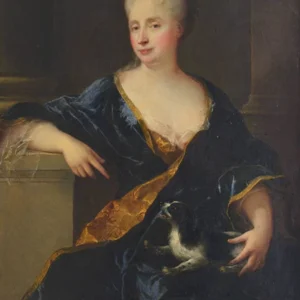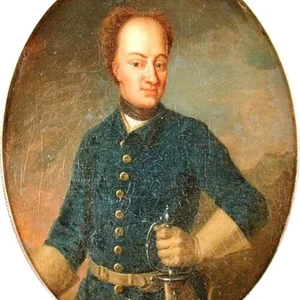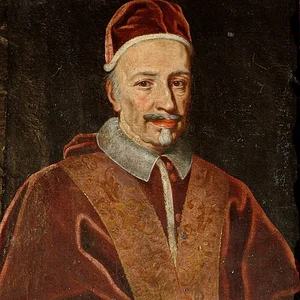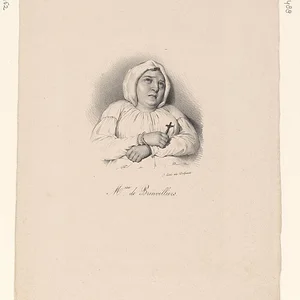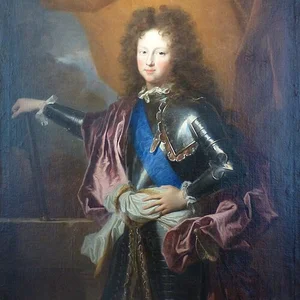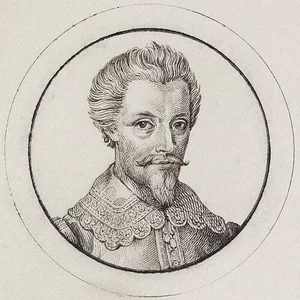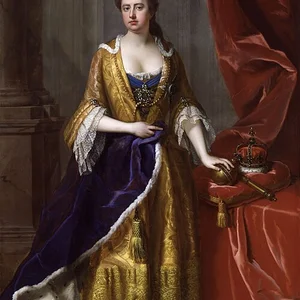

Queen of England, Scotland, and Ireland from 1702 to 1707, then first Queen of Great Britain following the Acts of Union of 1707. Her reign saw the rise of parliamentary government and the War of the Spanish Succession.
Anne of Great Britain(1665 — 1714)
Anne of Great Britain
royaume de Grande-Bretagne
9 min read
Frequently asked questions
Key Facts
- 1702: Ascends the thrones of England, Scotland, and Ireland following the death of William III
- 1704: Victory at the Battle of Blenheim under the command of Marlborough during the War of the Spanish Succession
- 1707: Acts of Union merging England and Scotland into the Kingdom of Great Britain
- 1714: Dies without surviving heirs, ending the Stuart dynasty — succeeded by the House of Hanover
Works & Achievements
The founding text that united England and Scotland into a single Kingdom of Great Britain stands as Anne's greatest political legacy. She was personally involved in the negotiations to win over reluctant Scottish parliamentarians.
A royal foundation established to improve the incomes of the poorest Anglican clergy, funded by ancient ecclesiastical taxes (first fruits and tenths) returned to the Church. This charitable fund endured until 1948.
Negotiated under the influence of her Tory government, this treaty ended the War of the Spanish Succession and secured for Great Britain Gibraltar, Minorca, and major trading rights, cementing its new status as a maritime and colonial power.
A personal initiative of Queen Anne, the first races at Ascot Heath were held in August 1711 on land she had scouted herself. This royal sporting institution remains one of the most prestigious in the world.
A law barring Protestant Nonconformists from holding public office through token, opportunistic Anglican communion. It reflects Anne's determination to uphold the supremacy of the Church of England in the face of growing religious pluralism.
Anecdotes
Anne experienced seventeen pregnancies during her lifetime, yet none of her children survived into adulthood. Her son William, Duke of Gloucester, was the only one to make it past early childhood, but he died in 1700 at just eleven years old. This repeated loss left a deep mark on the queen and weighed heavily on the negotiations surrounding the succession to the throne.
Queen Anne and Sarah Churchill, Duchess of Marlborough, maintained for years a friendship so intense that they wrote to each other under pseudonyms — 'Mrs Freeman' for Sarah, 'Mrs Morley' for Anne — in order to set aside the barriers of rank. Their spectacular falling-out around 1710, fuelled by political rivalries between Whigs and Tories, caused a scandal throughout the entire court.
Suffering from severe gout that sometimes left her unable to walk, Anne was carried in a sedan chair at her own coronation in 1702. She nonetheless presided over Cabinet meetings with determination, personally engaging in political debates despite her daily physical suffering.
In 1711, Queen Anne founded the Ascot horse races after noticing a suitable stretch of ground during a ride near Windsor. This sporting institution, known as Royal Ascot, still exists today and remains one of the most famous horse racing events in the world, still patronised by the British royal family.
Anne was the last British monarch to perform the 'royal touch', a medieval rite believed to cure scrofula through divine grace. Among those she 'touched' was the young Samuel Johnson, the future great English lexicographer, in 1712 — an unexpected link between a baroque queen and a towering figure of the Enlightenment.
Primary Sources
That the Two Kingdoms of Scotland and England shall upon the first day of May next ensuing the date hereof and forever after be united into One Kingdom by the Name of Great Britain.
I know my own heart to be entirely English, but I know too that the happiness and glory of England is closely united with the welfare of all Europe.
To secure the peace and tranquillity of Christendom through a just balance of power, the contracting parties agree to the following provisions concerning the Kingdoms of Spain and the Indies.
I have been very uneasy since I parted with my dear Mrs Freeman, and hope you will come to me again soon, for I cannot live without you.
We being sensible of the mean and insufficient maintenance of many of the clergy of our Church of England... have thought fit to establish a perpetual fund for the augmentation of the maintenance of the poor clergy.
Key Places
Queen Anne's favourite royal residence, where she died on 1 August 1714. She had the gardens redesigned with the help of landscape gardener Henry Wise, and the palace served as the centre of her intimate court, far from the ceremonial obligations of Whitehall.
The seat of the British Parliament, where Anne delivered her speeches from the throne and presided over major legislative decisions. It was here that the landmark acts of her reign were passed, including the Acts of Union in 1707.
The traditional royal residence where Anne stayed frequently and near which she founded Ascot Racecourse in 1711. Windsor embodied the centuries-old continuity of the English monarchy.
The spa town Anne visited on several occasions to treat her chronic gout in the thermal waters. Under her reign, Bath enjoyed a renewed fashionable prestige that made it the capital of aristocratic leisure and tourism in eighteenth-century Britain.
Rebuilt by Christopher Wren after the Great Fire of 1666, the cathedral hosted the great ceremonies of Anne's reign, most notably the solemn services of thanksgiving for military victories such as the Battle of Blenheim in 1704.
Typical Objects

Afflicted with gout from her forties onward, Anne frequently traveled by sedan chair, even at official ceremonies. This mode of transport, a symbol of her disability borne with dignity, paradoxically became a recognizable feature of her royal presence.

Deeply devoted to the Church of England, Anne turned to the Prayer Book daily for her personal devotions. Her sincere faith led her to establish Queen Anne's Bounty, a fund to support the poorest Anglican clergy.

Queen Anne helped popularize the tea ceremony in England, at the time a fashionable luxury among the aristocracy, imported from the East through the East India Company. Fine porcelain tea sets were highly prized status objects at her court.

Following the Acts of Union of 1707, a new Great Seal was engraved combining the arms of England, Scotland, and Ireland. It symbolized the birth of the Kingdom of Great Britain and gave legal authority to all official acts of the newly united Crown.

An indispensable accessory for ladies at court during the Baroque era, the painted fan served both to keep cool and to communicate subtly during receptions and official audiences. Portraits from Anne's court show fans richly decorated with intricate designs.

To mark the Acts of Union, struck medals depicted Anne as 'Queen of Great Britain.' These coins circulated as symbols of the new nation and of the sovereign's dynastic legitimacy in the face of Jacobite claims to the throne.
School Curriculum
Vocabulary & Tags
Key Vocabulary
Tags
Daily Life
Morning
The queen rose early for her morning devotions, attending Anglican prayers with her ladies-in-waiting in the royal palace chapel. She would then receive her ministers and read diplomatic dispatches, often from her private apartments since her gout made moving about painful from the early hours.
Afternoon
Afternoons were devoted to formal audiences, cabinet councils which Anne chaired in person, and meetings with foreign dignitaries. When her health permitted, she enjoyed hunting on horseback or by carriage at Windsor — a passion she was gradually forced to give up as her illness worsened.
Evening
Evenings included baroque music concerts — Anne was particularly fond of Handel, who had settled in London by 1711 — card games with her favourite ladies, and formal state dinners. She retired early, exhausted by her chronic pain and the growing burden of affairs of state.
Food
The royal baroque table was lavish: roasted meats, game, fish in rich sauces, elaborate pastries, and fine wines. Anne was known for her hearty appetite and was a great enthusiast of tea — then a luxury drink reserved for the aristocracy — served in Chinese porcelain sets during highly ritualised social ceremonies.
Clothing
Anne wore baroque court gowns of heavy silks and brocades, with rigid-boned corsets, pannier skirts, and necklines trimmed with Flemish lace. Her increasing corpulence — worsened by her many pregnancies and illness — made court dress ever more uncomfortable, yet strict sartorial protocol was never neglected.
Housing
Anne resided chiefly at the palaces of Kensington, St James's, and Windsor: vast baroque complexes with galleries hung with dynastic portraits, apartments panelled in dark wood, and English-style gardens redesigned under her direction. Despite their magnificence, these imposing residences were often cold and difficult to heat through the long London winters.
Historical Timeline
Period Vocabulary
Visual Style
Le style visuel du règne d'Anne s'ancre dans le baroque anglais de Godfrey Kneller — portraits solennels aux riches étoffes, perruques poudrées et décors palatiaux dorés, nuancés d'une mélancolie personnelle profonde.
Sound Ambience
L'atmosphère sonore du règne d'Anne mêle la solennité baroque des cours européennes aux sons vivants d'une Londres en plein essor commercial, entre cloches anglicanes, musique de chambre et rumeurs de la ville géorgienne naissante.
Liens externes & ressources
Références
Œuvres
Acte d'Union (Act of Union)
1707
Queen Anne's Bounty
1704
Traité d'Utrecht
1713
Fondation des courses royales d'Ascot
1711
Occasional Conformity Act
1711