 Flip the card
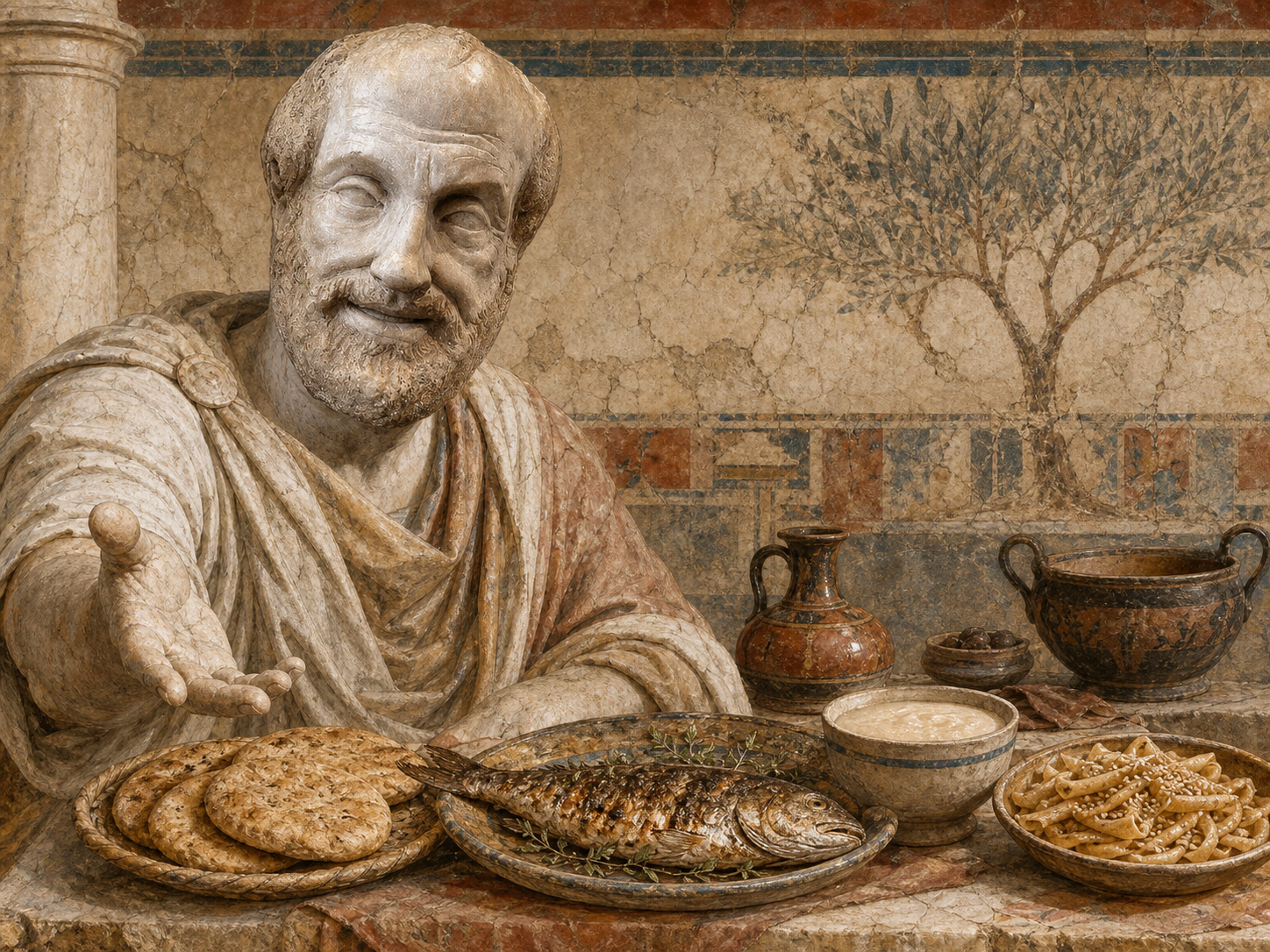
Aristotle at the table
460 av. J.-C. — 401 av. J.-C.
On the menu
The deipnon and the symposion
The classic Greek meal clearly separates eating and drinking. The deipnon (evening meal) is built around two poles: the sitos, the cereal base (barley cake, wheat bread), and the opson, the "that-which-accompanies" — fish, vegetables, cheese, eaten on top of the base. Then comes the symposion, the shared drinking time: you recline on couches, cut the wine with water, nibble on tragemata (sweets, dried fruits) and converse. For Aristotle, this second part is also the time for philosophy.
Signature : Olive oil and honey from Mount Hymettus
Two golden fluids structure the entire Greek table: olive oil, the noble fat that binds, fries and perfumes savory dishes, and honey, the only known sweetener, which softens cakes, wine and offerings. To oppose or marry them is already to think about taste as Aristotle thought about the world — in pairs of opposites.
click to flip back
Aristotle at the table
460 av. J.-C. — 401 av. J.-C.
5 period recipes
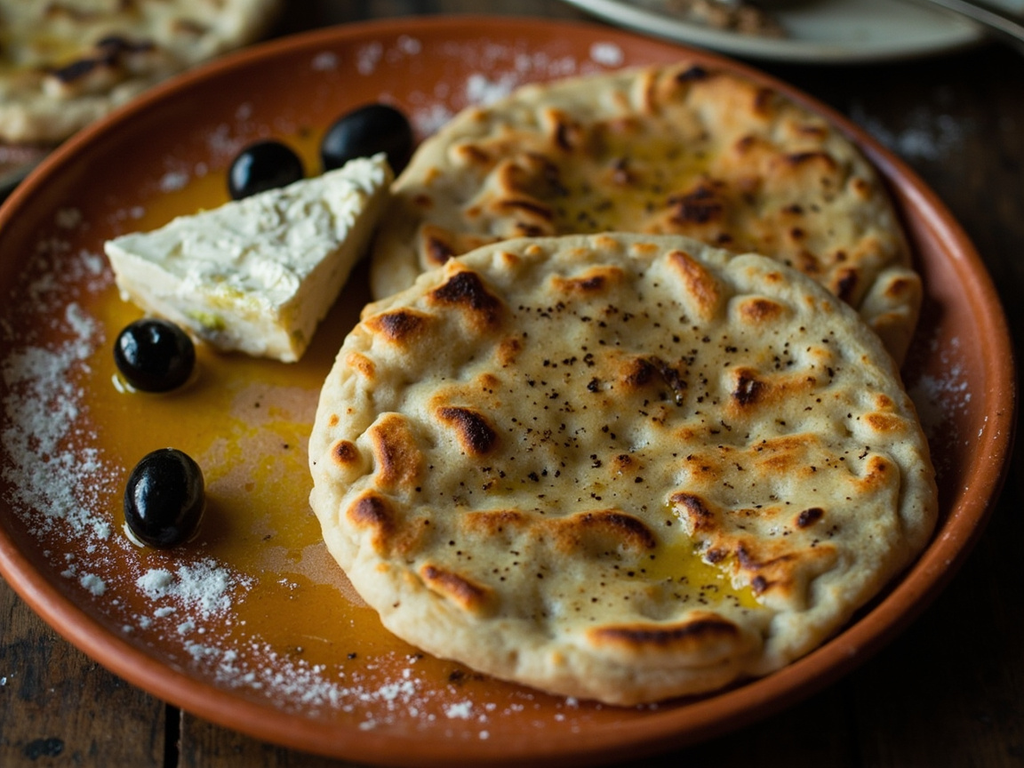 Everyday
Maza, the everyday barley cake
Sitos (the cereal base)
🧂· 25 min
View the recipe
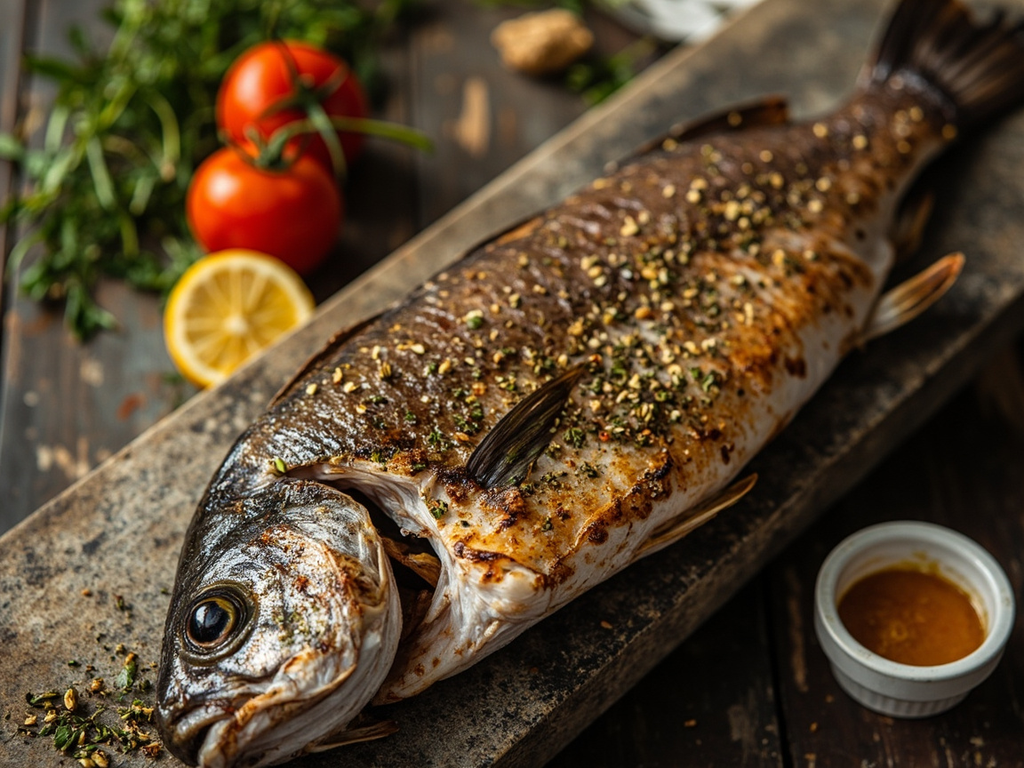 Festive
Grilled Lesbos fish with oregano
Opson (the noble "that-which-accompanies")
🍄 🧂· 35 min
View the recipe
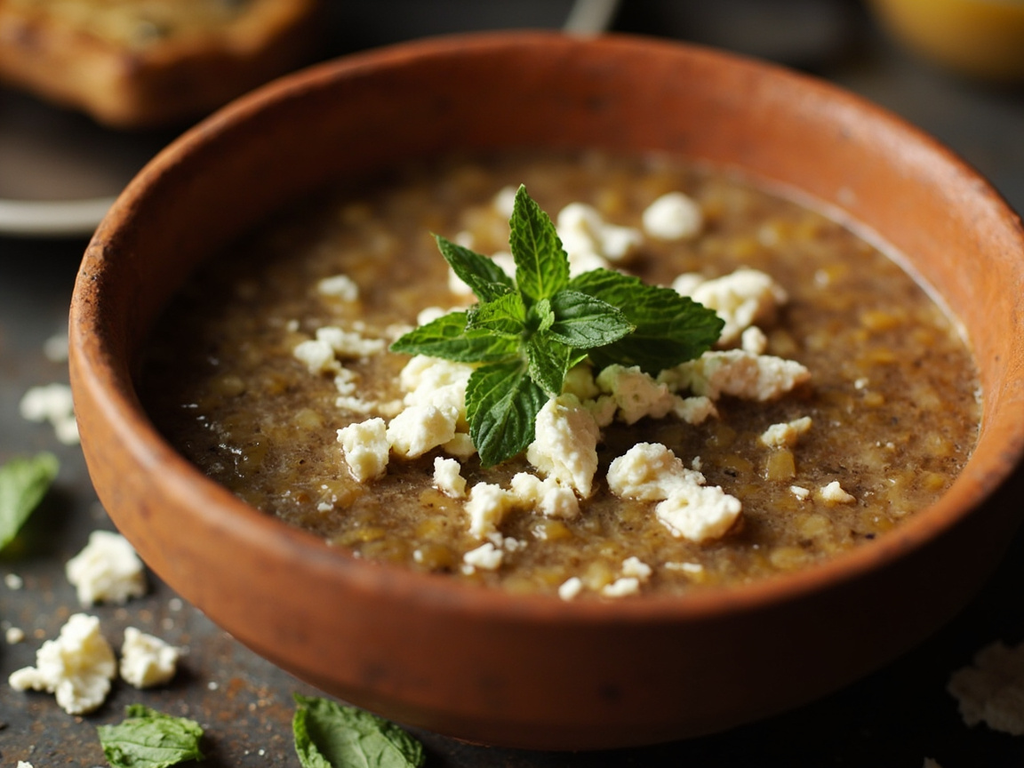 Drink
DrinkKykeon, the barley and cheese drink
Poma (the restorative drink)
🫙 🧂· 15 min
View the recipe
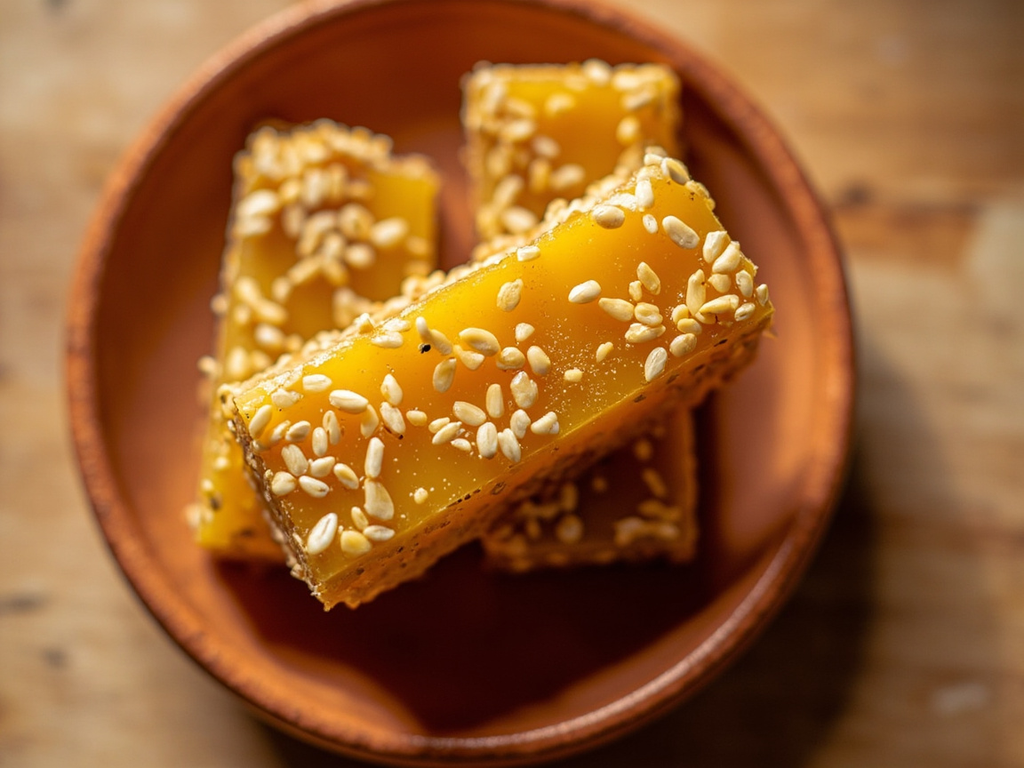 Travel
Itria with sesame and honey
Tragemata (symposion sweets, here portable)
🍯· 20 min
View the recipe
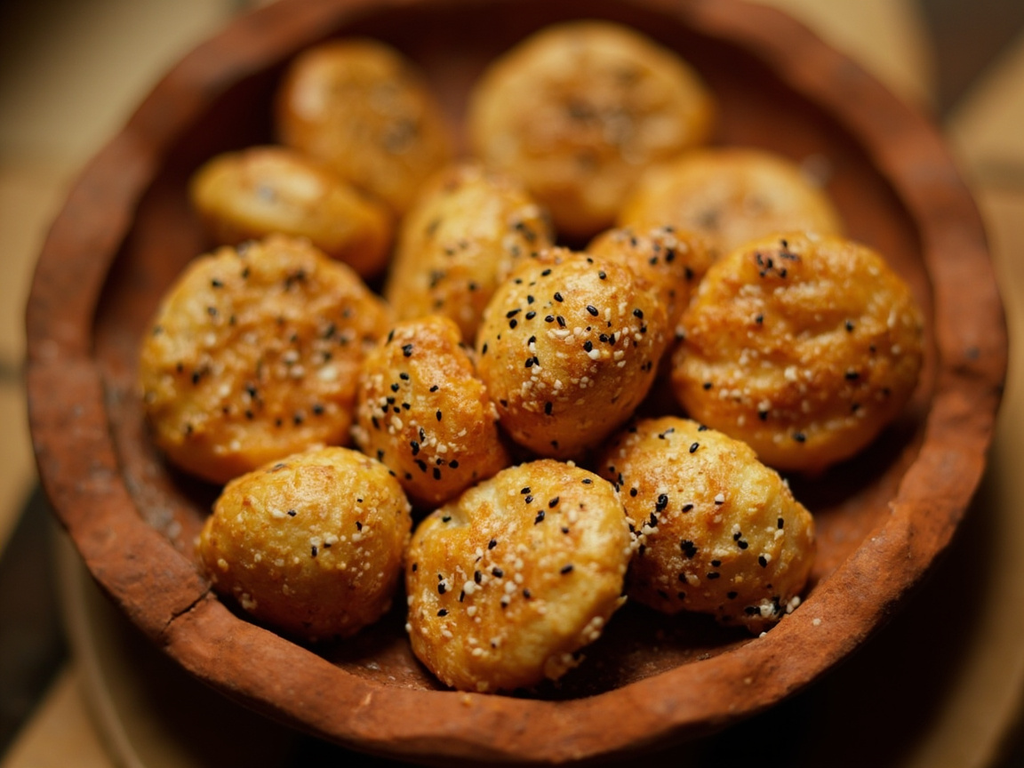 Offering
Popana, honey cake for the gods
Pelanos (the sacrificial offering)
🍯· 35 min
View the recipe