 flip
flipPopana, honey cake for the gods
Popana, honey cake for the gods
Why this dish? Meat, as its card reminds us, was reserved for feast days and sacrifices. But every Greek sacrifice was accompanied by vegetarian and sweet offerings: these small honey cakes placed on the altar framed the religious life of a citizen like Aristotle, who reflected so much on the divine in his Metaphysics.
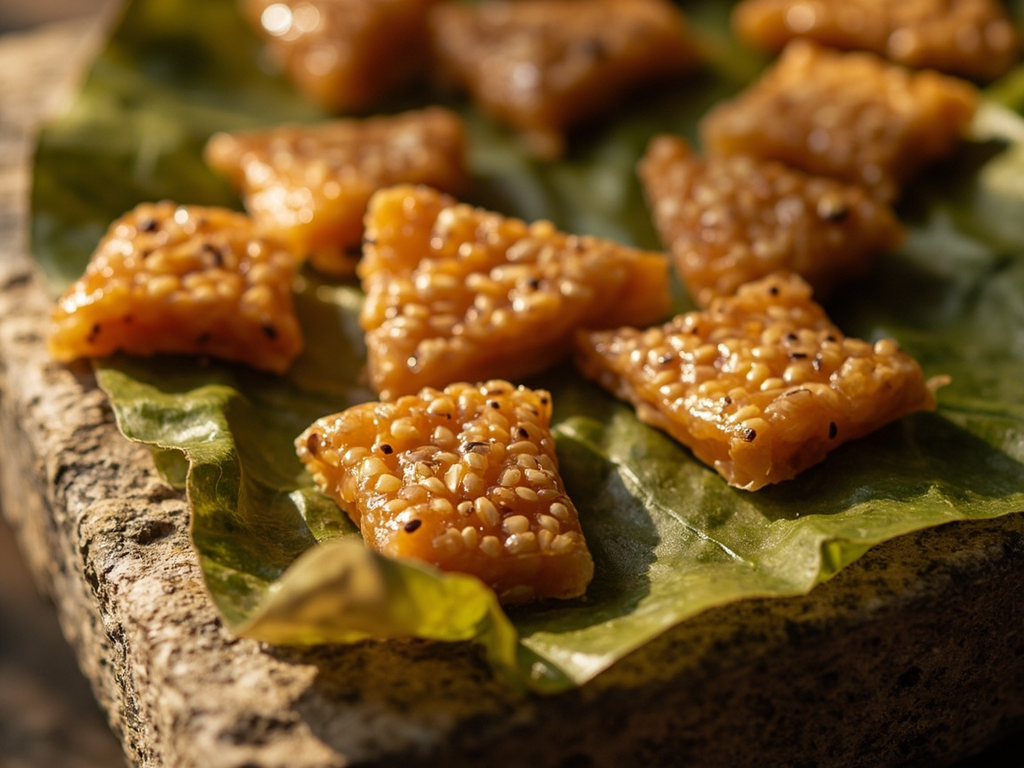
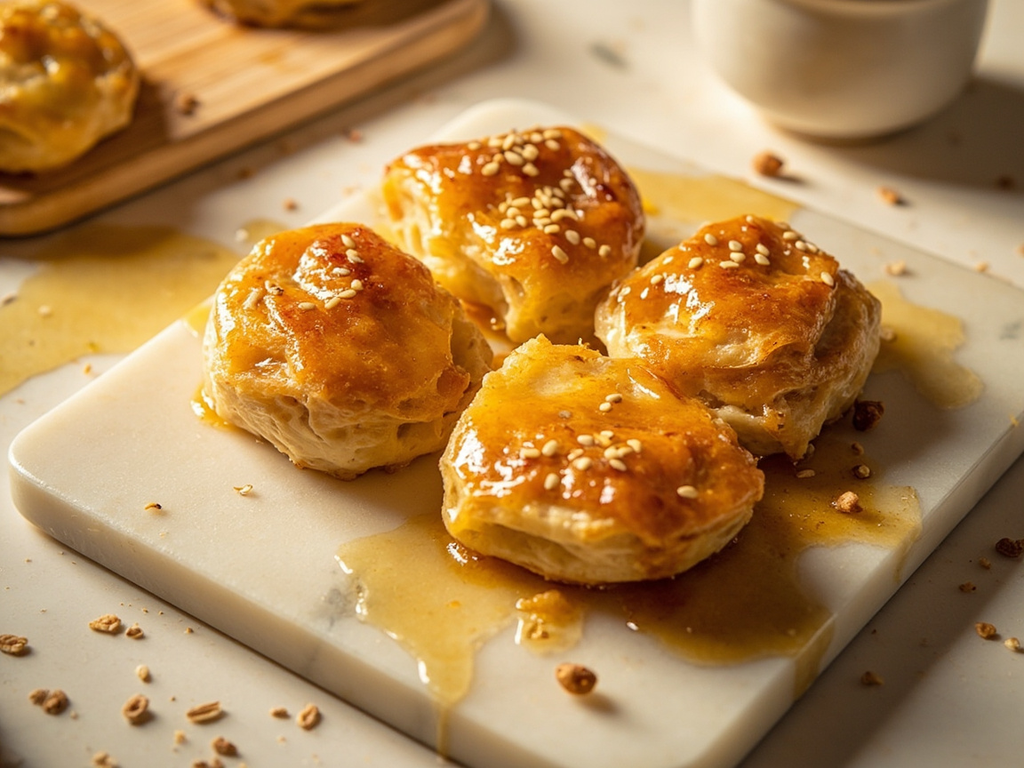
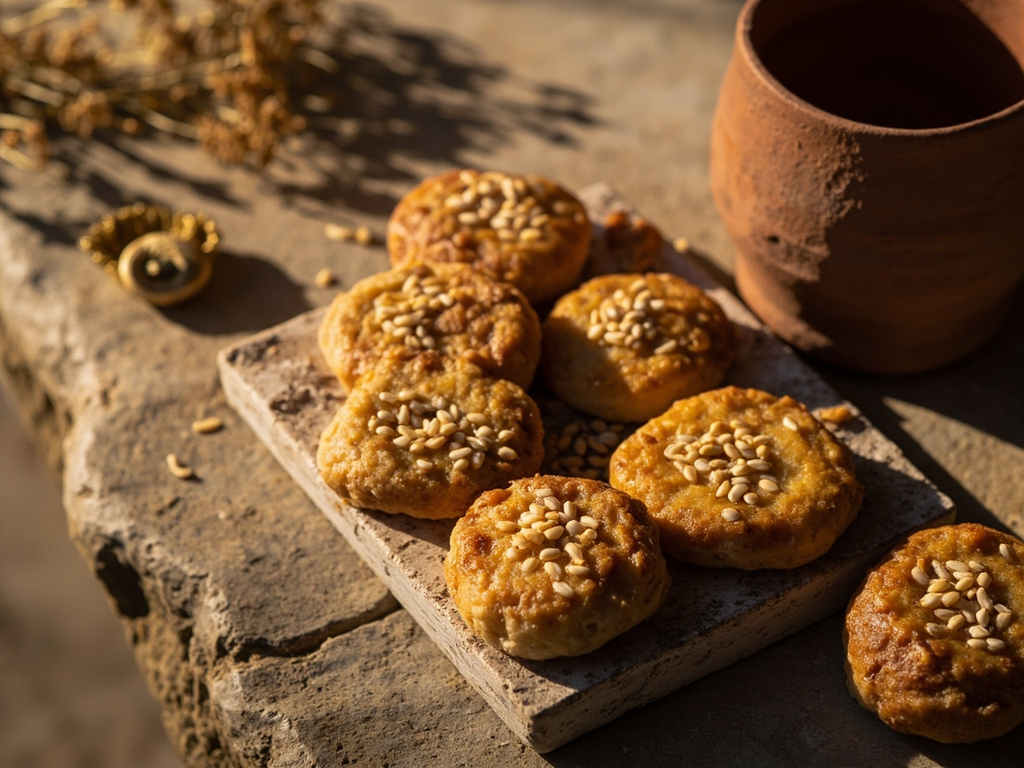
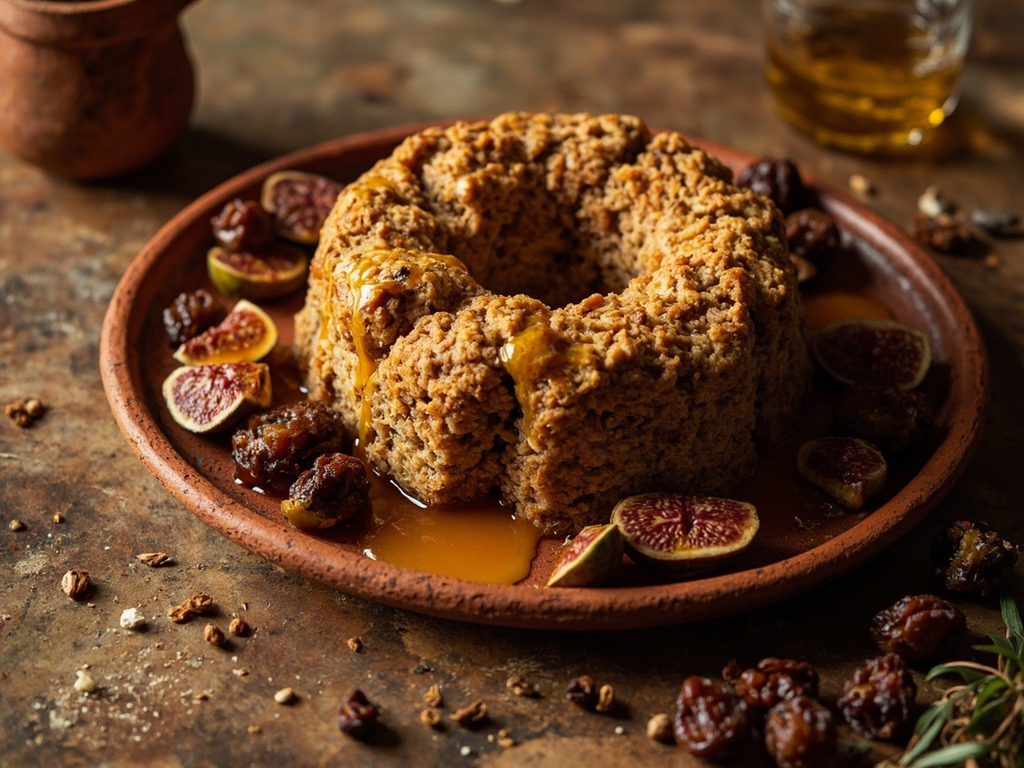
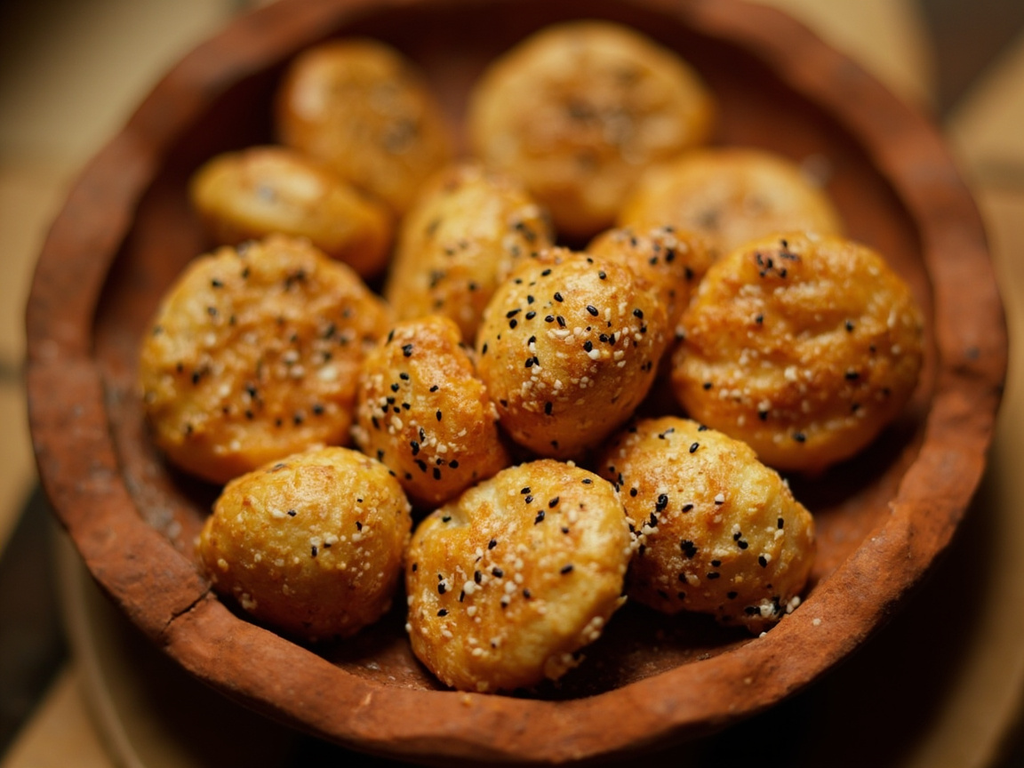
Small round cakes of flour and honey, sometimes marked with imprints, offered to the gods on the domestic altar. Inspired by ritual popana and pelanoi, they accompanied libations.
Before sharing the meal, one does not forget the gods: this little cake of flour and honey, I place it on the altar as my fathers did. Knead it simply, mark it with a sign, and bake it until golden. The Prime Mover has no need of our smoke, perhaps — but man needs these gestures to order his life. Honor first, then sit at table: thus goes the order of things.
- •Wheat (or barley) flour — one measure (base)
- •Honey — generous (sugar and binder)
- •Olive oil — a drizzle (softness)
- •Poppy seeds or sesame seeds — to sprinkle (ritual decoration)
Popana, honey cake for the gods
Small round cakes of flour and honey, sometimes marked with imprints, offered to the gods on the domestic altar. Inspired by ritual popana and pelanoi, they accompanied libations.
Why this dish? Meat, as its card reminds us, was reserved for feast days and sacrifices. But every Greek sacrifice was accompanied by vegetarian and sweet offerings: these small honey cakes placed on the altar framed the religious life of a citizen like Aristotle, who reflected so much on the divine in his Metaphysics.
Before sharing the meal, one does not forget the gods: this little cake of flour and honey, I place it on the altar as my fathers did. Knead it simply, mark it with a sign, and bake it until golden. The Prime Mover has no need of our smoke, perhaps — but man needs these gestures to order his life. Honor first, then sit at table: thus goes the order of things.
Ingredients (period version)
- Wheat (or barley) flour — one measure (base)
- Honey — generous (sugar and binder)
- Olive oil — a drizzle (softness)
- Poppy seeds or sesame seeds — to sprinkle (ritual decoration)
Ingredients
- Wheat flour — 200 g (base)
- Honey — 80 g (sugar and binder)
- Olive oil — 2 tbsp (softness)
- Water — about 60 ml (binder)
- Poppy seeds or sesame seeds — 1 tbsp (decoration)
Method
- Mix the flour with the honey, olive oil and just enough water to form a supple dough.
- Shape small round flat cakes; mark them with a crosshatch pattern or a finger imprint.
- Sprinkle with poppy or sesame seeds.
- Bake in a hot oven (180°C) for 15 to 18 minutes, until golden and fragrant.
- Let cool slightly and drizzle with a final thread of honey before serving (or presenting as a symbolic offering).
How it was made : The Greeks offered ritual cakes with multiple names — popana, pelanoi, pemmata — often round and marked with symbolic patterns. These vegetarian and sweet offerings accompanied wine libations and sacrifices, and a portion was later consumed during the sacred banquet. (Preparation simply inspired by these customs, without reproducing a specific ritual.)
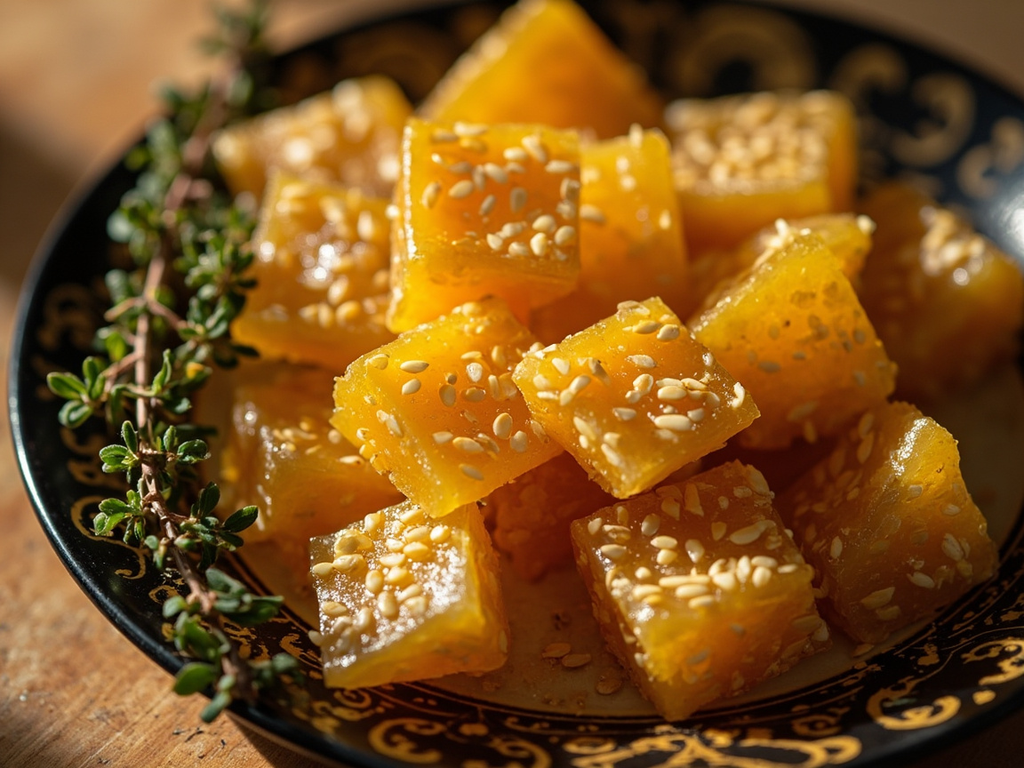
The contemporary twist : Serve them as "Olympian mignardises": small golden cakes, a drizzle of thyme honey and a pinch of fleur de sel.
Sources : Andrew Dalby, Siren Feasts · Louise Bruit Zaidman, Le commerce des dieux : la piété grecque
Aristotle · Charactorium