Pane e companatico
The meal of Roman and Neapolitan artisans in Artemisia's time revolves around bread, the foundation of every table. Everything else is *companatico*, "what accompanies the bread": a bit of *minestra* (a vegetable or legume soup-stew), sometimes a bite of salty *companatico*, and wine mixed with water. On feast days, a roast and an elaborate sauce break the routine. There is no starter-main-dessert: one eats what the season and the purse offer, around the shared loaf.
Signature : L'agrodolce (sweet-and-sour)
The great affair of Italian Baroque cuisine: marrying sugar (honey, raisins, *sapa*) with acid (*agresto*/verjuice, vinegar) in the same dish. Just as Artemisia's chiaroscuro contrasts light with shadow, the *agrodolce* contrasts sweet with sour — a tense, balanced, theatrical contrast. It is the red thread of the court sauces described by Bartolomeo Scappi.
Artemisia Gentileschi at the table
1593 — 1653
4 period recipes
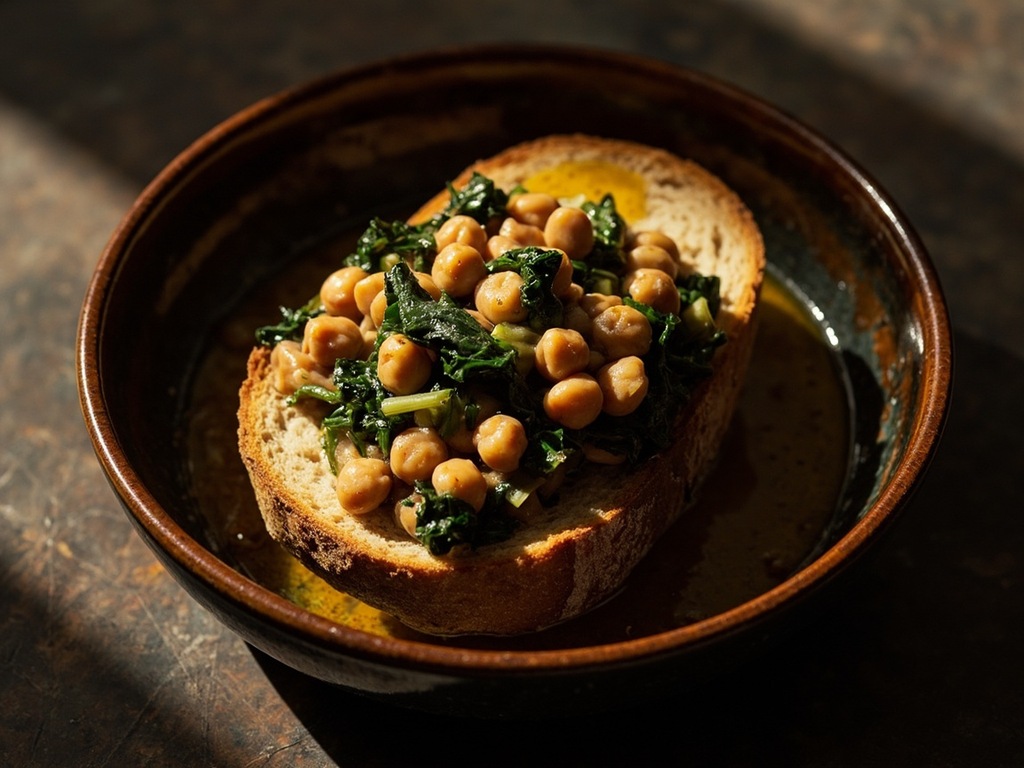 Everyday
Chickpea and Chard Minestra
La minestra (the soup-stew, daily meal foundation)
🧂 🍄 ☕· 2 h (plus soaking)
View the recipe
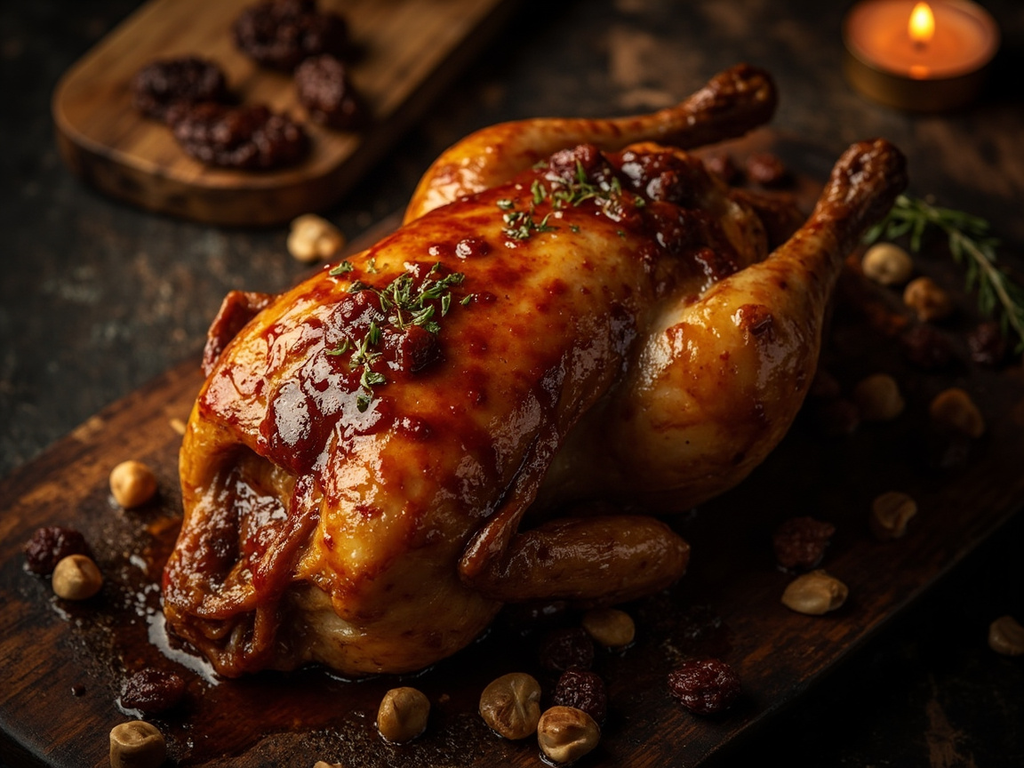 Festive
Roast Capon with Agresto Sweet-and-Sour Sauce
Il piatto di grasso (the fatty dish for feast days and patron dinners)
🍯 🍋 🧂· 2 h 15
View the recipe
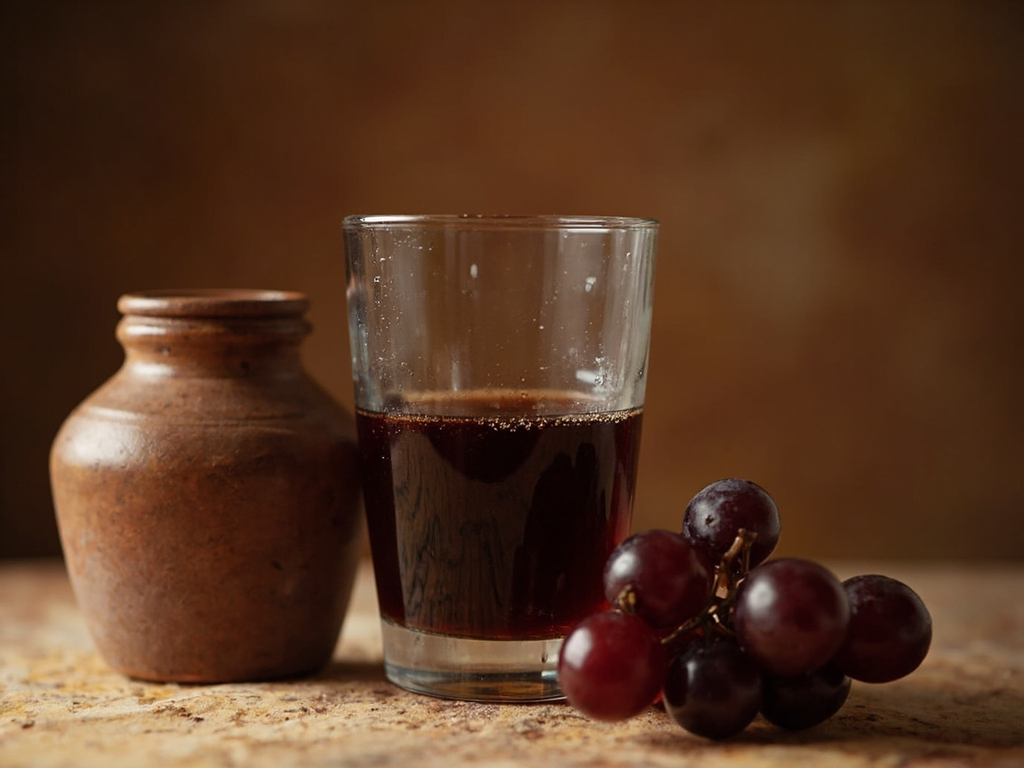 Drink
DrinkSapa Cut with Water (Grape Must Syrup Drink)
La bevanda (the sweet household drink, besides table wine)
🍯 🍋· 2 h
View the recipe
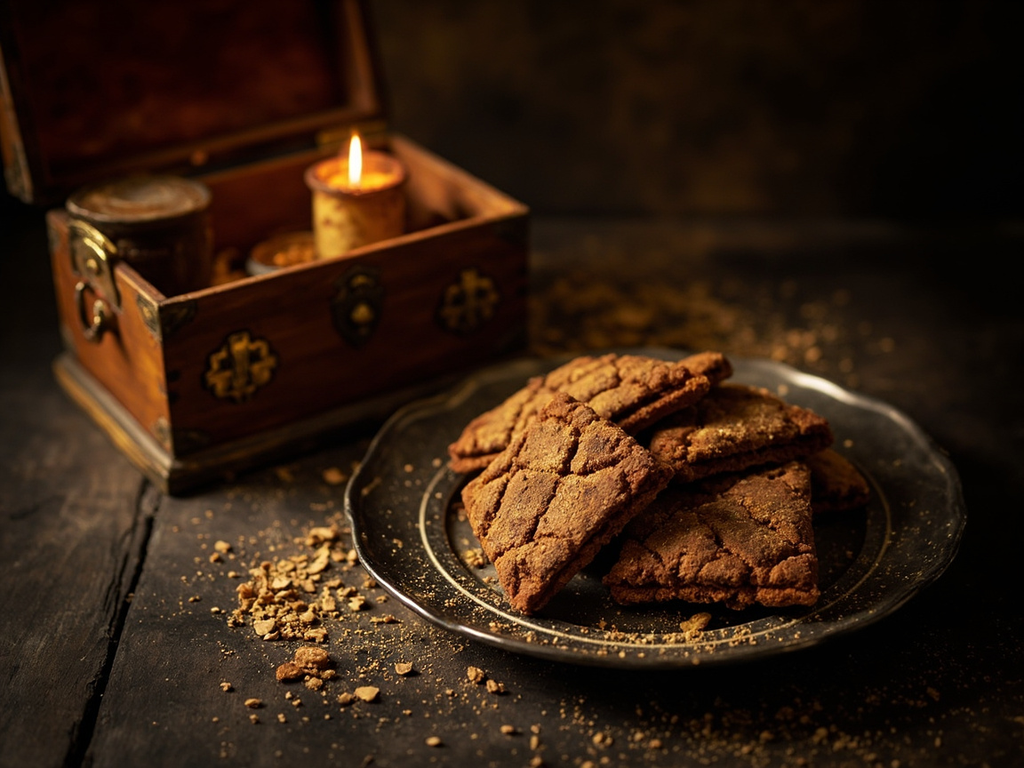 Travel
Mostaccioli with Honey and Spices
Il biscotto da serbo (the keeping biscuit, which travels and keeps)
🍯 🌶️· 45 min
View the recipe