 flip
flipSapa Cut with Water (Grape Must Syrup Drink)
Sapa Cut with Water (Grape Must Syrup Drink)
Why this dish? If wine cut with water was Artemisia's daily drink, *sapa* — grape must cooked down to a syrup — was the household sweetness, diluted with fresh water to quench thirst on hot Roman or Neapolitan days. An autumn reserve kept all winter.
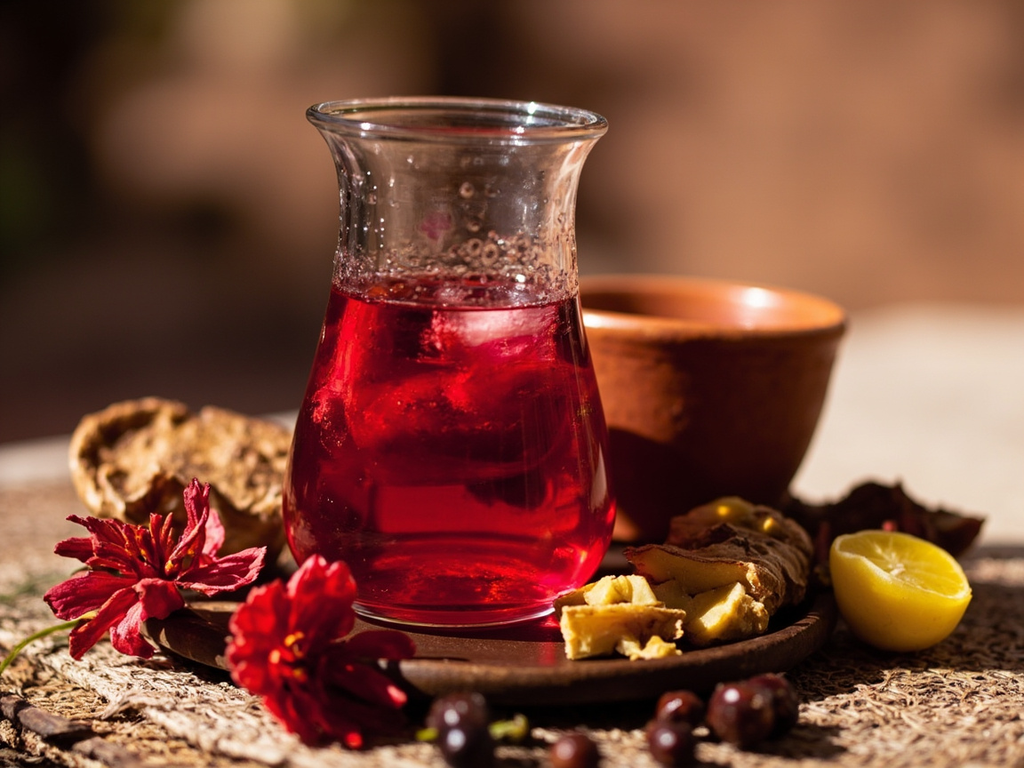
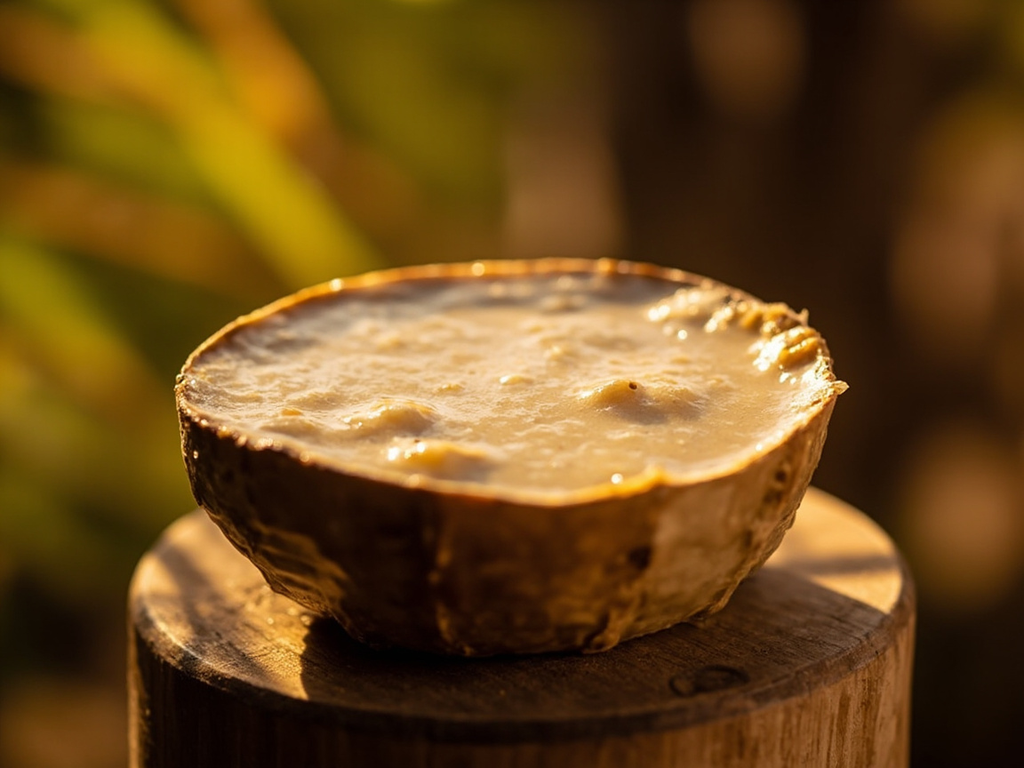
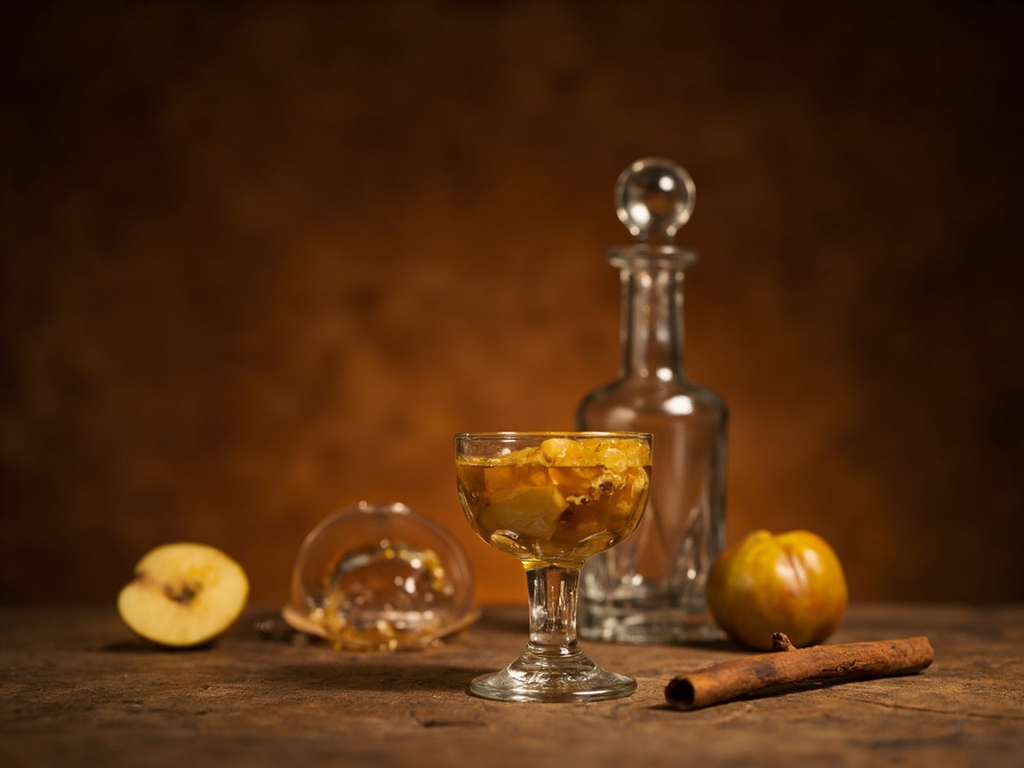
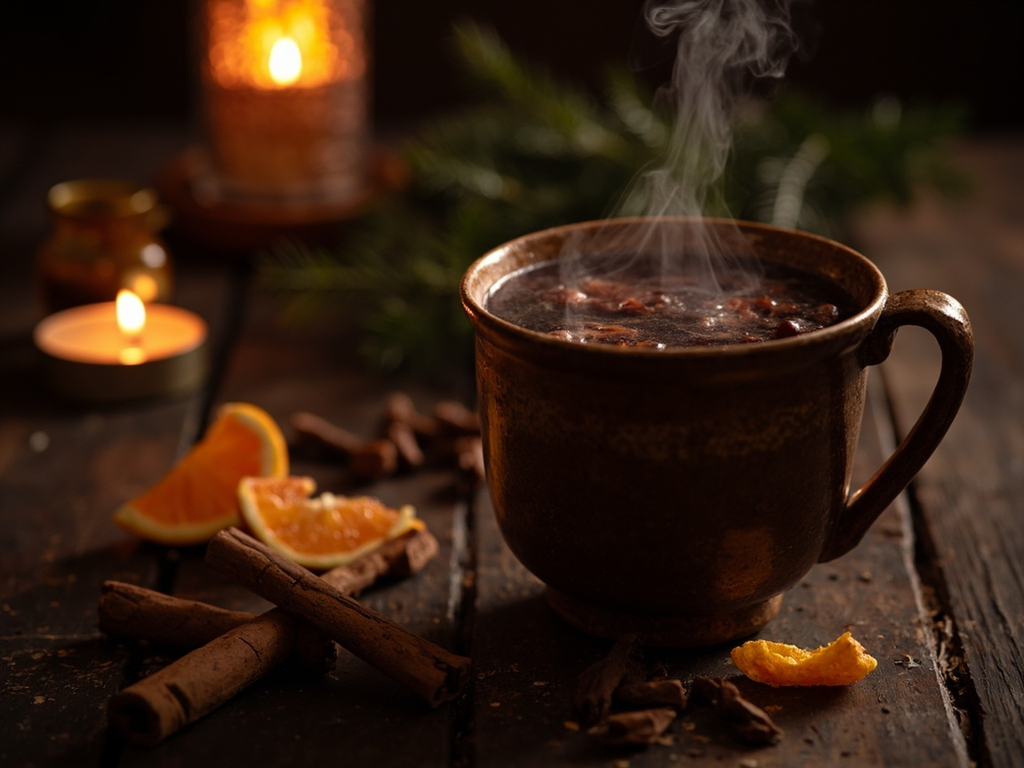
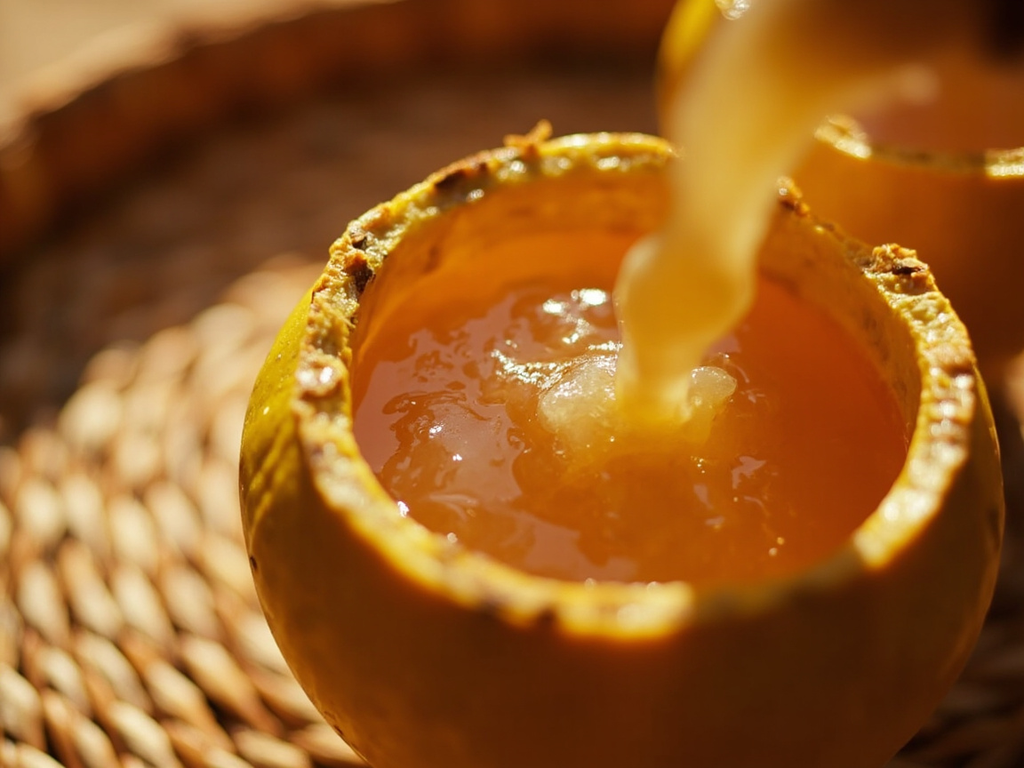
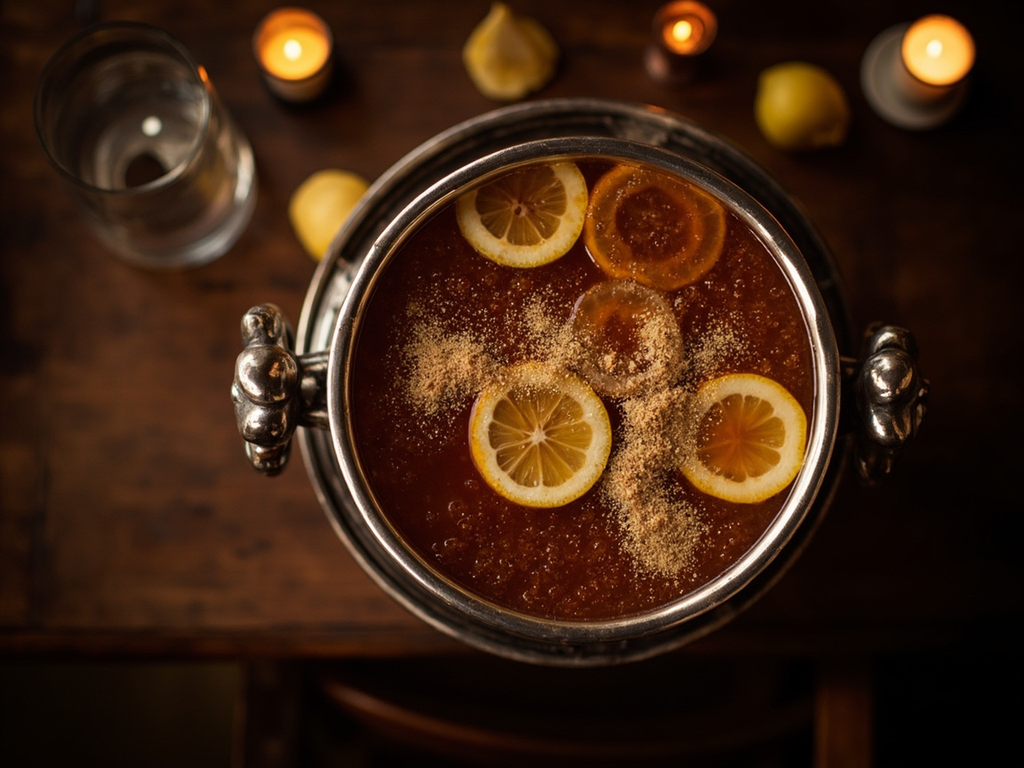
Fresh grape must slowly reduced to a dark, glossy syrup, both sweet and tart. A spoonful is stirred into a cup of fresh water for a refreshing non-alcoholic drink — or it is kept to glaze and sweeten dishes.
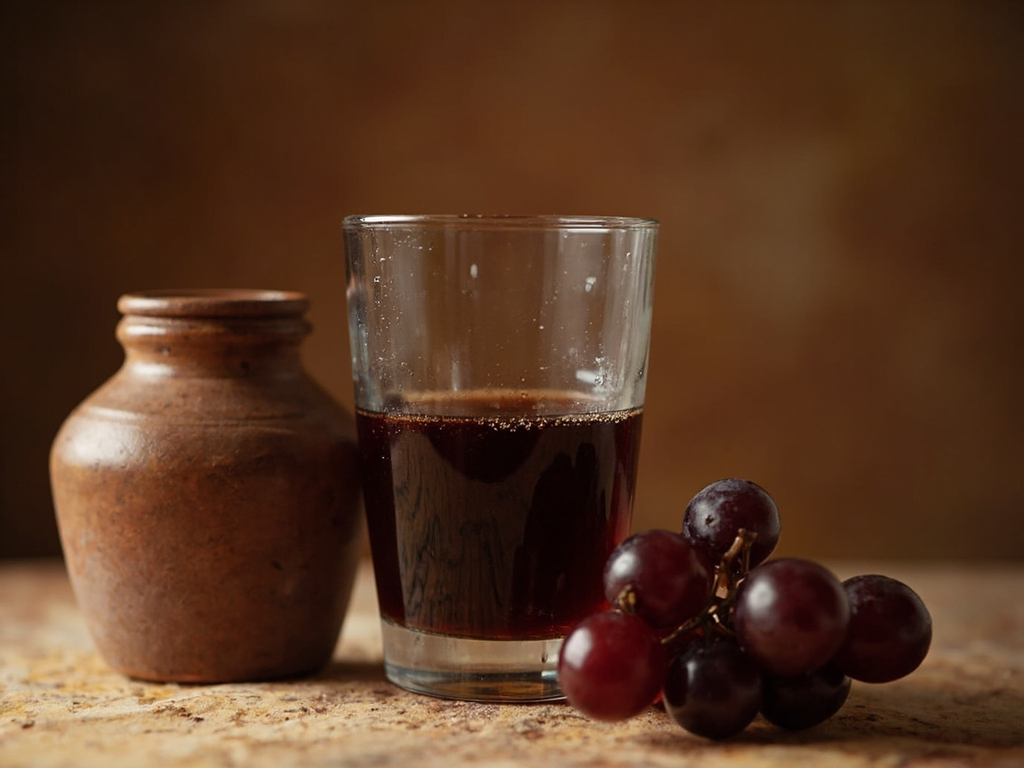
In autumn, when the grapes were pressed, I would keep a portion of the must and cook it for hours on the corner of the fire until it became thick and black like a painting's background. This *sapa*, I would seal it in an earthenware pot, and it would last me until spring. In the heat, a single spoonful stirred into well water, and there is a sweet, cool drink for those who want no wine. It is the art of housewives: to let nothing of the vintage go to waste, and to make from pressed juice a reserve of sweetness.
- •Fresh grape must (pressed grape juice) — a full cauldron (sole ingredient)
- •Fresh well water — for diluting (final drink)
Sapa Cut with Water (Grape Must Syrup Drink)
Fresh grape must slowly reduced to a dark, glossy syrup, both sweet and tart. A spoonful is stirred into a cup of fresh water for a refreshing non-alcoholic drink — or it is kept to glaze and sweeten dishes.
Why this dish? If wine cut with water was Artemisia's daily drink, *sapa* — grape must cooked down to a syrup — was the household sweetness, diluted with fresh water to quench thirst on hot Roman or Neapolitan days. An autumn reserve kept all winter.
In autumn, when the grapes were pressed, I would keep a portion of the must and cook it for hours on the corner of the fire until it became thick and black like a painting's background. This *sapa*, I would seal it in an earthenware pot, and it would last me until spring. In the heat, a single spoonful stirred into well water, and there is a sweet, cool drink for those who want no wine. It is the art of housewives: to let nothing of the vintage go to waste, and to make from pressed juice a reserve of sweetness.
Ingredients (period version)
- Fresh grape must (pressed grape juice) — a full cauldron (sole ingredient)
- Fresh well water — for diluting (final drink)
Ingredients
- Fresh grape juice (or pure unsweetened store-bought grape juice) — 1 liter (sole ingredient)
- Fresh water — as needed for serving (final drink)
Method
- Pour the grape juice into a wide saucepan and bring to a simmer.
- Reduce over low heat, uncovered, skimming occasionally, until about one quarter of the original volume remains (a dark brown, napping syrup) — allow 1.5 to 2 hours.
- Let cool: the syrup thickens further. Store in a clean jar in the fridge (keeps for several weeks).
- To drink: stir 1 to 2 spoonfuls of *sapa* into a large glass of fresh water, mix, and taste.
How it was made : *Sapa* (or *mosto cotto*) is a cooked must syrup attested since Roman antiquity (the *defrutum*/*sapa* of Pliny and Columella) and still alive in 17th-century Italy. Lacking costly cane sugar, it was the everyday sweetener: for drinking, sauces, and cakes. A way to preserve the sweetness of the vintage.
The contemporary twist : A few drops of *sapa* over a scoop of milk gelato or plain yogurt: the *vino cotto* of Italian grandmothers, snack version.
Sources : Pliny the Elder, Natural History, Book XIV · Columella, De re rustica, Book XII
Artemisia Gentileschi · Charactorium