Bürgerlicher Mittagstisch (the German bourgeois midday table)
In 19th-century Prussia and Hesse, the main meal was the Mittagessen, taken in the middle of the day. Among the bourgeoisie and wealthy bachelors like Schopenhauer, it was often eaten at the table d'hôte of a good restaurant: a soup or tangy starter, a Hauptgericht (main course) of meat with lacto-fermented vegetables or potatoes, all washed down with wine or cider, and finished with a sweet treat or coffee. Controlled abundance without ostentation was the ideal: you ate well, at length, and talked.
Signature : The seven herbs of Grüne Soße
Frankfurt's green sauce—borage, chervil, chives, watercress, parsley, salad burnet, and sorrel—is the living emblem of the city where Schopenhauer spent his last twenty-eight years. Its tangy freshness, mounted on curd cheese and cream, defines all of Hessian cuisine: straightforward, herbal, without heavy fat.
Arthur Schopenhauer at the table
1788 — 1860
5 period recipes
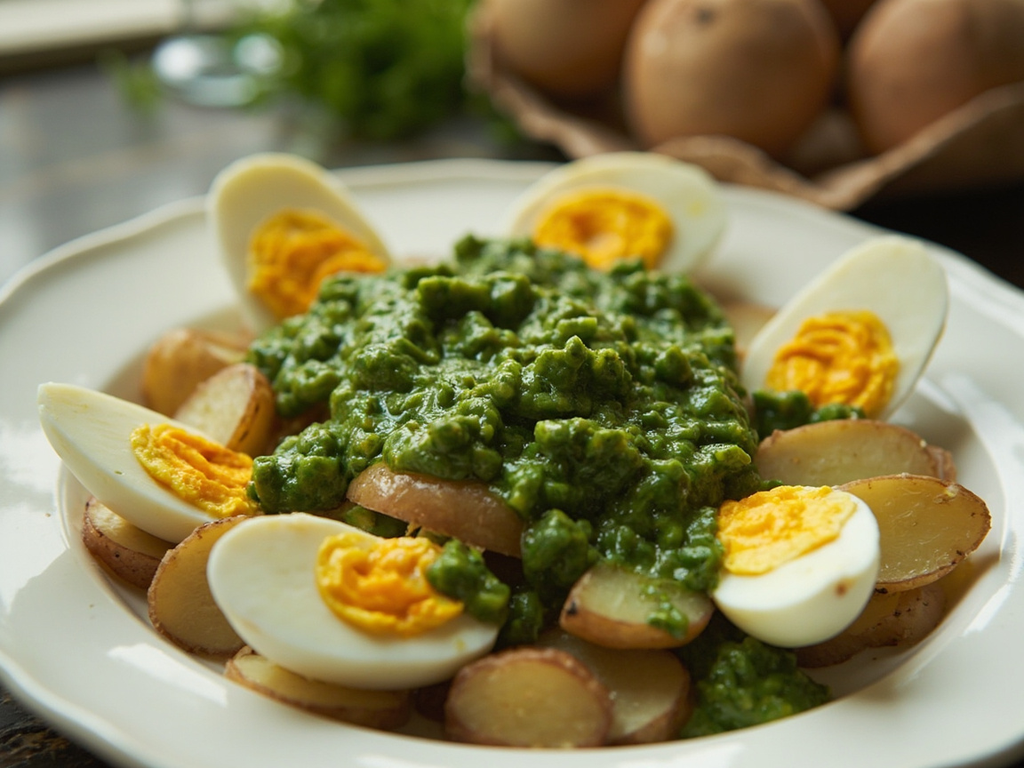 Everyday
Frankfurter Grüne Soße mit Kartoffeln und Eiern
Light main course of the Mittagstisch (main dish of the midday table)
🍋 🧂· 40 min
View the recipe
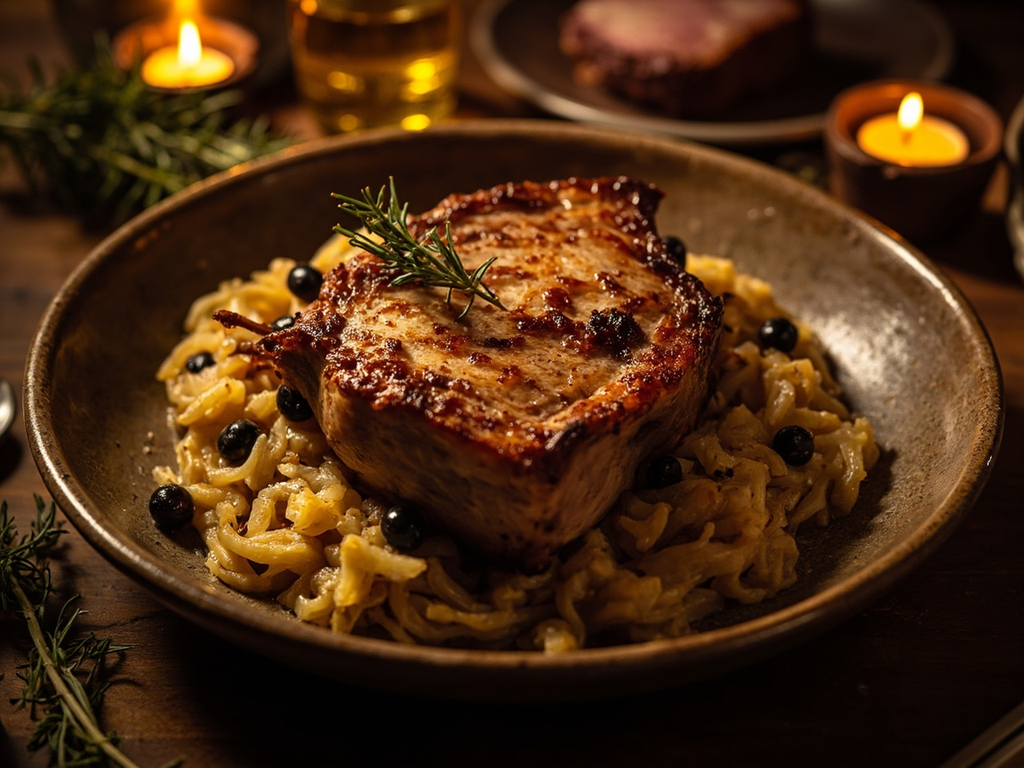 Festive
Rippchen mit Sauerkraut
Sunday main course (festive main dish at the table d'hôte)
🧂 🫙 🍄· 1 h 30
View the recipe
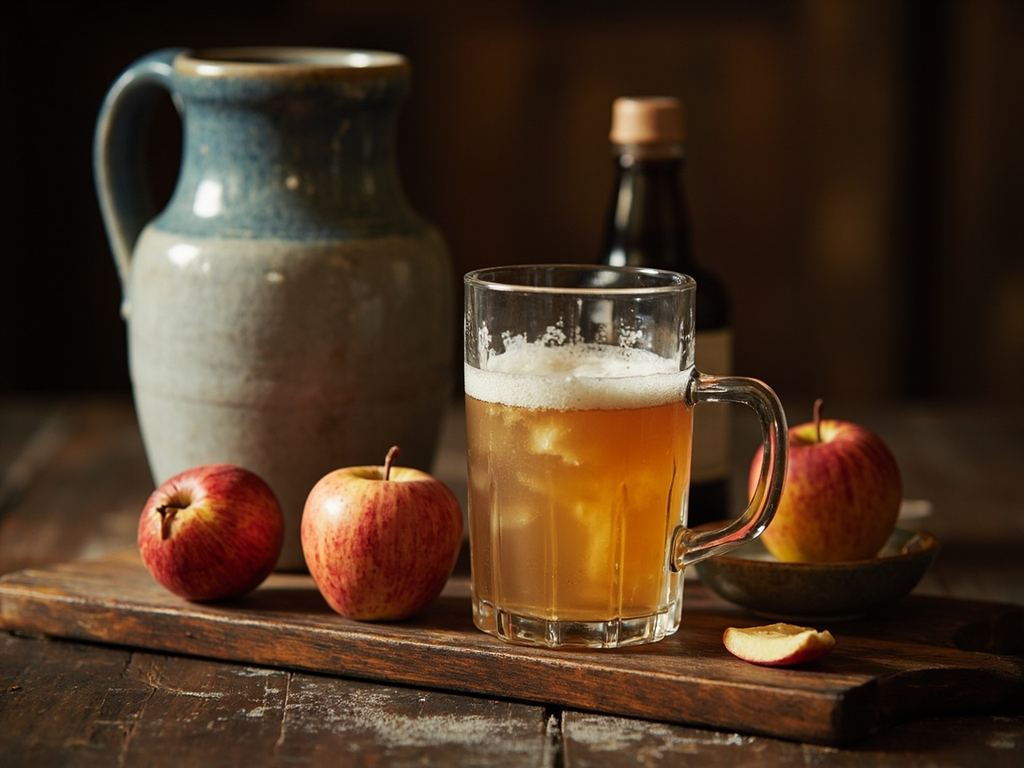 Drink
DrinkApfelwein (Ebbelwoi de Francfort)
Table beverage (drink served in a Bembel)
🍋 ☕· 30 min (+ 3 to 6 weeks fermentation)
View the recipe
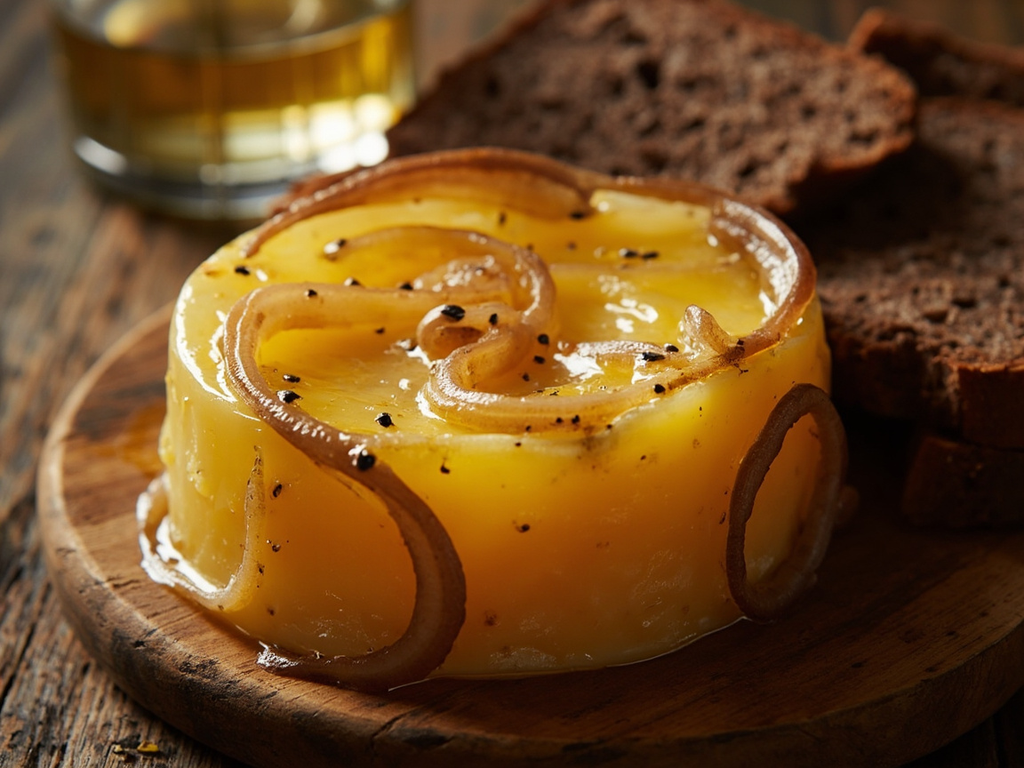 Street food
Handkäse mit Musik
Vesper / tavern snack (tangy evening bite)
🫙 🍋 🧂· 15 min (+ 1 to 2 h marinating)
View the recipe
 Preserving
Bethmännchen
Festive pastry (Frankfurt petit four for days of celebration)
🍯· 45 min (+ 1 h drying)
View the recipe