 flip
flipRippchen mit Sauerkraut
Rippchen mit Sauerkraut
Why this dish? Schopenhauer appreciated refined bourgeois cuisine and the sensual pleasure of good food as compensation for life's ills. Rippchen mit Kraut, a hearty Sunday dish from Hesse, is the kind of Hauptgericht served to him at a good Frankfurt establishment.
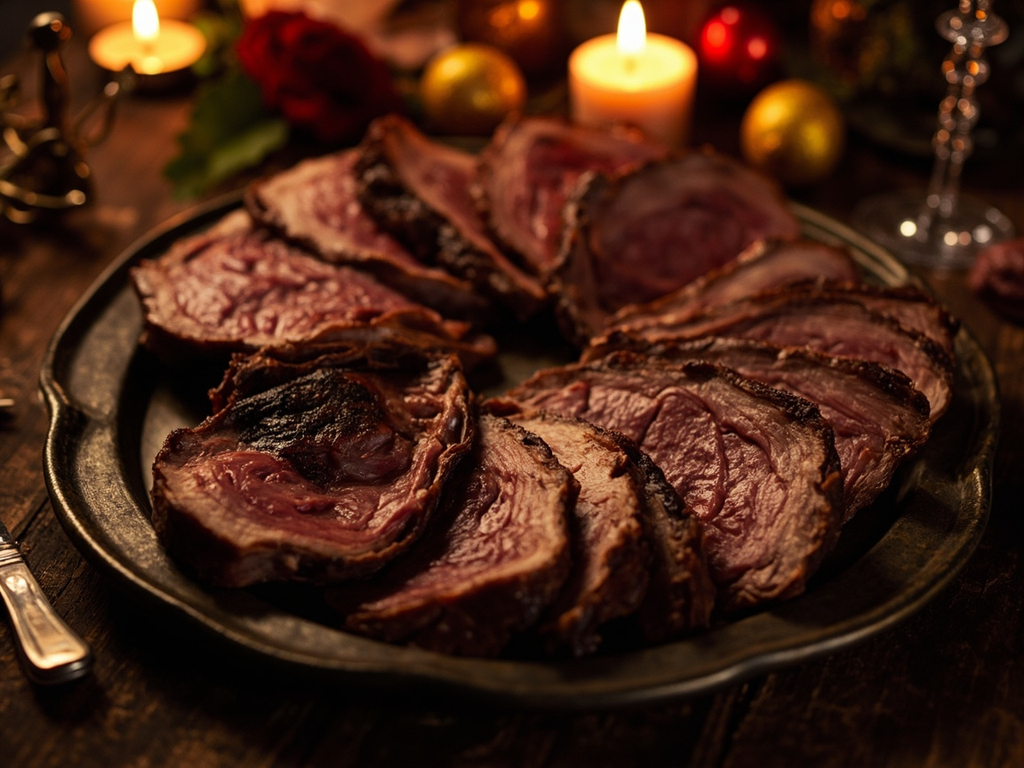
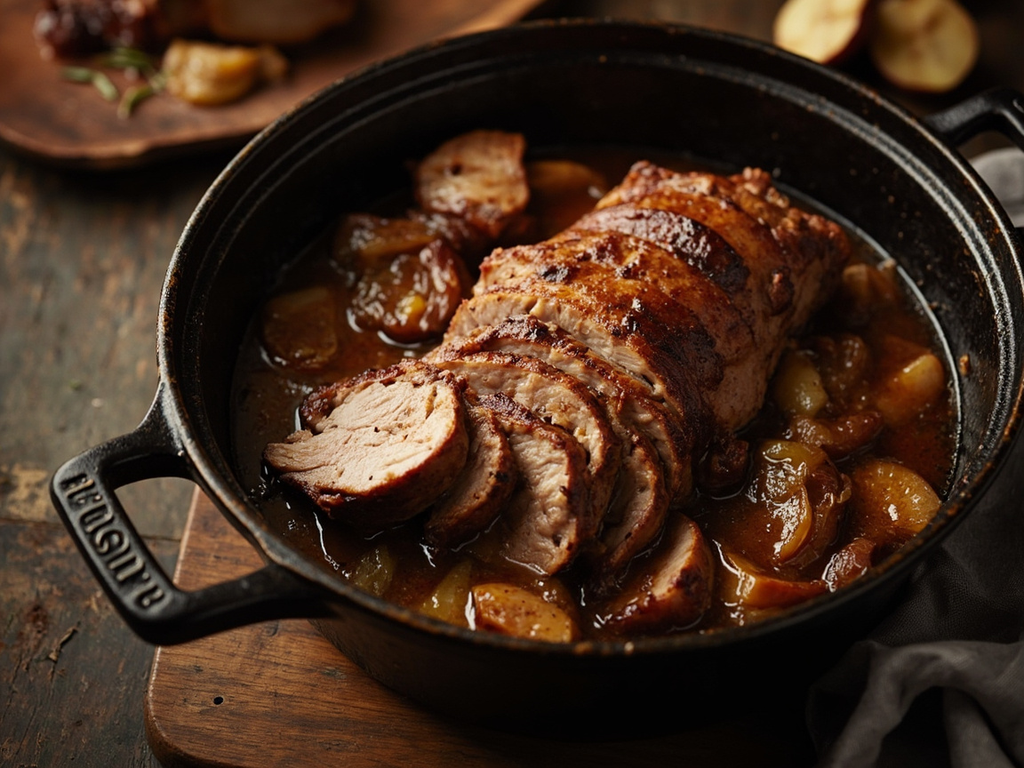
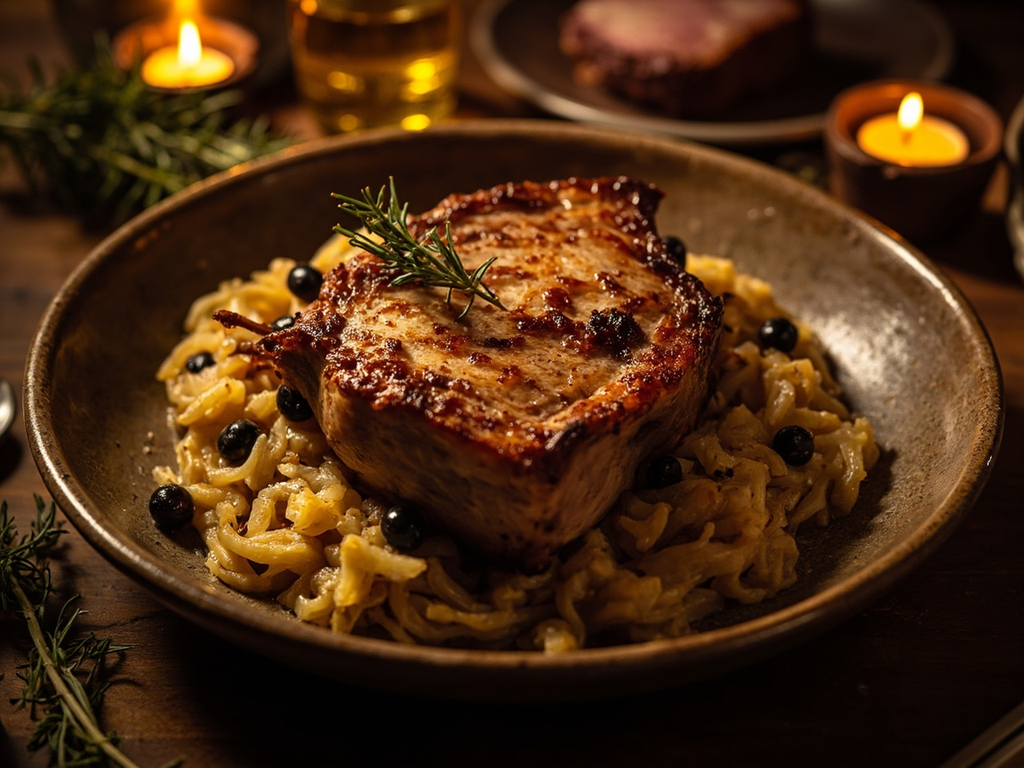
Cured and smoked pork ribs, gently poached, served on a bed of melting sauerkraut flavored with juniper and wine. The ultimate festive and comforting dish of Hessian bourgeoisie.
You see, the common man believes happiness lies in the future; the philosopher knows it is plucked in the moment, for instance before a plate of Rippchen on its bed of sauerkraut. The meat was salted and smoked for weeks, the cabbage patiently fermented in its brine—everything good requires time and patience, unlike the vanities of the age. Poach the rib without boiling, for the violence of fire hardens the flesh as stupidity hardens the soul. A glass of Rhine wine on top, and you will hold, for an hour at least, the world's boredom at bay.
- •Cured and lightly smoked pork ribs (Rippchen) — one per guest (centerpiece)
- •Raw sauerkraut — a large amount (fermented base)
- •Juniper berries, bay leaf, clove — a few (aromatics)
- •Onion, lard — as needed (cooking base)
- •White wine from the Rhine — a glass (deglazing and acidity)
Rippchen mit Sauerkraut
Cured and smoked pork ribs, gently poached, served on a bed of melting sauerkraut flavored with juniper and wine. The ultimate festive and comforting dish of Hessian bourgeoisie.
Why this dish? Schopenhauer appreciated refined bourgeois cuisine and the sensual pleasure of good food as compensation for life's ills. Rippchen mit Kraut, a hearty Sunday dish from Hesse, is the kind of Hauptgericht served to him at a good Frankfurt establishment.
You see, the common man believes happiness lies in the future; the philosopher knows it is plucked in the moment, for instance before a plate of Rippchen on its bed of sauerkraut. The meat was salted and smoked for weeks, the cabbage patiently fermented in its brine—everything good requires time and patience, unlike the vanities of the age. Poach the rib without boiling, for the violence of fire hardens the flesh as stupidity hardens the soul. A glass of Rhine wine on top, and you will hold, for an hour at least, the world's boredom at bay.
Ingredients (period version)
- Cured and lightly smoked pork ribs (Rippchen) — one per guest (centerpiece)
- Raw sauerkraut — a large amount (fermented base)
- Juniper berries, bay leaf, clove — a few (aromatics)
- Onion, lard — as needed (cooking base)
- White wine from the Rhine — a glass (deglazing and acidity)
Ingredients
- Smoked/cured pork shoulder or ribs — 4 pieces (meat)
- Raw sauerkraut — 1 kg (base)
- Onion — 1 large, sliced (aromatic base)
- Lard or butter — 30 g (fat)
- Dry white wine (riesling) — 200 ml (moisture)
- Juniper berries — 8 (flavor)
- Bay leaf — 2 leaves (aromatic)
- Broth — 200 ml (gentle cooking)
Method
- Rinse the sauerkraut if very sour, drain.
- Sauté the onion in lard, add sauerkraut, juniper, and bay leaf.
- Add wine and broth, cover, and simmer on very low heat for 1 hour.
- Place the Rippchen on top of the sauerkraut for the last 20 minutes: they should poach gently without boiling.
- Serve hot, with steamed potatoes or mashed potatoes, and a glass of Riesling.
How it was made : Pork was preserved by salting and smoking, the only reliable methods before modern refrigeration; sauerkraut, fermented in barrels from autumn, provided acidic vegetables all winter. The dish drew its richness from this double preservation, and Rhine wine flowed at the Frankfurt table d'hôte.
The contemporary twist : Plate the rib upright on a dome of sauerkraut, scatter a few crushed juniper berries and a dab of whole-grain mustard on the edge of the plate.
Sources : Traditional Hessian and Rhenish cuisine · 19th-century salting and lacto-fermentation practices
Arthur Schopenhauer · Charactorium