O almoço brasileiro (the Brazilian main lunch)
In 20th-century Brazil, the main meal is the midday almoço, built on an invariable foundation: white rice and beans (arroz e feijão), around which revolve a meat, a farofa (toasted manioc flour), and a salad. This foundation varies according to setting and occasion: frugal and dry in the sertão of the Northeast, overflowing and meaty at Sunday feijoadas, refined and Frenchified at elite receptions. Coffee (cafezinho) punctuates the day from morning to night, and doce (sweets) closes festive meals. Chateaubriand, born in the poor Paraíba and dead a magnate in São Paulo, traversed this entire scale, from dried charque in the sertão to diplomatic dinners.
Signature : Salting and drying meats (carne-de-sol, carne-seca)
A thread running through Brazilian cuisine and Chateaubriand's trajectory: lacking refrigeration, beef was preserved by covering it with coarse salt and letting it dry in the sertão wind. This salted meat feeds both the poor of the Northeast and the festive feijoada. It is the founding gesture linking the child of Umbuzeiro to the press baron.
Assis Chateaubriand at the table
1892 — 1968
4 period recipes
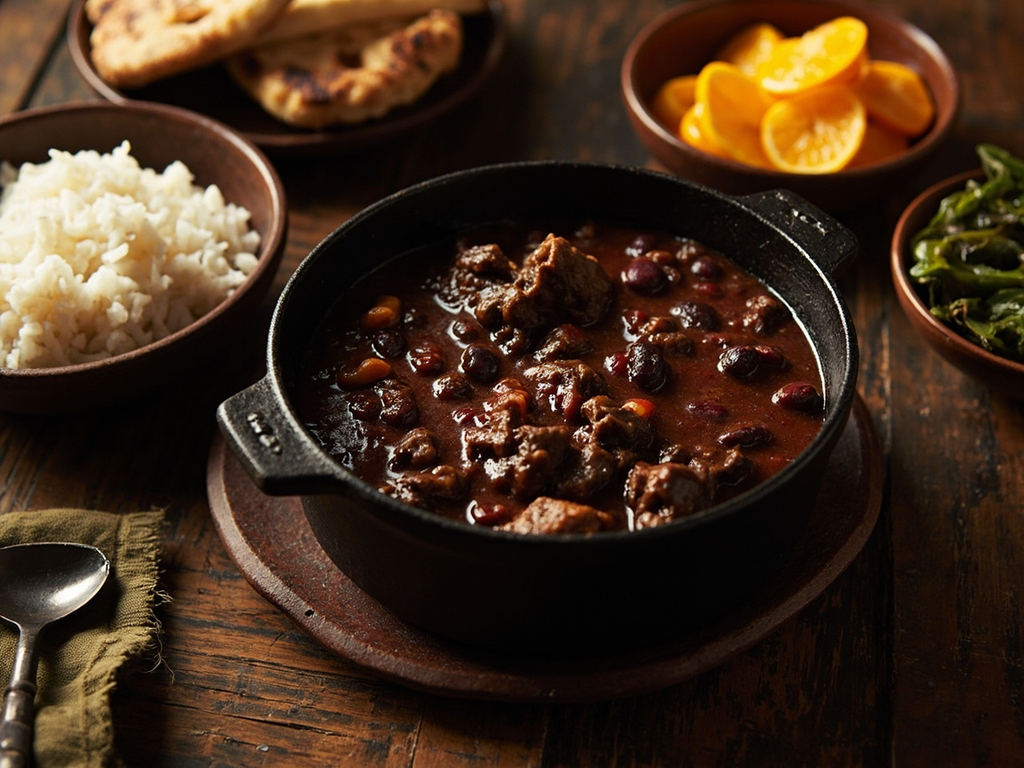 Festive
Feijoada completa
Almoço de festa (the grand Sunday lunch)
🧂 🍄 🫙· 3 h (+ overnight soaking)
View the recipe
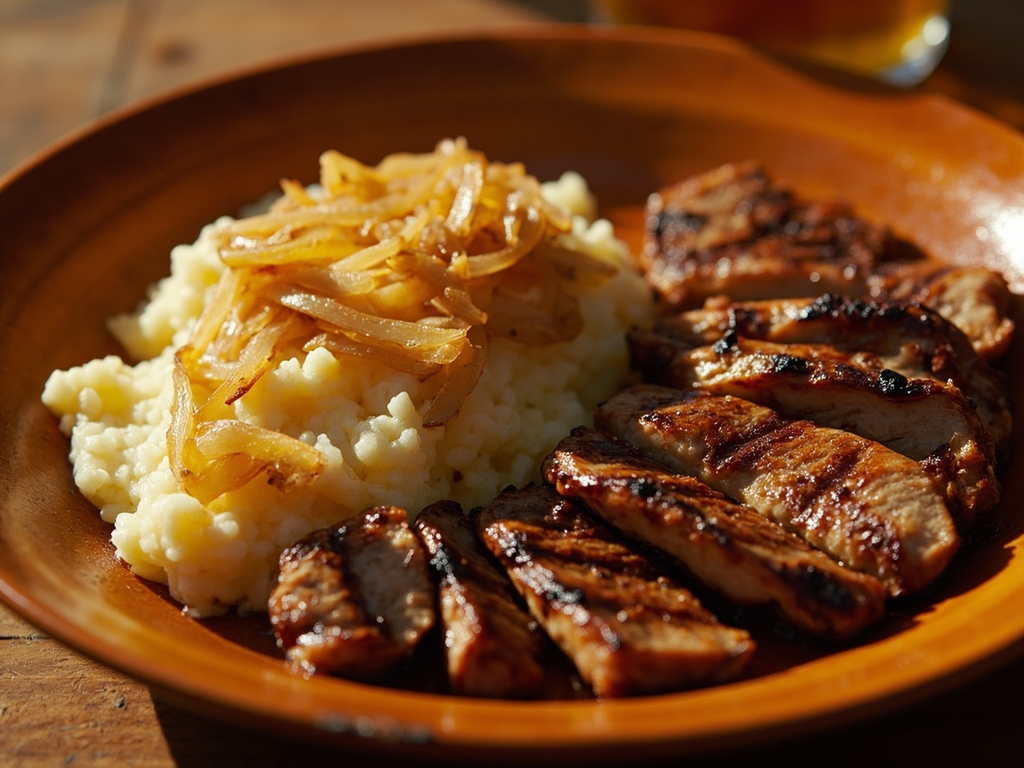 Preserving
Carne-de-sol com macaxeira na nata
Comida de sertão (the dry cuisine of the Northeast)
🧂 🍄· 1 h (+ desalting; +24 h if home salting)
View the recipe
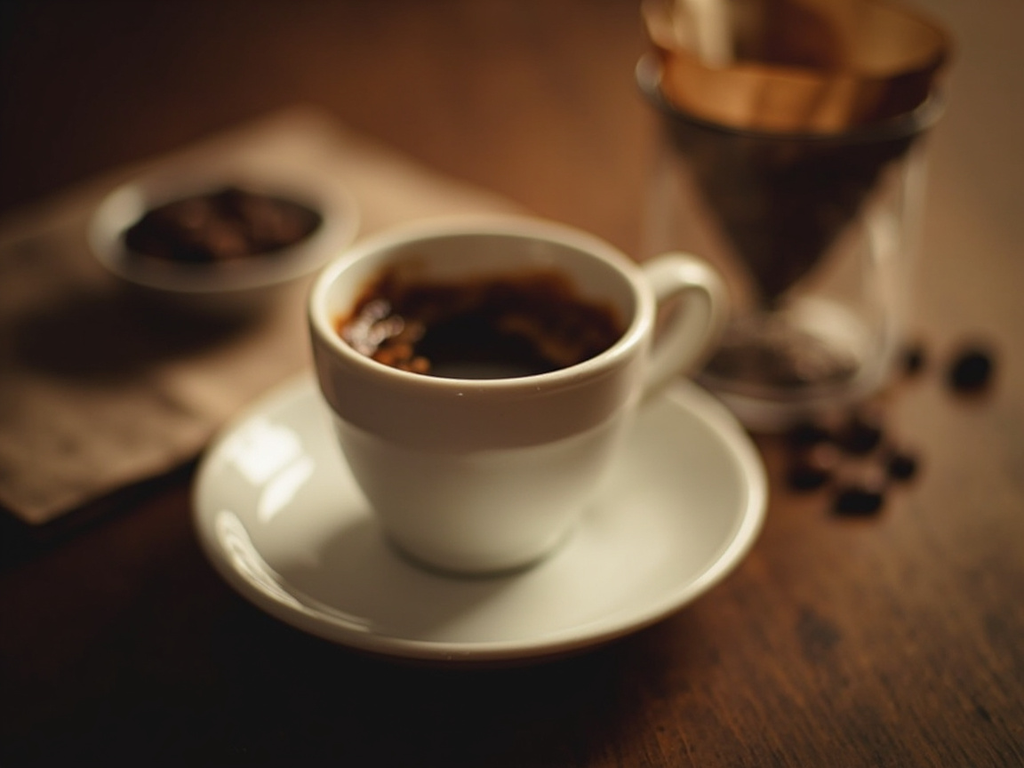 Drink
DrinkCafezinho
Café do dia (the Brazilian coffee ritual)
☕ 🍯· 10 min
View the recipe
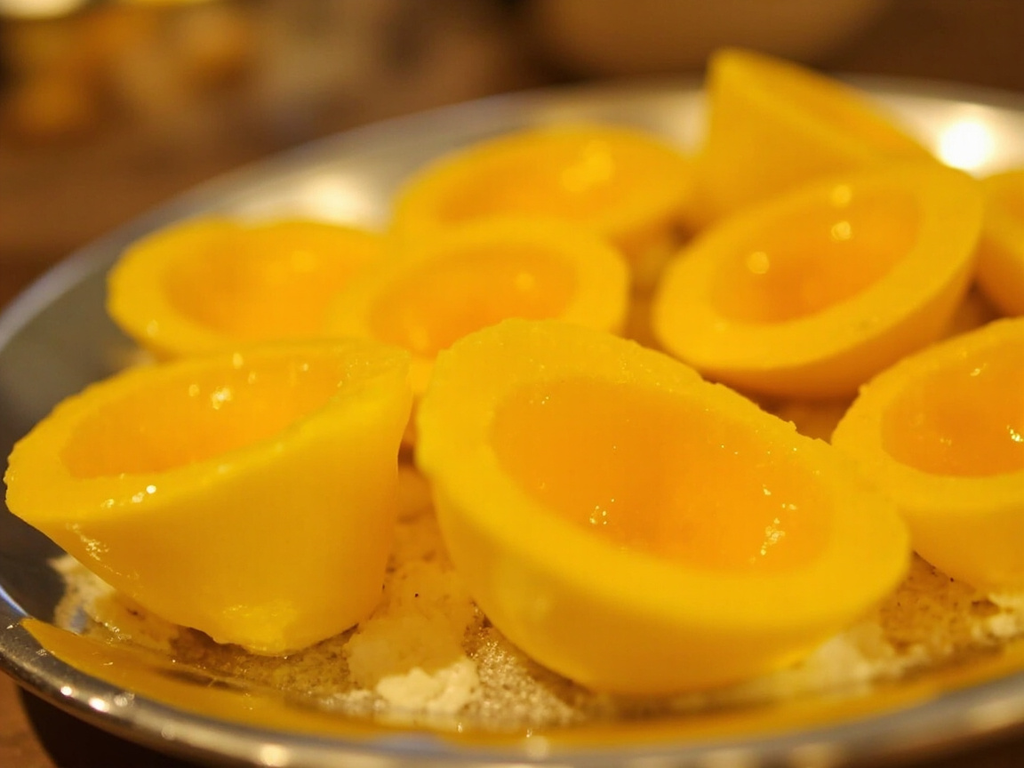 Festive
Quindim
Doce de festa (the Afro-Brazilian festive sweet)
🍯· 1 h
View the recipe