A mesa brasileira — from the prato do dia to Bahian cuisine
In Brazil, the meal is organized around an unchanging daily base: white rice and beans (arroz e feijão), accompanied by a green vegetable and a touch of farinha de mandioca. On top of this base are layered the festive dishes from Bahia, an Afro-Brazilian heritage rich in red palm oil and coconut milk, the street snacks sold in squares and on beaches, the cool drinks of tropical afternoons, and the preserved sweets of the June festivals. Astrud Gilberto, born in Salvador and raised between Rio and America, grew up with this structure, which she gradually lightened out of conviction for animal welfare.
Signature : Azeite de dendê (red palm oil)
This flamboyant orange oil, extracted from the African palm tree acclimated in Bahia, is the soul of Bahian cuisine. Brought by the African diaspora, it perfumes and colors dishes with a deep, earthy, inimitable flavor — the signature of Astrud's native region, Salvador de Bahia.
Astrud Gilberto at the table
1940 — 2023
5 period recipes
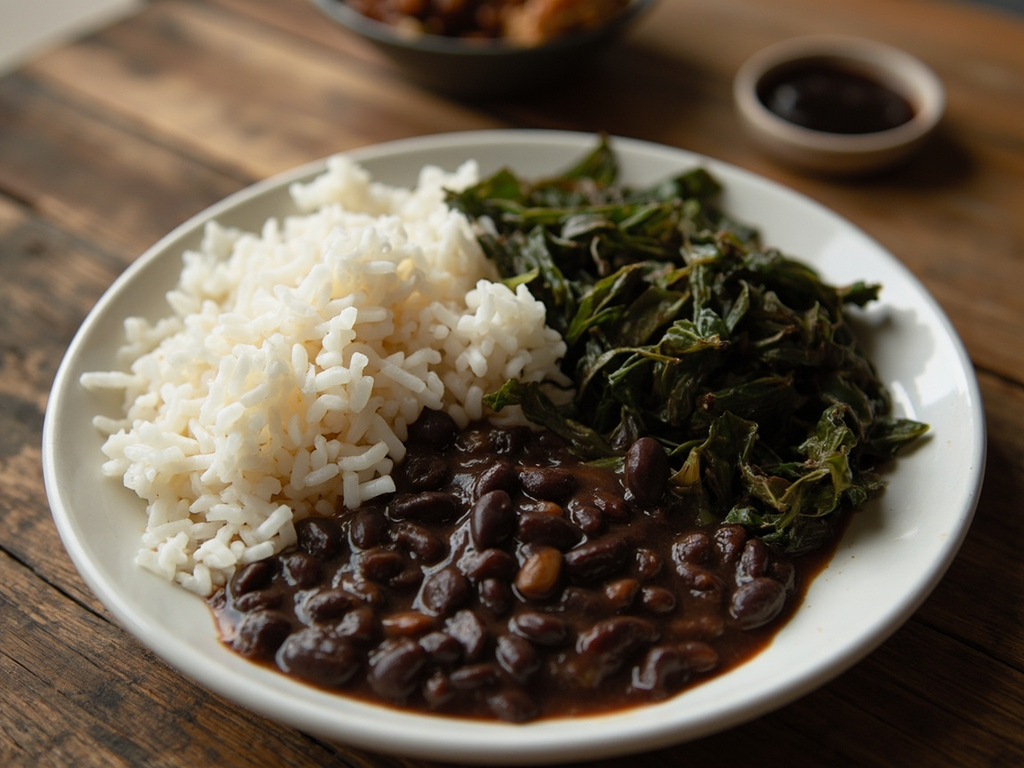 Everyday
Arroz, feijão e couve — the prato do dia
Prato do dia (daily plate, the rice-and-beans base of every Brazilian meal)
🧂 🍄· 1 h 45 (including bean cooking)
View the recipe
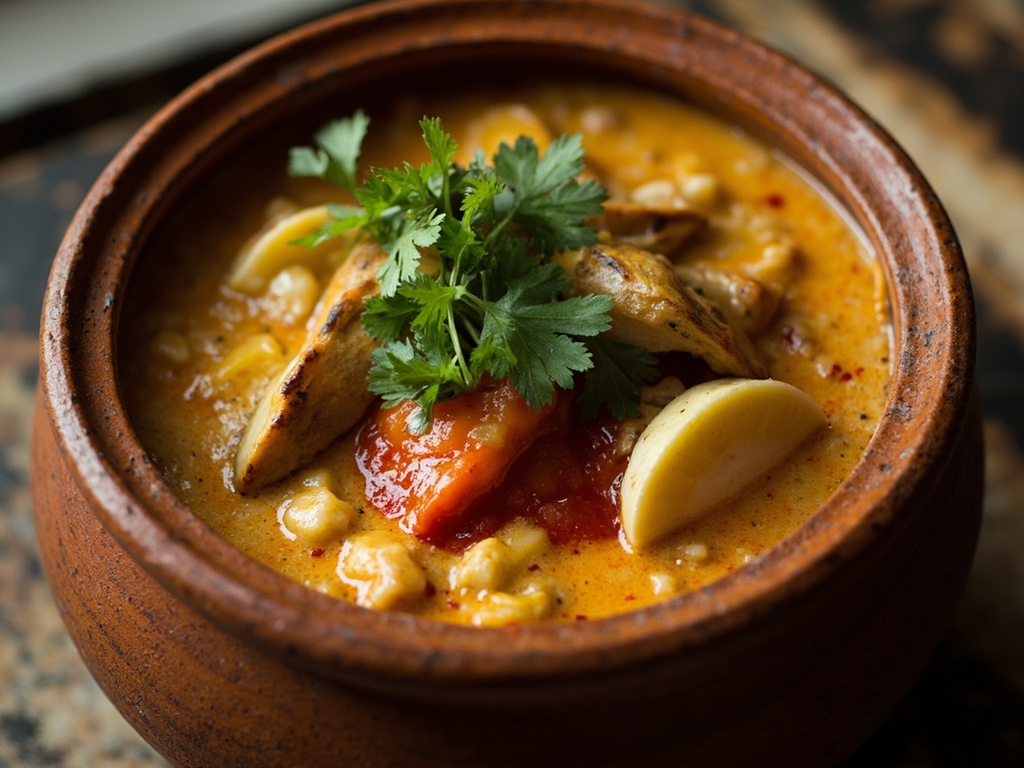 Festive
Moqueca de banana-da-terra e palmito — the fishless moqueca
Cozinha baiana (festive Afro-Brazilian cuisine from Bahia, to share in a large dish)
🧂 🍋 🍄· 45 min
View the recipe
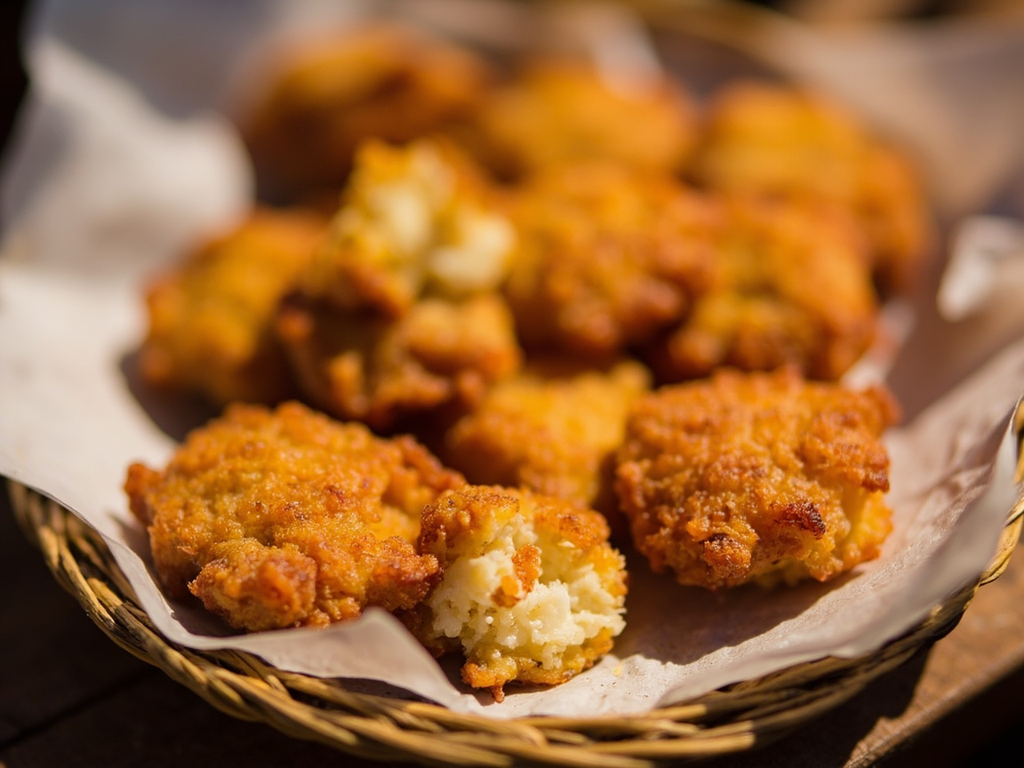 Street food
Acarajé — the little fritter from the beaches and squares of Salvador
Comida de rua / quitanda (street snack sold by the baianas do tabuleiro)
🧂 🍄· 40 min (plus soaking)
View the recipe
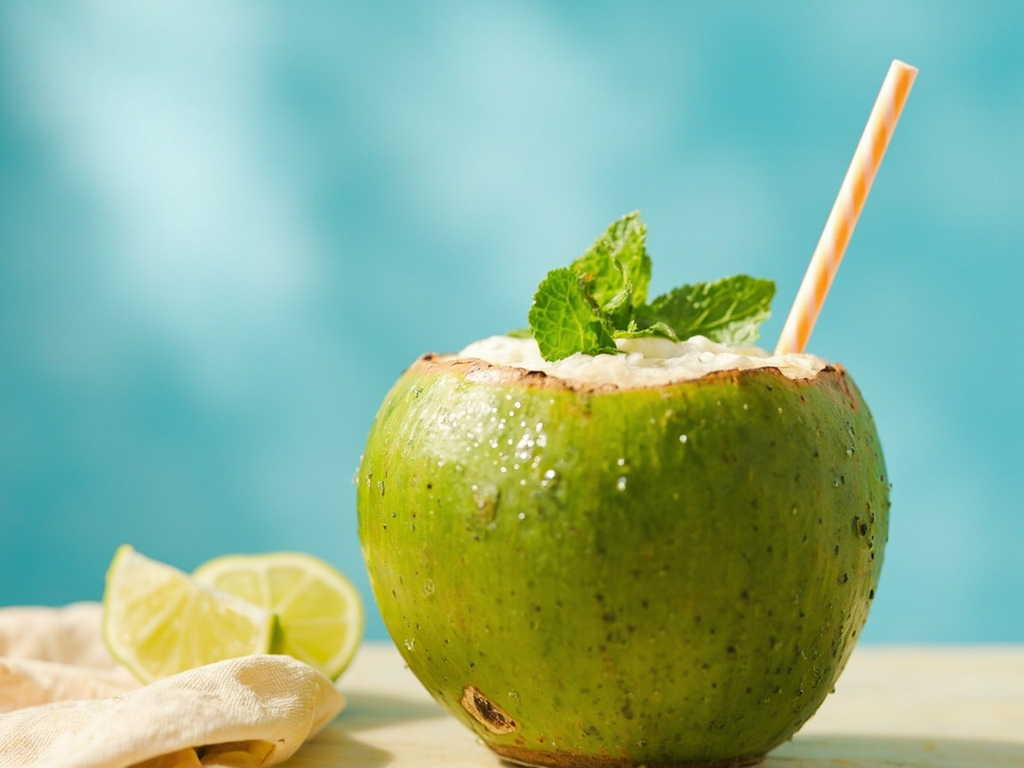 Drink
DrinkÁgua de coco com hortelã — the coconut water of Ipanema
Bebida da praia (refreshing beach drink, sipped through a straw)
🍯 🍋· 5 min
View the recipe
 Preserving
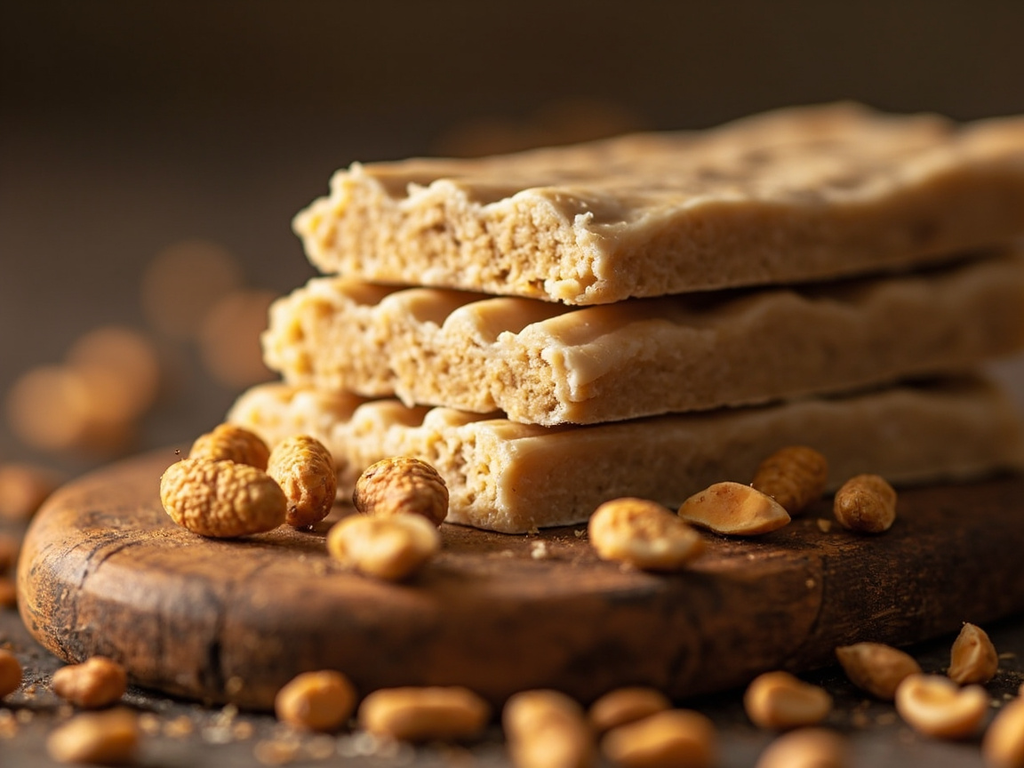
Paçoca de amendoim — the treat of the June festivals
Doce de festa junina (preserved confectionery of Saint John's festivities, keeps well and travels)
🍯· 20 min (+ 30 min resting)
View the recipe