 flip
flipAcarajé — the little fritter from the beaches and squares of Salvador
Acarajé — the little fritter from the beaches and squares of Salvador
Why this dish? In the squares and markets of Salvador, Astrud's hometown, the baianas dressed in white fry acarajés at all hours. This bean fritter in dendê oil is the very taste of Bahian streets, a madeleine for anyone who grew up there.
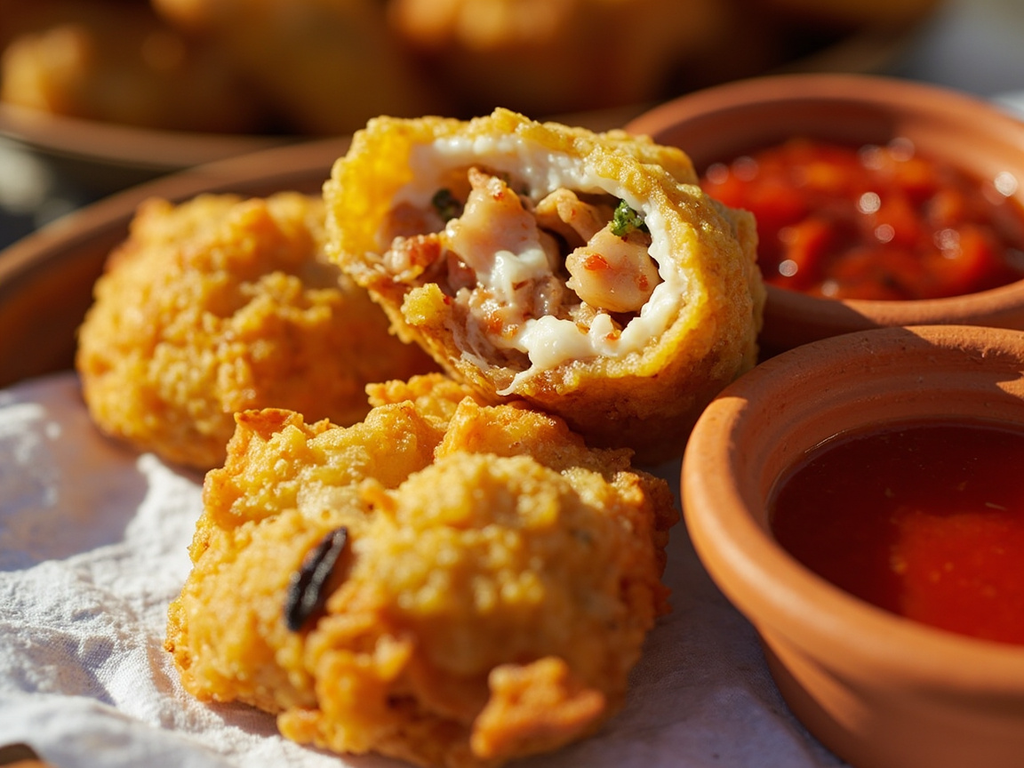
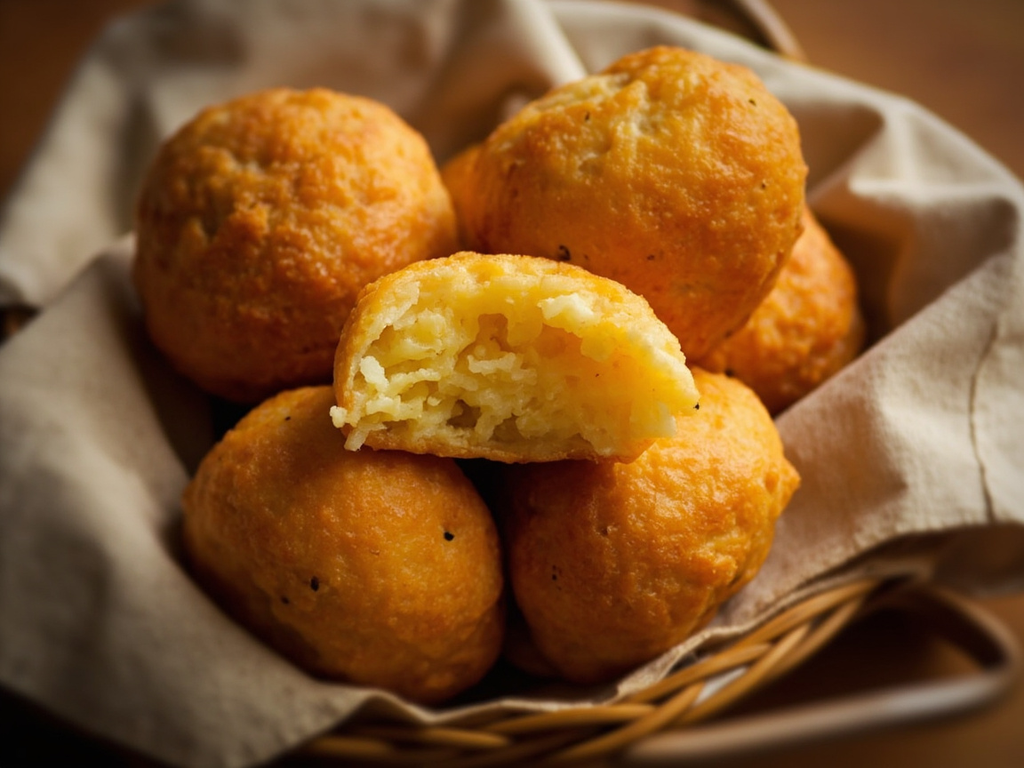
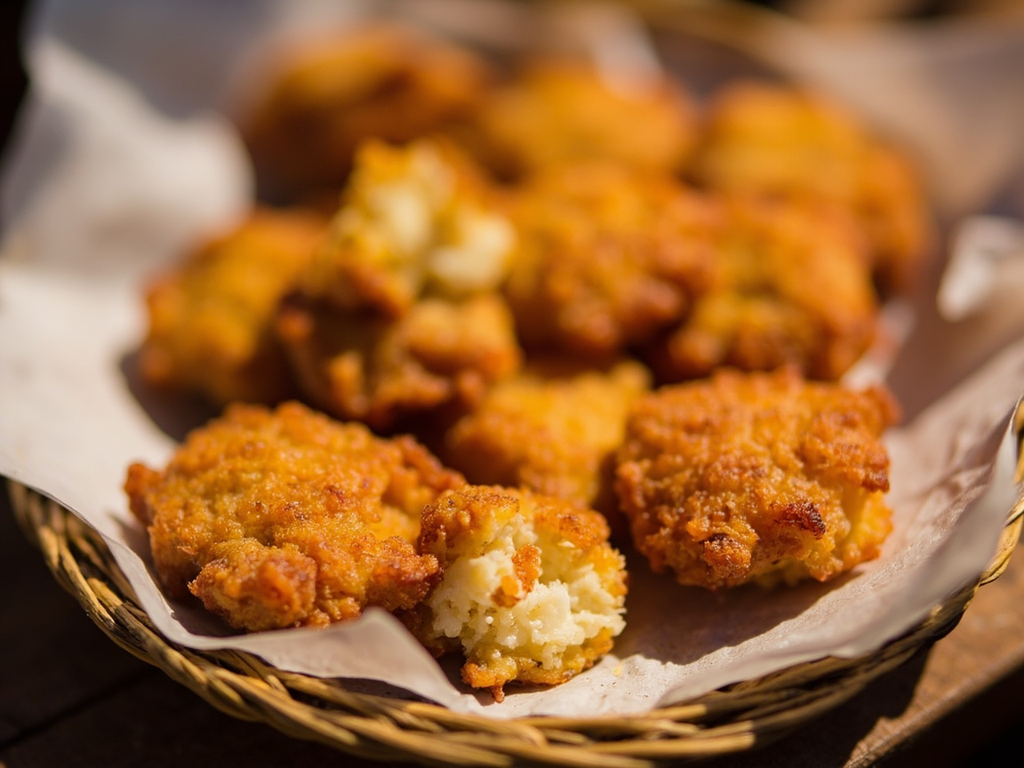
A golden, fluffy fritter made from a dough of black-eyed peas (feijão-fradinho) ground with onion, shaped into a quenelle, and fried in bubbling red palm oil. Crispy outside, tender inside, traditionally split and stuffed — here served simply, in a shrimp-free version.
When I was little, the smell of hot dendê in the square meant celebration. The baianas, all in white, would dip the bolinhos into the red oil and we would wait, our feet already dancing. We peel the fradinhos one by one, we crush them, we beat the batter until it becomes light as a cloud — that's the whole secret, the wrist must never stop. Eat it hot, my child, never cold.
- •Black-eyed peas (feijão-fradinho) — two bowls, soaked (fritter base)
- •Onion — one (aromatic ground into the dough)
- •Salt — a pinch (seasoning)
- •Dendê oil (red palm) — enough for frying (frying and signature)
Acarajé — the little fritter from the beaches and squares of Salvador
A golden, fluffy fritter made from a dough of black-eyed peas (feijão-fradinho) ground with onion, shaped into a quenelle, and fried in bubbling red palm oil. Crispy outside, tender inside, traditionally split and stuffed — here served simply, in a shrimp-free version.
Why this dish? In the squares and markets of Salvador, Astrud's hometown, the baianas dressed in white fry acarajés at all hours. This bean fritter in dendê oil is the very taste of Bahian streets, a madeleine for anyone who grew up there.
When I was little, the smell of hot dendê in the square meant celebration. The baianas, all in white, would dip the bolinhos into the red oil and we would wait, our feet already dancing. We peel the fradinhos one by one, we crush them, we beat the batter until it becomes light as a cloud — that's the whole secret, the wrist must never stop. Eat it hot, my child, never cold.
Ingredients (period version)
- Black-eyed peas (feijão-fradinho) — two bowls, soaked (fritter base)
- Onion — one (aromatic ground into the dough)
- Salt — a pinch (seasoning)
- Dendê oil (red palm) — enough for frying (frying and signature)
Ingredients
- Dried black-eyed peas (cowpeas) — 300 g, soaked 8 h (base)
- Onion — 1 small (aromatic)
- Salt — 1 tsp (seasoning)
- Dendê oil (red palm) — 500 ml for frying (frying, signature)
Method
- After soaking, rub the beans between your hands to loosen the skins; rinse thoroughly with water and discard the skins (they float and can be removed with the water).
- Blend the peeled beans with the onion and salt into a thick, smooth paste without adding water.
- Beat the paste vigorously with a spoon (or whisk) for several minutes to aerate: it should become lighter and frothy.
- Heat the dendê oil. Form quenelles with two spoons and gently drop them into the hot oil.
- Fry until golden and puffed, turning halfway, then drain.
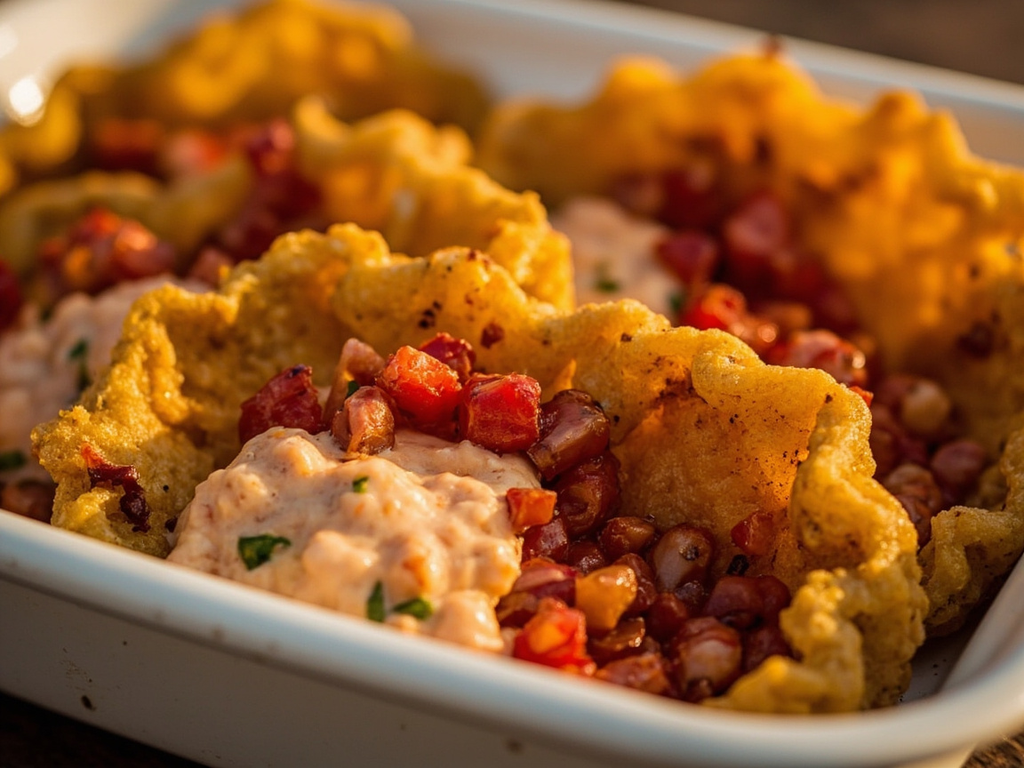
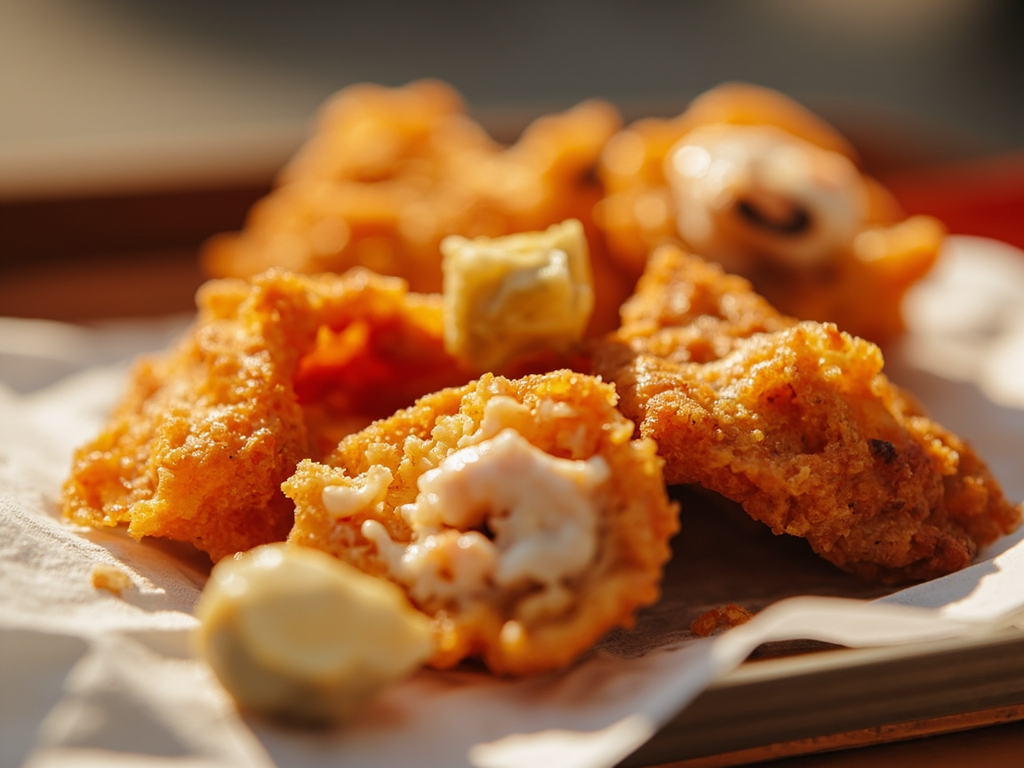
- Serve piping hot, optionally split and filled with a mild spicy puree.
How it was made : Acarajé is a direct heritage from West Africa (cousin of the Yoruba àkàrà), brought to Bahia by African women. It is linked to the worship of orixás in Candomblé, where it is an offering to Iansã — so it is presented here respectfully, as a street food, without reproducing the ritual gesture. The baianas do acarajé are recognized as an intangible cultural heritage of Brazil.
The contemporary twist : A 'mini' version as appetizer bites, served with a mild tomato-cilantro dipping sauce for younger ones.
Sources : Luís da Câmara Cascudo, História da Alimentação no Brasil · IPHAN, dossier 'Ofício das Baianas de Acarajé' (2005)
Astrud Gilberto · Charactorium