 Flip the card
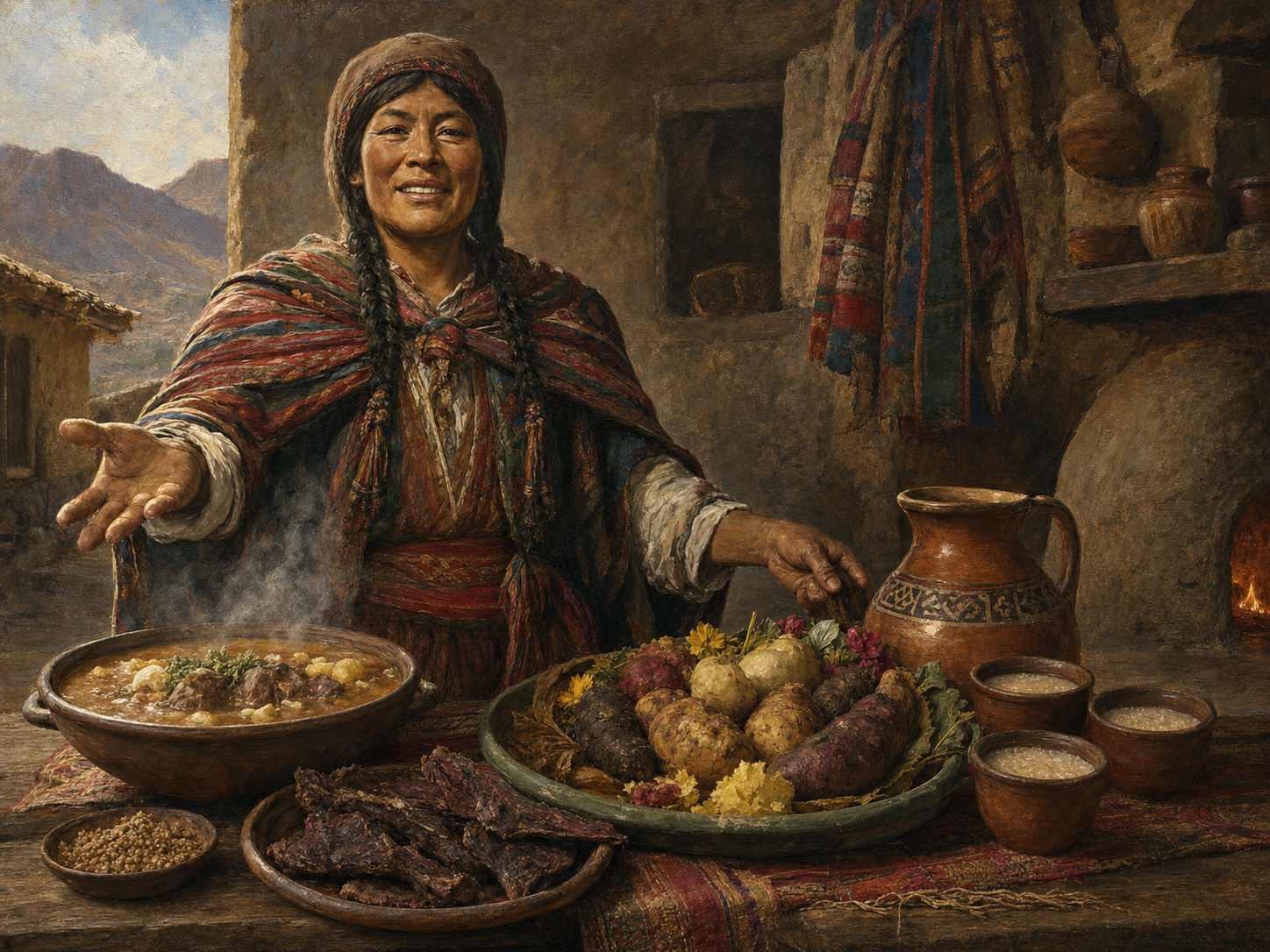
Bartolina Sisa at the table
1750 — 1782
On the menu
Apthapi (sharing on the awayu)
Among the Aymara of the Altiplano, individual plates with separate starter-main course-dessert are not served: everyone brings what they have and places it on large woven cloths (awayu, manta) spread on the ground. Dried tubers, toasted grains, dried meat, and herbs form a communal feast eaten by hand. The meal is organized around cold and altitude: foods freeze-dried by the night frost, grains that stick to the body, and the constant chewing of coca leaves (akulli) that punctuates the workday like the siege.
Signature : Chuño (freeze-dried Andean potato)
Cornerstone of Aymara cuisine: the bitter potatoes of the Altiplano are frozen at night, trampled by foot during the day to expel water, then dried in the freezing sun. Chuño keeps for years — it feeds villages in winter and troops during a siege. It appears in almost all of Bartolina's dishes.
click to flip back
Bartolina Sisa at the table
1750 — 1782
5 period recipes
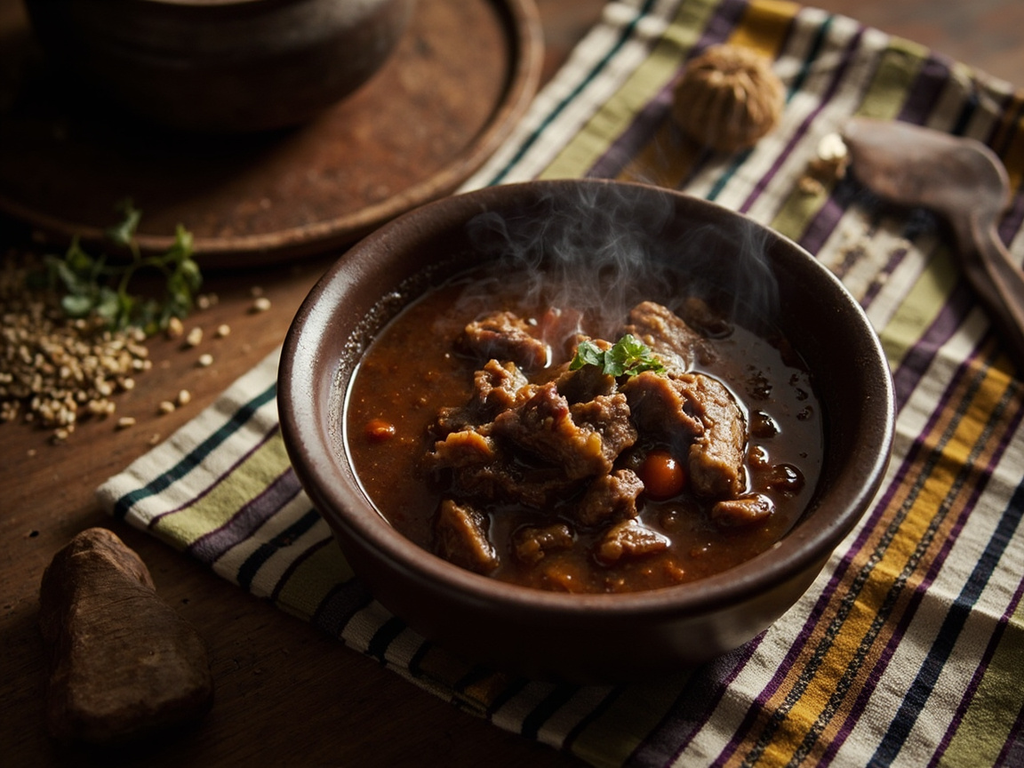 Everyday
Chairo, chuño and charqui soup
Base dish of the daily apthapi (hearty soup of the day)
🧂 🍄· 1 h (plus soaking)
View the recipe
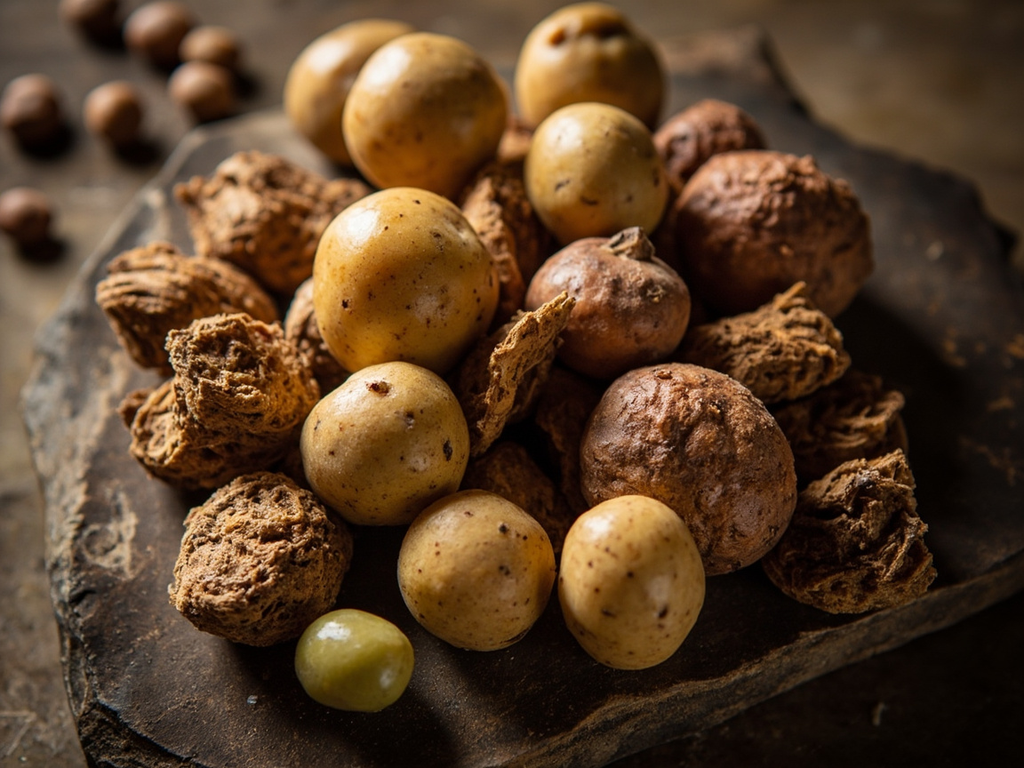 Offering
Watia, tubers baked in an earth oven (offering to Pachamama)
Shared earth dish — homage to Mother Earth during apthapi
🧂 🍄· 1 h
View the recipe
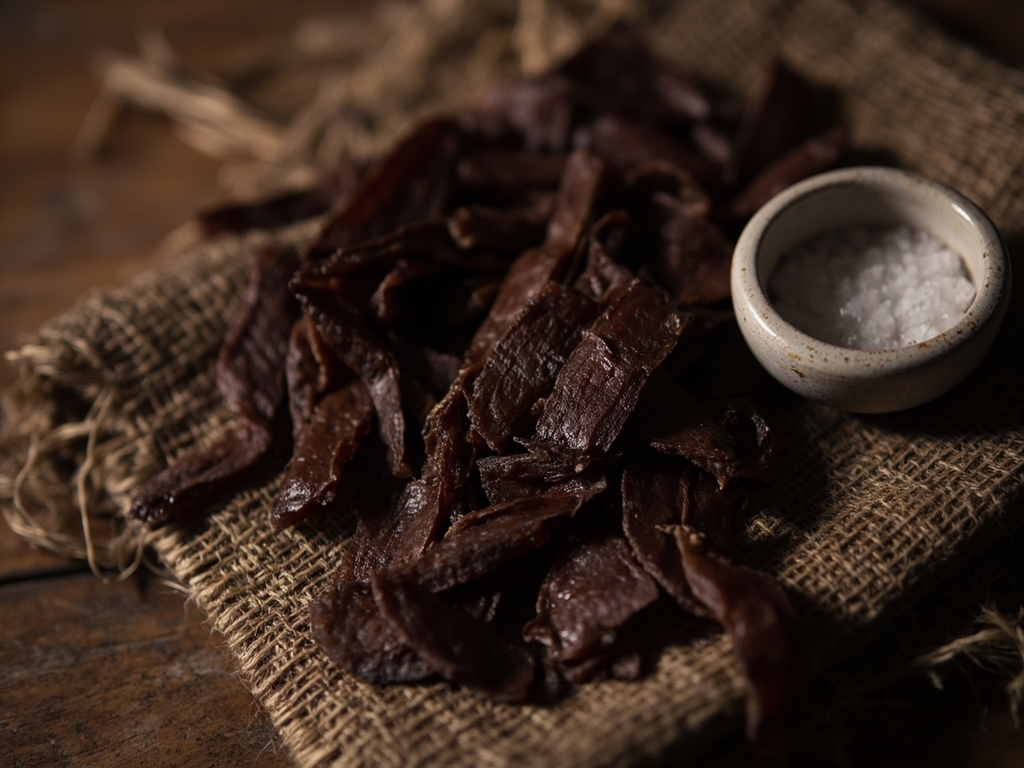 Preserving
Llama charqui, dried meat for travel and siege
Awayu provision — the reserve you carry and share
🧂 🍄· 12 h salting + 5 h drying
View the recipe
 Drink
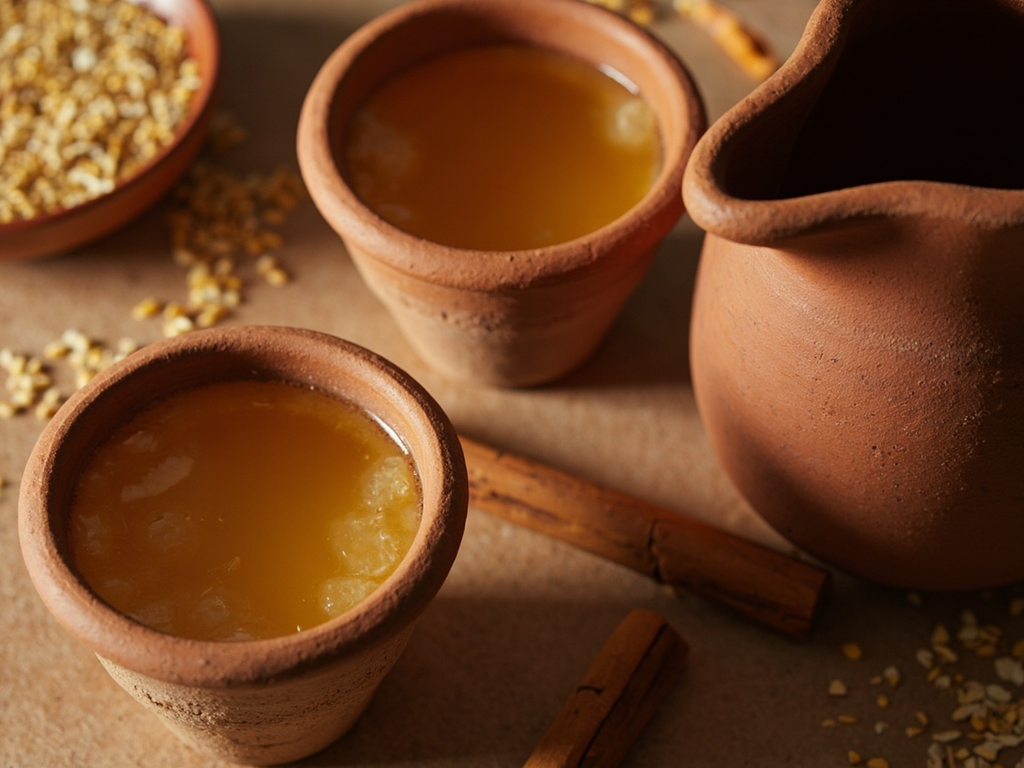
DrinkQuinoa chicha, fermented drink of sharing
Apthapi and assembly drink — what is poured before drinking
🍋 🫙· 45 min (+ 1-2 days if fermenting)
View the recipe
 Remedy
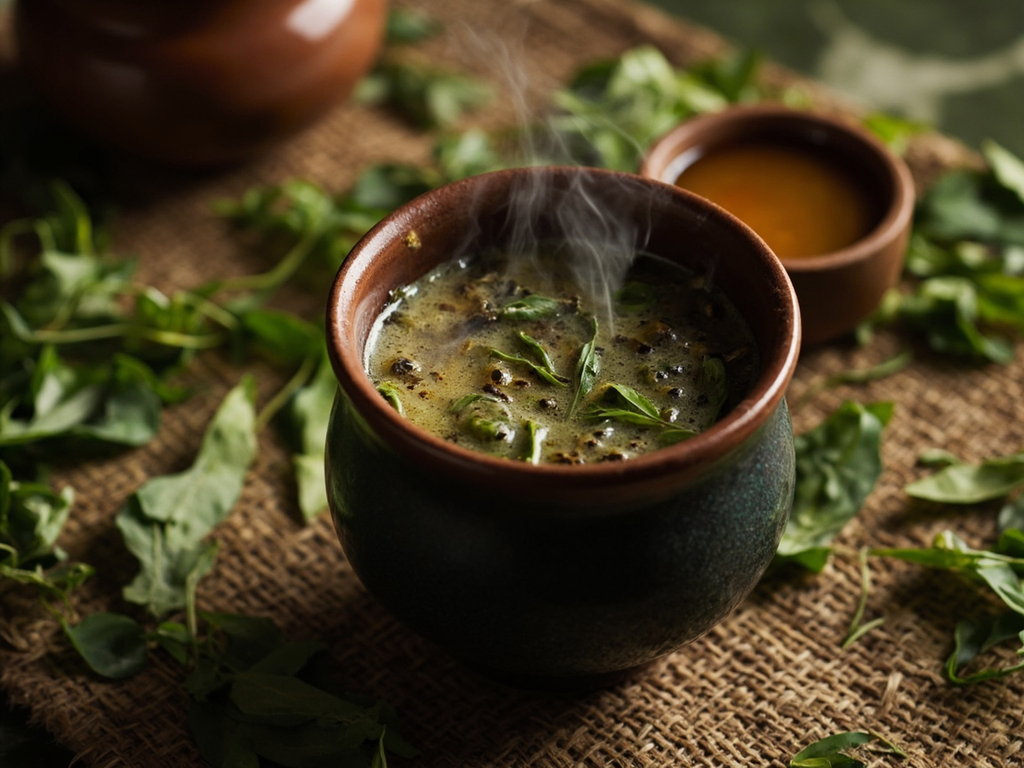
Coca and muña tea, infusion of breath and altitude
Liquid akulli — the warm remedy that accompanies effort and vigil
☕· 10 min
View the recipe