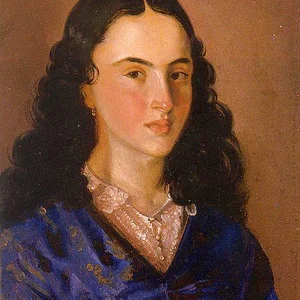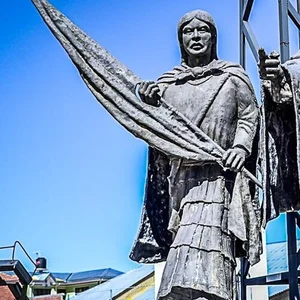

Bartolina Sisa is a heroic figure of the Aymara people and wife of Túpac Katari. Around 1781–1782, she co-led the siege of La Paz against Spanish colonial forces. Captured, she was executed by the Spanish in 1782 and is today revered as a symbol of indigenous resistance in Bolivia.
Bartolina Sisa(1750 — 1782)
Bartolina Sisa
vice-royauté du Pérou
9 min read
Frequently asked questions
Key Facts
- c. 1750: Bartolina Sisa is born among the Aymara people in Upper Peru (present-day Bolivia) — date passed down through oral tradition
- 1781: alongside her husband Túpac Katari, she co-organizes and leads the siege of La Paz against Spanish colonial authorities
- January–October 1781: the siege lasts several months and mobilizes tens of thousands of Aymara people
- July 1781: captured by the Spanish, she is imprisoned and tortured
- September 5, 1782: publicly executed by the colonial authorities in La Paz
Works & Achievements
Bartolina Sisa co-commanded with Túpac Katari a 109-day siege of the colonial city of La Paz, mobilizing up to 40,000 Aymara fighters. It stands as one of the largest Indigenous uprisings in the history of colonial America.
Bartolina Sisa built a network of women responsible for supplying troops, gathering intelligence, and relaying messages between the various fronts of the rebellion — a strategically vital role long underestimated by historians.
Following her husband's execution, Bartolina Sisa continued to embody Aymara resistance from her prison cell, refusing to give up information about the insurgent networks despite pressure from Spanish authorities.
The National Federation of Indigenous Peasant Women of Bolivia 'Bartolina Sisa' was founded in her honor, becoming one of the most influential Indigenous women's organizations in Latin America.
September 5th, the date of her execution, was adopted as the International Day of Indigenous Women at the 2nd Congress of CONAIE, establishing Bartolina Sisa as an international reference figure for Indigenous feminism.
Anecdotes
Bartolina Sisa was no mere supporting figure: she personally commanded troops during the siege of La Paz in 1781, organizing supply lines and coordinating the movements of Aymara fighters from the heights of the Altiplano. Spanish colonial chronicles note with astonishment a woman directing thousands of men in battle.
Captured by the Spanish in January 1782, Bartolina Sisa was paraded through the streets of La Paz wearing a crown of thorns and symbols of indigenous royalty, intended to humiliate the insurgents. Far from breaking the resistance, this procession led the Aymara people to remember her as a martyr and a queen.
Bartolina Sisa and her husband Túpac Katari formed an exceptional command partnership: he led troops to the north of La Paz while she held the southern front with her own contingents. This tactical division allowed the uprising to maintain a months-long blockade of the colonial city.
On September 5, 1782, Bartolina Sisa was executed under particularly brutal conditions designed to terrorize the indigenous population. But this colonial brutality had the opposite effect: her name became a rallying cry for Bolivian indigenous movements, and September 5 is today the International Day of Indigenous Women.
According to Aymara oral tradition, Bartolina Sisa wore her community's traditional clothing during battle — the pollera and hat — and refused to disguise herself or conceal her indigenous identity. This deliberate choice of visibility made her a living symbol of cultural pride as much as a military leader.
Primary Sources
The elders of Aymara communities in La Paz have passed down for generations the memory of 'Kurusa Wara' (the Star of the Cross), the nickname given to Bartolina Sisa, who commanded the troops with a wisdom said to have been granted to her by the spirits of the Pachamama.
The witness statements confirm that the said Bartolina, wife of Julián Apaza alias Túpac Catari, exercised effective command over numerous bands of Indigenous insurgents in the hills surrounding the city of La Paz.
Governor Segurola describes in his reports the double threat posed by the insurgent couple: Katari to the north, and 'his wife who governs the Indians of the south,' whose military effectiveness proved formidable throughout the 109-day siege.
The jailli (songs of victory and remembrance) evoke Bartolina as 'the mother who fed the fire of the rebellion,' linking her sacrifice to that of the Pachamama herself.
The Viceroy reports that following the capture and execution of Bartolina Sisa, the female ringleader of the insurgents, the final collapse of the Aymara uprising was expected, as her influence over the native population was considered of the utmost significance.
Key Places
The presumed birthplace of Bartolina Sisa, in the Aroma Province on the Bolivian Altiplano. This region is where her Aymara community and the networks that would make the uprising possible were deeply rooted.
From these heights overlooking the colonial city of La Paz, Bartolina Sisa commanded her military front during the double siege of 1781. This terrain gave her a decisive tactical advantage over the Spanish defenders below.
It was on this central square of La Paz that Bartolina Sisa was paraded in chains and publicly executed on September 5, 1782. This place of martyrdom has become a site of remembrance for Bolivia's indigenous movements.
The vast Andean plateau surrounding Lake Titicaca formed the cultural and political homeland of the Aymara peoples. Across this immense territory, the insurgents' networks of resistance and communication spread and operated.
It was at Peñas, not far from La Paz, that Túpac Katari was captured and drawn and quartered in November 1781. Bartolina Sisa, still a prisoner, learned of her husband's death before her own execution a few months later.
Typical Objects
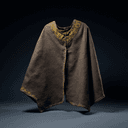
The traditional Aymara dress with layered wide skirts and colorful shawl made up Bartolina's everyday outfit. She refused to abandon it even in battle, turning her clothing into an act of identity resistance.

The chuspa is a small woven bag used to carry coca leaves, which are essential in Aymara culture for rituals, coping with altitude, and trade. Bartolina's family were coca merchants.
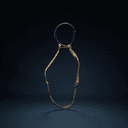
The sling, an ancestral weapon of the Andes, was one of the primary weapons used by Aymara fighters during the siege of La Paz. Both women and men used it to hurl stones at Spanish forces from the heights.

The checkered multicolored flag representing the Andean peoples was the banner under which the troops of Bartolina Sisa and Túpac Katari fought. It is today an official flag of the Plurinational State of Bolivia.

Before battles, offerings were made to Pachamama (Mother Earth) to ask for protection and victory. As a leader, Bartolina presided over these rituals, which spiritually united the fighters.

Bartolina and her husband used their coca leaf trading network as cover to organize the resistance, pass messages, and fund the uprising across the Altiplano.
School Curriculum
Vocabulary & Tags
Key Vocabulary
Tags
Daily Life
Morning
Bartolina rises before dawn in the cold of the Altiplano (3,600 m altitude), offers a brief prayer to Pachamama, and chews coca leaves to combat the altitude and cold. She oversees the organization of women's contingents responsible for supplying food and water before the fighters take their positions.
Afternoon
She travels on foot or by llama along the positions of her southern front, exchanging information with sector leaders in the Aymara language. She leads the assemblies (ayllus) where collective decisions are made according to Andean community tradition, and relays orders coordinated with Túpac Katari's northern front.
Evening
In the evening, at the bivouac on the heights overlooking La Paz, Bartolina presides over collective offering rituals to Pachamama to ask for protection and victory. She listens to scouts' reports and plans the next day's movements by the light of campfires, also watching over the wounded cared for by the women of the community.
Food
The staple diet is that of the Altiplano: chuño (potatoes freeze-dried using the Andean frost), quinoa and kiwicha porridge, dried llama meat (charqui), Andean aromatic herbs, and coca leaves chewed continuously to endure the altitude and physical exertion. During the siege, food grows scarce and the resistance suffers the same shortages as the besieged city.
Clothing
Bartolina wears traditional Aymara clothing in her daily life: a pollera (a full, multi-layered skirt) in brightly colored llama wool, a manta (square shawl) pinned across the chest, and a flat-brimmed hat. Her feet are shod in leather sandals (ushutas) suited to the rocky terrain of the Altiplano.
Housing
During the siege, Bartolina lives in field shelters on the ridges surrounding La Paz — tents made of llama wool or makeshift dry-stone huts. In ordinary times, Aymara dwellings are low adobe houses (sun-dried mud brick) with thatched roofs, organized around a shared communal space (ayllu).
Historical Timeline
Period Vocabulary
Visual Style
Style épique mêlant l'iconographie textile aymara traditionnelle (wiphala, couleurs vives des tisserandes) à la peinture murale latino-américaine, avec une femme indigène fière sur fond d'Altiplano dramatique.
Sound Ambience
Ambiance de l'Altiplano bolivien pendant le siège : vents andins, tambours de guerre aymaras, pututos cérémoniels et rumeur des camps insurgés sur les hauteurs entourant La Paz coloniale.
Liens externes & ressources
Références
Œuvres
Co-direction du siège de La Paz (1781)
Mars — Octobre 1781
Organisation du réseau de résistance féminin aymara
1780-1782
Maintien de la résistance après la capture de Túpac Katari
Novembre 1781 — Janvier 1782
Héritage : création de la Fédération Bartolina Sisa
1980
Héritage : Journée internationale de la femme indigène
1983