 flip
flipCoca and muña tea, infusion of breath and altitude
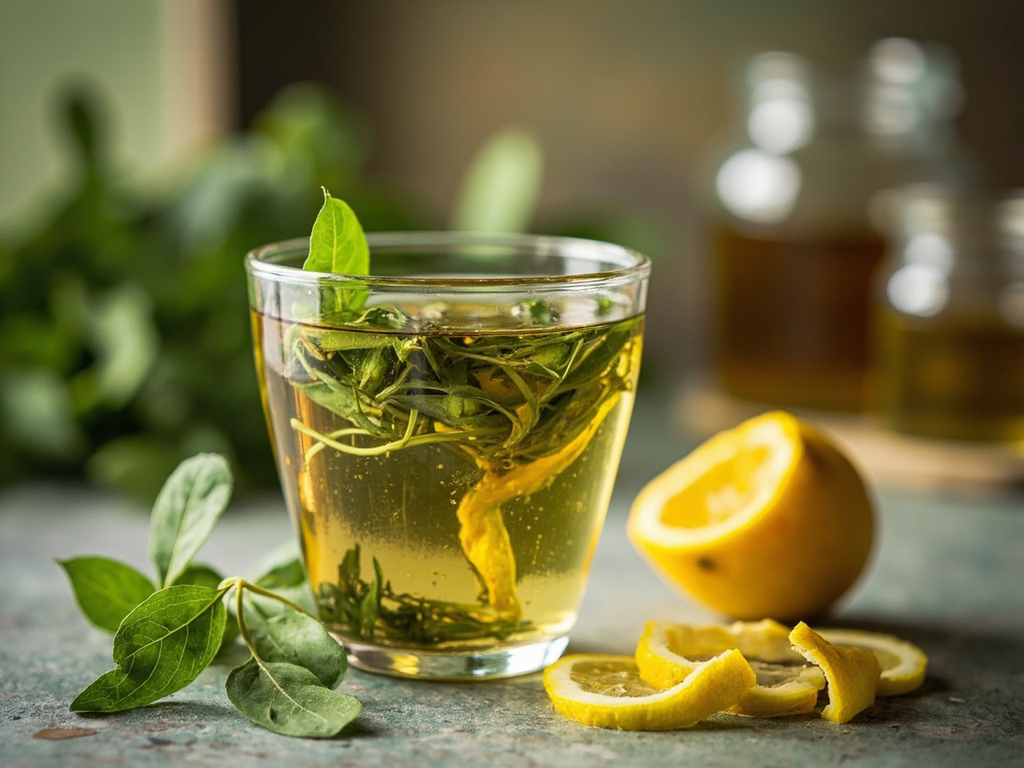
Coca and muña tea, infusion of breath and altitude
Why this dish? The coca leaf is everywhere in Bartolina's life: it is chewed constantly against cold, hunger, and altitude (the akulli), and her household even keeps a ledger of coca trade. As an infusion, it is the evening remedy, for altitude sickness and the fatigue of long siege vigils.
A warm, slightly bitter and herbal infusion that warms and relieves shortness of breath at altitude. The most intimate daily gesture of Andean culture — presented here in a respectful and adapted version.
The sacred leaf is not a whim: it keeps me standing when the air grows thin and hunger gnaws. By day, I keep it as a ball in my cheek, the akulli; in the evening, I let it steep in hot water with the muña from the hills. It calms the stomach, warms the chest, and clears the head for long vigils. Before each council, I offer a few leaves to the Earth — one never takes without giving back.
- •Coca leaves — a small handful (medicinal plant, bitterness)
- •Muña (Andean mint) — a few sprigs (digestion, flavor)
- •Hot spring water — a bowl (infusion)
Coca and muña tea, infusion of breath and altitude
A warm, slightly bitter and herbal infusion that warms and relieves shortness of breath at altitude. The most intimate daily gesture of Andean culture — presented here in a respectful and adapted version.
Why this dish? The coca leaf is everywhere in Bartolina's life: it is chewed constantly against cold, hunger, and altitude (the akulli), and her household even keeps a ledger of coca trade. As an infusion, it is the evening remedy, for altitude sickness and the fatigue of long siege vigils.
The sacred leaf is not a whim: it keeps me standing when the air grows thin and hunger gnaws. By day, I keep it as a ball in my cheek, the akulli; in the evening, I let it steep in hot water with the muña from the hills. It calms the stomach, warms the chest, and clears the head for long vigils. Before each council, I offer a few leaves to the Earth — one never takes without giving back.
Ingredients (period version)
- Coca leaves — a small handful (medicinal plant, bitterness)
- Muña (Andean mint) — a few sprigs (digestion, flavor)
- Hot spring water — a bowl (infusion)
Ingredients
- Legally available coca leaves DEPENDING ON COUNTRY — otherwise lemongrass, muña, or mint tea — 1 tbsp (infusion base)
- Fresh mint or muña — a few leaves (flavor, digestion)
- Simmering water — 250 ml (infusion)
- Honey or whole cane sugar — to taste (optional sweetness)
Method
- Important: coca leaf is regulated outside the Andean region. Outside legal areas, use an Andean herb infusion (muña, lemongrass) or mint for the spirit of the mate.
- Heat the water without bringing it to a vigorous boil (simmering).
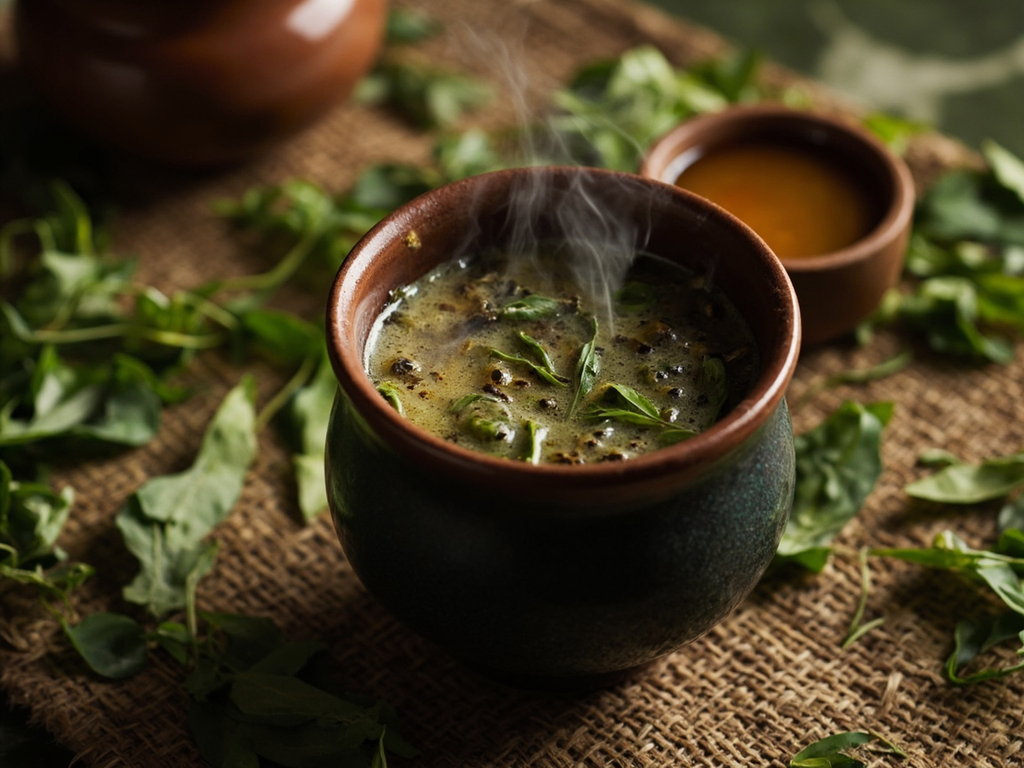
- Place the leaves in a clay bowl or cup.
- Pour the hot water over them and steep for 5 minutes, covered.
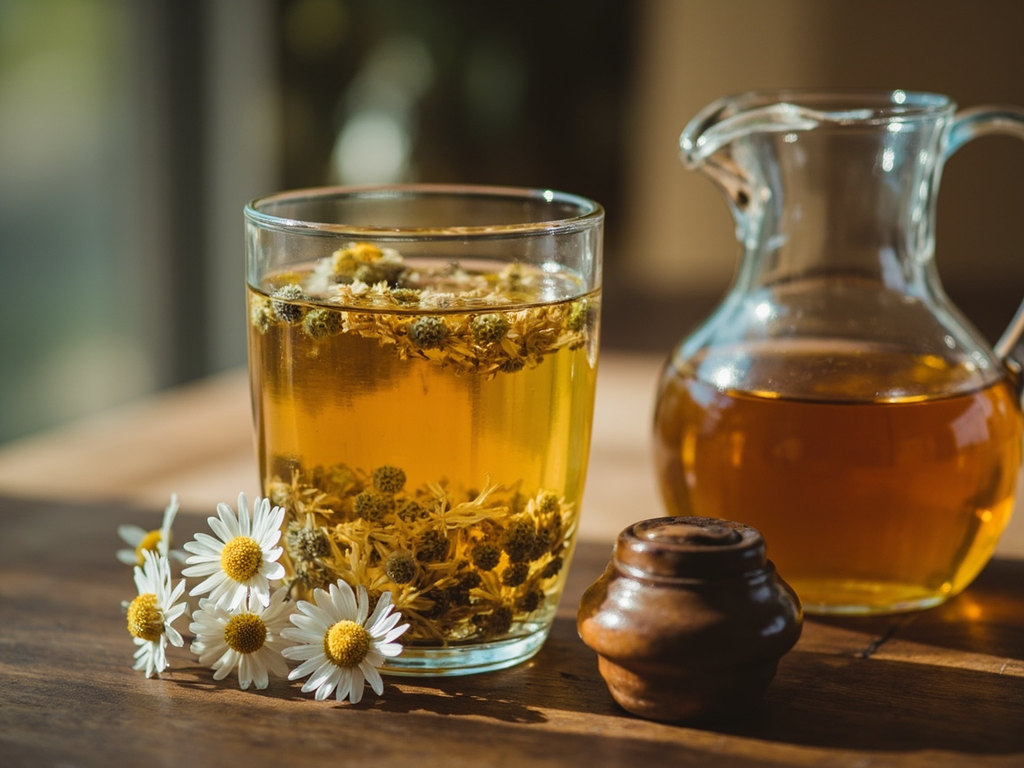
- Sweeten with honey if desired and drink hot, in small sips.
- Traditional gesture: set aside a few leaves as an offering before drinking.
How it was made : Coca was chewed (akulli/pijchar) with a little alkaline ash (llipta) to release its properties, and infused against cold, hunger, and altitude sickness (soroche). Sacred and central to Andean rites, it also served as currency and trade object — hence the importance of a coca ledger in a household like Bartolina's.
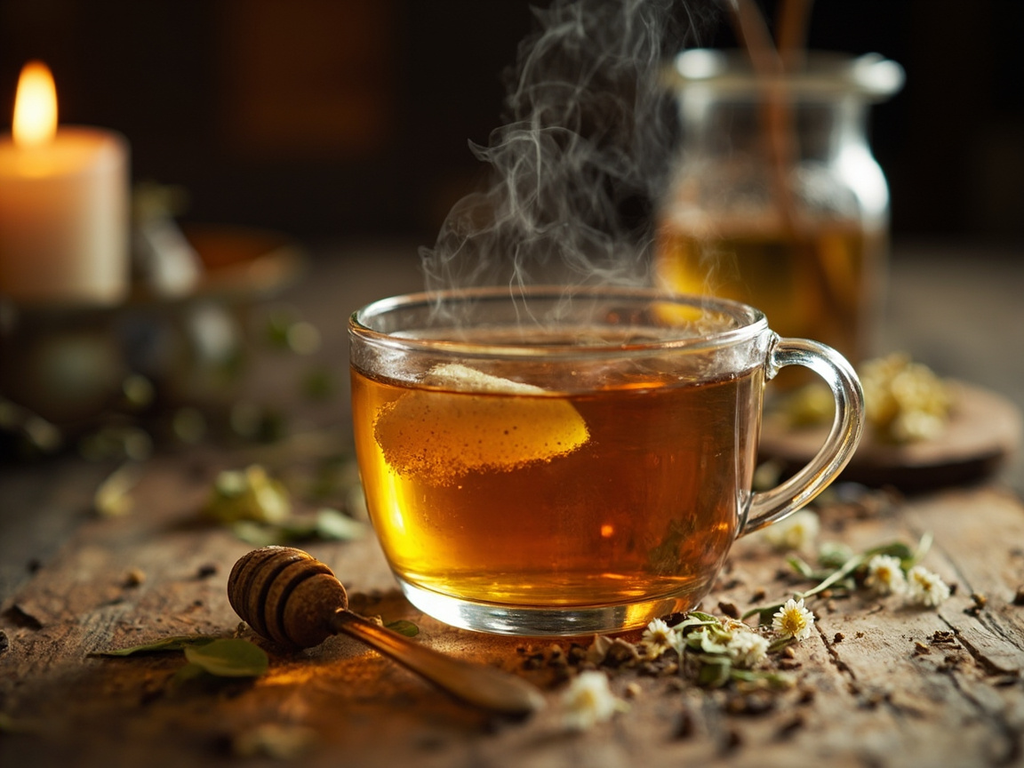
The contemporary twist : Serve as an 'altitude mate' in a black clay cup, with a drizzle of mountain honey and a sprig of fresh mint as garnish.
Bartolina Sisa · Charactorium