 flip
flipChairo, chuño and charqui soup
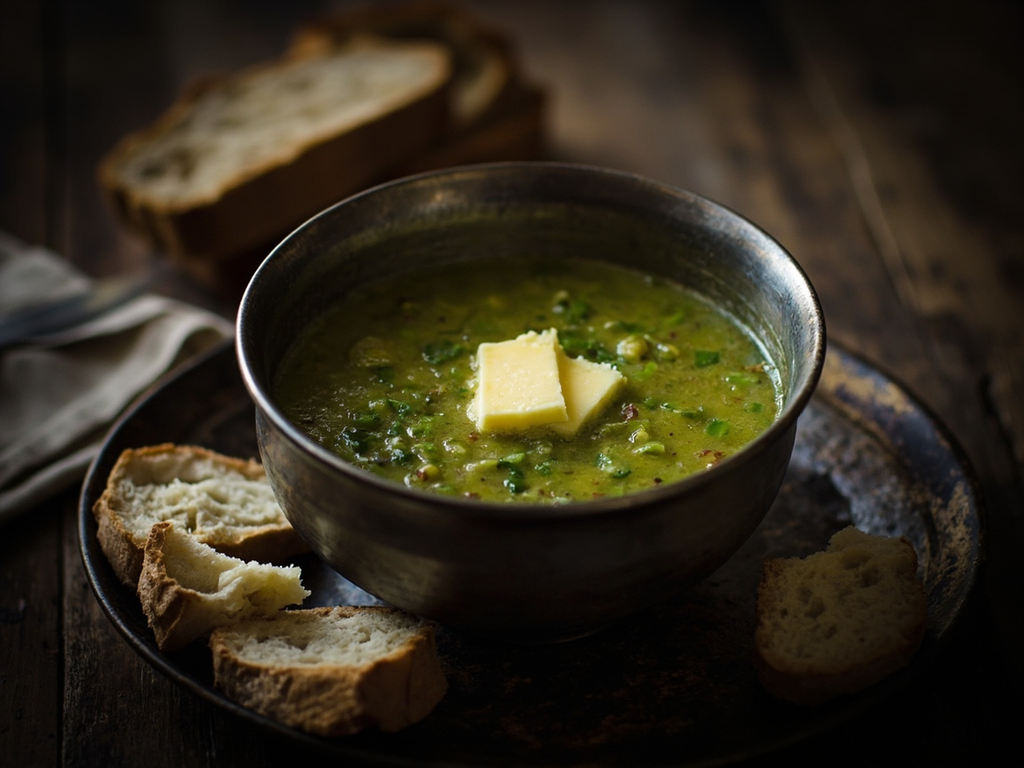
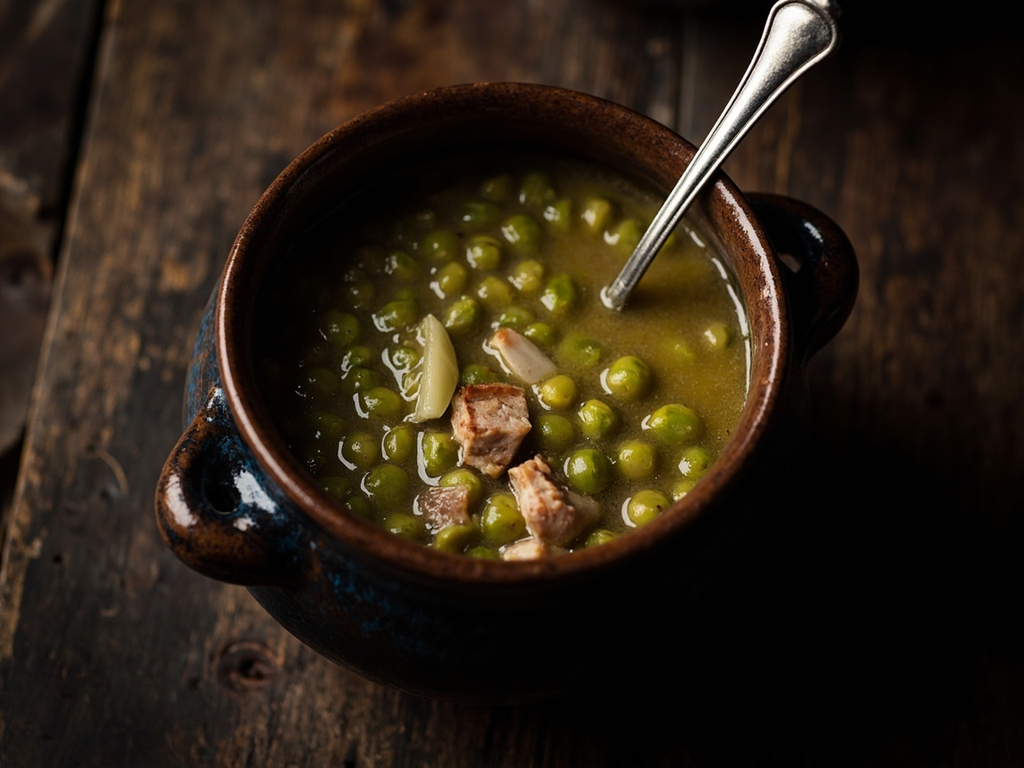
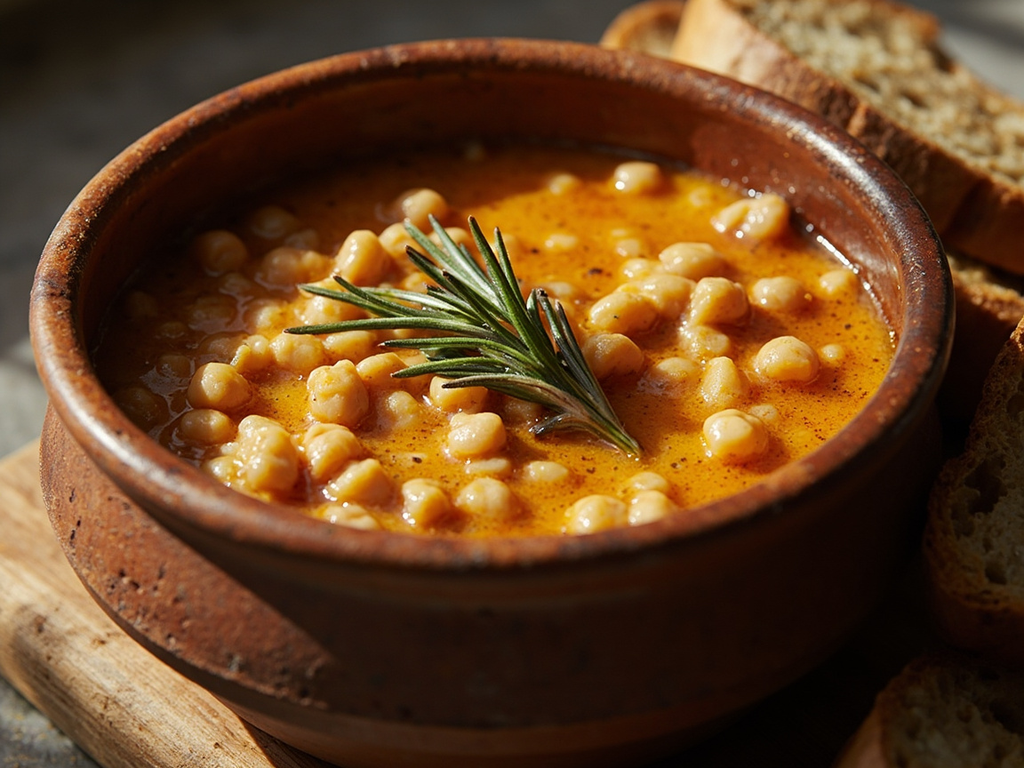
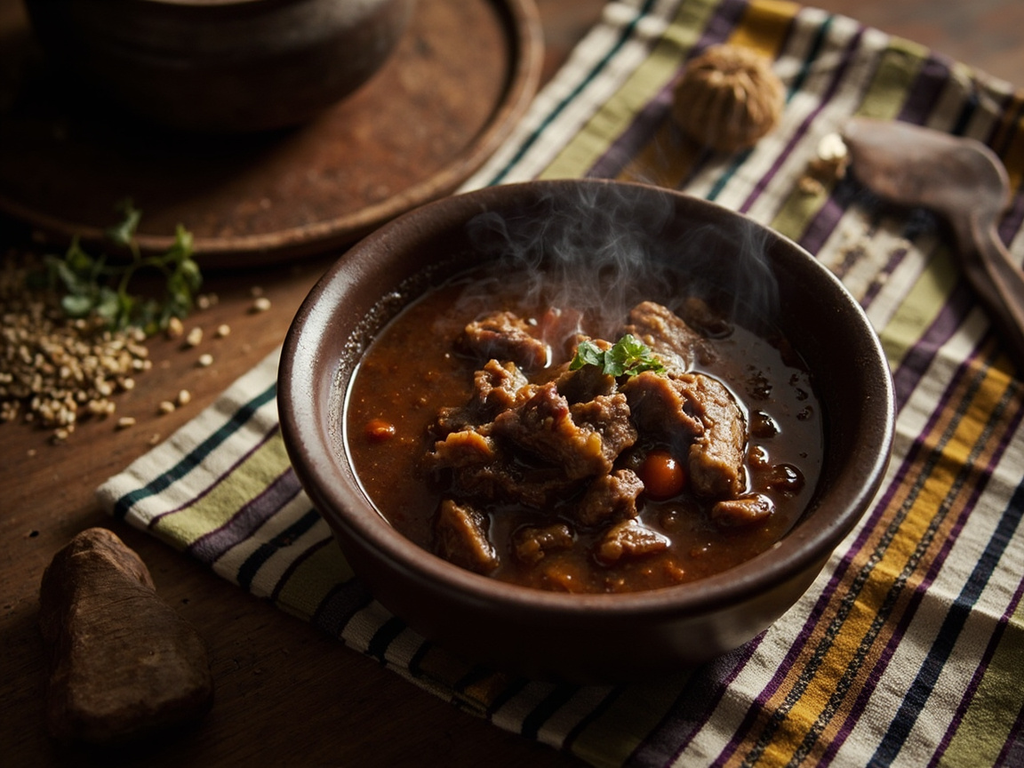
Chairo, chuño and charqui soup
Why this dish? This is the everyday pot on the Altiplano: a thick broth that warms against the biting cold of the highlands. While Bartolina co-directs the siege of La Paz from the southern hills, it is exactly this kind of soup — chuño and charqui that can be transported and stored — that keeps the besiegers on their feet.
A rustic, steaming soup where rehydrated chuño melts into a dried meat broth, perfumed with Andean herbs. The ultimate hearty dish when the body must fight altitude and frost.
Listen well, you who come from the warm valley. Here, on the high land, the night cold works for us: it takes the bitter papa and makes it hard as stone, the chuño, which never rots. I break my llama charqui between two rocks, throw it into the water with the chuño and the muña from the hills, and let the pot speak all morning. Pachamama gives us little, but that little keeps us alive — even when La Paz is encircled by our slings.
- •Chuño (freeze-dried Andean potatoes) — two handfuls per person (base starch, thickener)
- •Llama charqui (dried and salted meat) — a palm-sized piece (protein, salty umami)
- •Quinoa — a handful (nourishing grain)
- •Andean herbs (muña, wakataya) — a few sprigs (flavor, digestion)
- •Mountain spring water — as needed (broth)
Chairo, chuño and charqui soup
A rustic, steaming soup where rehydrated chuño melts into a dried meat broth, perfumed with Andean herbs. The ultimate hearty dish when the body must fight altitude and frost.
Why this dish? This is the everyday pot on the Altiplano: a thick broth that warms against the biting cold of the highlands. While Bartolina co-directs the siege of La Paz from the southern hills, it is exactly this kind of soup — chuño and charqui that can be transported and stored — that keeps the besiegers on their feet.
Listen well, you who come from the warm valley. Here, on the high land, the night cold works for us: it takes the bitter papa and makes it hard as stone, the chuño, which never rots. I break my llama charqui between two rocks, throw it into the water with the chuño and the muña from the hills, and let the pot speak all morning. Pachamama gives us little, but that little keeps us alive — even when La Paz is encircled by our slings.
Ingredients (period version)
- Chuño (freeze-dried Andean potatoes) — two handfuls per person (base starch, thickener)
- Llama charqui (dried and salted meat) — a palm-sized piece (protein, salty umami)
- Quinoa — a handful (nourishing grain)
- Andean herbs (muña, wakataya) — a few sprigs (flavor, digestion)
- Mountain spring water — as needed (broth)
Ingredients
- Chuño (or failing that, firm potatoes cut and well dried) — 150 g (base starch)
- Dried beef or lamb (homemade charqui) — 120 g (protein, umami)
- Quinoa — 60 g (grain)
- Onion — 1 small (aromatic base)
- Andean mint (muña) or mint + oregano — 1 tsp (flavor)
- Broth or water — 1.2 L (liquid)
- Salt — to taste, depending on charqui (seasoning)
Method
- The night before, soak the chuño for several hours in cold water, then drain and press to remove the dark water.
- Rehydrate the charqui in a little warm water, then shred it into strips.
- Sauté the chopped onion, add the charqui, then cover with water or broth.
- Add the chuño and simmer for 30 minutes over low heat.
- Pour in the rinsed quinoa and continue cooking for 15-20 minutes until the grains open.
- Season with muña (or mint + oregano), adjust salt, and serve piping hot.
How it was made : On the Altiplano, cooking was done in clay pots placed on a fire of dried dung and herbs (scarce fuel at altitude). Chuño and charqui were not gastronomic choices but survival techniques: freeze-drying and salting allowed crops and meat to be stored for years and fed armies on the move.
The contemporary twist : Serve in a black ceramic bowl with a drizzle of herb oil and a few puffed quinoa grains on top, a reinvented 'altitude broth' style.
Bartolina Sisa · Charactorium