Zhāi — the monastic alms-bowl meal
Among Chan monks, one does not set a table with starter-main-dessert: one receives in a single bowl (the *patra*) what heaven and the faithful offer. Everything is vegetarian (素 *sù*), taken in silence before noon, then the belly fasts until the next day. The structure is not a succession of dishes but an economy: a cereal base (rice in the South, wheat and millet in the North), a clear broth, a few vegetables — fermented to last — and the tea that keeps the mind awake. Eating is a practice, not a pleasure: one takes just enough to get through the day of sitting.
Signature : Tea, guardian of wakefulness
Legend has it that Bodhidharma, overcome by sleep during his wall-gazing meditation, cut off his eyelids and threw them to the ground: from them grew the first tea plant. True or not, this story makes bitter tea the monk's totem ingredient — drunk not for taste but to stay lucid. Together with white rice and fermented soybeans (豉 *douchi*, a permitted source of umami), it forms the flavor backbone of all Bodhidharma's cuisine.
Bodhidharma at the table
440 — 540
5 period recipes
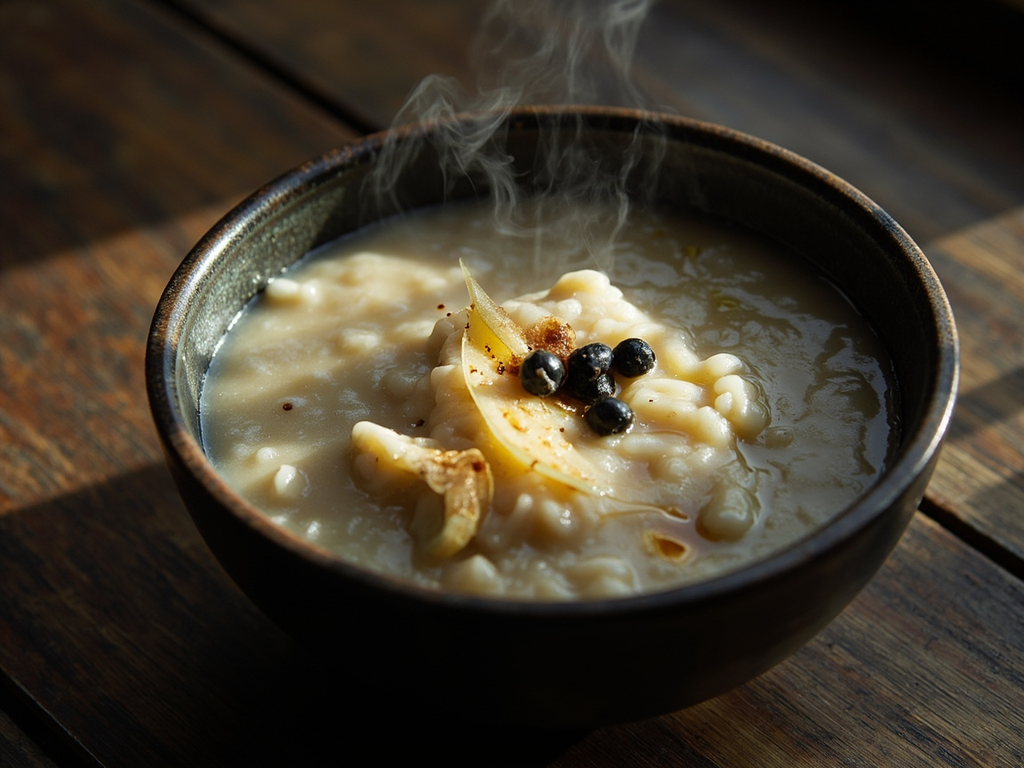 Everyday
Báizhōu — morning rice gruel
Cereal base of the bowl (zhōu 粥)
🍄 🧂· 1 h
View the recipe
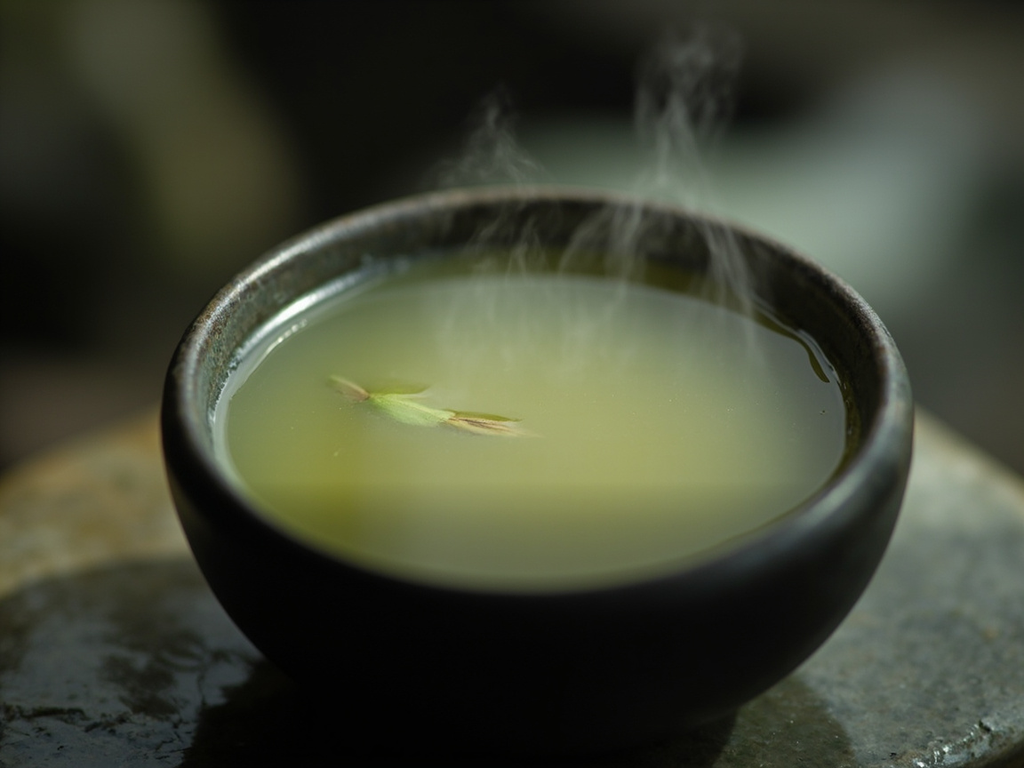 Drink
DrinkGreen tea of awakening
Wakefulness beverage (chá 茶)
☕· 5 min
View the recipe
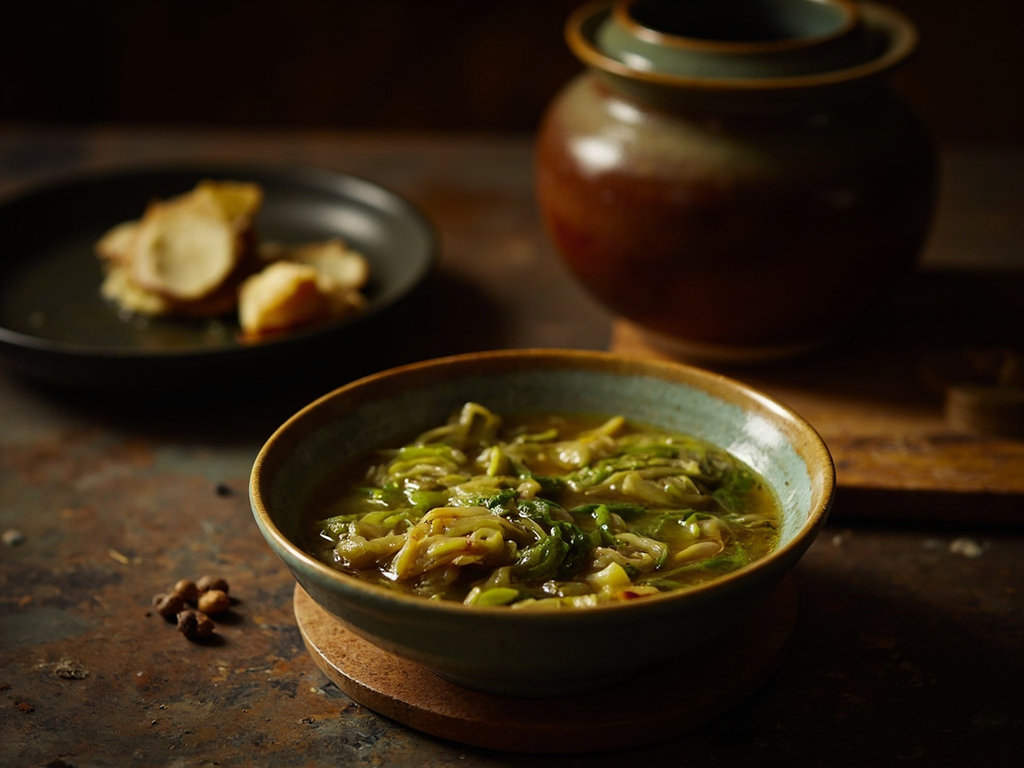 Preserving
Long winter vegetables (fermented suāncài)
Fermented reserve of the bowl (yān cài 腌菜)
🫙 🍋· 30 min + 5 to 10 days fermentation
View the recipe
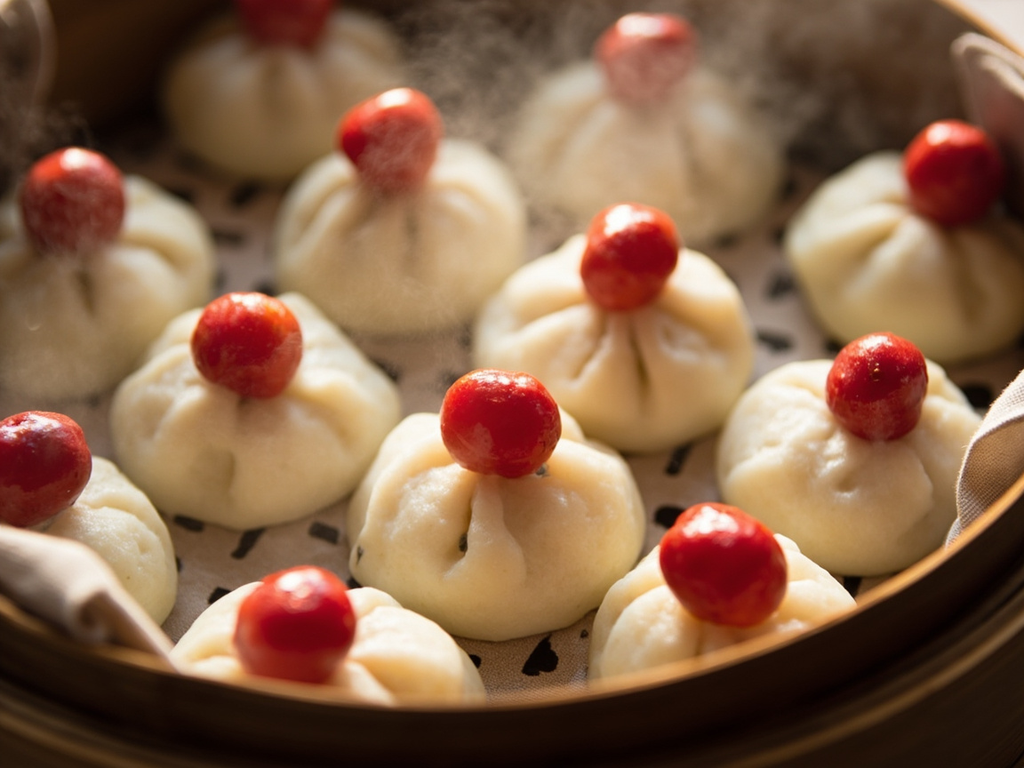 Offering
Jujube mantou for the altar
Steamed offering (gòngpǐn 供品)
🍯· 2 h (including rising)
View the recipe
 Travel
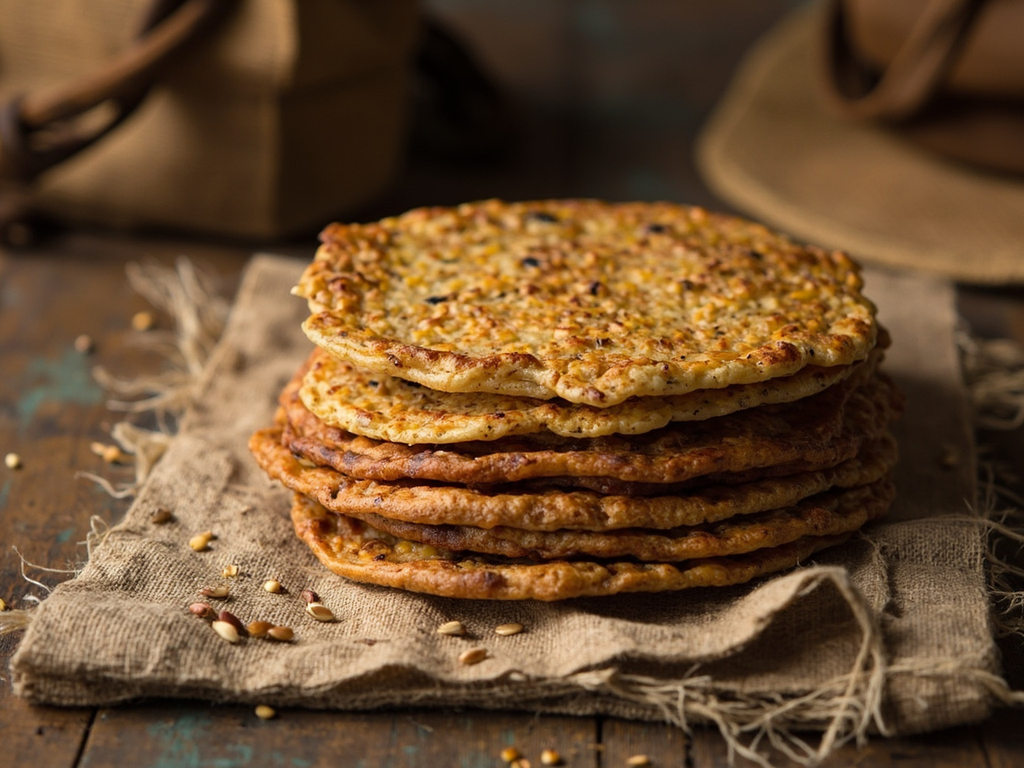
Pilgrim's millet and sesame cake
Travel provisions carried in the bag (gānliáng 干粮)
🍄 🧂· 30 min
View the recipe