 flip
flipJujube mantou for the altar
Jujube mantou for the altar
Why this dish? In northern China, where Bodhidharma lived, wheat replaced rice and breads were steamed, never baked. Soft mantou, naturally sweetened by jujubes (Chinese dates), were placed on the Buddha's altar during great festivals: a gesture of devotion rather than a profane dish.
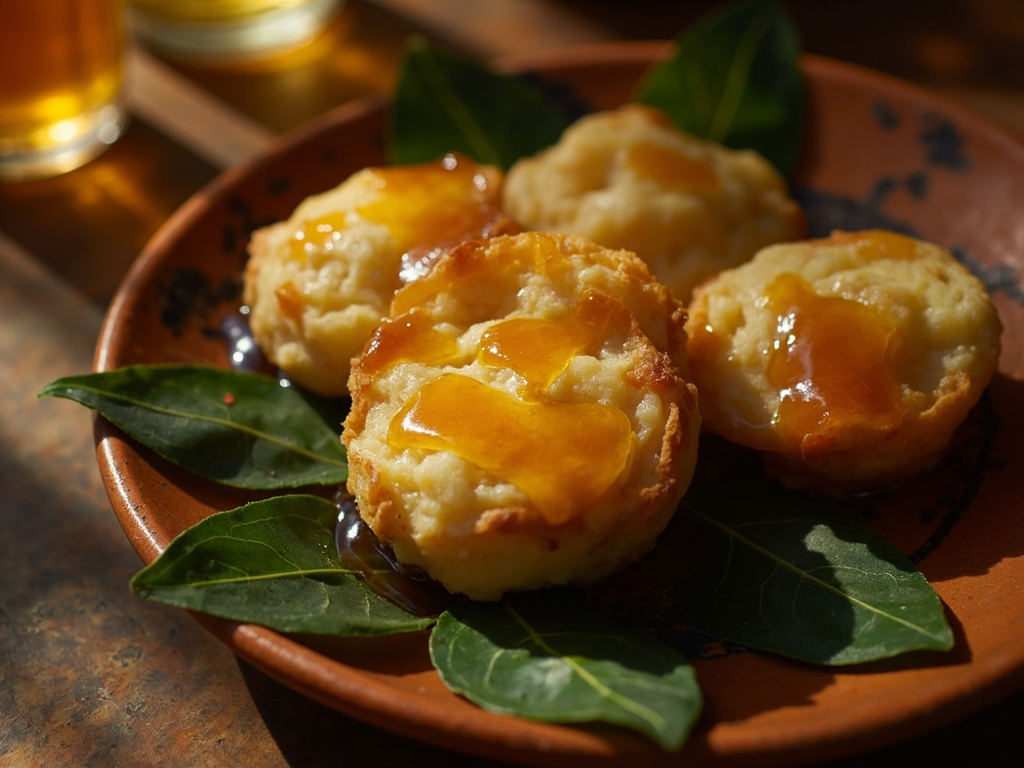
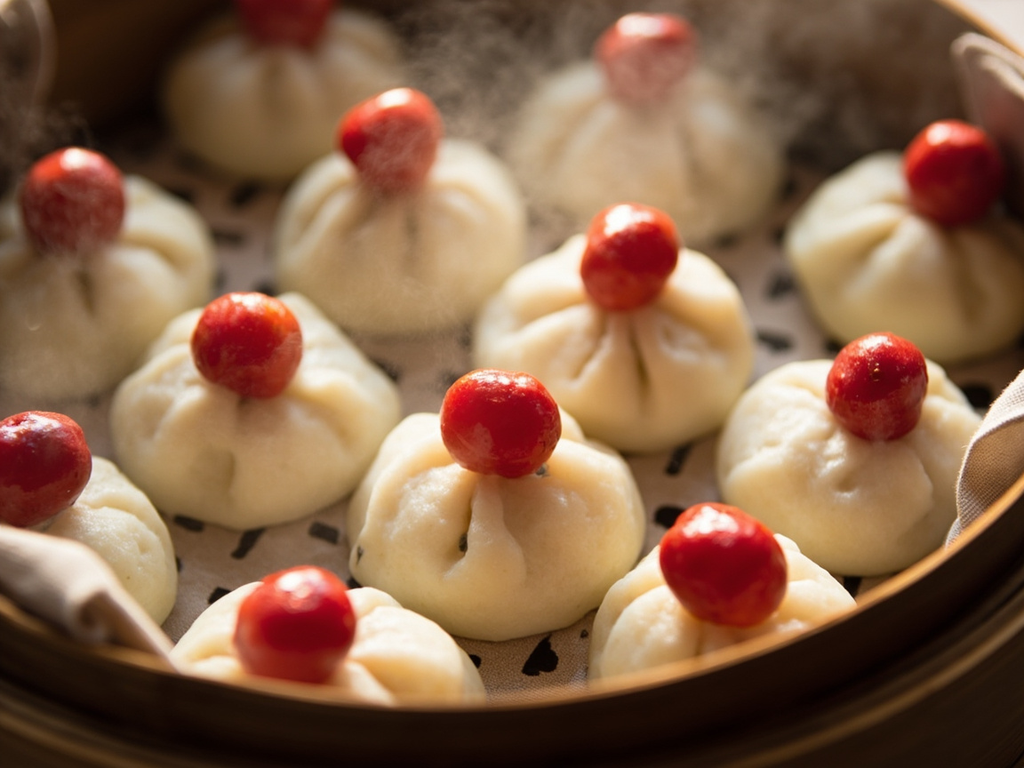
Fluffy white wheat buns, steamed and studded with melting red jujubes. Soft, airy, offered before being shared by the community.
You wish to honor the Buddha with gold and temples? The Emperor wished it too, and I told him: no merit. Offer rather this: a white bread born of your hands, puffed by your patience, sweetened by a simple red date. Place it on the altar, then share it. True giving leaves nothing in your palm.
- •Wheat flour — as needed (dough)
- •Sourdough starter (old fermented dough) — a piece (leavening)
- •Jujubes (Chinese dates 枣) — a handful (sweetness, ornament)
- •Water — warm (hydration)
Jujube mantou for the altar
Fluffy white wheat buns, steamed and studded with melting red jujubes. Soft, airy, offered before being shared by the community.
Why this dish? In northern China, where Bodhidharma lived, wheat replaced rice and breads were steamed, never baked. Soft mantou, naturally sweetened by jujubes (Chinese dates), were placed on the Buddha's altar during great festivals: a gesture of devotion rather than a profane dish.
You wish to honor the Buddha with gold and temples? The Emperor wished it too, and I told him: no merit. Offer rather this: a white bread born of your hands, puffed by your patience, sweetened by a simple red date. Place it on the altar, then share it. True giving leaves nothing in your palm.
Ingredients (period version)
- Wheat flour — as needed (dough)
- Sourdough starter (old fermented dough) — a piece (leavening)
- Jujubes (Chinese dates 枣) — a handful (sweetness, ornament)
- Water — warm (hydration)
Ingredients
- All-purpose wheat flour — 300 g (base)
- Active dry yeast — 5 g (or sourdough) (leavening)
- Warm water — 160 ml (hydration)
- Dried jujubes (Chinese dates) — 12 (natural sweetness, decoration)
- A little sugar or honey — 1 tsp (optional) (activates yeast / sweetness)
Method
- Dissolve the yeast in warm water with a pinch of sugar or honey, let foam for 10 minutes.
- Pour over the flour, knead for 10 minutes until smooth and elastic; cover and let double in volume (about 1 hour).
- Briefly rehydrate the jujubes in hot water if very dry.
- Punch down the dough, divide into balls, press one or two jujubes into the top of each.
- Let rise for 20 minutes, then steam (in a basket over boiling water) for 12 to 15 minutes without opening.
- Let cool for 2 minutes before opening the lid to prevent the buns from collapsing.
How it was made : In northern China, steaming dominated due to the lack of domestic ovens, and wheat was the queen cereal. Mantou (originally sometimes stuffed, then plain) featured in temple offerings: pure vegetarian foods were presented to the Buddha, then redistributed to monks and laypeople — the offering nourished both ritual and community.
The contemporary twist : Arranged in a pyramid on a bamboo tray, each bun topped with a glossy jujube: a 'wheat cloud' for contemporary Buddhist festivals.
Bodhidharma · Charactorium