The Russian Table: Zakuski, Pervoye, Vtoroye, and Tea
The Russian meal unfolds in waves. First, the zakuski (cold, salty appetizers that accompany rounds of drinks); then the pervoyye blyudo, the "first course," always a hot soup served with sour cream; next, the vtoroye, the "second course," a hearty main dish; and finally, tea from the samovar, accompanied by sweets. A homemade fermented drink, kvass, circulates throughout. Nothing is compartmentalized as in France: you share, you refill, you toast.
Signature : Smetana and Dill
Thick sour cream (smetana) and fresh dill are the soul of Russian cuisine: you drizzle it over soup, stuff it into dumplings, sprinkle it on everything. Combined with the art of fermentation (kvass, lacto-fermented vegetables), they provide that fresh acidity that enlivens the fatty dishes of the long Ural winters.
Boris Yeltsin at the table
1931 — 2007
5 period recipes
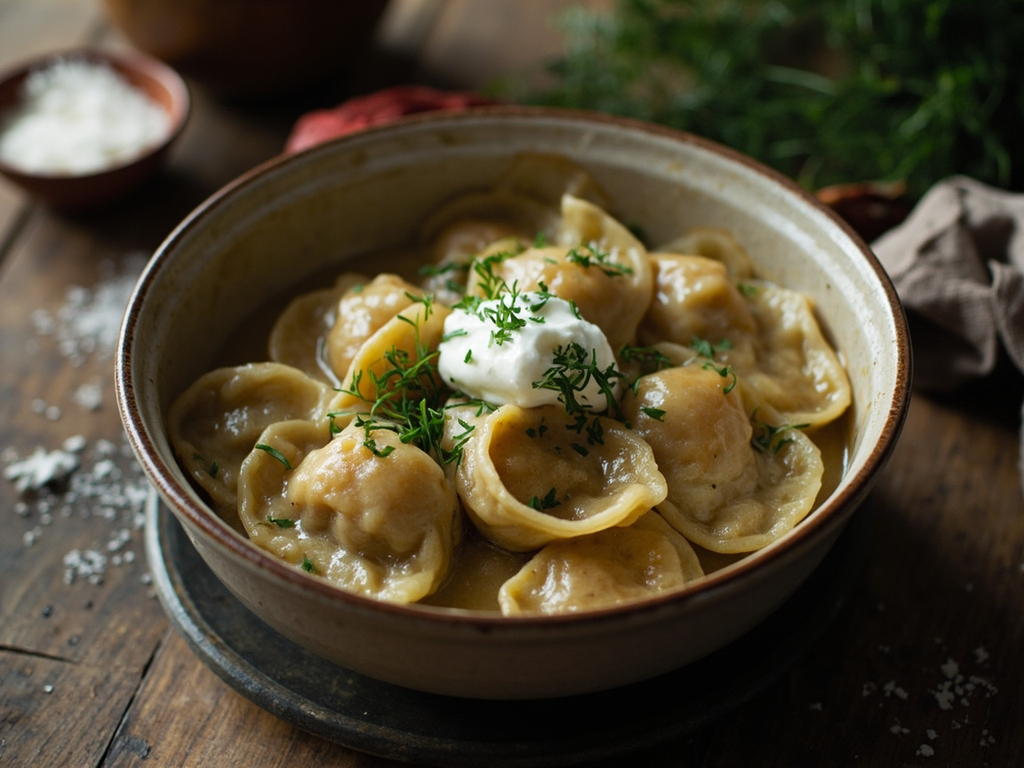 Festive
Ural Pelmeni
Vtoroye (hearty second course) of the cold lands
🧂 🍄· 1 h 30 min
View the recipe
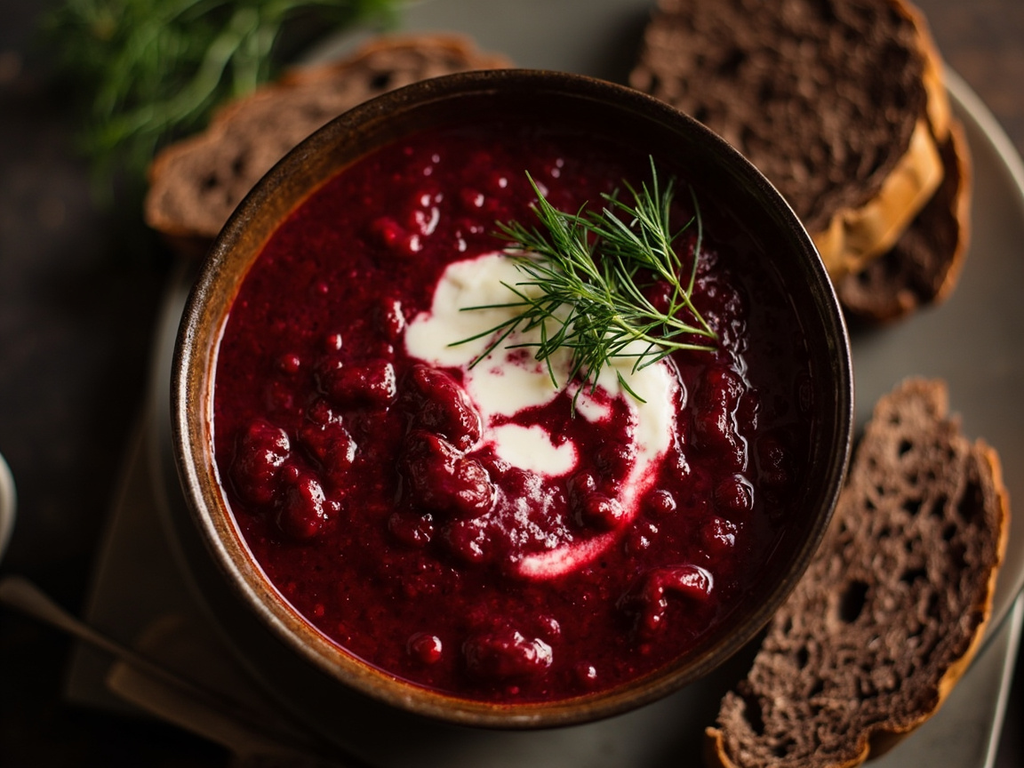 Everyday
Borscht with Sour Cream
Pervoye blyudo (first course: the foundational soup)
🍋 🧂· 2 h 30 min
View the recipe
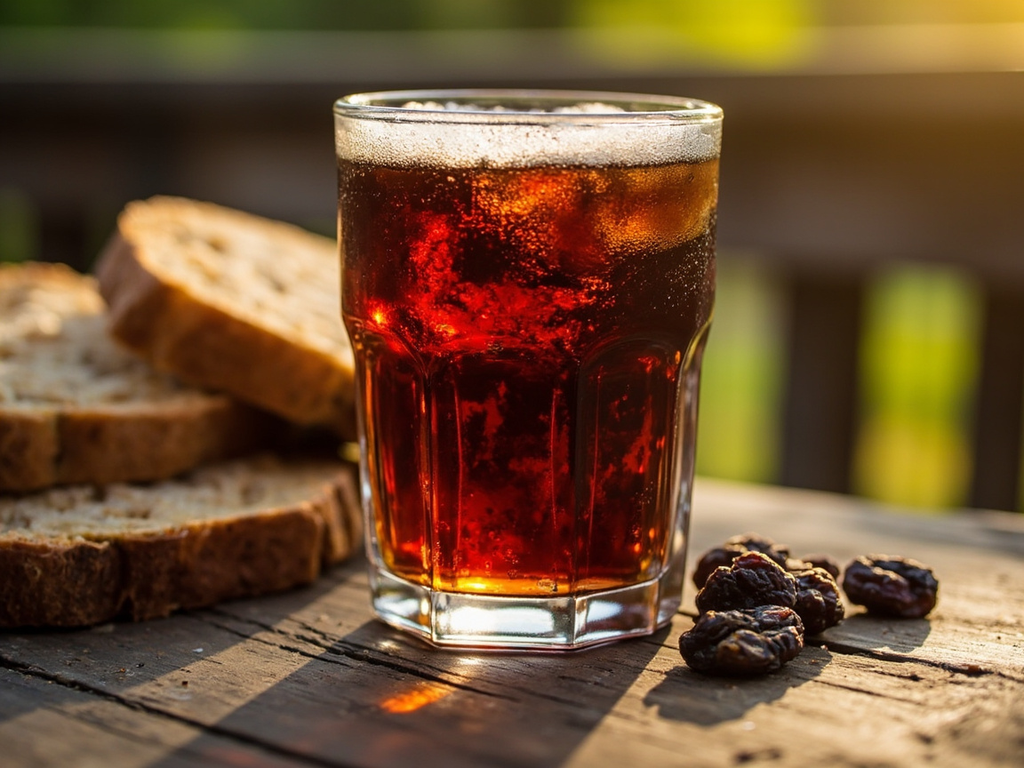 Drink
DrinkBlack Bread Kvass
Fermented table beverage (the shared pitcher)
🫙 🍯 🍋· 20 min + 2 days fermentation
View the recipe
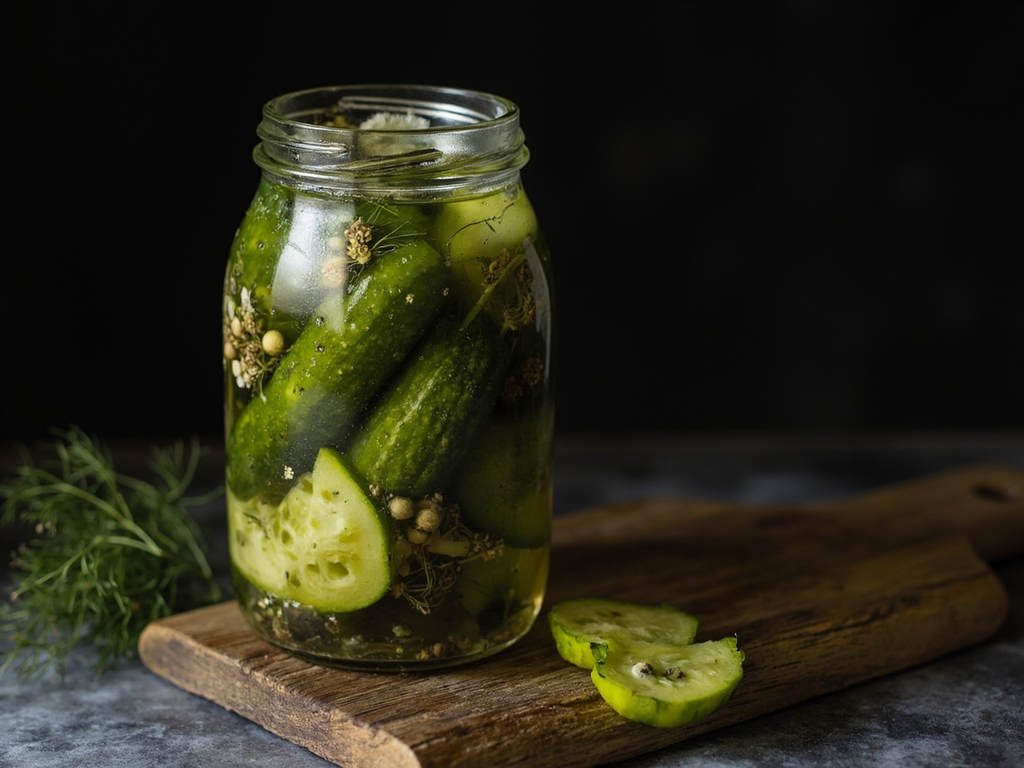 Preserving
Malossol Lacto-Fermented Pickles
Preserved zakuska (the cellar jar)
🫙 🍋 🧂· 30 min + 5 to 10 days fermentation
View the recipe
 Street food
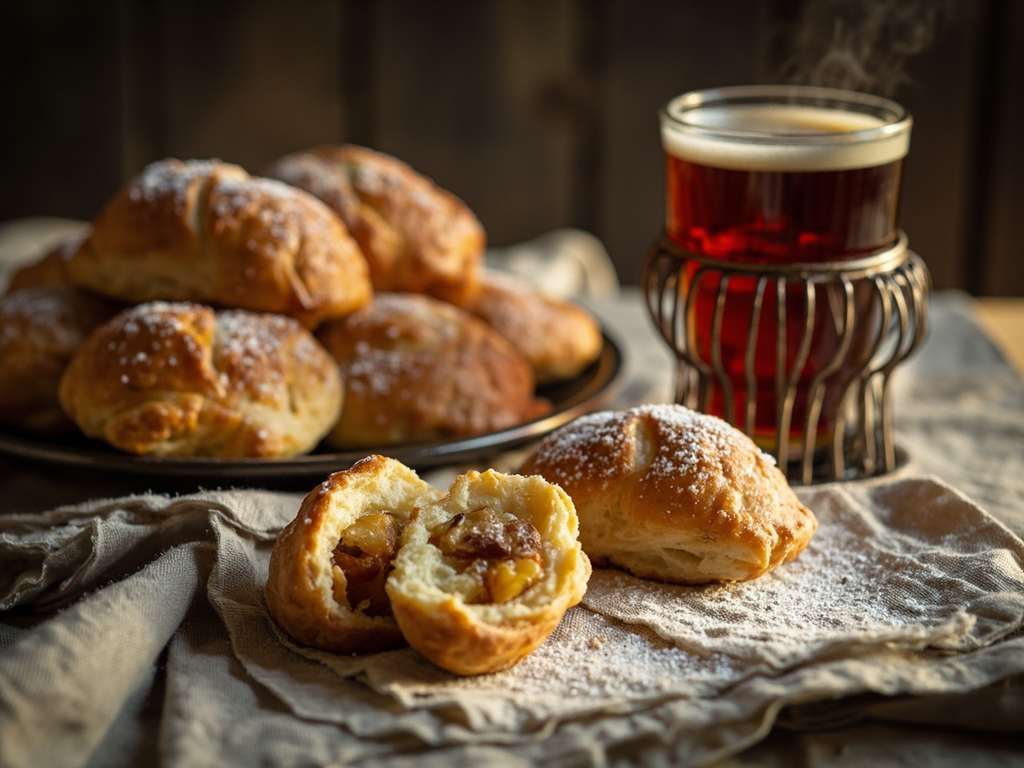
Apple Pirozhki
Pocket snack (the traveler's and market's pirozhok)
🍯· 2 h (including rising)
View the recipe