Husmanskost — the frugal table of the North
Swedish cuisine at the beginning of the 18th century was not divided into starter-main-dessert. It was a table of subsistence where certain elements were always present: hard rye bread (knäckebröd) that kept for months, small beer (svagdricka) in the pitcher, and a single hot dish at the center — most often a thick soup or porridge. Meat was rare and marked a feast. People ate according to what the larder and the season allowed, soldier and king often sharing the same fare.
Signature : Stuffed cabbage from Bender
Swedish tradition attributes the introduction of kåldolmar — cabbage rolls inspired by Ottoman dolma — to Charles XII after his years of forced exile in Bender, in Turkish territory (1709–1714). True or embellished, this marriage of Nordic cabbage and rolled stuffing in the Eastern style remains the warrior-king's most famous culinary mark.
Charles XII of Sweden at the table
5 period recipes
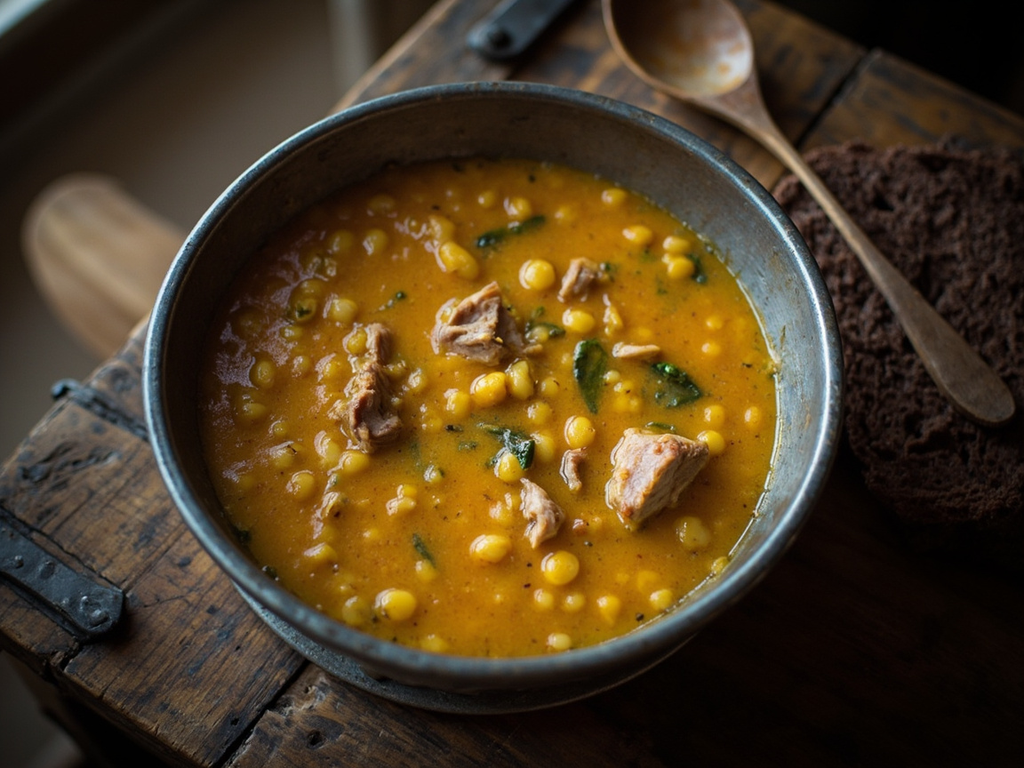 Everyday
Ärtsoppa med fläsk — yellow pea soup with pork
Single hot dish (the center of husmanskost meal)
🧂 🍄· 2 h (+ soaking)
View the recipe
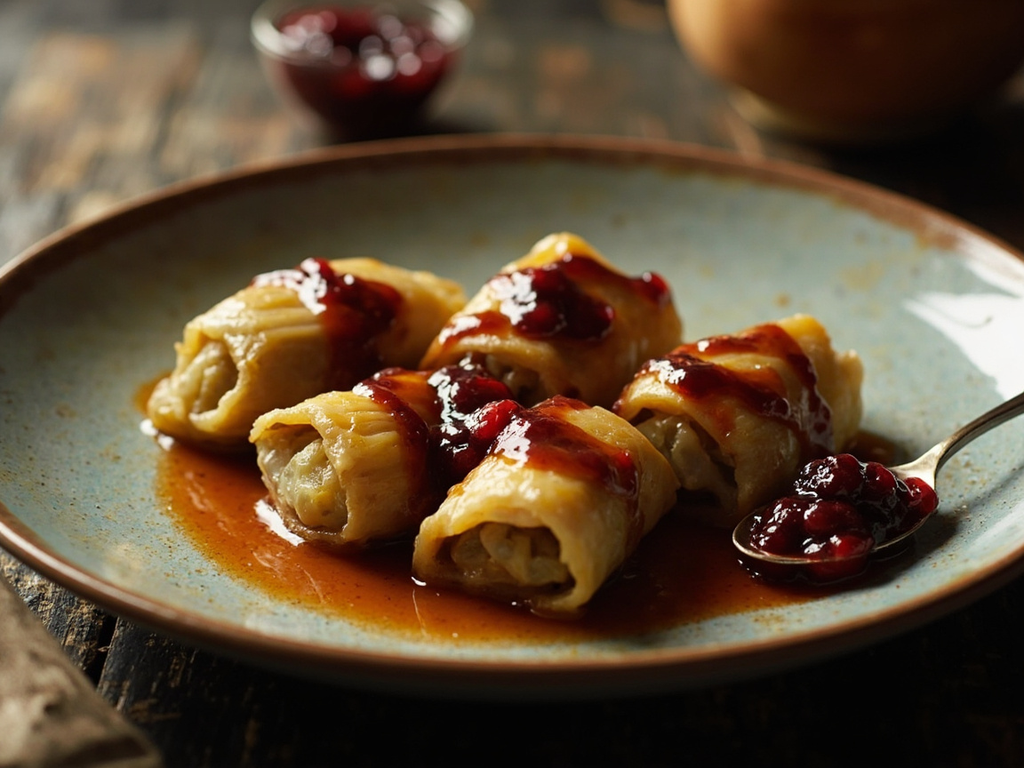 Festive
Kåldolmar — stuffed cabbage leaves Bender-style
Festive dish (rolled meat, reserved for special occasions)
🧂 🍄 🌶️· 1 h 30
View the recipe
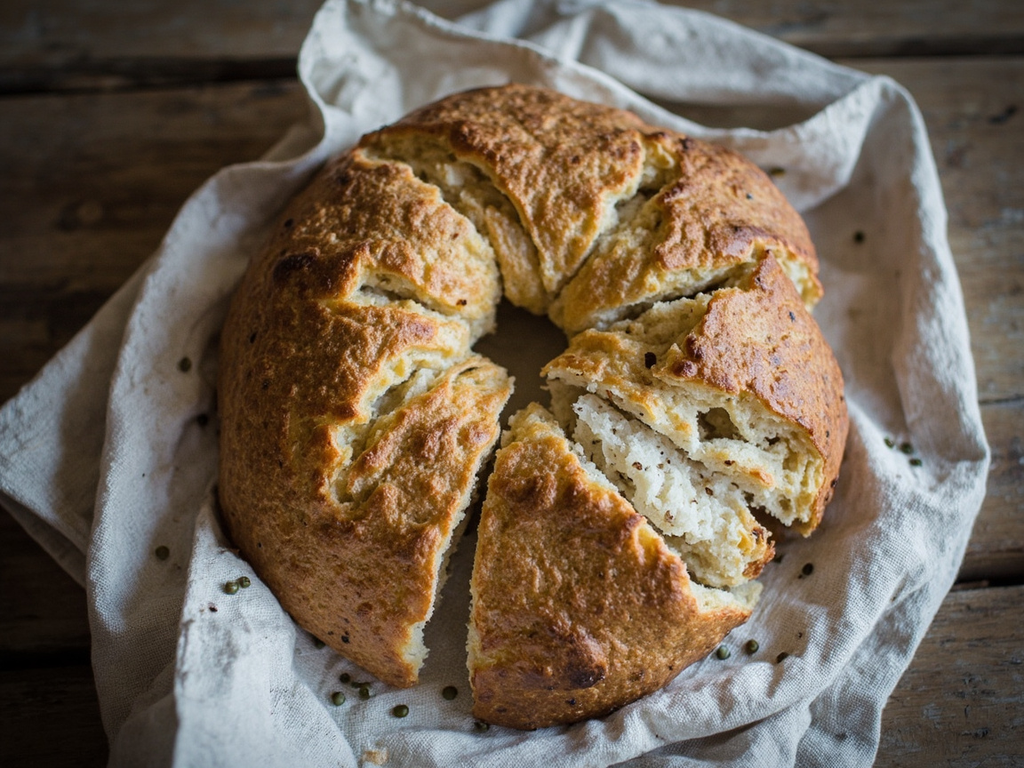 Preserving
Knäckebröd — hard rye bread
Keeping bread (always on the table, never a 'dish')
☕ 🧂· 1 h
View the recipe
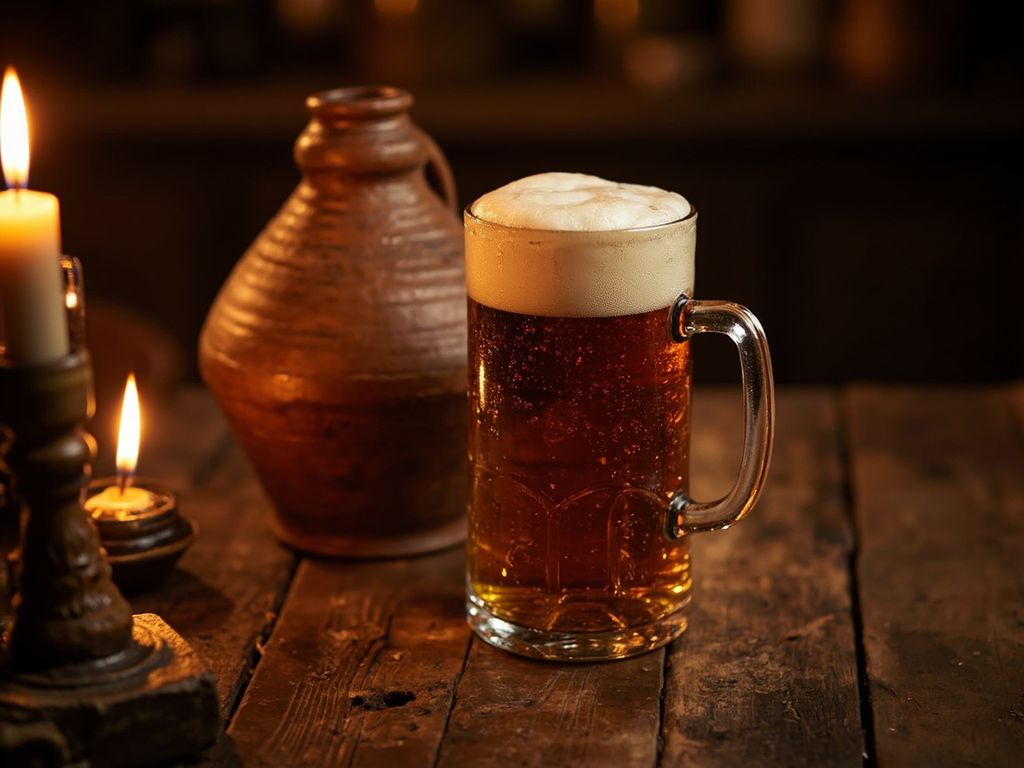 Drink
DrinkSvagdricka — mild small beer
Table beverage (in the pitcher, from morning to night)
🫙 ☕· 45 min (+ 3-5 days fermentation)
View the recipe
 Remedy
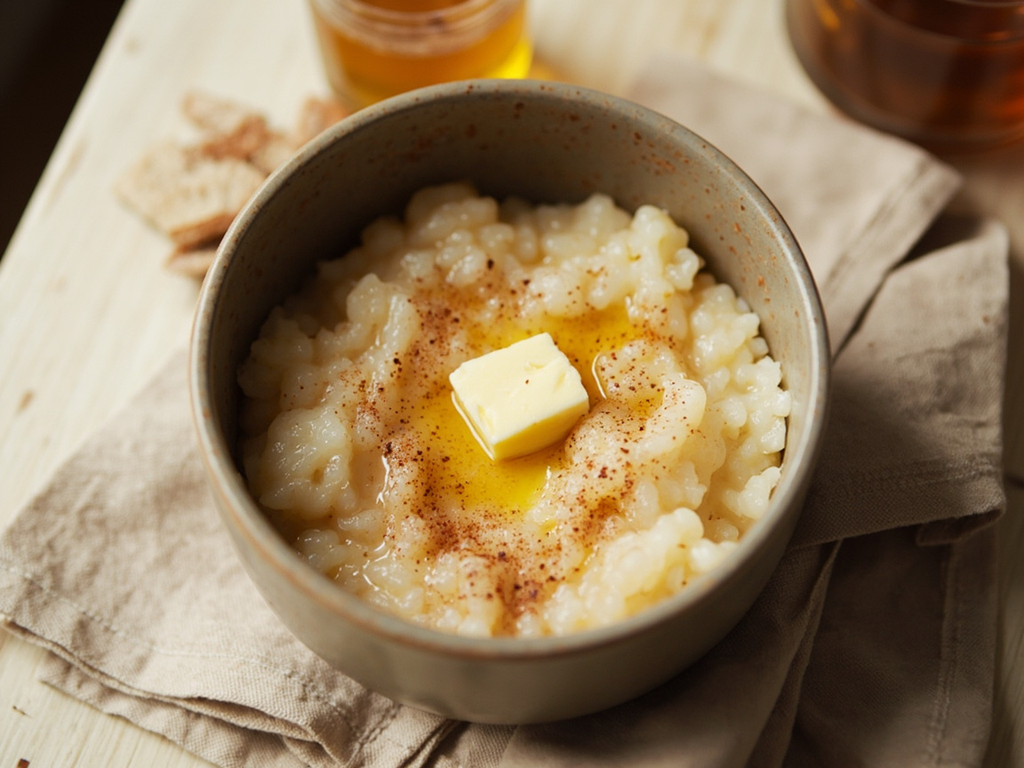
Risgrynsgröt — rice porridge with honey and cinnamon
Comforting porridge (given to the weak, and served at great feasts)
🍯· 50 min
View the recipe