 Flip the card
Cybele at the table
On the menu
Sacra et epulum — the offering and banquet of the Mother
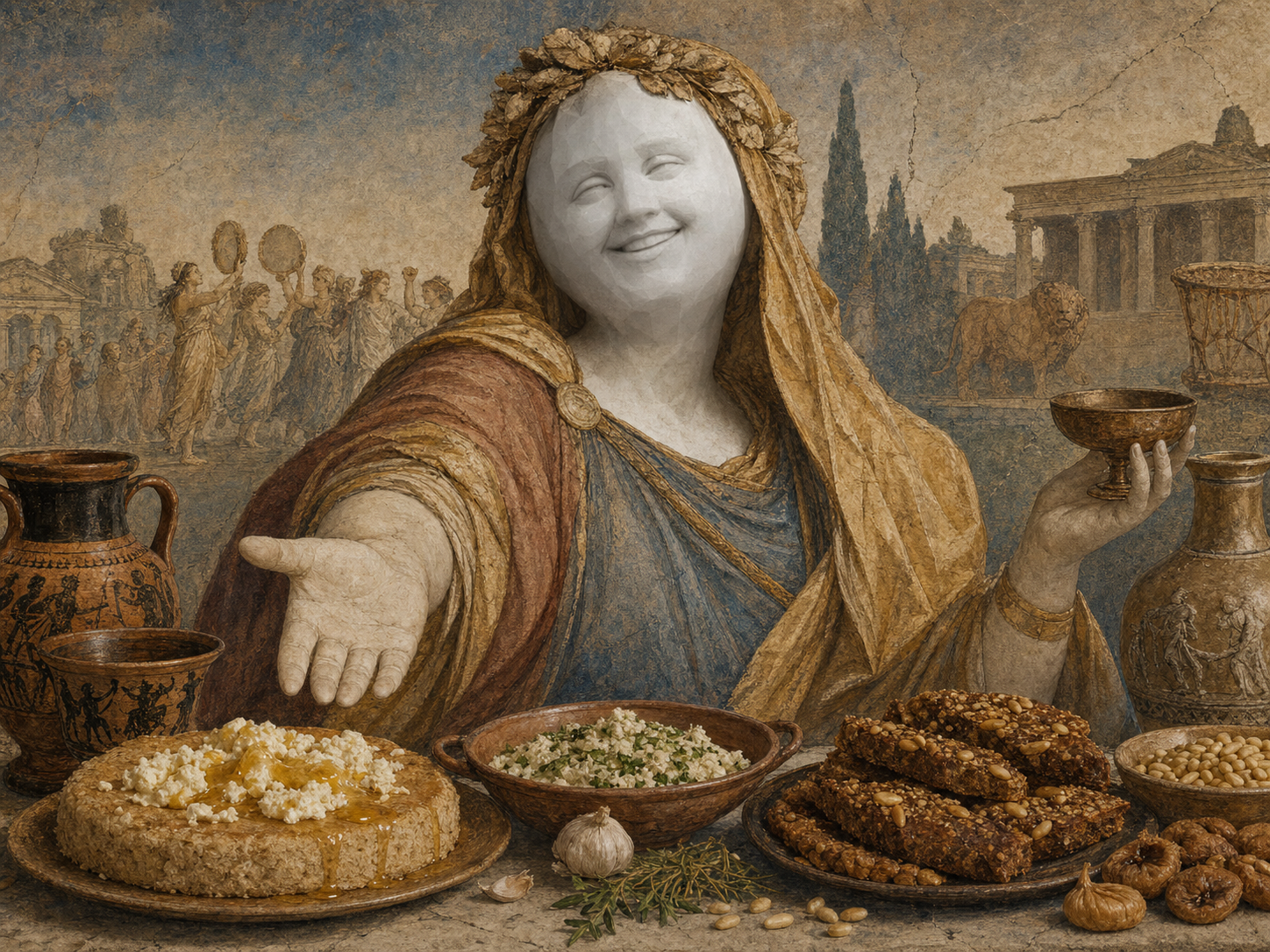
Around the Magna Mater, the meal is not a guest menu but a sacred cycle. First, the libatio: milk, honey, and non-alcoholic wine are poured to the goddess, for the Mother abhors spilled blood. Then come the liba and popana, small baked cakes offered on the altar and shared. Finally, the epulum, the collective banquet of the Megalesia (games in April at Rome), where brotherhoods exchange simple dishes. The priests (Galli) observe their taboos: no pork, no certain fish, no undiluted wine on fast days. So there is no starter-main-dessert, but an ascent from the divine to the human: one gives first to the goddess, then eats what she has deigned to leave.
Signature : Pine and honey
The sacred pine — under which Attis, the beloved of the goddess, died — marks the whole Cybeline table: crunchy pine nuts, resin perfuming the wine, needles burnt as incense. Honey, for its part, replaces blood in the Mother's libations, who loves only the sweetness of the earth's fruits. Pine and honey: death and fertility in the same bite.
click to flip back
Cybele at the table
4 period recipes
 Offering
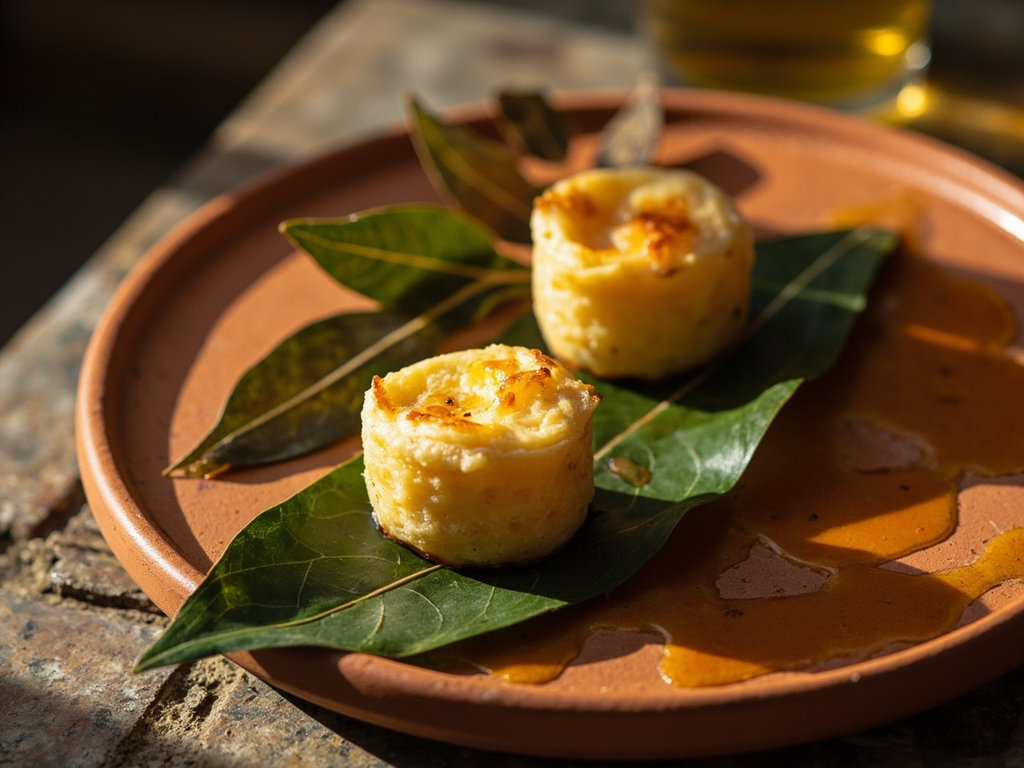
Spelt libum with cheese and honey
Liba — offering cakes placed on the altar
🍯 🧂· 50 min
View the recipe
 Festive
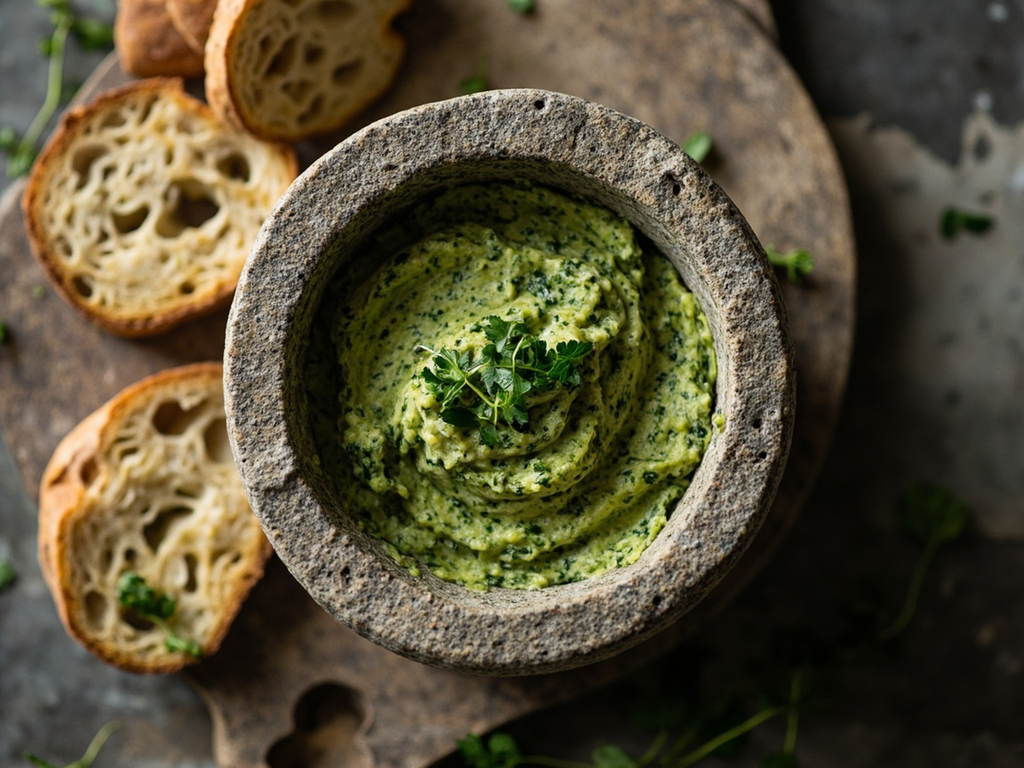
Moretum, garlic, herb and cheese paste of the Megalesia
Epulum — shared festive banquet dish
🧂 🍋· 20 min
View the recipe
 Drink
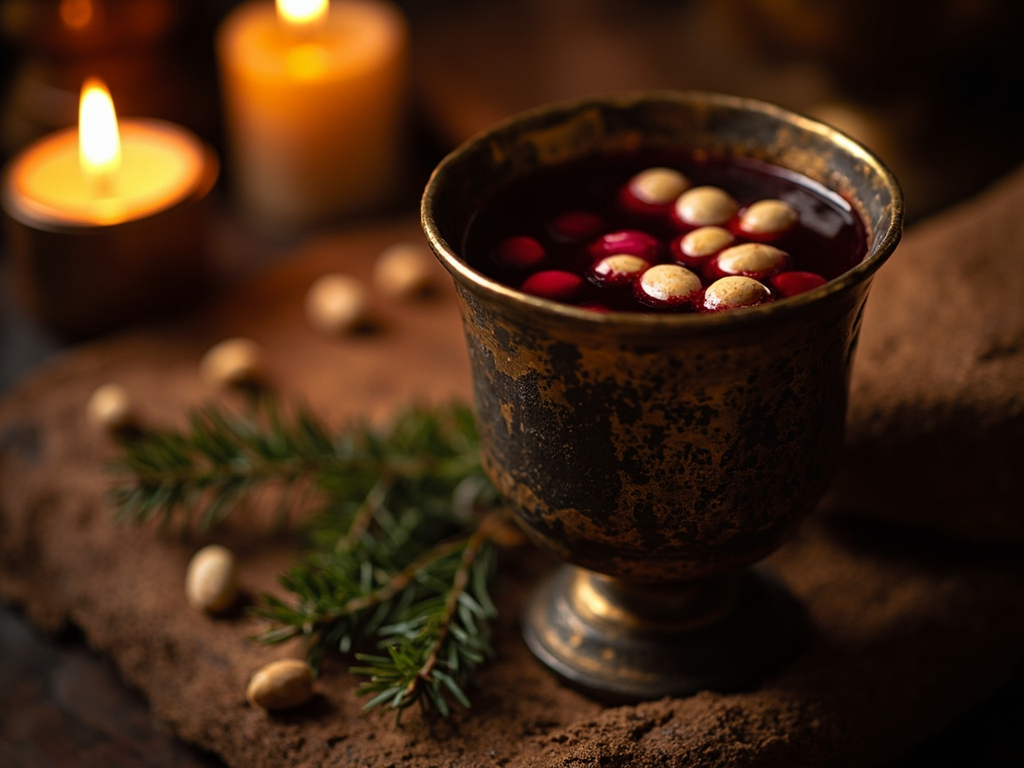
DrinkMulsum with pine resin, the sweet wine of the Mother
Libatio — drink poured then drunk in honor of the goddess
🍯 ☕· 15 min
View the recipe
 Preserving
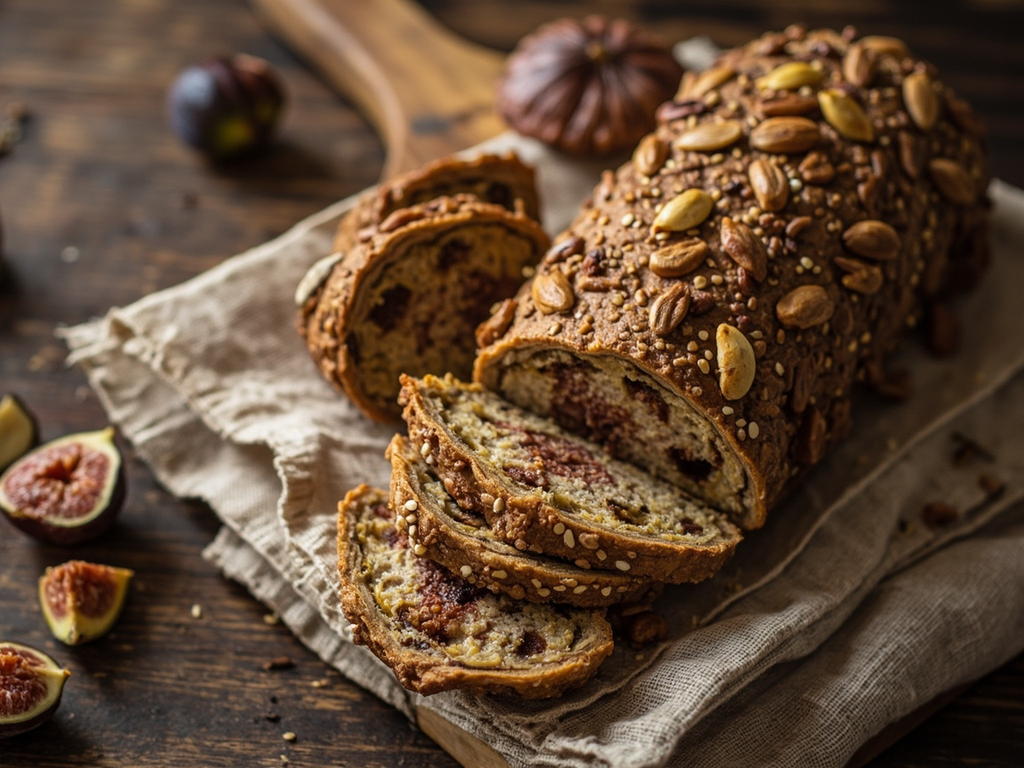
Pressed fig, sesame and pine nut bread of the pilgrims of Pessinus
Viaticum — compact provision for the road and procession
🍯 🍄· 30 min
View the recipe