 flip
flipMulsum with pine resin, the sweet wine of the Mother
Mulsum with pine resin, the sweet wine of the Mother
Why this dish? The pine is Cybele's tree: under it Attis, her beloved, was transformed, and a cut pine was carried in procession during her festivals. Sweetening the honeyed wine with a hint of pine resin, as the Ancients did, is to offer the goddess the very flavor of her sacred tree.
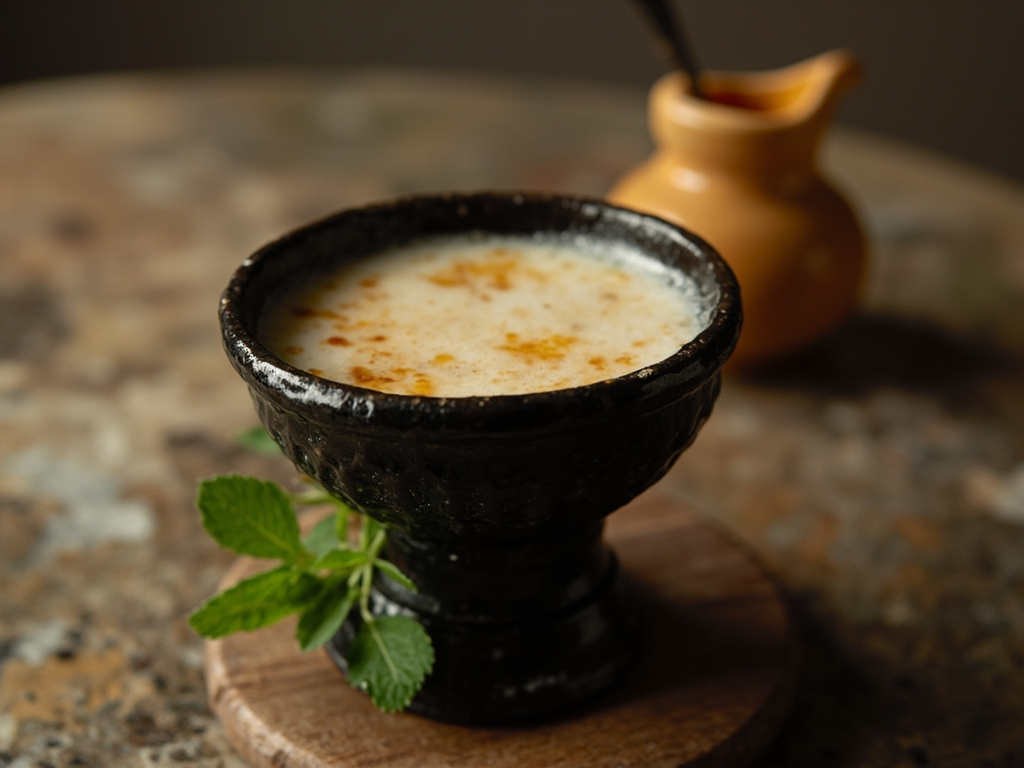
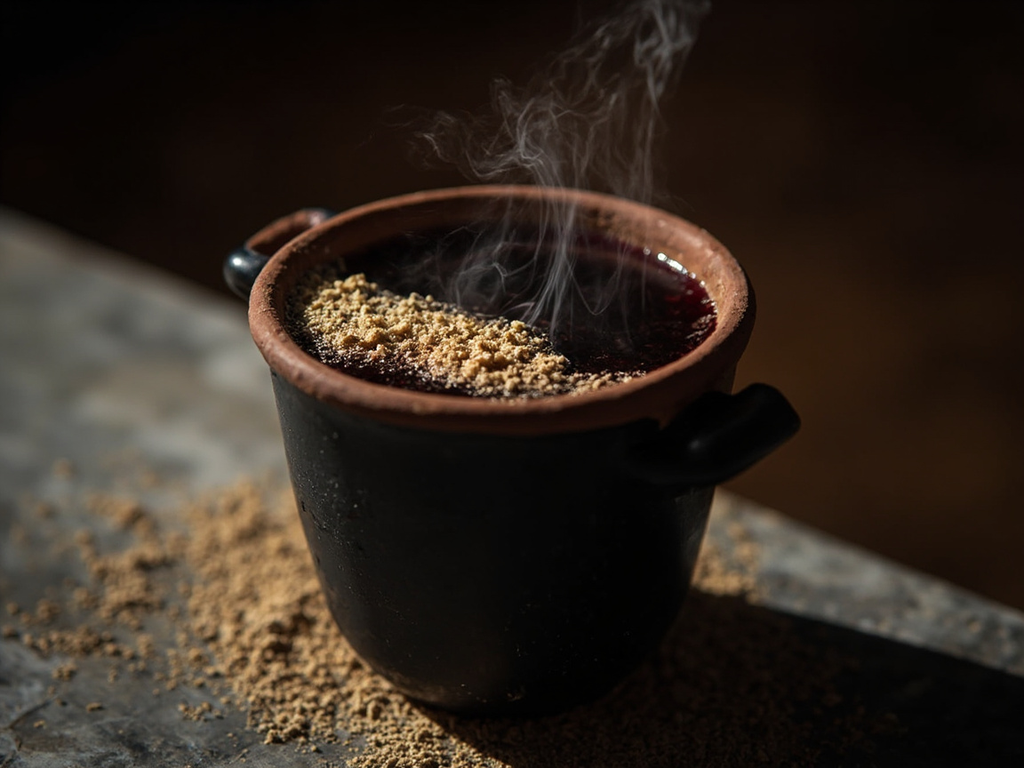
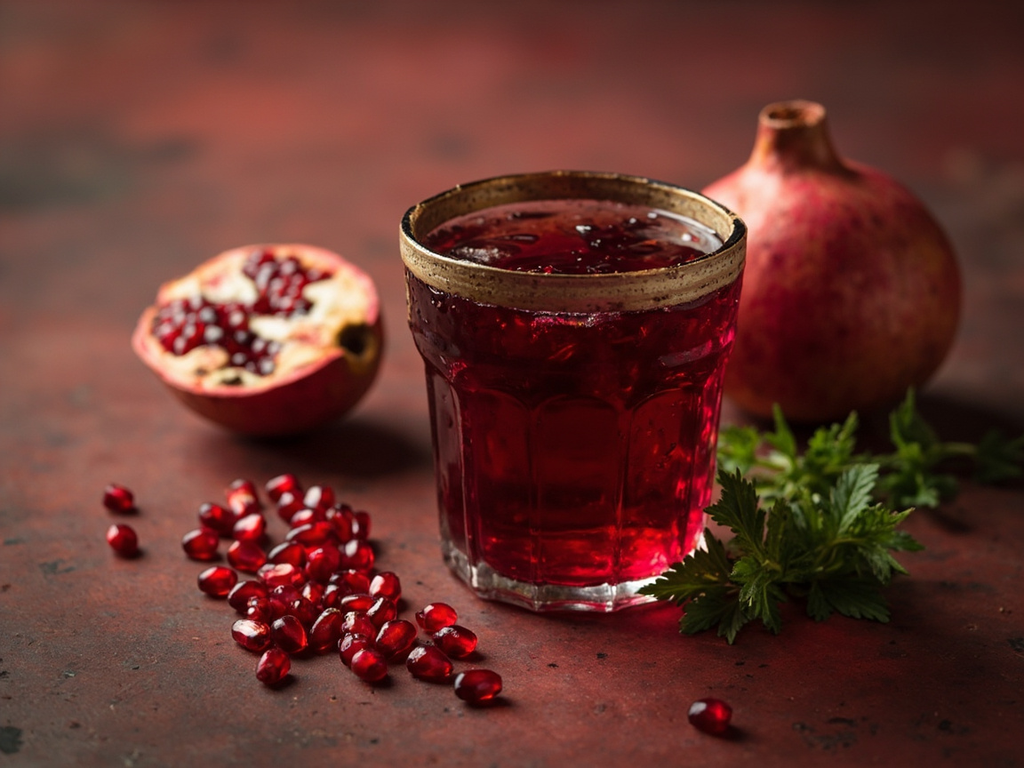
A warm, sweet wine, honeyed and then scented with an infinitesimal touch of pine resin and needles, served warm. Sweet on the palate, with a resinous, balsamic bitterness at the finish. (Non-alcoholic version possible with grape juice.)
Pour first for me, mortal, before drinking yourself: such is the Mother's rule. Take the wine from your vines, marry it to honey as one tames a wild thing, and let fall into it a chip of resin from my pine — that under which Attis still mourns. Warm gently, never boil, for the fury of fire is foreign to me. When the scent of pine rises to the sky, the libation is ready: the first cup is mine, the second is yours.
- •Sweet wine — a pitcher (base)
- •Honey — as much as needed (sweetness (mulsum))
- •Pine resin (mastic / needles) — a very small touch (sacred perfume)
Mulsum with pine resin, the sweet wine of the Mother
A warm, sweet wine, honeyed and then scented with an infinitesimal touch of pine resin and needles, served warm. Sweet on the palate, with a resinous, balsamic bitterness at the finish. (Non-alcoholic version possible with grape juice.)
Why this dish? The pine is Cybele's tree: under it Attis, her beloved, was transformed, and a cut pine was carried in procession during her festivals. Sweetening the honeyed wine with a hint of pine resin, as the Ancients did, is to offer the goddess the very flavor of her sacred tree.
Pour first for me, mortal, before drinking yourself: such is the Mother's rule. Take the wine from your vines, marry it to honey as one tames a wild thing, and let fall into it a chip of resin from my pine — that under which Attis still mourns. Warm gently, never boil, for the fury of fire is foreign to me. When the scent of pine rises to the sky, the libation is ready: the first cup is mine, the second is yours.
Ingredients (period version)
- Sweet wine — a pitcher (base)
- Honey — as much as needed (sweetness (mulsum))
- Pine resin (mastic / needles) — a very small touch (sacred perfume)
Ingredients
- Sweet red wine (or grape juice for non-alcoholic version) — 75 cl (base)
- Honey — 4 to 5 tablespoons (sweetness)
- Edible pine needles (or 1 pinch of Chios mastic) — 1 small branch / 1 pinch (resinous aroma)
- Pine nuts — 1 tablespoon (garnish and pine reminder)
Method
- Heat the wine (or grape juice) over low heat, without boiling.
- Dissolve the honey in it, stirring.
- Add the sprig of pine needles (or pinch of mastic) and let infuse for 5 minutes off the heat.
- Strain to remove the needles. Taste: the pine aroma should remain subtle.
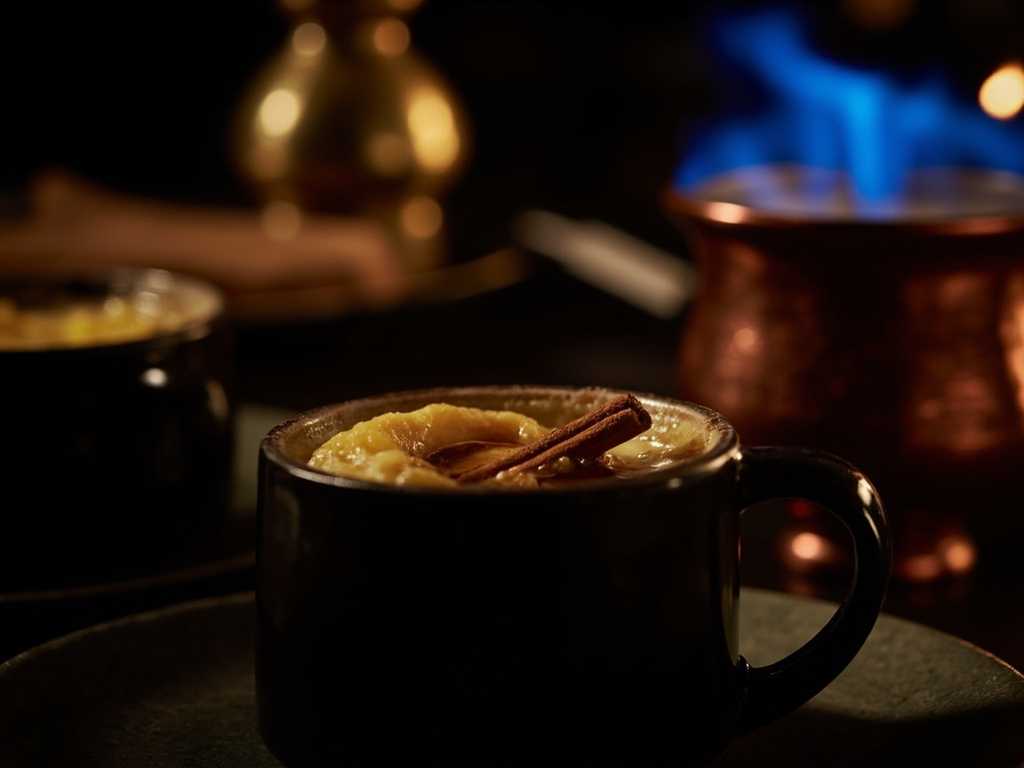
- Serve warm, sprinkling a few toasted pine nuts on the surface.
How it was made : Romans commonly drank mulsum, wine mixed with honey, at the start of a meal, and often resinated their wines for preservation and flavor — ancestor of Greek retsina. Associating this drink with Cybele's sacred pine is a plausible reconstruction rather than a word-for-word attested recipe.
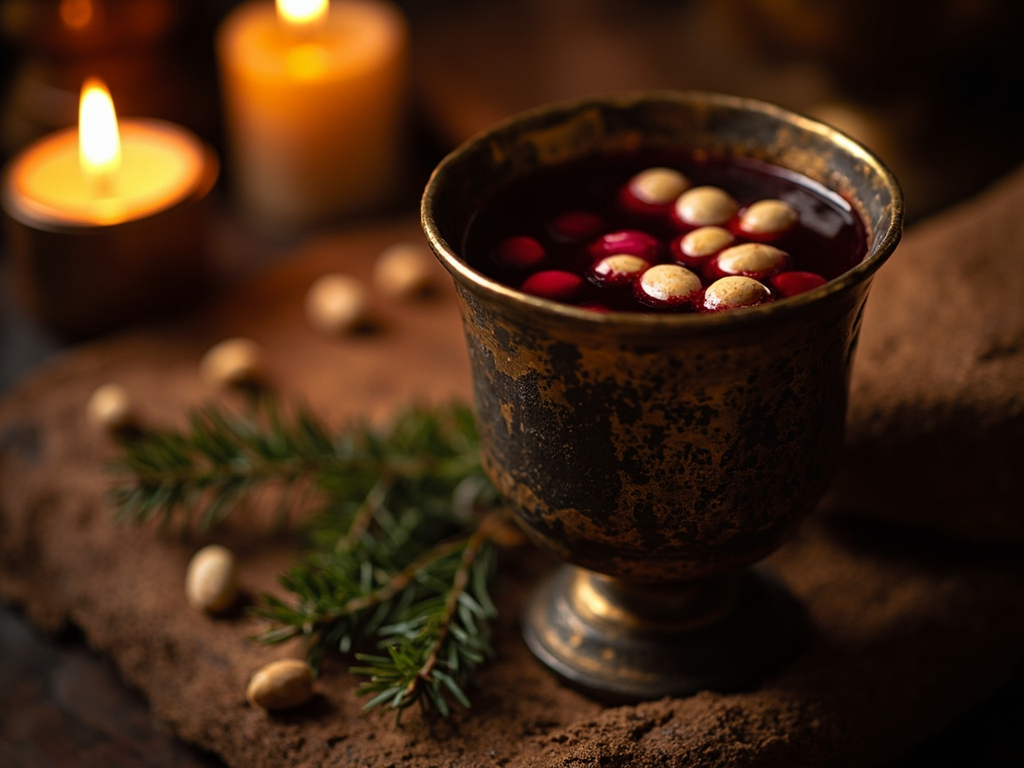
The contemporary twist : Served in low cups with a floating pine nut and a fine pine needle placed on top, this is a 'pine mead' for an antique-themed evening.
Sources : Apicius, De re coquinaria, I (preparations of flavored wines and mulsum) · Catullus, poem 63 (Attis and the cult of Cybele, symbolism of the pine)
Cybele · Charactorium