 flip
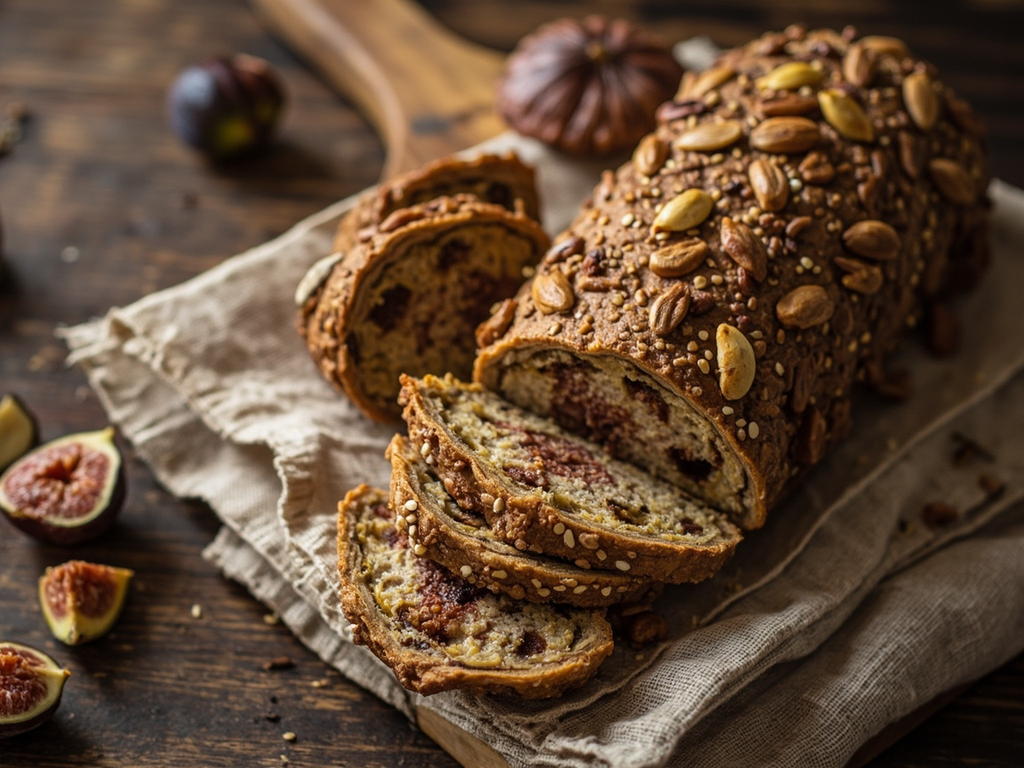
flipPressed fig, sesame and pine nut bread of the pilgrims of Pessinus
Pressed fig, sesame and pine nut bread of the pilgrims of Pessinus
Why this dish? Pessinus, in Phrygia, housed the great sanctuary of Cybele and her sacred black stone — the very one that was carried to Rome in 204 BC. Pilgrims and processions needed compact, durable food: a mass of dried figs, nuts, and seeds, kneaded and pressed, would keep for weeks and sustain them on the long Anatolian roads.
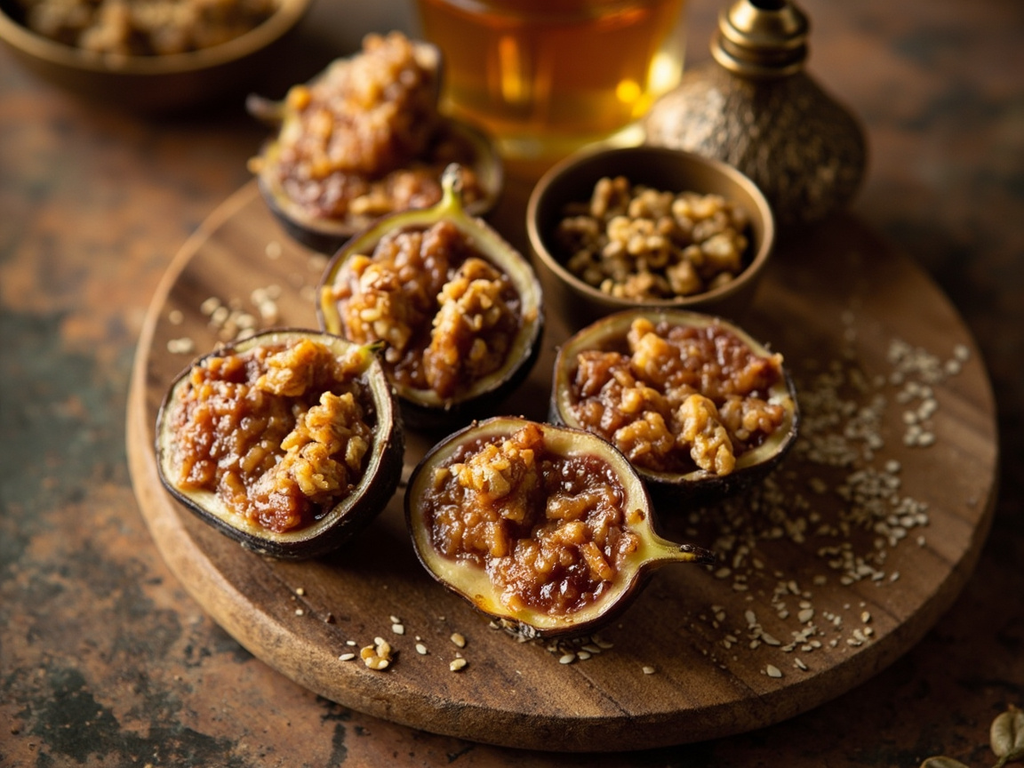
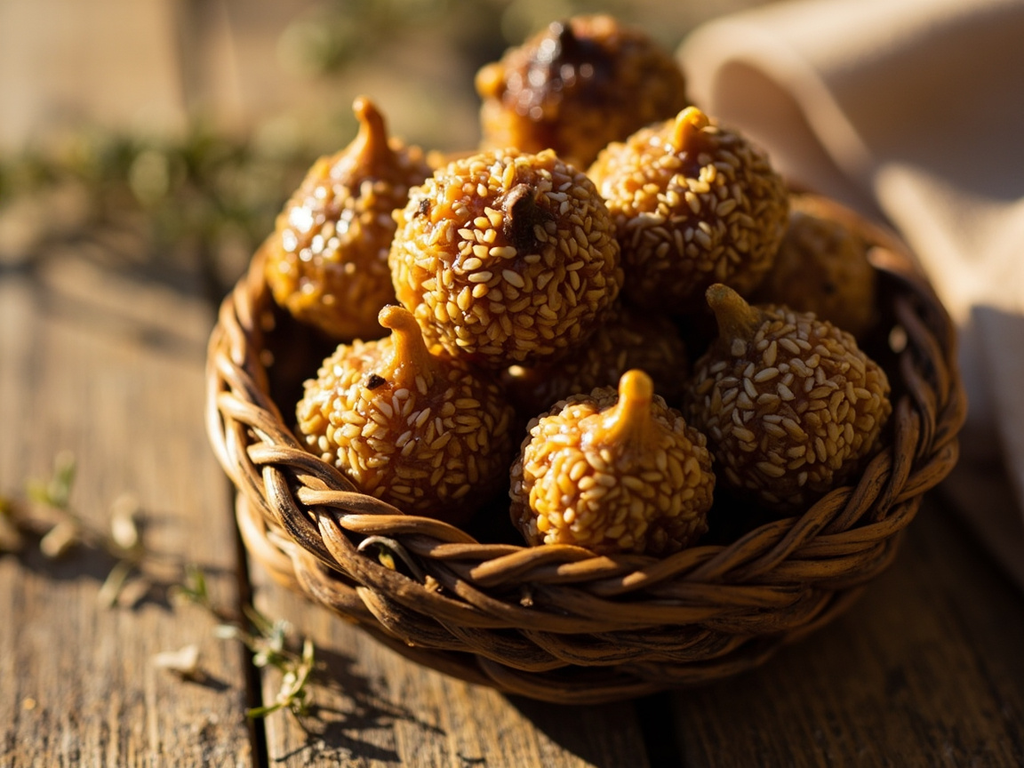
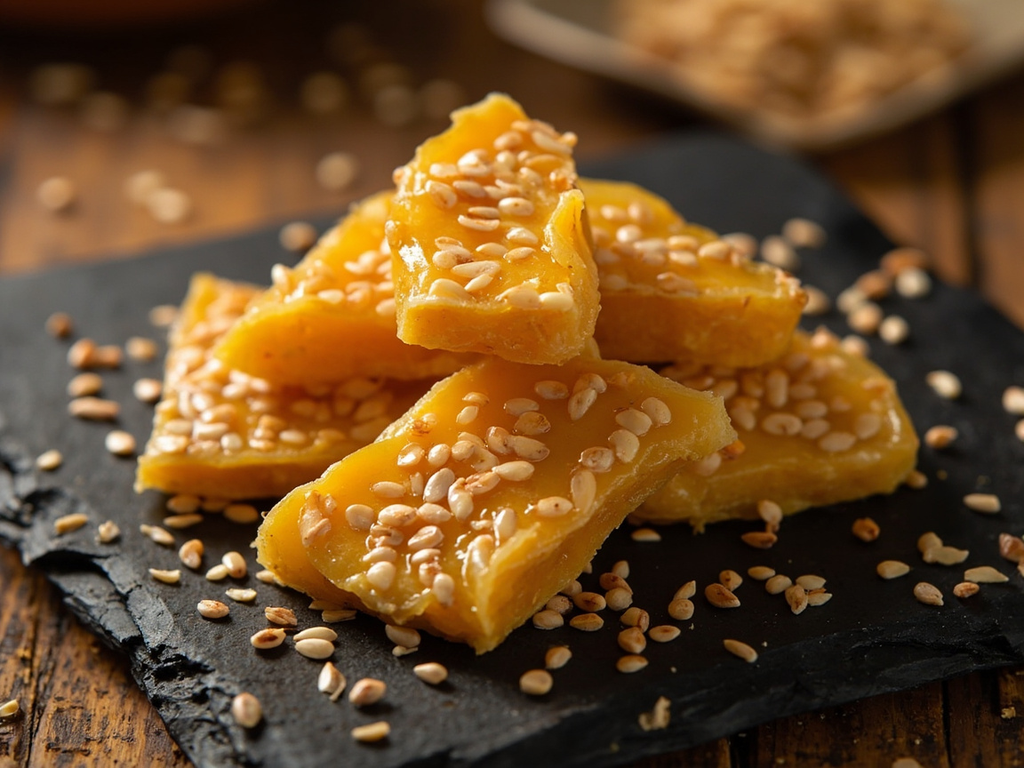
A dense, sticky 'brick' of crushed dried figs, bound with honey, studded with pine nuts, walnuts, and sesame seeds, rolled tightly and sliced. Sweet, rich, slightly toasted — the energy snack of ancient travelers.
You are setting out on the roads of Phrygia to visit my house at Pessinus? Then listen to the Mother: do not burden yourself with bread that moulds. Take the figs that my sun has dried, crush them with the nuts of my forests and the fragrant seeds, bind it all with a little honey and press hard between your hands, again and again, until it becomes a soft stone. Cut it into pieces: it will sustain you for days, and each bite will remind you that the earth, wherever you go, is my body.
- •Dried figs — a good amount (sweet base and binder)
- •Walnuts and almonds — a handful (richness and crunch)
- •Pine nuts — a handful (reminder of the sacred pine)
- •Sesame seeds — a handful (toasted aroma)
- •Honey — a little (binder)
Pressed fig, sesame and pine nut bread of the pilgrims of Pessinus
A dense, sticky 'brick' of crushed dried figs, bound with honey, studded with pine nuts, walnuts, and sesame seeds, rolled tightly and sliced. Sweet, rich, slightly toasted — the energy snack of ancient travelers.
Why this dish? Pessinus, in Phrygia, housed the great sanctuary of Cybele and her sacred black stone — the very one that was carried to Rome in 204 BC. Pilgrims and processions needed compact, durable food: a mass of dried figs, nuts, and seeds, kneaded and pressed, would keep for weeks and sustain them on the long Anatolian roads.
You are setting out on the roads of Phrygia to visit my house at Pessinus? Then listen to the Mother: do not burden yourself with bread that moulds. Take the figs that my sun has dried, crush them with the nuts of my forests and the fragrant seeds, bind it all with a little honey and press hard between your hands, again and again, until it becomes a soft stone. Cut it into pieces: it will sustain you for days, and each bite will remind you that the earth, wherever you go, is my body.
Ingredients (period version)
- Dried figs — a good amount (sweet base and binder)
- Walnuts and almonds — a handful (richness and crunch)
- Pine nuts — a handful (reminder of the sacred pine)
- Sesame seeds — a handful (toasted aroma)
- Honey — a little (binder)
Ingredients
- Soft dried figs — 300 g (base and binder)
- Shelled walnuts — 60 g (crunch)
- Almonds — 40 g (crunch)
- Pine nuts — 40 g (pine reminder)
- Sesame seeds — 3 tablespoons (aroma)
- Honey — 1 to 2 tablespoons (binder)
Method
- Dry-toast the sesame seeds, pine nuts, walnuts, and almonds for a few minutes to brown them, then roughly chop the walnuts and almonds.
- Blend the dried figs (stemmed) until a thick, sticky paste forms.
- Mix the fig paste with the nuts, seeds, and honey.
- Place the mass on a sheet, roll tightly into a log or press into a compact block.
- Refrigerate for 1 hour to firm up, then slice. Keeps for several days wrapped.
How it was made : Pressed fig cakes and mixtures of dried fruits and seeds were classic travel provisions in the ancient Mediterranean: compact, energy-rich, resistant to heat. They were bound with honey or reduced must. No precise 'Pessinus' recipe has survived: this is an evocation based on attested products and practices of the region.
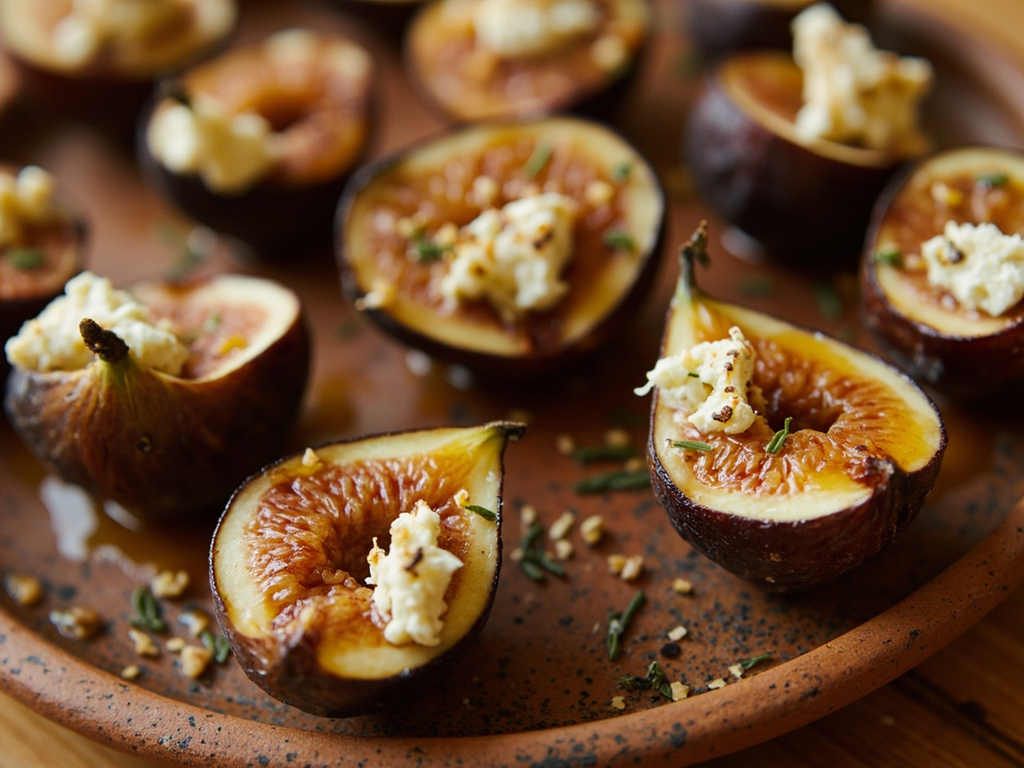
The contemporary twist : Sliced thinly and served with fresh sheep's cheese, this 'fig salami' becomes a sweet-savory pairing for a festive platter.
Sources : Livy, Roman History, XXIX, 10-14 (the black stone of Pessinus brought to Rome) · Cato the Elder, De Agri Cultura (provisions and preserved dried fruits)
Cybele · Charactorium