The Byzantine Monastic Trapeza
In Byzantine monasteries, the meal is taken at the trapeza, the refectory, in silence while a brother reads aloud from holy scripture. There is no starter-main-dessert: one or two sober dishes are served, regulated day by day by the liturgical calendar. On fast days (Wednesday, Friday, Lent), only bread, pulses, and water are allowed, sometimes without oil. On feast days, fish, wine mixed with water, and honey are permitted. Everything is shared in equal portions, from the abbot to the youngest novice.
Signature : Garos (Byzantine Garum)
A fermented fish brine inherited from Rome, garos gives Byzantine dishes their savory umami depth. A few drops replace salt and define the cuisine of the Empire. Today, fish sauce or colatura di alici can replicate its taste.
Cyril and Methodius at the table
5 period recipes
 Everyday
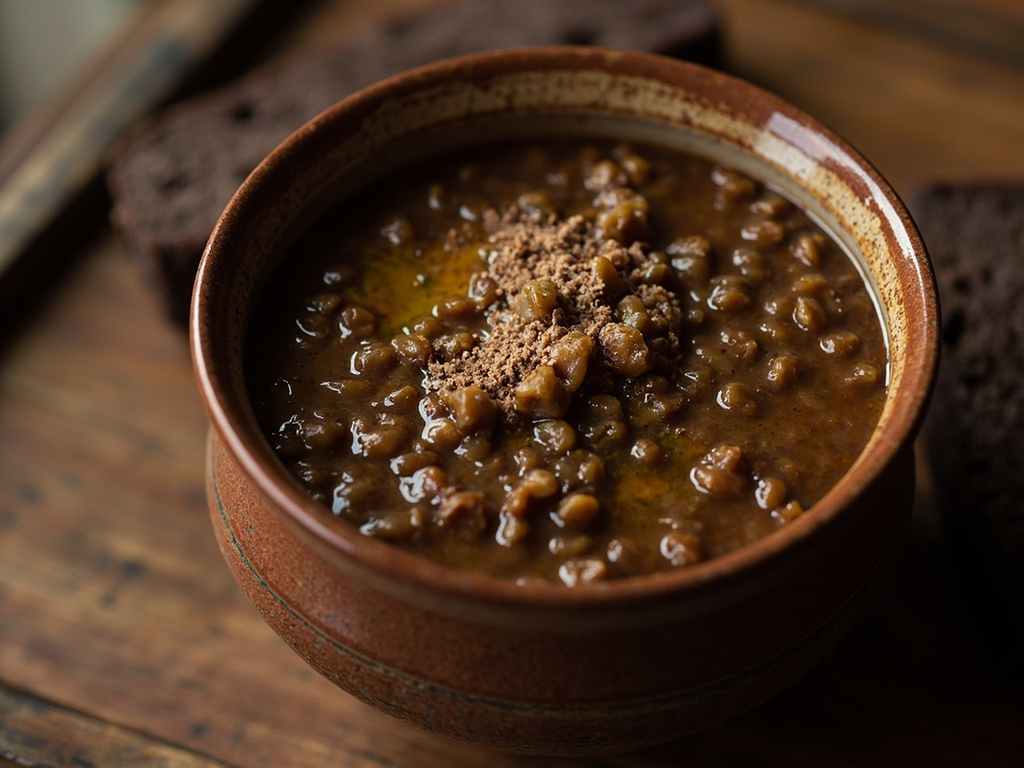
Phakē, the Lentil Porridge of Fasting
Lenten dish of the trapeza (meal on lean days)
🧂 🍋 🍄· 50 min
View the recipe
 Festive
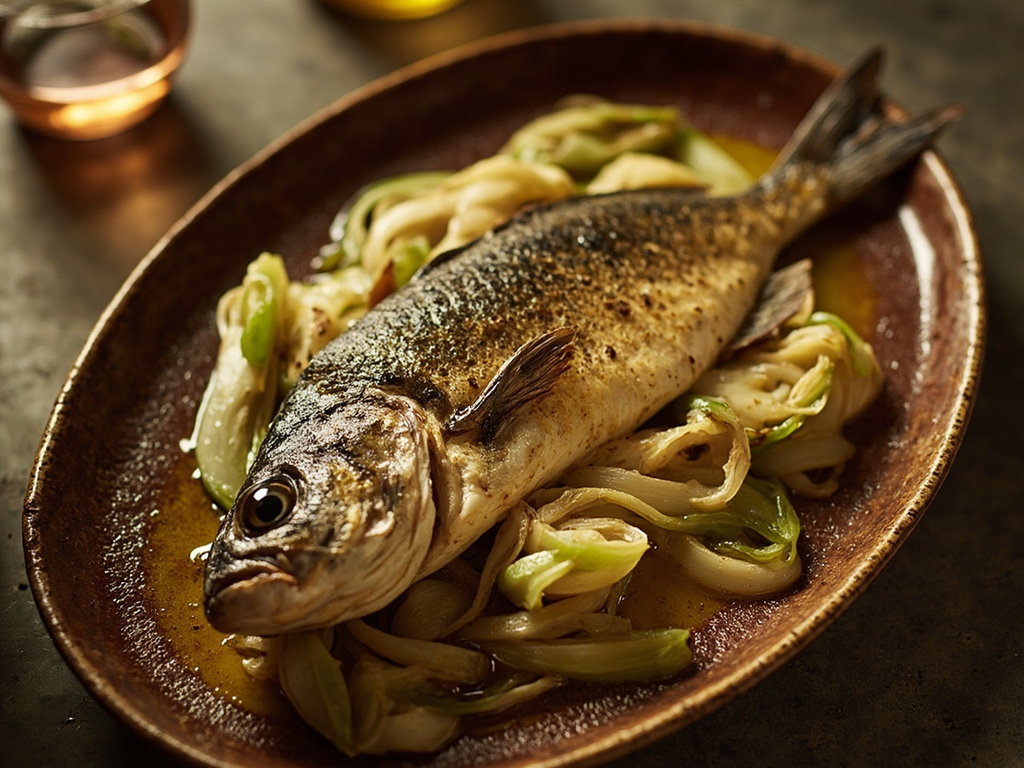
Fish with Garos and Leeks for Feast Days
Rich feast dish (meal allowed outside fasting)
🧂 🍄· 45 min
View the recipe
 Travel
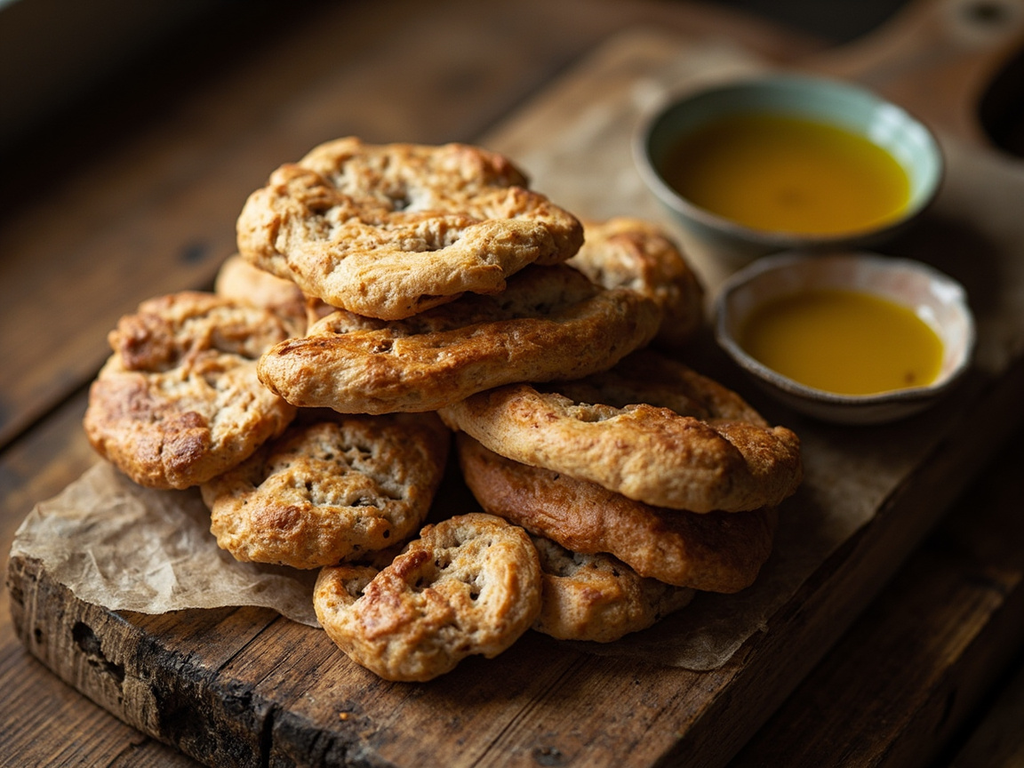
Paximadion, the Missionaries' Travel Biscuit
Provision bread (travel and hermit ration)
🧂· 3 h (including drying)
View the recipe
 Offering
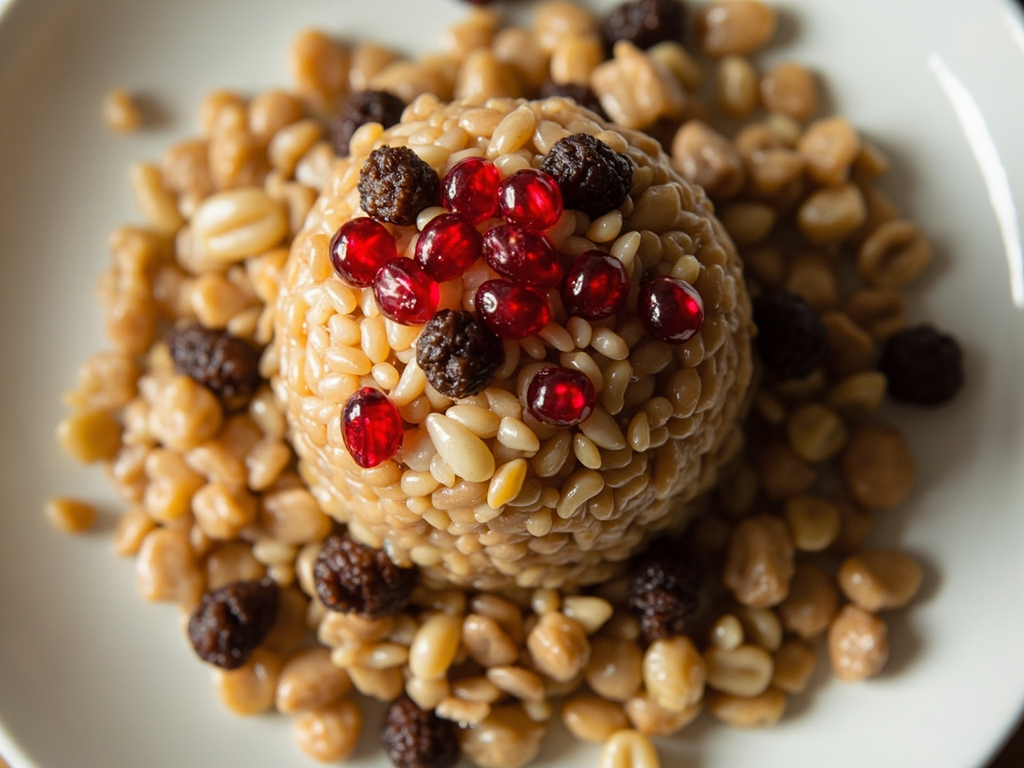
Kollyva, the Sweet Wheat of Remembrance
Commemorative offering (liturgical dish for the departed)
🍯· 2 h (including soaking)
View the recipe
 Drink
DrinkSpiced Honeyed Wine for Days of Rejoicing
Festive drink (trapeza wine, diluted and spiced)
🍯 🌶️· 20 min
View the recipe