 flip
flipPhakē, the Lentil Porridge of Fasting
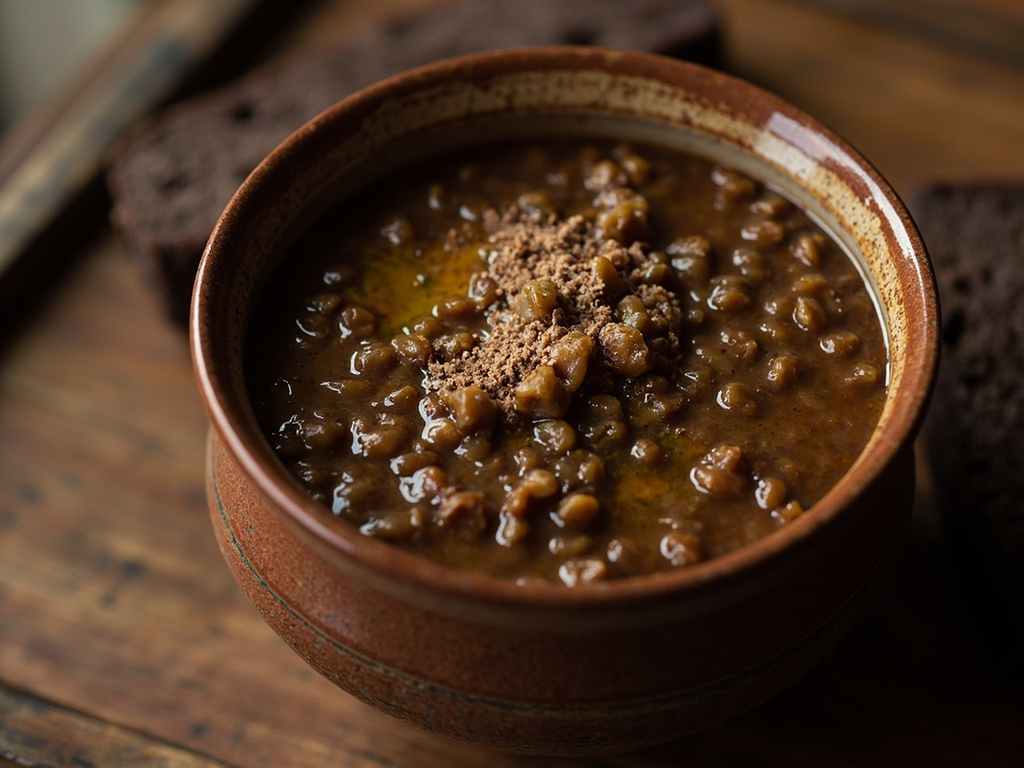
Phakē, the Lentil Porridge of Fasting
Why this dish? The two brothers, trained in monastic life before their mission to the Slavs, lived by the rhythm of Byzantine fasts. Phakē, a lentil soup sharpened with vinegar, was the everyday fare on lean days, described even in contemporary satire.
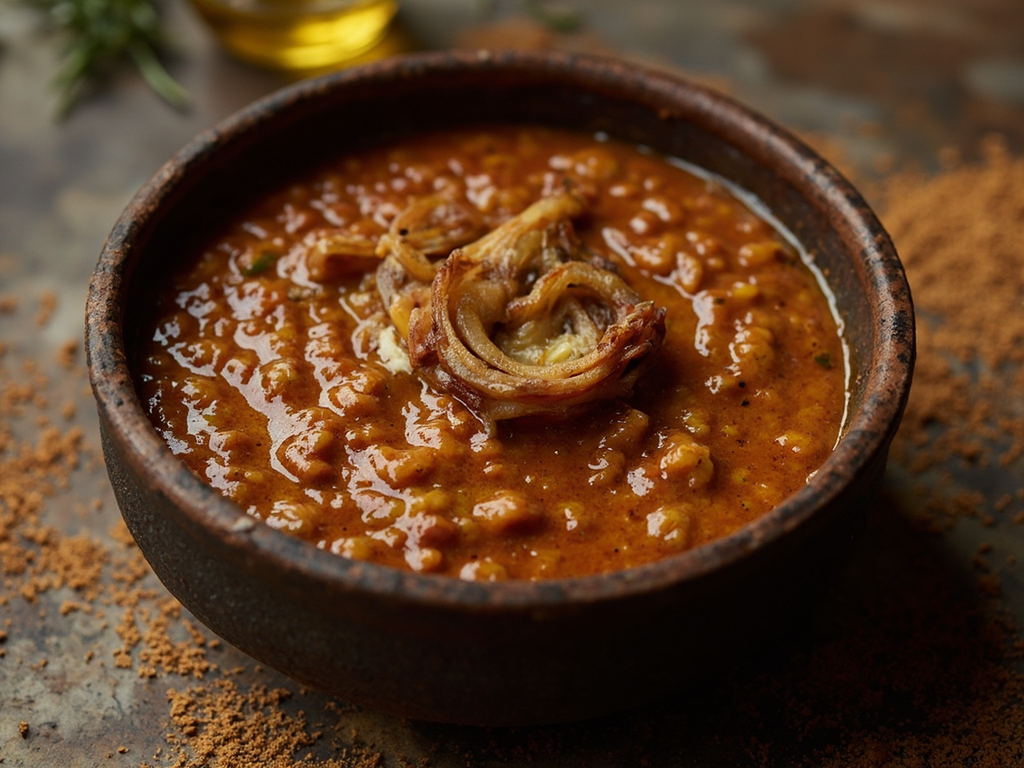
A thick soup of brown lentils, flavored with onion and herbs, brightened with a splash of vinegar. Nourishing and cheap, it sustained the monks between the offices.
Brother, sit down and listen to the holy reading while I serve you. Here is phakē, the humble porridge we ate in Constantinople as well as in the solitude of Mount Olympus of Bithynia. The secret is this: let the lentils simmer long, then pour a stream of vinegar at the last moment, for it awakens the dish and strengthens the soul in fasting. We had no meat, yet we were filled, our bellies at peace to translate the Scriptures into the language of the Slavs.
- •Brown lentils — a good bowlful (nourishing base)
- •Onion — one (aromatic)
- •Olive oil — a drizzle (on oil-allowed days) (binding and flavor)
- •Wine vinegar — a few drops (acidity)
- •Coriander and cumin — a pinch (spices)
- •Garos — a hint (salty umami)
Phakē, the Lentil Porridge of Fasting
A thick soup of brown lentils, flavored with onion and herbs, brightened with a splash of vinegar. Nourishing and cheap, it sustained the monks between the offices.
Why this dish? The two brothers, trained in monastic life before their mission to the Slavs, lived by the rhythm of Byzantine fasts. Phakē, a lentil soup sharpened with vinegar, was the everyday fare on lean days, described even in contemporary satire.
Brother, sit down and listen to the holy reading while I serve you. Here is phakē, the humble porridge we ate in Constantinople as well as in the solitude of Mount Olympus of Bithynia. The secret is this: let the lentils simmer long, then pour a stream of vinegar at the last moment, for it awakens the dish and strengthens the soul in fasting. We had no meat, yet we were filled, our bellies at peace to translate the Scriptures into the language of the Slavs.
Ingredients (period version)
- Brown lentils — a good bowlful (nourishing base)
- Onion — one (aromatic)
- Olive oil — a drizzle (on oil-allowed days) (binding and flavor)
- Wine vinegar — a few drops (acidity)
- Coriander and cumin — a pinch (spices)
- Garos — a hint (salty umami)
Ingredients
- Brown or green lentils — 250 g (base)
- Chopped onion — 1 large (aromatic)
- Olive oil — 3 tbsp (flavor)
- Red wine vinegar — 1 tbsp (final acidity)
- Ground coriander seeds and cumin — 1 tsp total (spices)
- Fish sauce (colatura) — 1 tsp (umami, instead of salt)
Method
- Sauté the onion in olive oil until golden.
- Add the rinsed lentils, spices, and cover generously with water.
- Simmer for 35–40 minutes, until the lentils break down into a thick porridge.
- Season with a hint of fish sauce instead of salt.
- Off the heat, stir in the vinegar and serve hot with bread.
How it was made : Phakē appears in Byzantine texts as the quintessential popular and monastic dish. The vinegar added at the end of cooking was the characteristic touch, so much so that ancient recipes already debated the right amount.
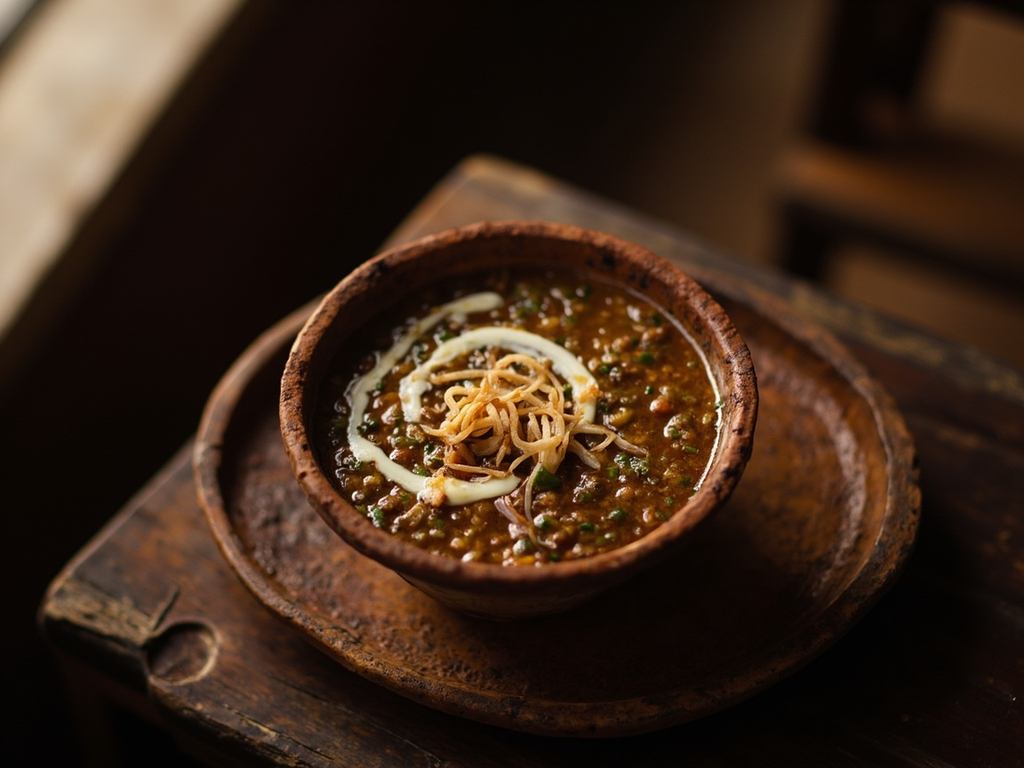
The contemporary twist : A spoonful of Greek yogurt and a sprig of fresh mint when serving: a direct bridge to modern Greek cuisine, daughter of Byzantium.
Cyril and Methodius · Charactorium