The Ordinary Fare of the Crew and the Officers' Table
On board the frigates La Recherche and L'Espérance, meals were not served in courses as on land: they were eaten by rank and necessity. The sailors shared the 'mess' in groups of seven men around a single cauldron: ship's biscuit, a soup of dried legumes, salt pork or beef from the brine, all timed by the watch bell. The officers — including the admiral — had a separate, better-stocked table: a little French wine, cheese, preserves, and, at landfalls (the aiguade), whatever fresh produce the land offered against scurvy. The ship's cuisine was therefore first and foremost a cuisine of preservation, extended by the ephemeral feasts of the port of call.
Signature : Salting and Ship's Biscuit
Before any refrigerator, it was salt (brine for meats), drying (twice-baked biscuit), and the barrel that made a two-year voyage around the world possible. All the expedition's cooking revolved around this science of preservation — and the constant fight against scurvy when these provisions depleted men's bodies.
d'Entrecasteaux at the table
5 period recipes
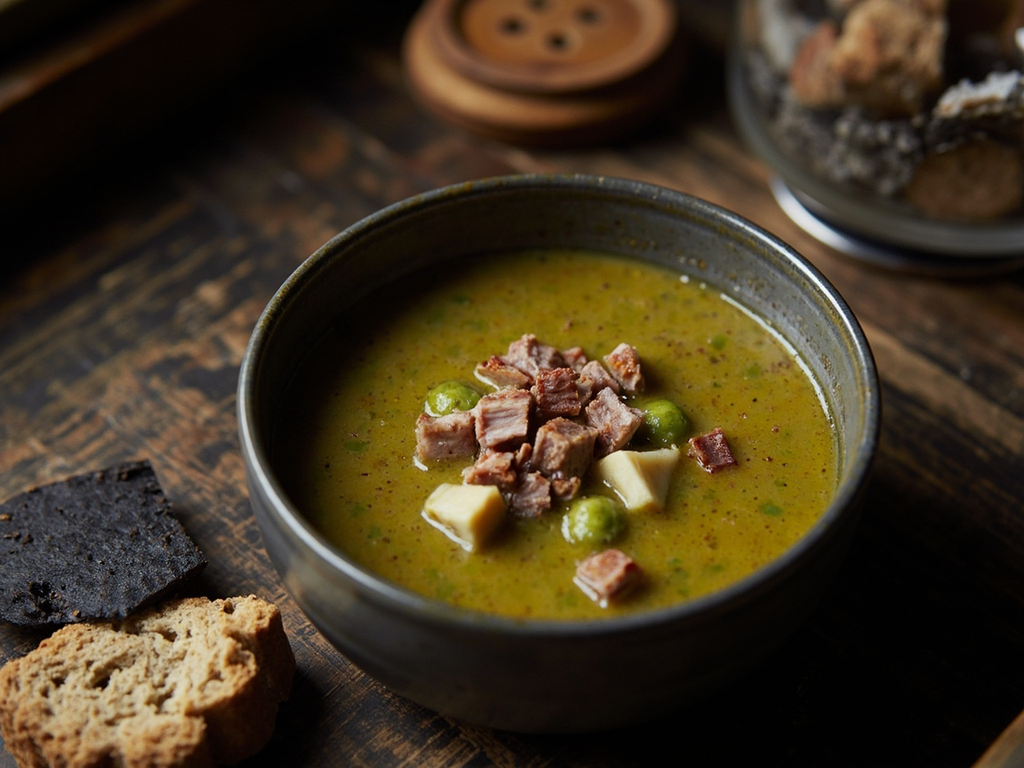 Everyday
Forecastle Broth (Split Pea and Salt Pork Soup)
Ordinary Shipboard Fare — the Common Mess
🧂 🍄· 1 h 15
View the recipe
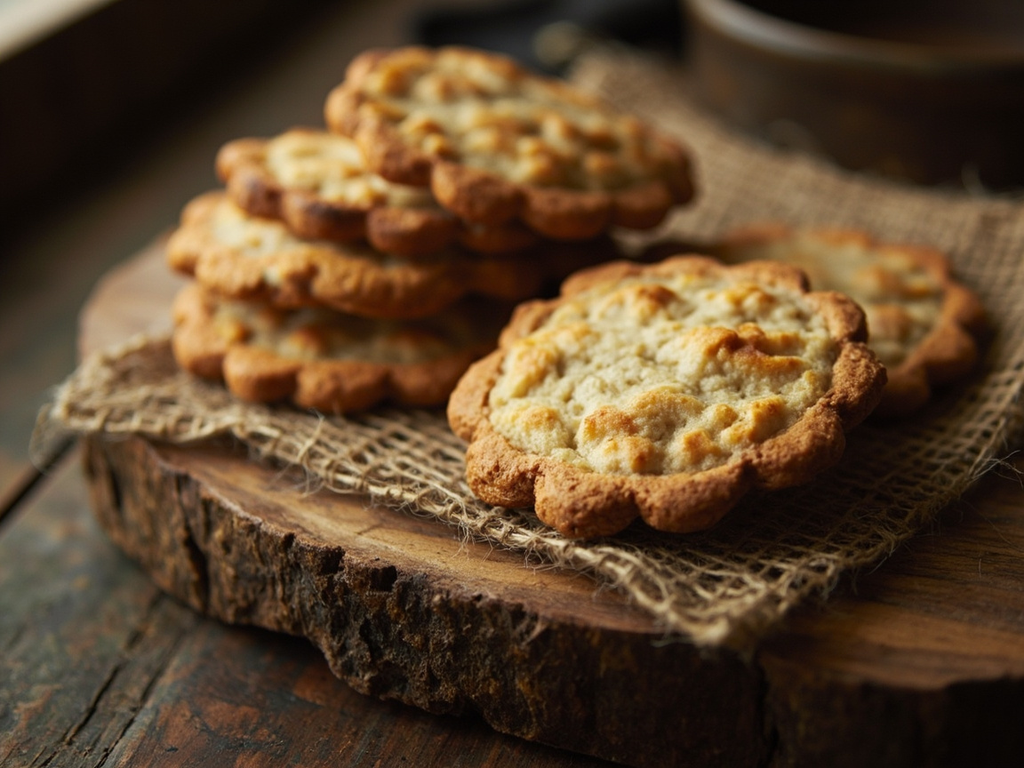 Preserving
Ship's Biscuit (Twice-Baked Bread)
Hold Provisions — the Long-Voyage Bread Ration
🧂· 2 h 30 (including drying)
View the recipe
 Remedy
Oranges and the Aiguade Lemonade (Remedy Against Scurvy)
Shipboard Care — the Port-of-Call Cure for Sea-Sore Gums
🍋· 10 min
View the recipe
 Drink
DrinkAiguade Punch
Port-of-Call Festivity — the Shared Drink at Landfall
🍯 🍋· 15 min
View the recipe
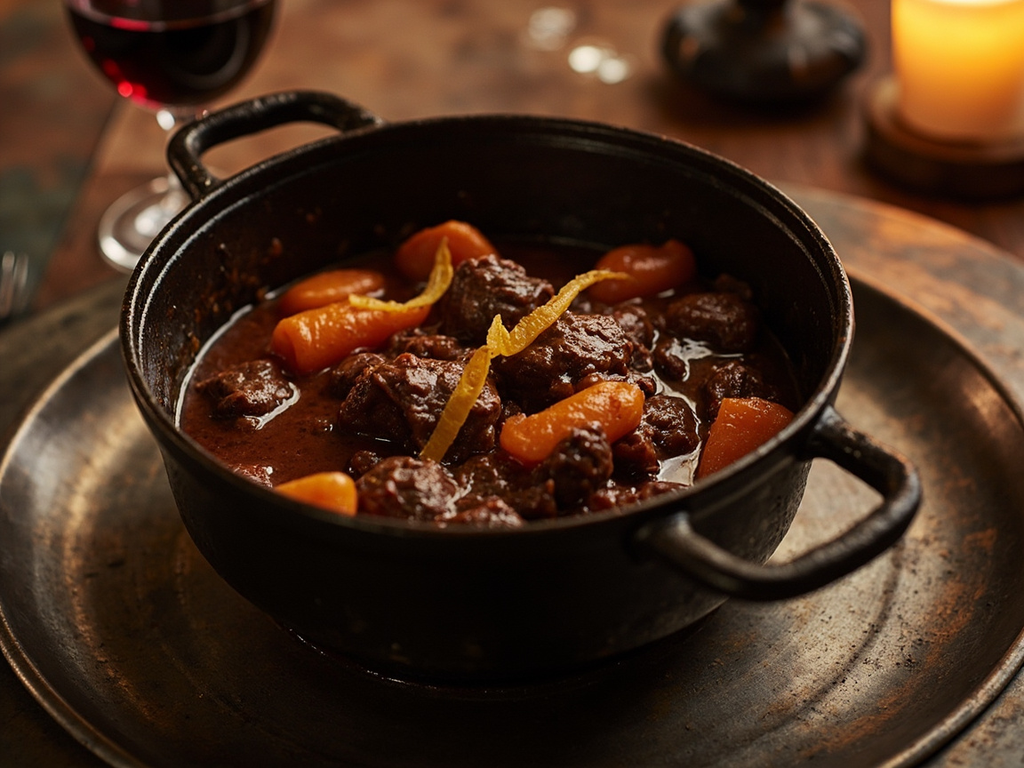 Festive
Salt Beef Daube with French Wine (Admiral's Table)
Officers' Table — the Careful Meal of the Officers
🧂 🍄· 3 h 45 (+ overnight marinade)
View the recipe