 Flip the card
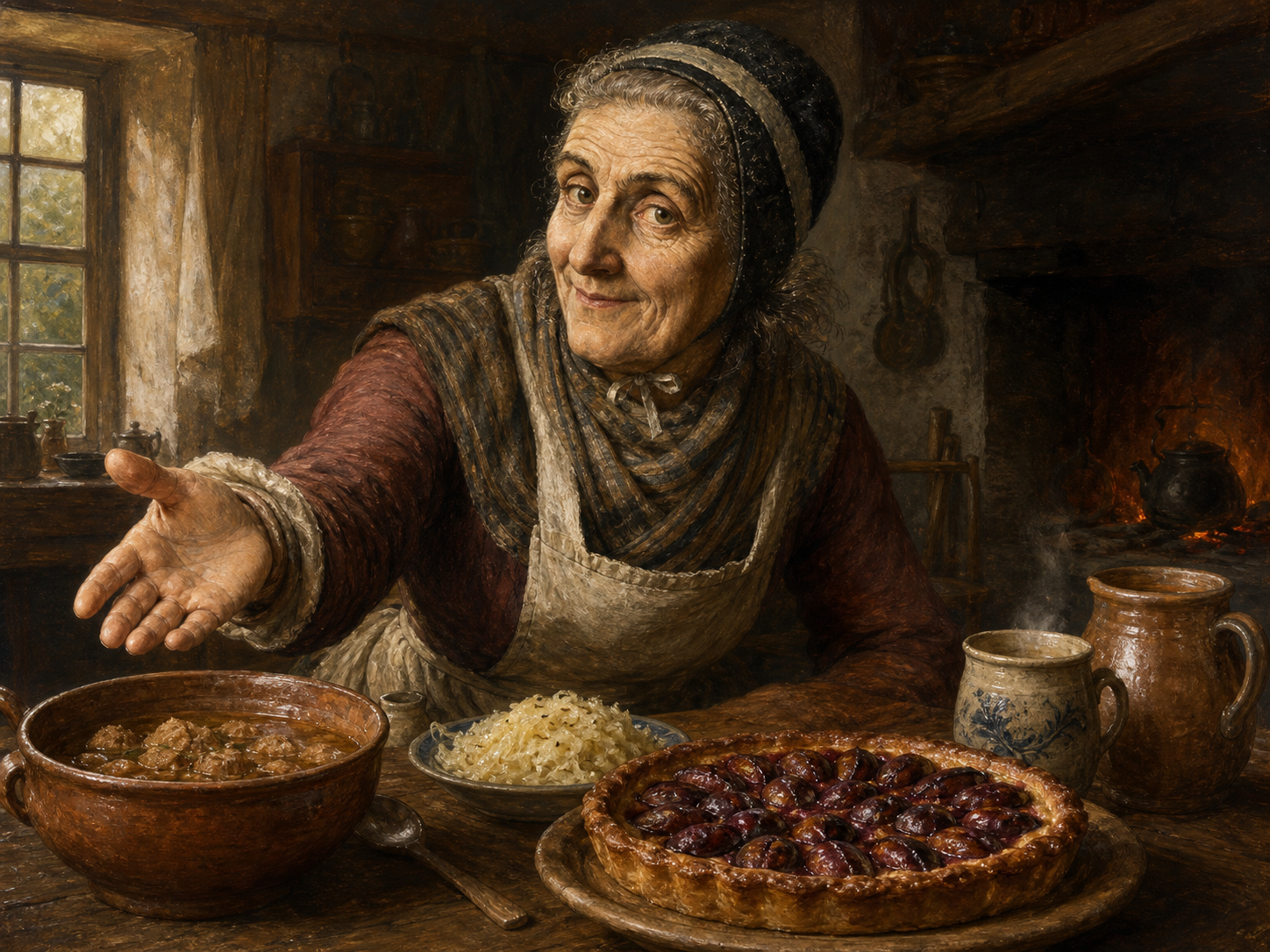
Dorothea Viehmann at the table
1755 — 1816
On the menu
The Hessian Peasant Meal (Eintopf, Bread, and Sweet Dish)
At the table of an innkeeper's daughter from Hesse, there is no separation between starter, main course, and dessert. The day is organized around three moments: the soup-stew (Suppe or Eintopf) that cooks in the single pot and feeds the entire household; the black rye bread (Schwarzbrot), present at every meal and serving as both plate and provision; and the Süßspeise (festive sweet) or the tankard shared at the inn. Preservation (sauerkraut, salted meats) sets the rhythm of the seasons, for the Hessian winter is long.
Signature : Caraway (Kümmel) and Rye
Two markers of Hessian peasant cuisine: the caraway seed, thrown into cabbage, bread, and beer to aid digestion of heavy foods, and rye, the queen of cereals in the cold lands north of Kassel, which gives the ubiquitous black bread.
click to flip back
Dorothea Viehmann at the table
1755 — 1816
5 period recipes
 Everyday
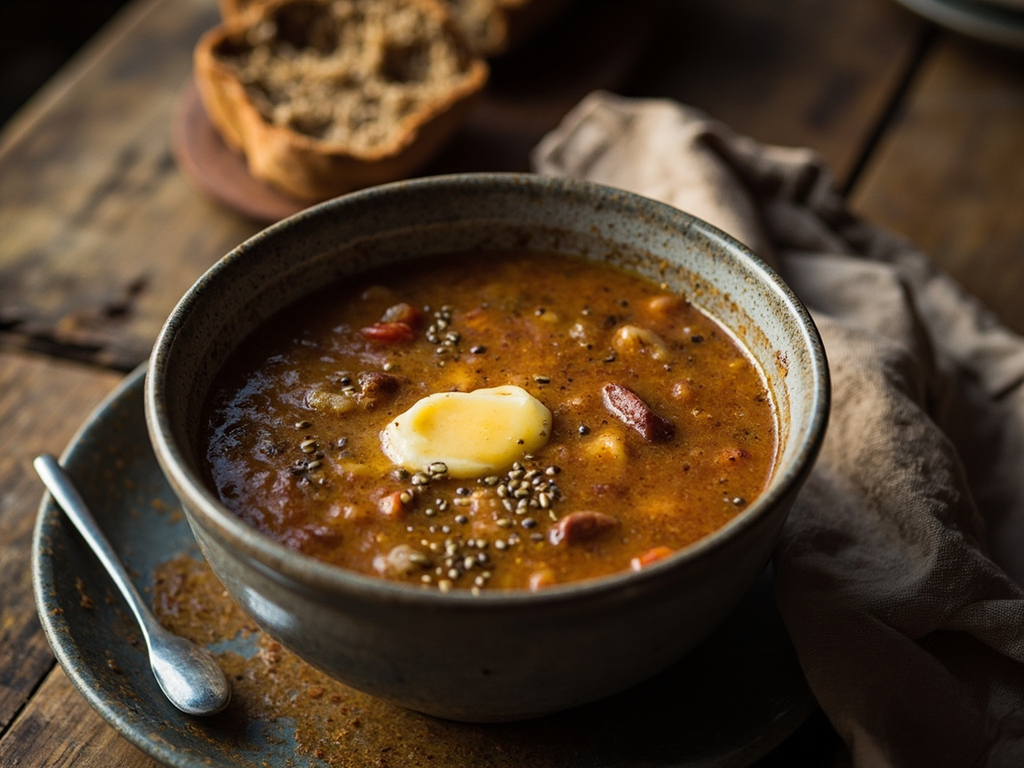
Black Bread Soup (Brotsuppe)
Suppe — the soup-stew from the single pot
🧂 🍄· 35 min
View the recipe
 Preserving
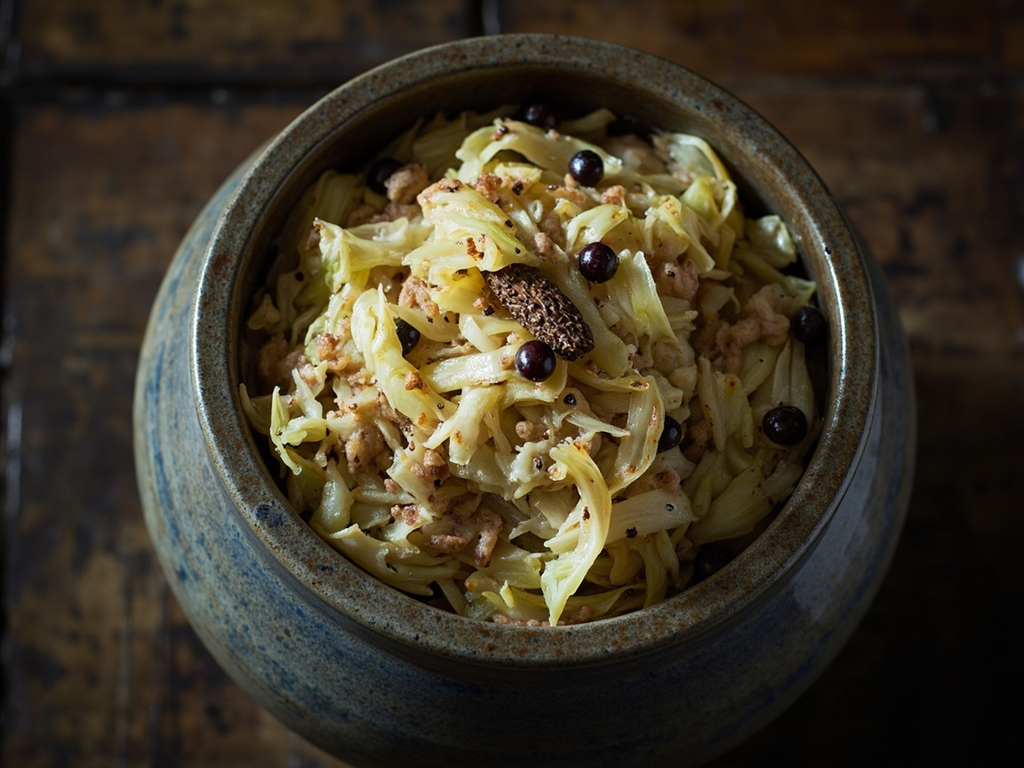
Caraway Sauerkraut from the Cellar (Sauerkraut mit Kümmel)
Vorrat — fermented reserve to last the winter
🫙 🍋· 30 min (+ 1 to 4 weeks fermentation)
View the recipe
 Festive
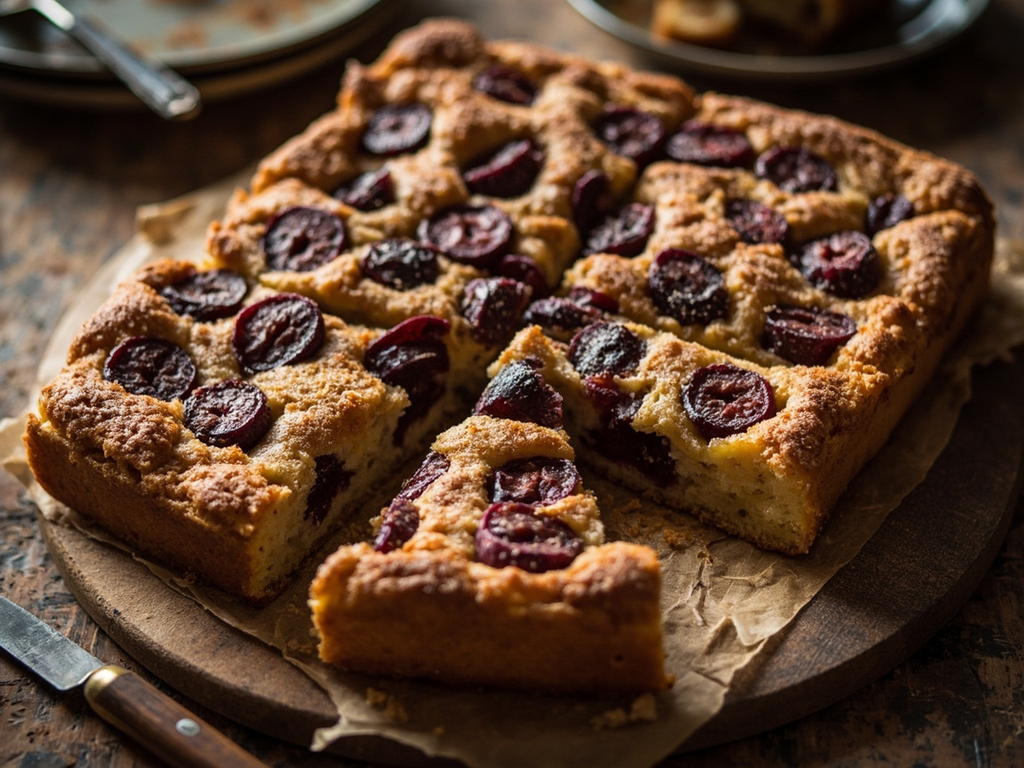
Orchard Plum Tart (Pflaumenkuchen)
Süßspeise — the sweetness of feast days and harvests
🍯 🍋· 1 h 45 (including 1 h rising)
View the recipe
 Drink
DrinkSpiced Hot Beer with Honey (Warmbier)
Trunk — the hot drink of the inn and winter evenings
🍯 ☕· 15 min
View the recipe
 Travel
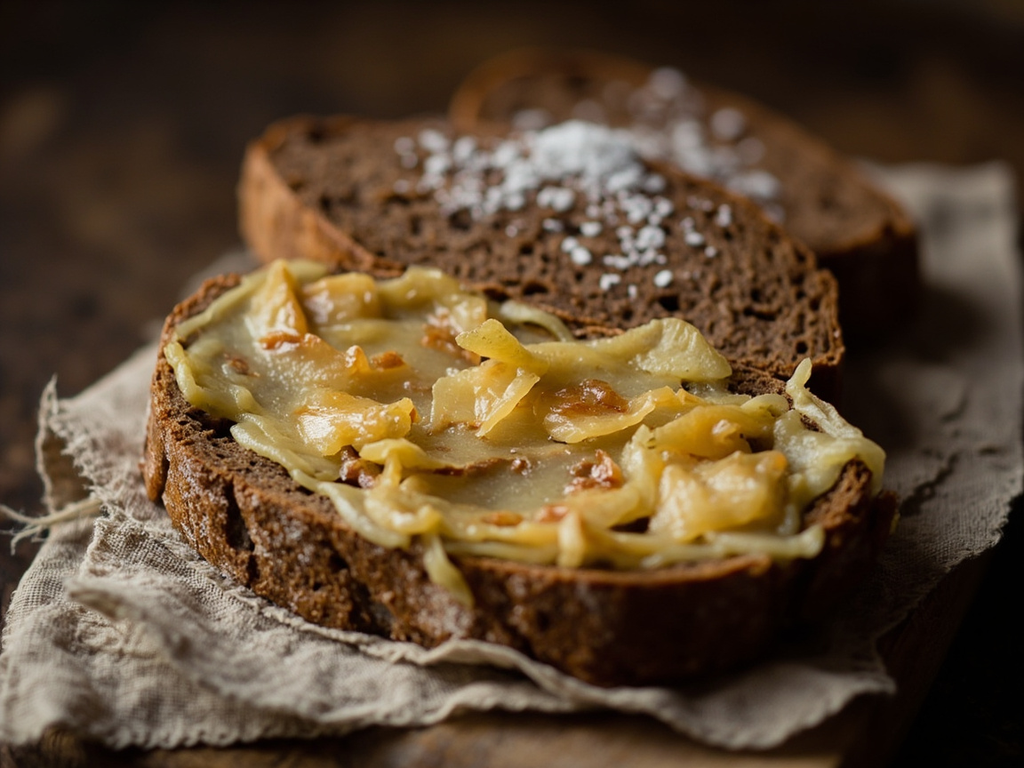
Lard Tartine for the Road (Schmalzbrot)
Wegzehrung — the provision carried on the journey
🧂· 25 min (+ cooling)
View the recipe