 Flip the card
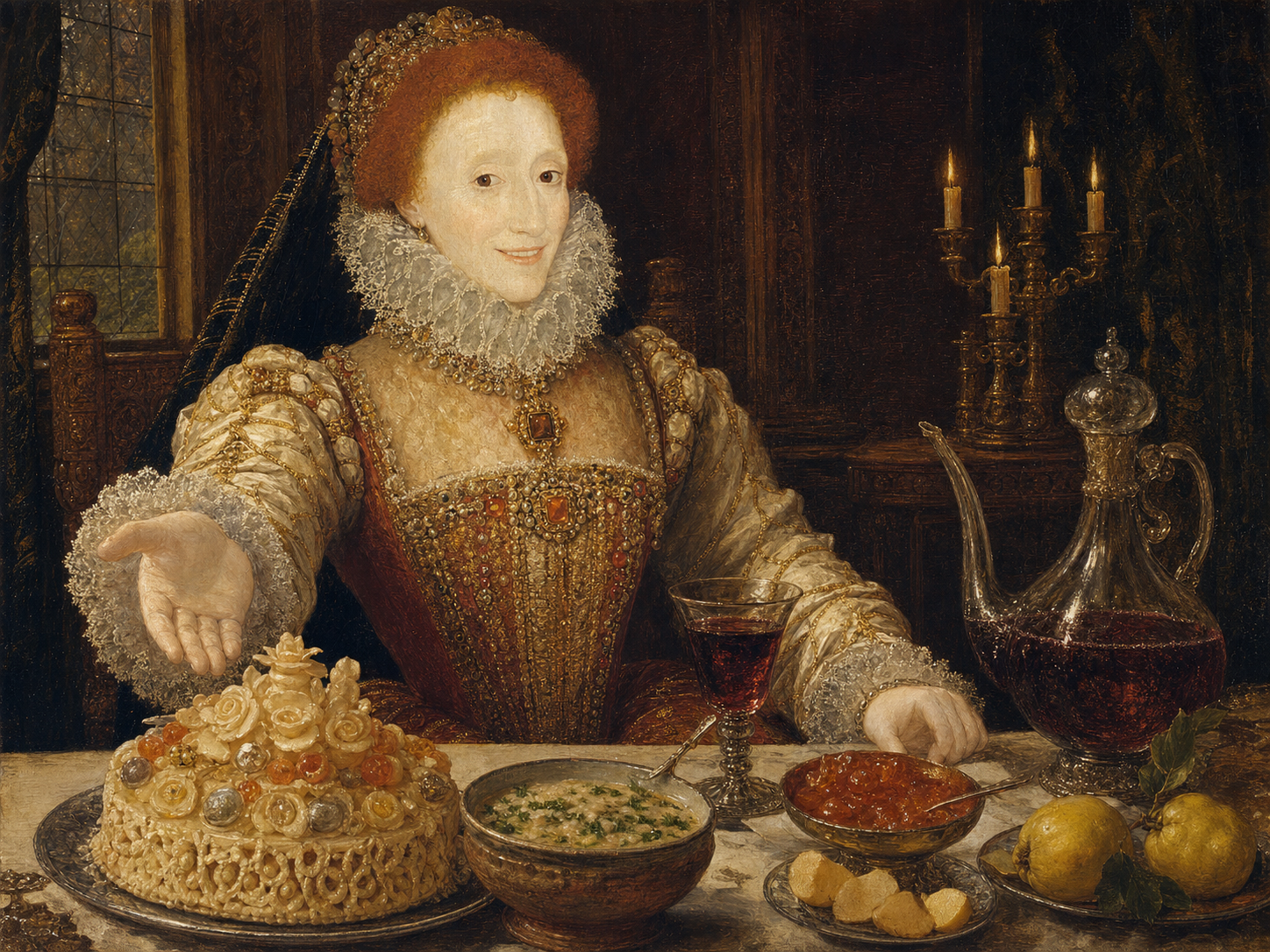
Elizabeth I of England at the table
1533 — 1603
On the menu
The Elizabethan Banquet
At the Tudor court, the main meal unfolded in two services ("first course," "second course") of roasted meats, pottages, and pies, all placed together on the table to be shared by "messes" of four diners. Then came the social highlight: the banquet, a separate course—often in a dedicated room or gallery—composed entirely of sugar sweets, preserves, spiced wines, and sculpted subtleties, where wealth was displayed as much as gluttony.
Signature : Sugar
A prestige import bought at a king's ransom, sugar is the ostentatious signature of the Elizabethan era: sculpted into "subtleties," melted into marchpane, wine, and preserves. Elizabeth was so fond of it that her teeth were reportedly blackened—a luxury flaunted without restraint.
click to flip back
Elizabeth I of England at the table
1533 — 1603
5 period recipes
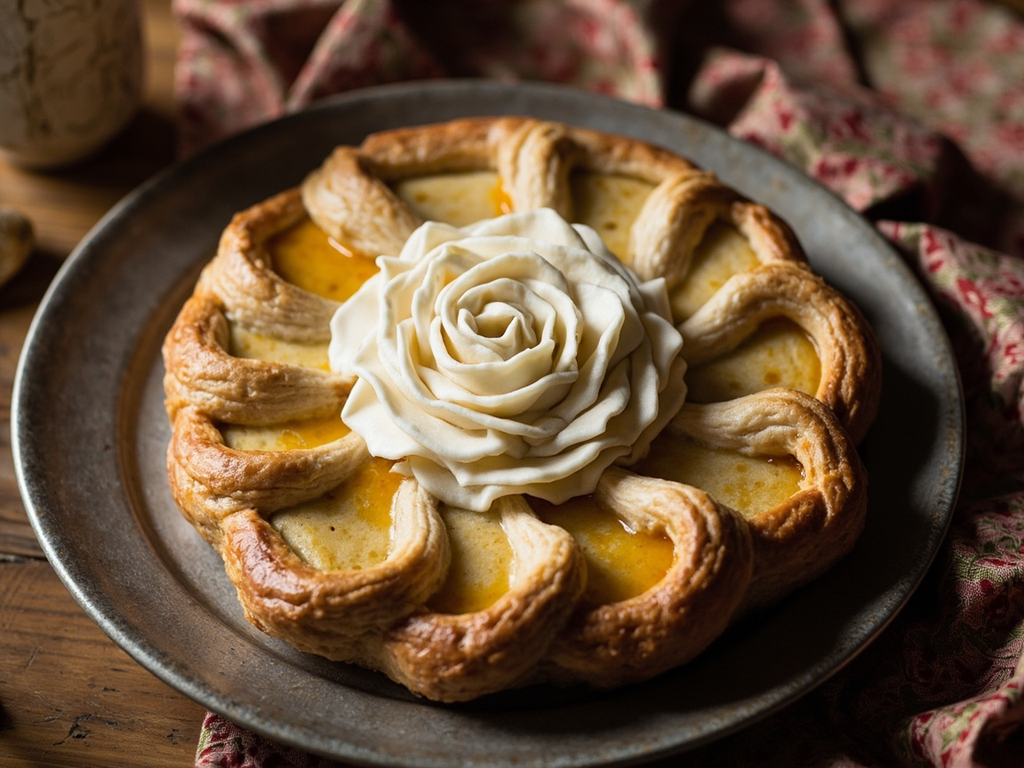 Festive
Royal Marchpane with Rosewater
Banquet (sweet course)
🍯· 40 min
View the recipe
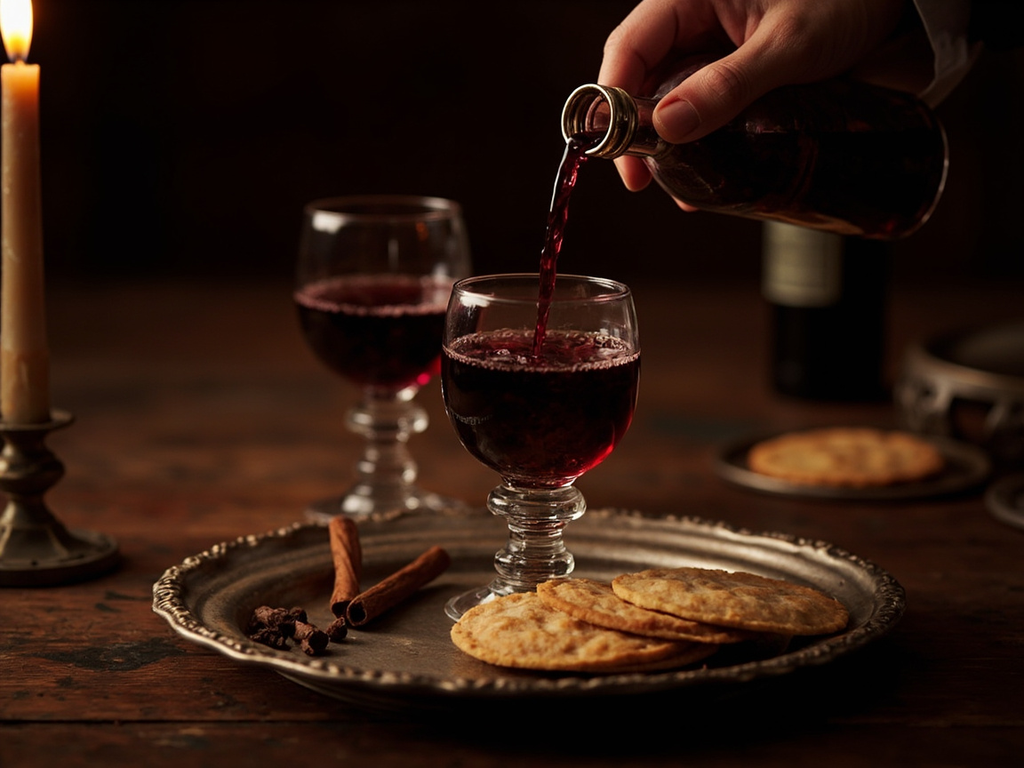 Drink
DrinkHippocras, the Queen's Spiced Wine
Banquet (closing drink)
🌶️ 🍯· 2 h (including infusion)
View the recipe
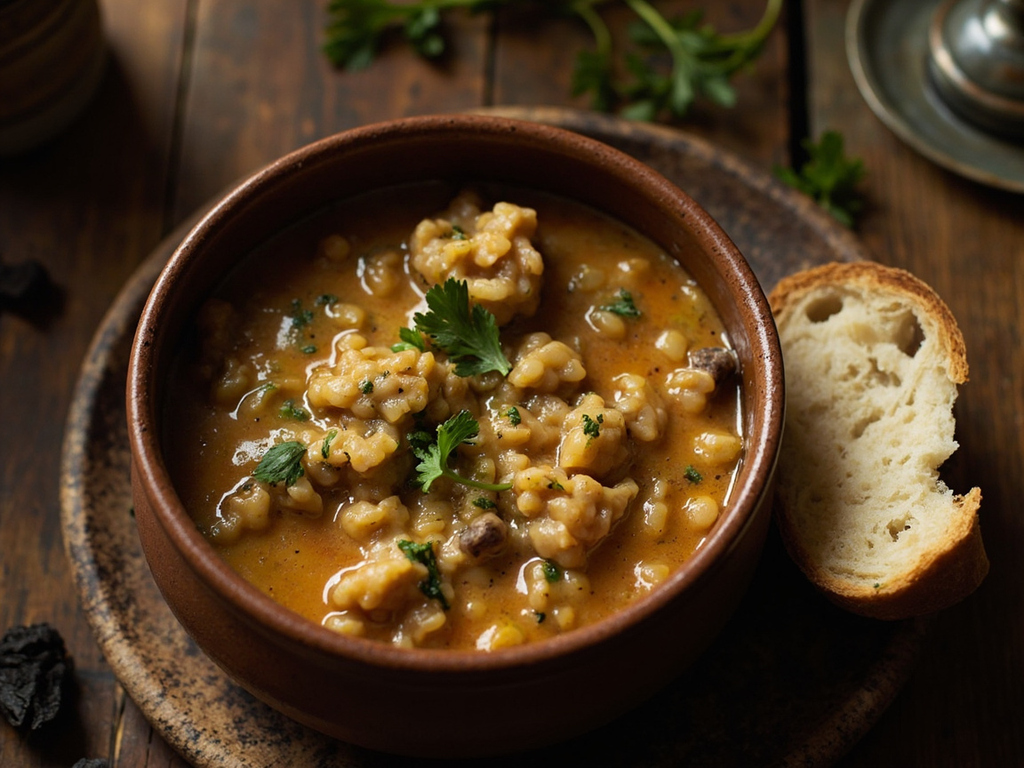 Everyday
Barley Pottage with Herbs
First course (daily pottages)
🧂 🍄· 1 h
View the recipe
 Preserving
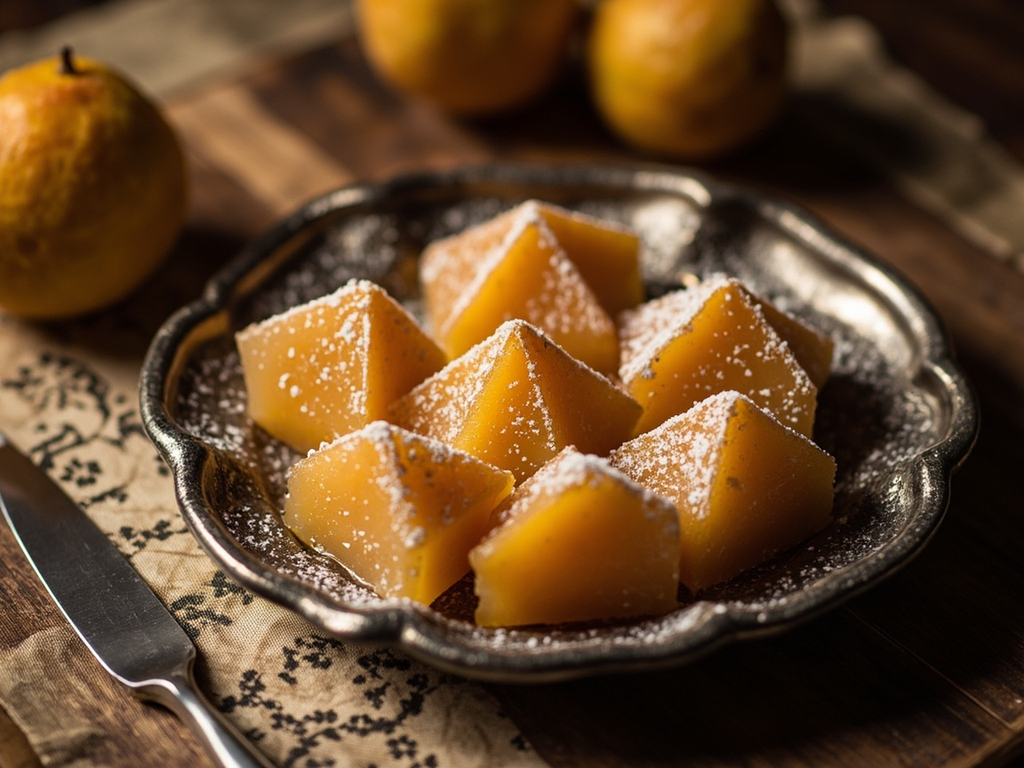
Cotignac, Quince Marmalade
Banquet (fruit preserves)
🍯 🍋· 1 h 30
View the recipe
 Remedy
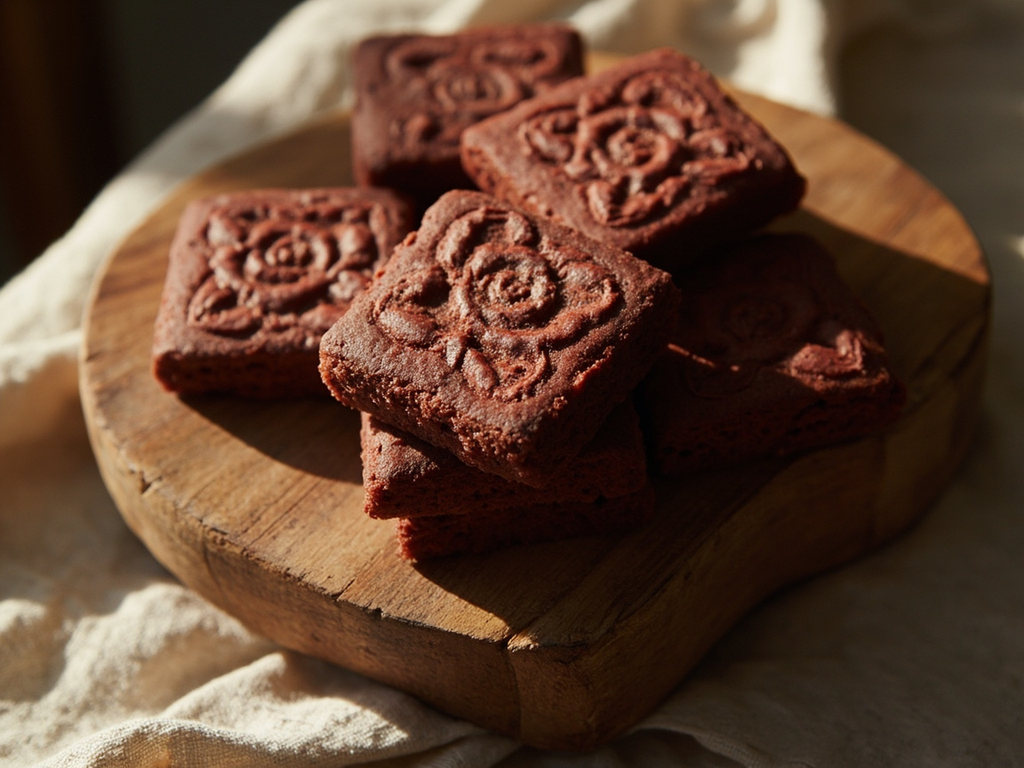
Tudor Gingerbread
Banquet (digestive spices)
🌶️ 🍯· 30 min (plus resting)
View the recipe