 flip
flipTudor Gingerbread
Tudor Gingerbread
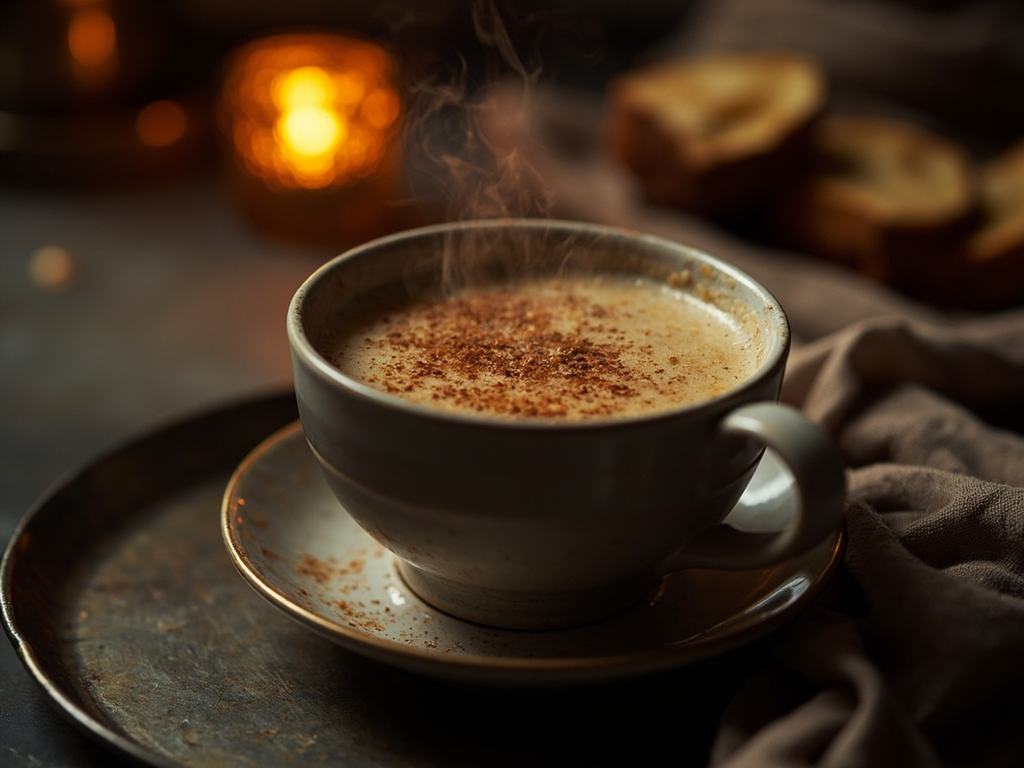
Why this dish? Ginger was thought to warm the stomach and aid digestion; this firm gingerbread was offered at the end of the banquet and as a comforting remedy. Elizabeth, a lover of Eastern spices, appreciated its dual use—both indulgent and medicinal.
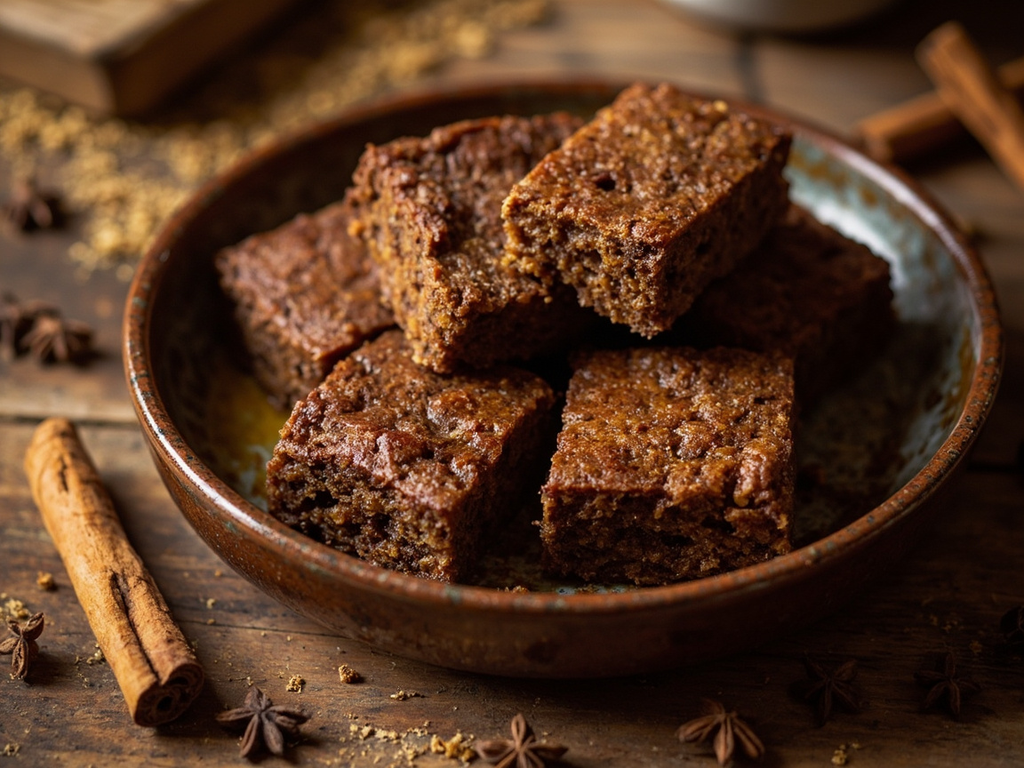
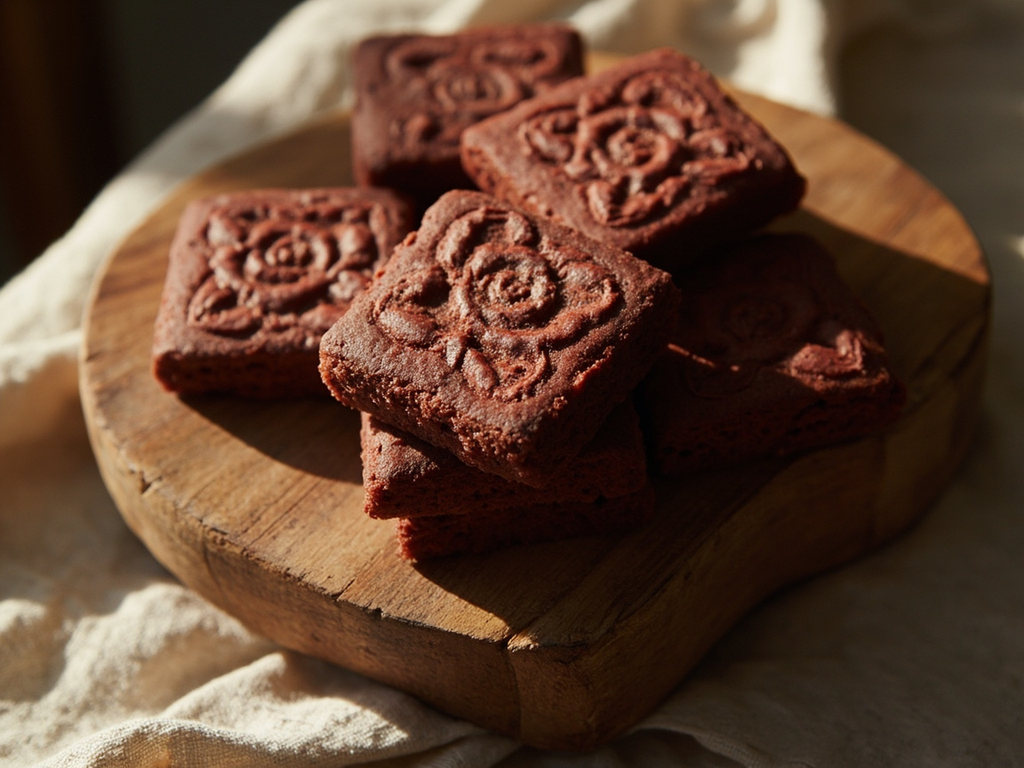
Not a leavened cake, but a dense paste of breadcrumbs bound with honey and laden with ginger, cinnamon, and pepper, colored with sandalwood—a confection-remedy that was molded and sliced.
When the stomach is heavy after great cheer, nothing serves like gingerbread. Stale breadcrumbs are taken, kneaded with hot honey, plenty of ginger, cinnamon, and a grain of pepper, and sandalwood to give it ruby color. It is pressed, molded, stamped, and each slice warms the cold humors. I gladly use it: it is sweet to the palate and good for health—what more could one ask of a spice?
- •Stale white breadcrumbs — two good handfuls (base)
- •Honey — as needed to bind (binder and sweetness)
- •Ground ginger — generously (main spice)
- •Cinnamon, long pepper — a pinch (spices)
- •Sandalwood (saunders) — a little (color)
Tudor Gingerbread
Not a leavened cake, but a dense paste of breadcrumbs bound with honey and laden with ginger, cinnamon, and pepper, colored with sandalwood—a confection-remedy that was molded and sliced.
Why this dish? Ginger was thought to warm the stomach and aid digestion; this firm gingerbread was offered at the end of the banquet and as a comforting remedy. Elizabeth, a lover of Eastern spices, appreciated its dual use—both indulgent and medicinal.
When the stomach is heavy after great cheer, nothing serves like gingerbread. Stale breadcrumbs are taken, kneaded with hot honey, plenty of ginger, cinnamon, and a grain of pepper, and sandalwood to give it ruby color. It is pressed, molded, stamped, and each slice warms the cold humors. I gladly use it: it is sweet to the palate and good for health—what more could one ask of a spice?
Ingredients (period version)
- Stale white breadcrumbs — two good handfuls (base)
- Honey — as needed to bind (binder and sweetness)
- Ground ginger — generously (main spice)
- Cinnamon, long pepper — a pinch (spices)
- Sandalwood (saunders) — a little (color)
Ingredients
- Dry white breadcrumbs — 200 g (base)
- Honey — 120 g (binder and sweetness)
- Ground ginger — 2 tsp (main spice)
- Cinnamon — 1 tsp (spice)
- Ground pepper — 1 pinch (spice)
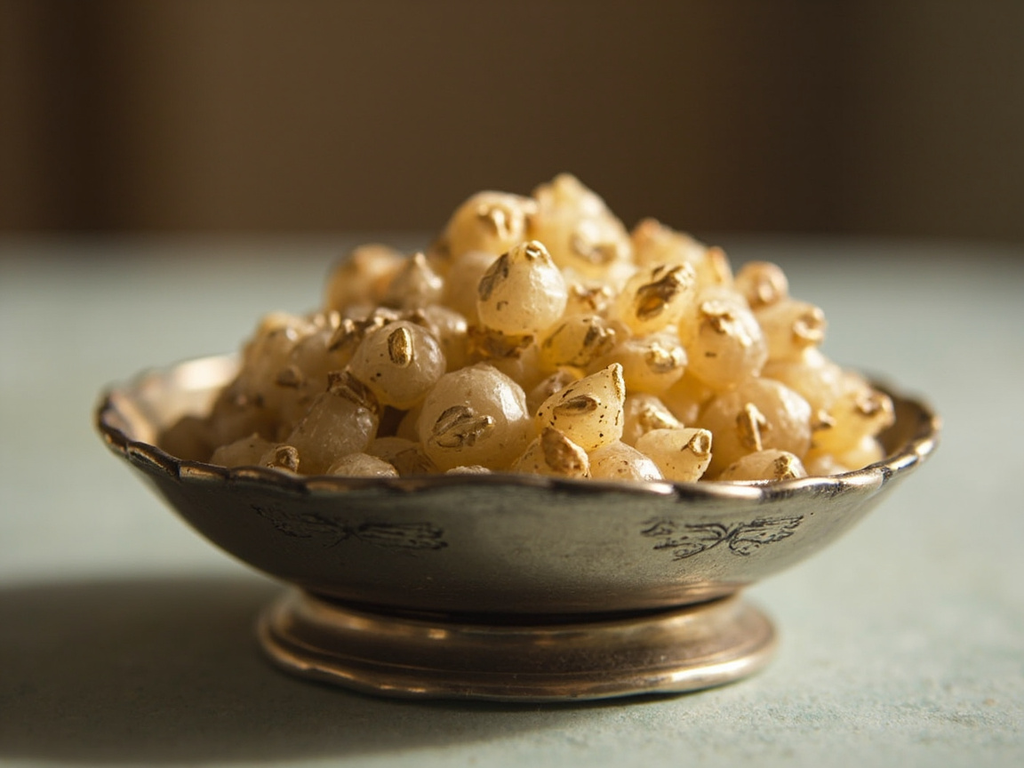
- Chopped crystallized ginger — 2 tbsp (optional) (texture and flavor)
Method
- Gently heat the honey until liquid.
- Off the heat, mix in ginger, cinnamon, and pepper.
- Add breadcrumbs (and crystallized ginger) to form a thick, malleable paste.
- Press firmly into a mold or shape into a block about 2 cm thick.
- Let firm in the cool for several hours.
- Unmold and slice into squares; store in an airtight container.
How it was made : Medieval and Tudor gingerbread was not leavened: breadcrumbs were bound with boiled honey and spices, the paste pressed and often colored with sandalwood (saunders) for a deep red, then molded and sometimes gilded.
The contemporary twist : Mold into small round seals stamped with a rose, recalling Elizabeth's "royal seal."
Sources : C. Anne Wilson, Food and Drink in Britain, 1973 · Gervase Markham, The English Huswife, 1615
Elizabeth I of England · Charactorium