 Flip the card
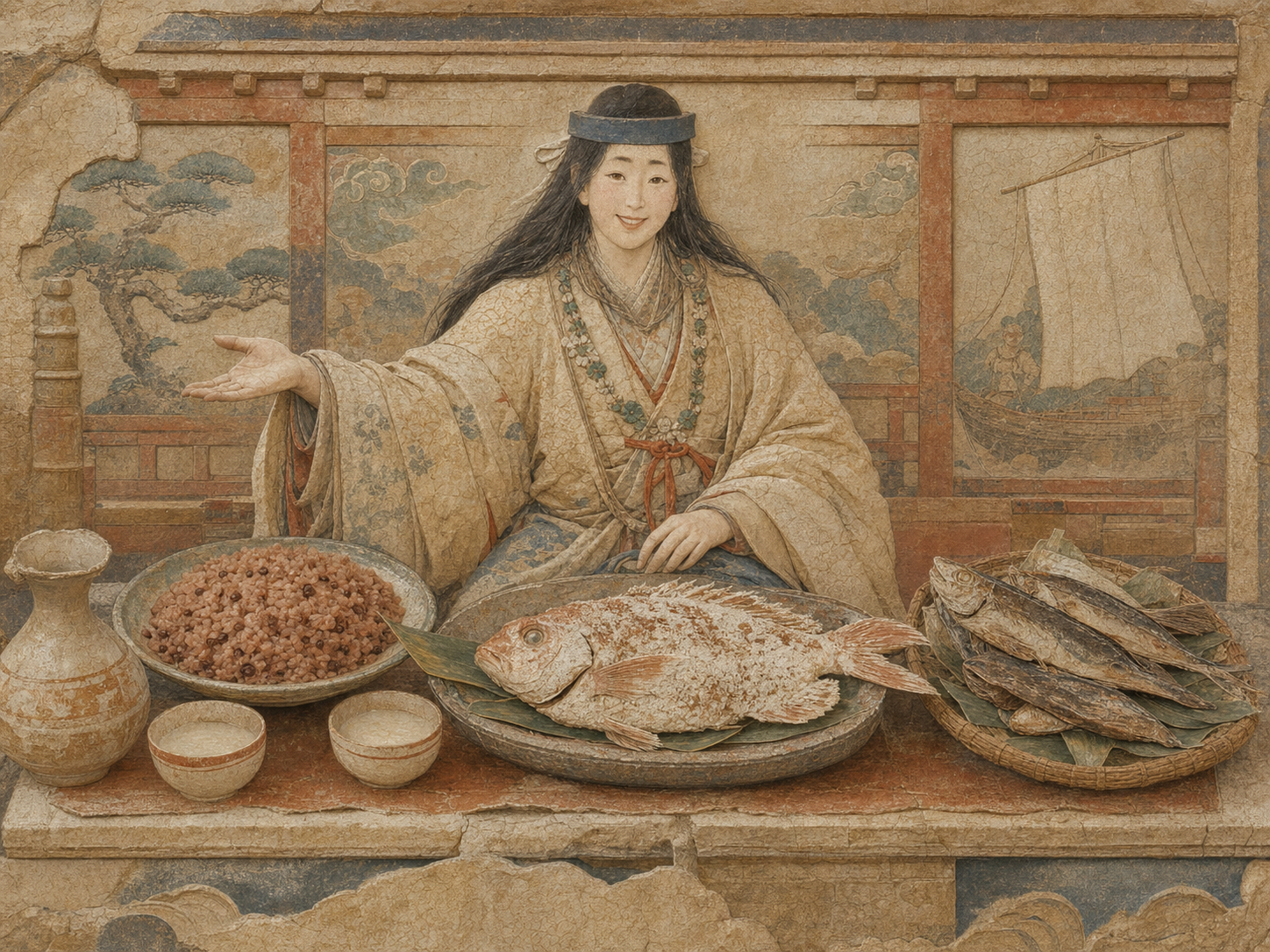
Empress Jingu at the table
On the menu
Shinsen and naorai — the shared offering
At the Yamato court, meals were not divided into starter-main-dessert: they were organized around shinsen, the sacred foods presented to the kami (rice, fish, salt, water, rice wine), followed by naorai, the moment when dignitaries and priestesses shared these same foods once blessed. Eating was communing with the deities. Steamed rice was the heart; everything else—fish, salted vegetables, fermented drink—revolved around it in order of purity.
Signature : Sacred rice and koji
Rice (kome) was the king of foods in Yamato: sustenance, symbolic currency, and offering to the kami. Its transformation by koji (noble mold, Aspergillus oryzae) unlocked the entire flavor universe of the archipelago—from the sweetness of amazake to the deep saltiness of brines. It is the signature technique that connects all these recipes.
click to flip back
Empress Jingu at the table
5 period recipes
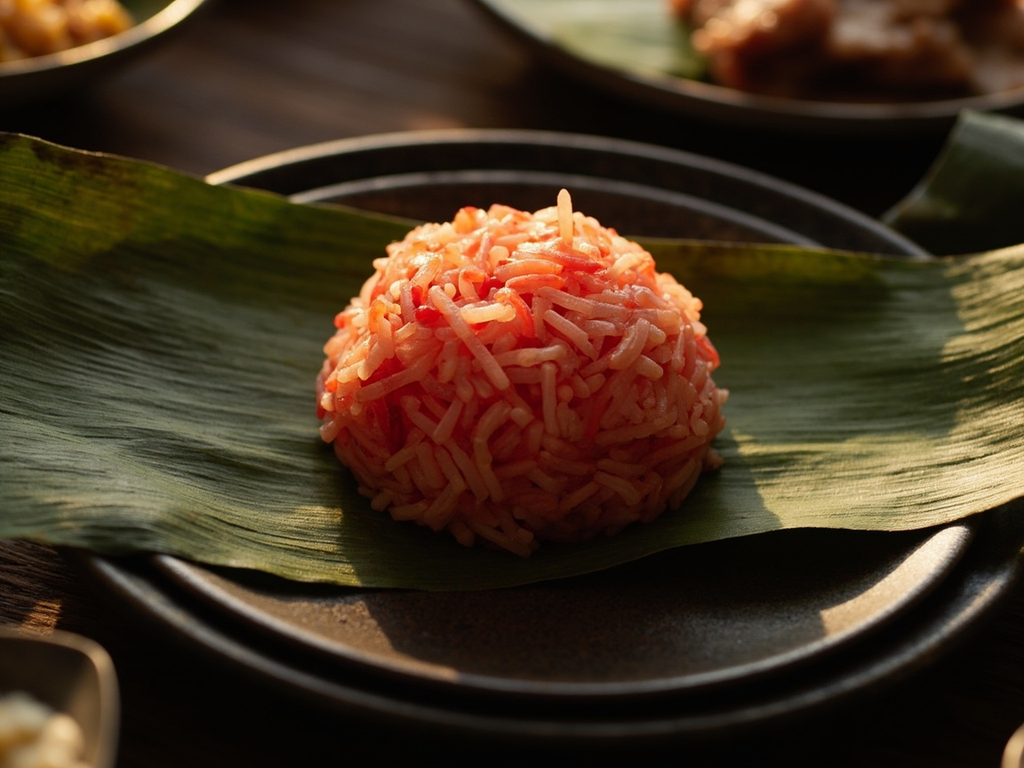 Offering
Akagome no kowameshi — sacred steamed red rice
Shinsen (offering to the kami)
🍯 🍄· 50 min (plus soaking)
View the recipe
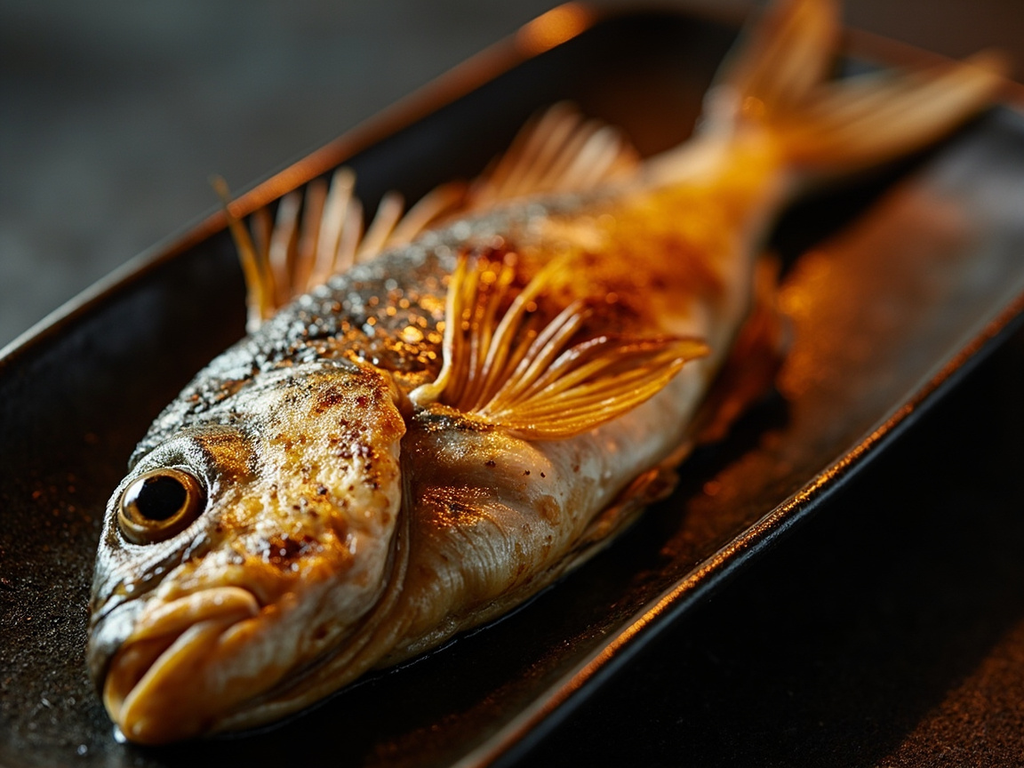 Festive
Tai no shioyaki — sea salt-grilled sea bream
Naorai (shared banquet dish)
🍄 🧂· 30 min
View the recipe
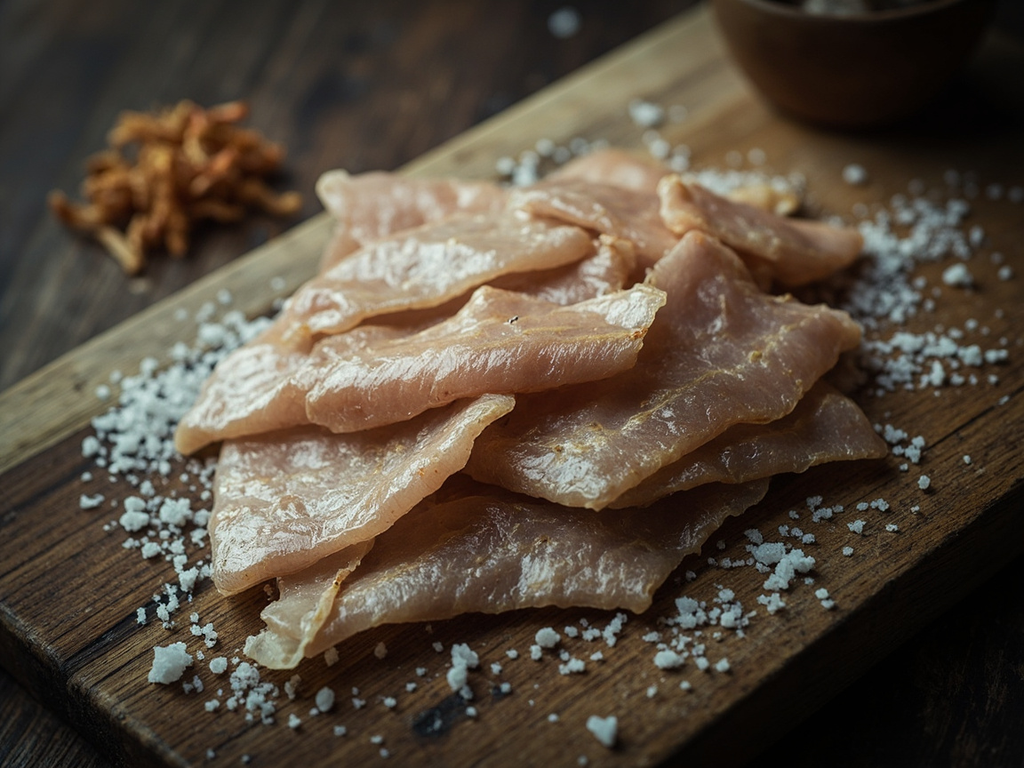 Travel
Katauo — dried and salted fish for the great voyage
Hyōrō (field rations, crossing provisions)
🍄 🧂 🫙· 30 min work (+ 1 to 2 days drying)
View the recipe
 Drink
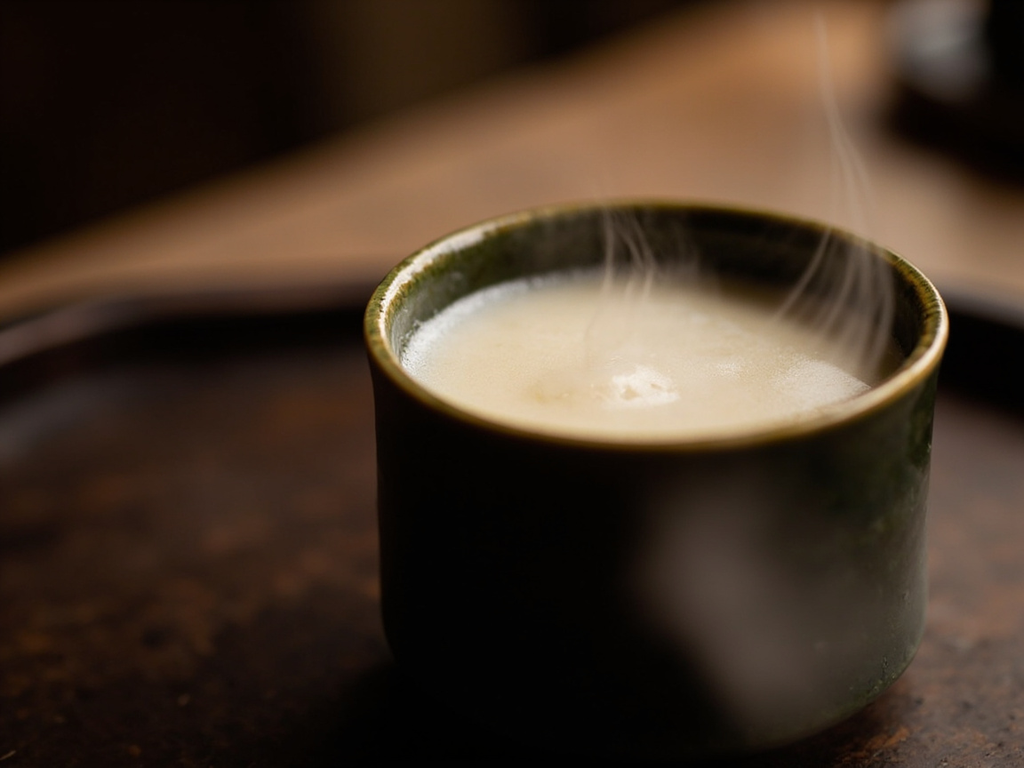
DrinkAmazake — fermented rice drink of the kami
Miki (sacred offering drink)
🍯 🫙· 20 min (+ 6 to 10 hours fermentation)
View the recipe
 Everyday
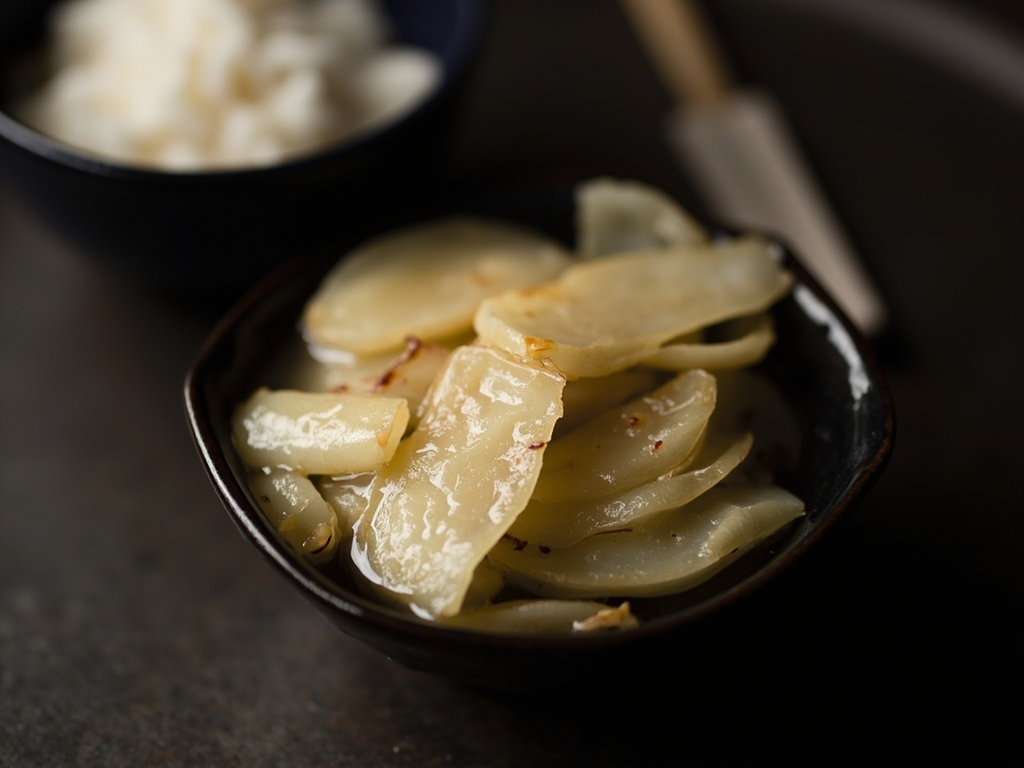
Suzuke — salted pickled garden vegetables
Naorai (everyday table accompaniment)
🫙 🧂 🍋· 20 min (+ 2 to 4 days fermentation)
View the recipe