 Flip the card
Erasmus at the table
1466 — 1536
On the menu
The Scholar's Table of the Seventeen Provinces
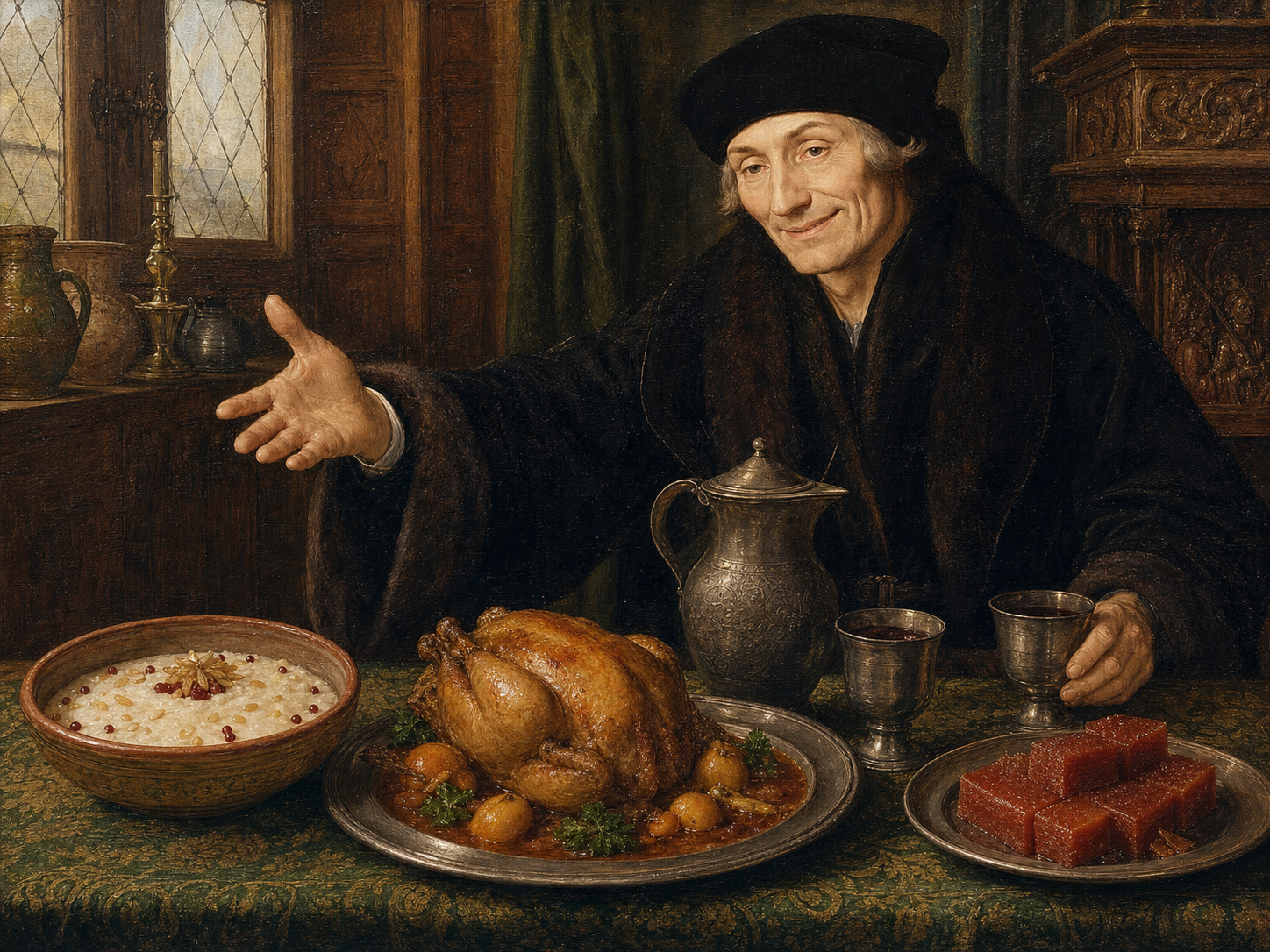
At a learned humanist's table in the Northern Renaissance, the meal proceeds in successive courses inherited from the late Middle Ages: first pottages and white broths (liquid and mild dishes, easy on the stomach), then the *rost* (roasted meats with spiced sauces), and finally the *issue de table* — dry preserves, comfits, and spiced wine — which closes the meal and is thought to aid digestion. White bread, a sign of refinement, accompanies every course. Fish, theoretically required on lean days, is set aside thanks to Erasmus's papal dispensation.
Signature : Sweet Spices from Venice
Cinnamon, ginger, cloves, and grains of paradise: these warm spices that Venice — where Erasmus worked at the press of Aldus Manutius — brought into Europe. They were believed both tasty and medicinal, warming and strengthening a delicate stomach like his. Used with measure, they define this entire table: sweet without burning, fragrant without overpowering.
click to flip back
Erasmus at the table
1466 — 1536
5 period recipes
 Everyday
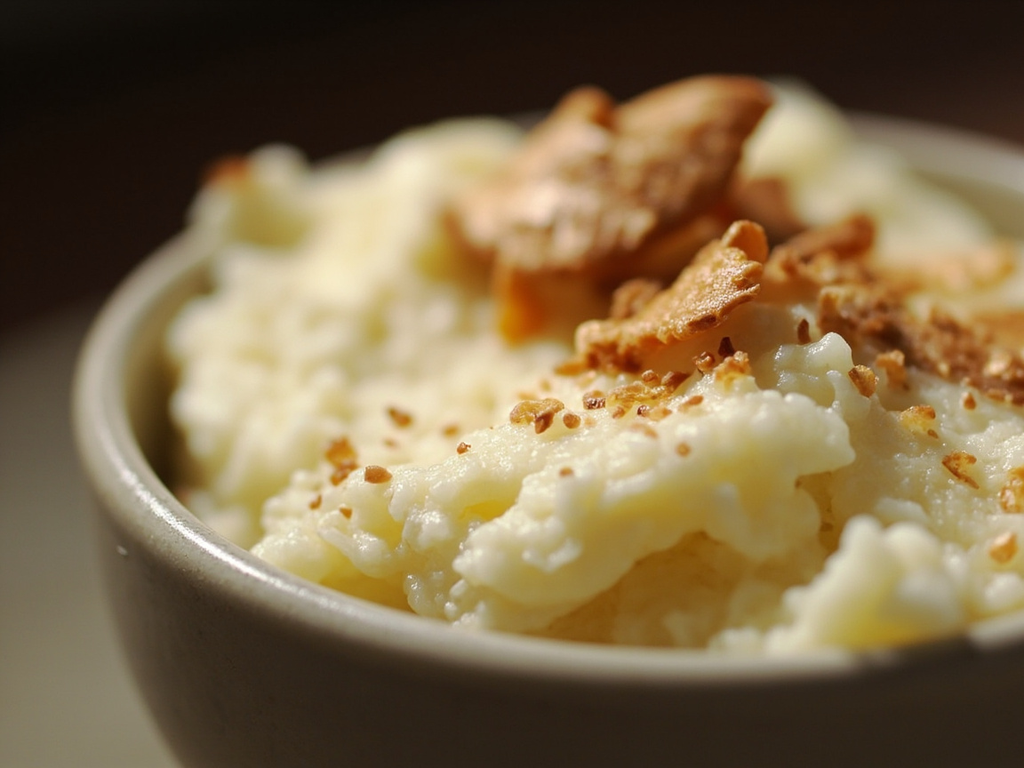
Blancmange of Capon
Pottage / White Broth (First Course)
🍯 🧂· 40 min
View the recipe
 Festive
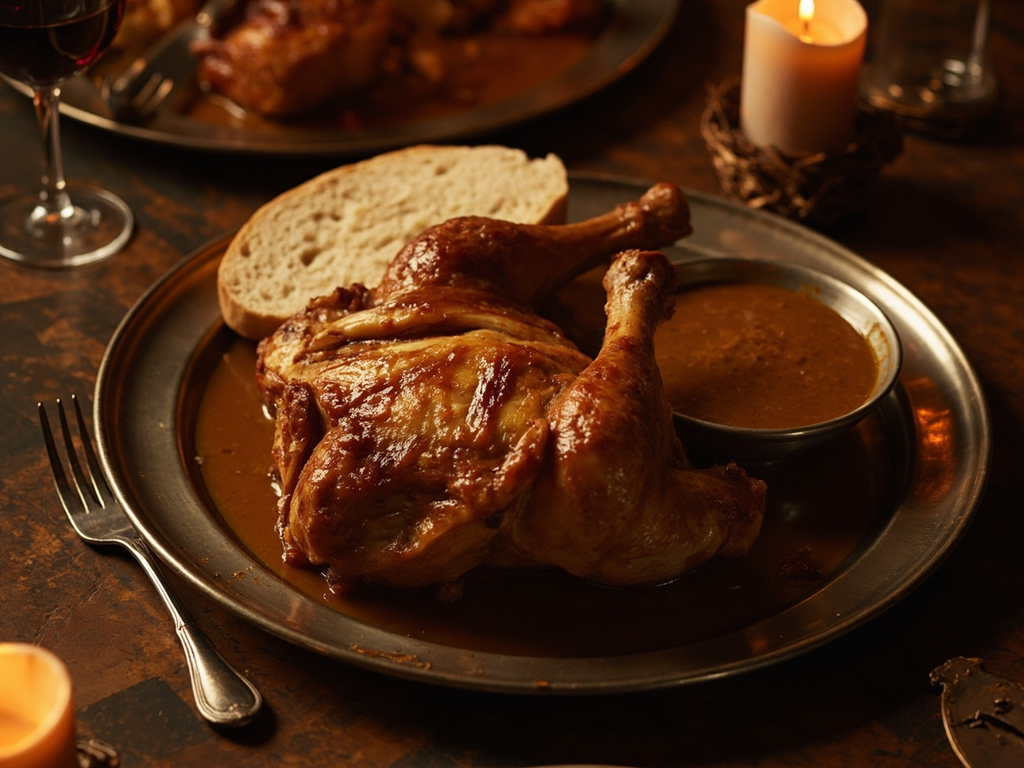
Roast Capon with Cameline Sauce
Rost (Roasted Meat Course)
🌶️ 🍋 🧂· 1 h 40
View the recipe
 Drink
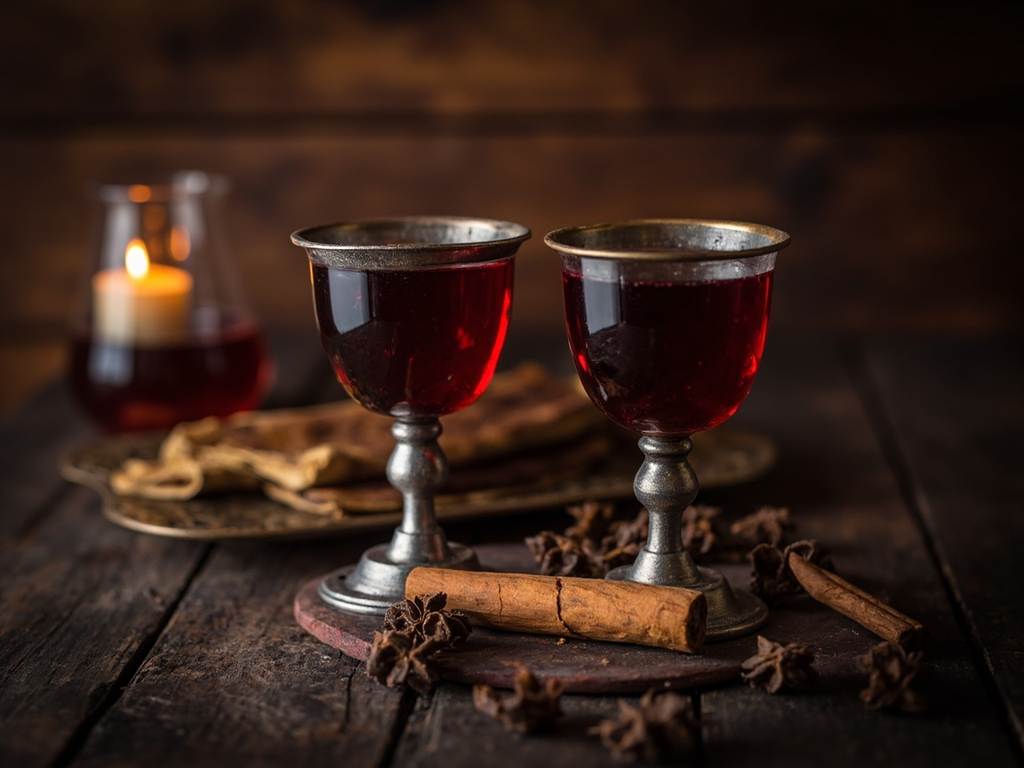
DrinkHippocras of Burgundy Wine
Issue de table (Closing Spiced Wine)
🍯 🌶️· 20 min (+ infusion)
View the recipe
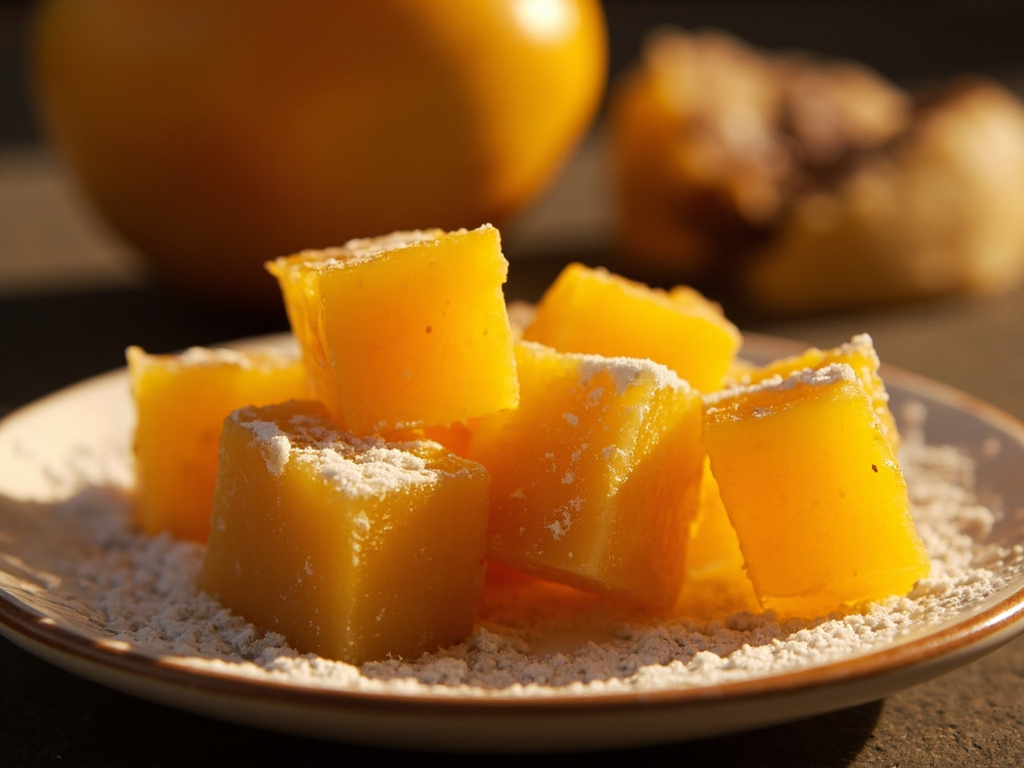 Remedy
Quince Paste (Cotignac)
Issue de table (Digestive Dry Preserve)
🍯 🍋· 1 h 30 (+ drying)
View the recipe
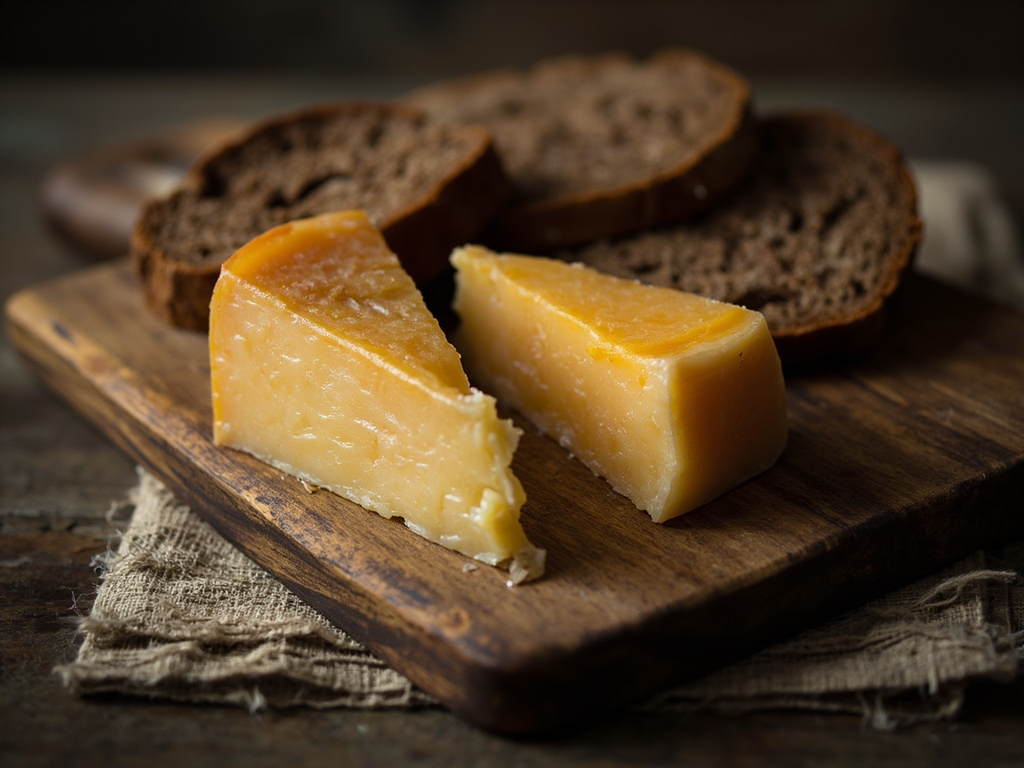 Travel
Rye Bread and Aged Cheese from the Provinces
Travel Snack (Road Provisions)
🍄 🧂 🫙· 10 min
View the recipe