 flip
flipBlancmange of Capon
Blancmange of Capon
Why this dish? Erasmus, with his delicate stomach, dreaded heavy foods and fish on lean days. Blancmange — pounded white meat, almond milk, and sugar — was the mild dish par excellence, served to both the sick and the refined. For a man with a dispensation to eat meat and who loved "simple but well-prepared dishes," this was the ideal everyday meal.
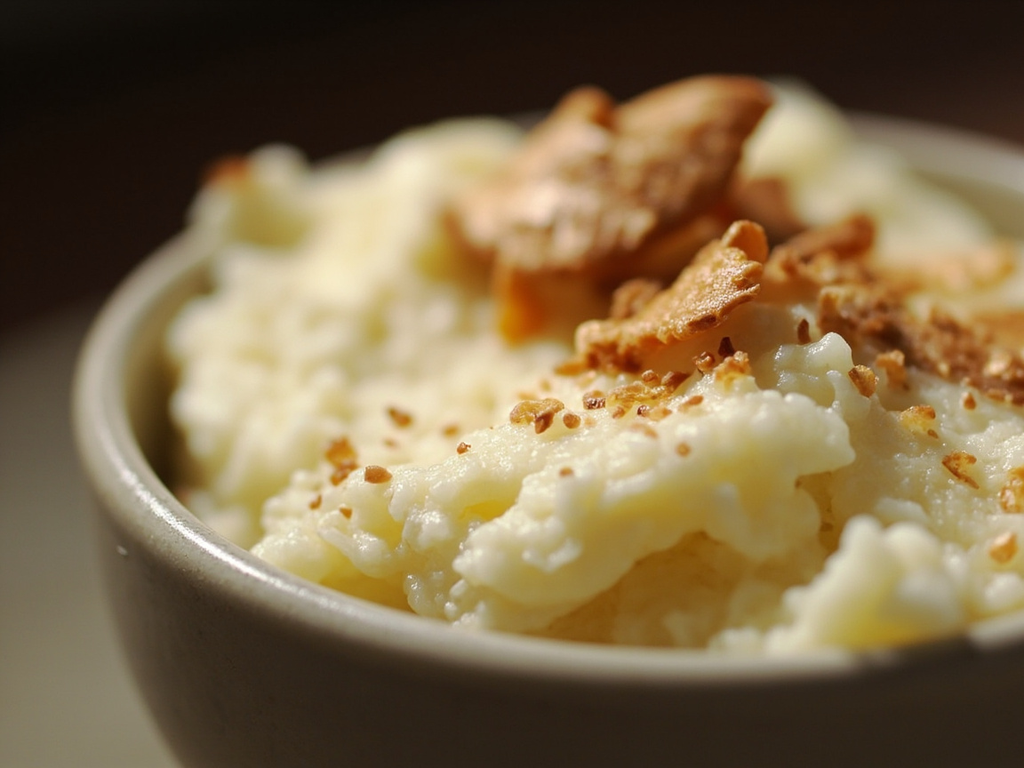
A creamy custard of shredded chicken breast, bound with almond milk and delicately sweetened. Neither quite savory nor quite sweet: a pale, warm, and tender dish designed for fragile stomachs.
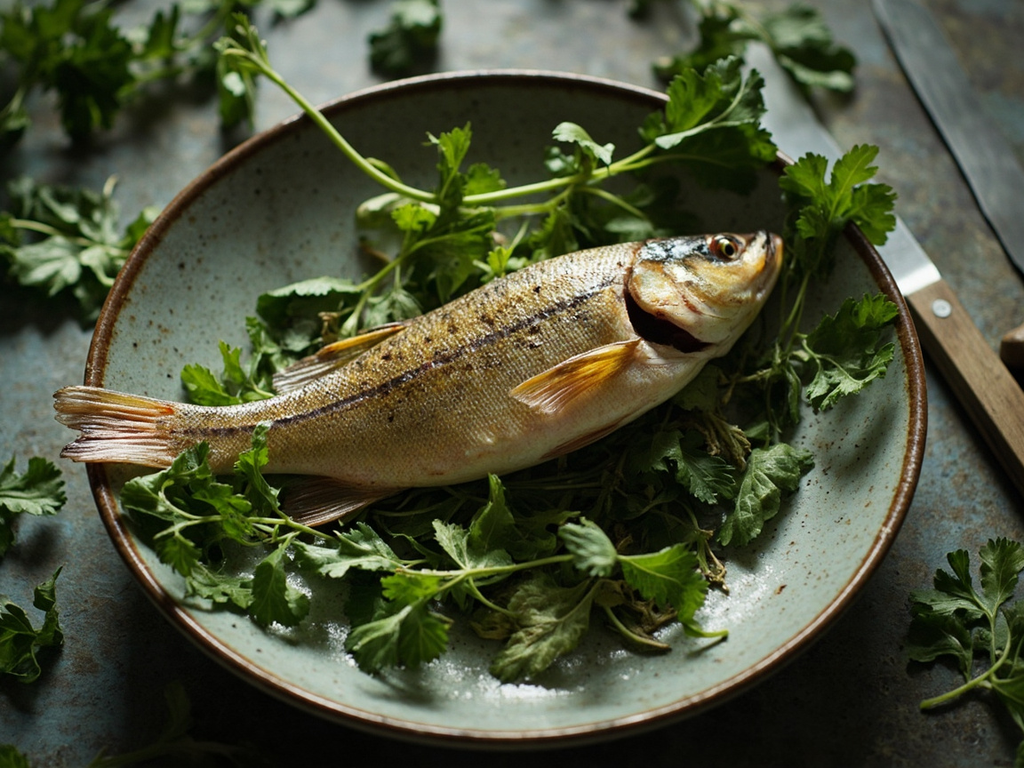
Know, friend reader, that nature has given me a stomach more capricious than a prince in council. Fish revolts me, and I had to beg the Holy Father himself for the grace to eat meat! So when my body is weary of letters, I have this blancmange served: capon pounded in almond milk, barely sweetened, gentle as a well-turned thought. Eat it warm, I pray, and bless with me the almonds, which never offend the scholar's belly.
- •Boiled capon flesh — the breast of one fowl (protein base, shredded then pounded)
- •Almond milk — two bowls (binding liquid, sweetness)
- •Rice flour — one full spoon (thickener)
- •Sugar — to taste (sweetness)
- •Rose water — a few drops (flavoring)
- •Salt — a pinch (seasoning)
Blancmange of Capon
A creamy custard of shredded chicken breast, bound with almond milk and delicately sweetened. Neither quite savory nor quite sweet: a pale, warm, and tender dish designed for fragile stomachs.
Why this dish? Erasmus, with his delicate stomach, dreaded heavy foods and fish on lean days. Blancmange — pounded white meat, almond milk, and sugar — was the mild dish par excellence, served to both the sick and the refined. For a man with a dispensation to eat meat and who loved "simple but well-prepared dishes," this was the ideal everyday meal.
Know, friend reader, that nature has given me a stomach more capricious than a prince in council. Fish revolts me, and I had to beg the Holy Father himself for the grace to eat meat! So when my body is weary of letters, I have this blancmange served: capon pounded in almond milk, barely sweetened, gentle as a well-turned thought. Eat it warm, I pray, and bless with me the almonds, which never offend the scholar's belly.
Ingredients (period version)
- Boiled capon flesh — the breast of one fowl (protein base, shredded then pounded)
- Almond milk — two bowls (binding liquid, sweetness)
- Rice flour — one full spoon (thickener)
- Sugar — to taste (sweetness)
- Rose water — a few drops (flavoring)
- Salt — a pinch (seasoning)
Ingredients
- Poached chicken or capon breast — 200 g (protein base)
- Unsweetened almond milk — 400 ml (binding liquid)
- Almond flour — 2 tbsp (creaminess)
- Rice flour (or cornstarch as substitute, not required) — 1 level tbsp (thickener)
- Sugar — 2 tsp (sweetness)
- Rose water — 3 drops (flavoring)
- Fine salt — 1 pinch (seasoning)
Method
- Poach the poultry breast in simmering salted water, drain, shred finely, then pound or briefly blend.
- Warm the almond milk with almond flour, sugar, and a pinch of salt.
- Dissolve rice flour in a little cold milk, add to the warm milk and stir until slightly thickened.
- Stir in the pounded meat, let it meld over low heat for a few minutes, stirring.
- Flavor with a few drops of rose water off the heat and serve warm in a bowl.
How it was made : Blancmange appears in nearly every cookbook from the late Middle Ages and Renaissance (*Le Viandier*, *Le Ménagier de Paris*). The meat was pounded long in a mortar, bound with almond milk and sometimes rice, and decorated with comfits or pomegranate. A prestige dish, it was also prescribed for convalescents for its mildness.
The contemporary twist : Served warm in a small glass, topped with toasted slivered almonds and a dusting of cinnamon: a "white velouté" from the scriptorium for today's table.
Sources : Le Ménagier de Paris (c. 1393) · Le Viandier de Taillevent
Erasmus · Charactorium