 flip
flipBarley Couscous with Fava Beans and Smen
Barley Couscous with Fava Beans and Smen
Why this dish? Born a slave in Azemmour, on the Moroccan coast, Estevanico grew up in Berber cuisine before slavery tore him from his people. Barley, the cereal of the poor, and spring fava beans made up the daily meals of modest 16th-century Moroccan families, eaten together around a single dish.
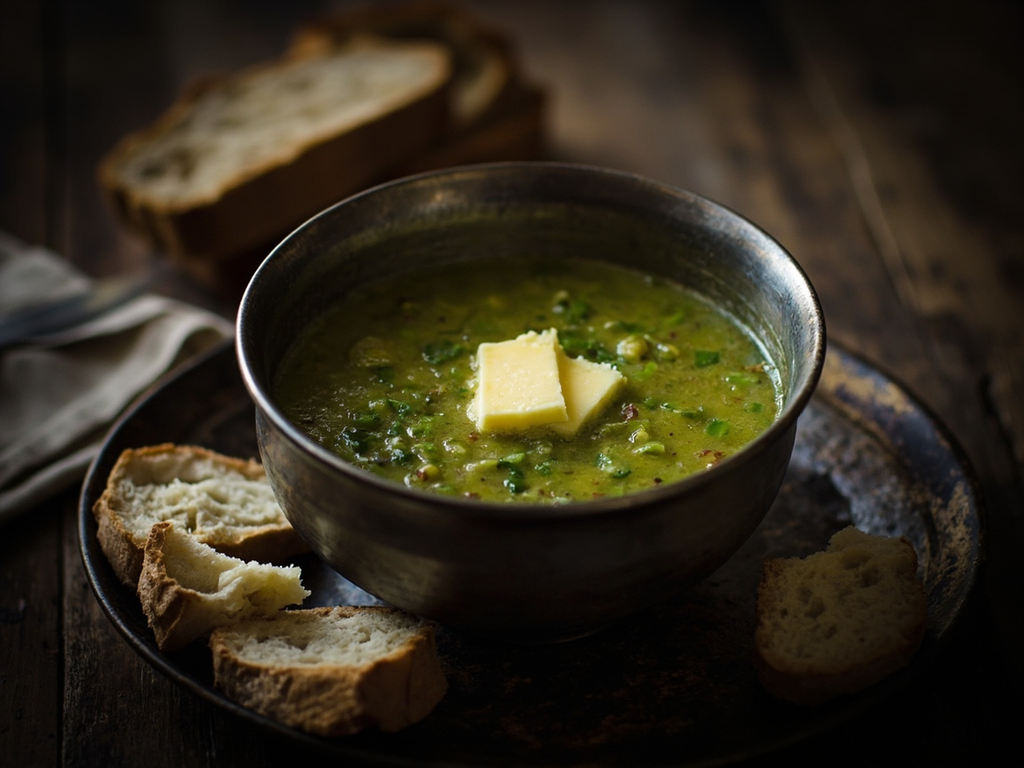
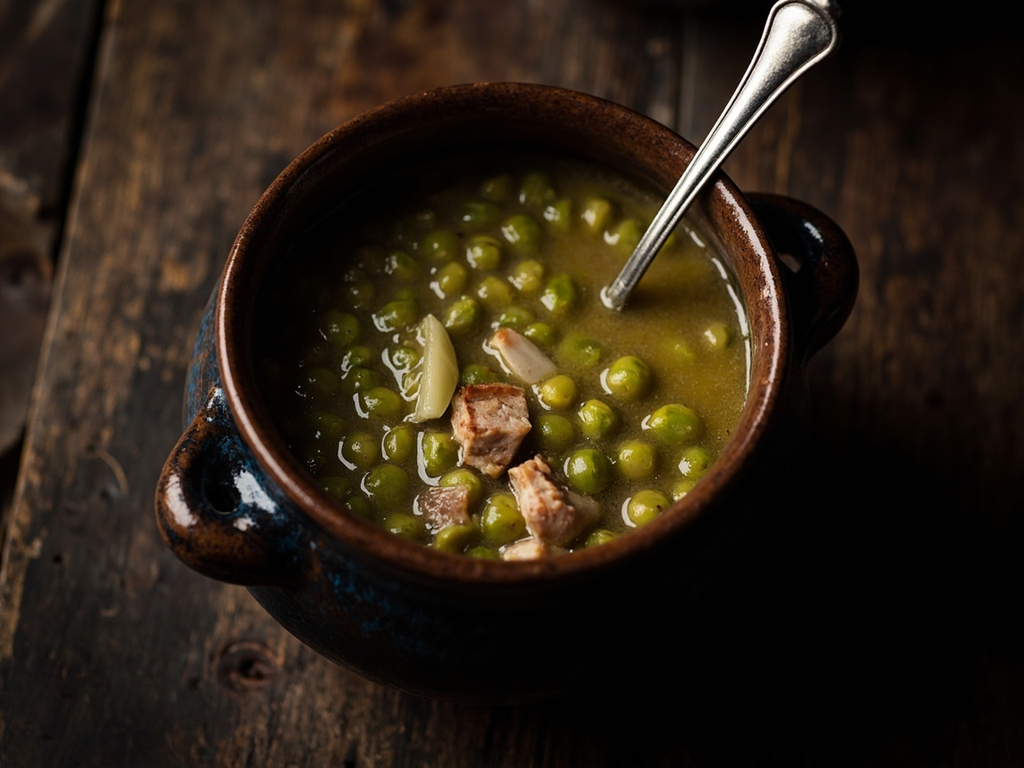
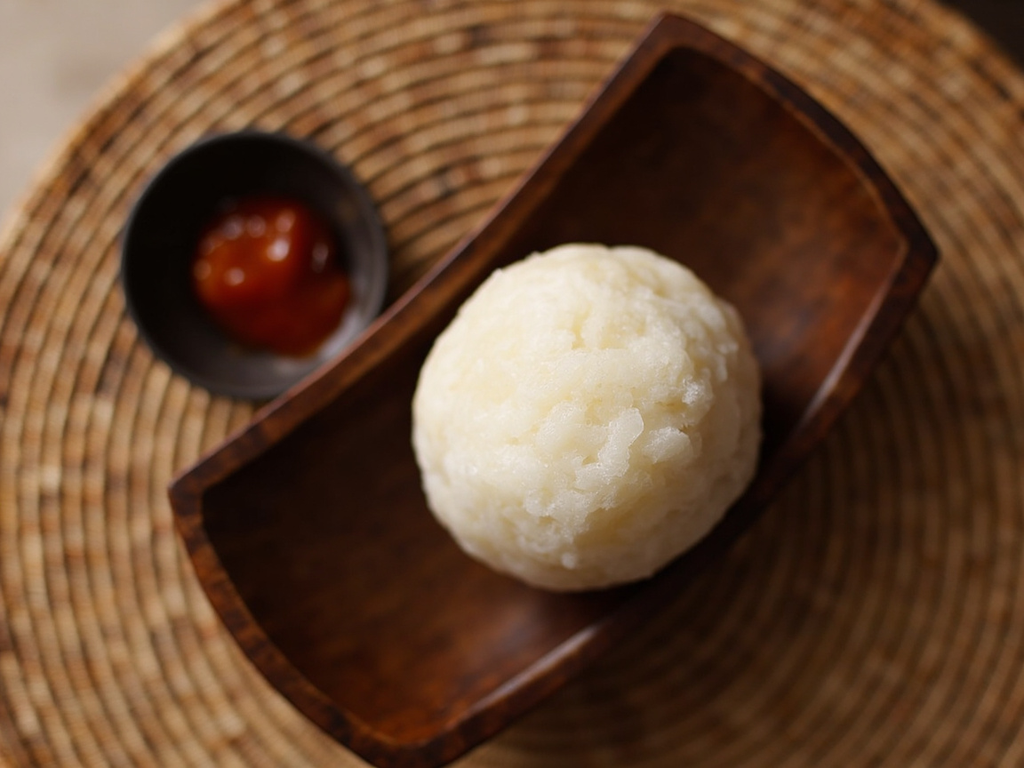
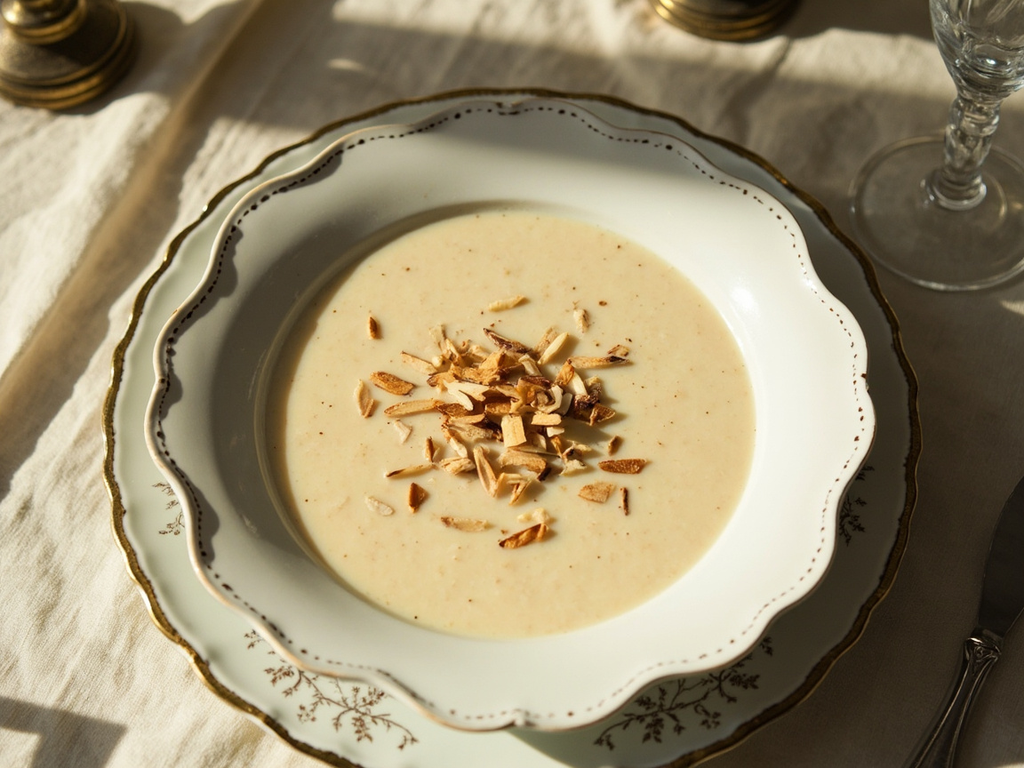
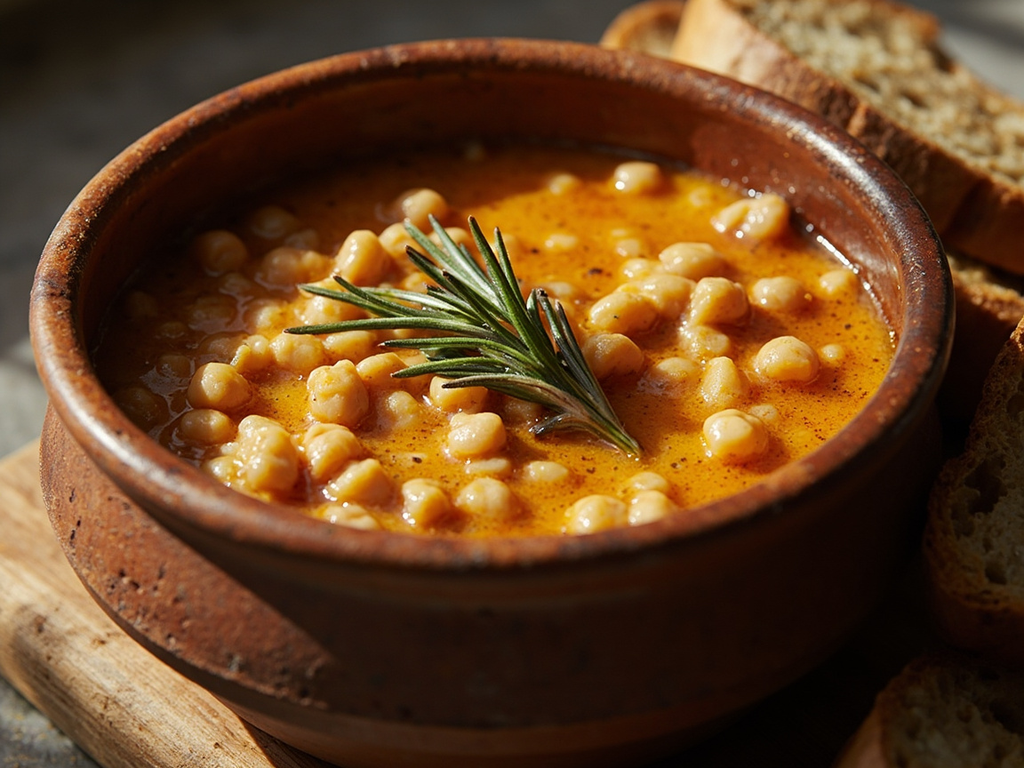
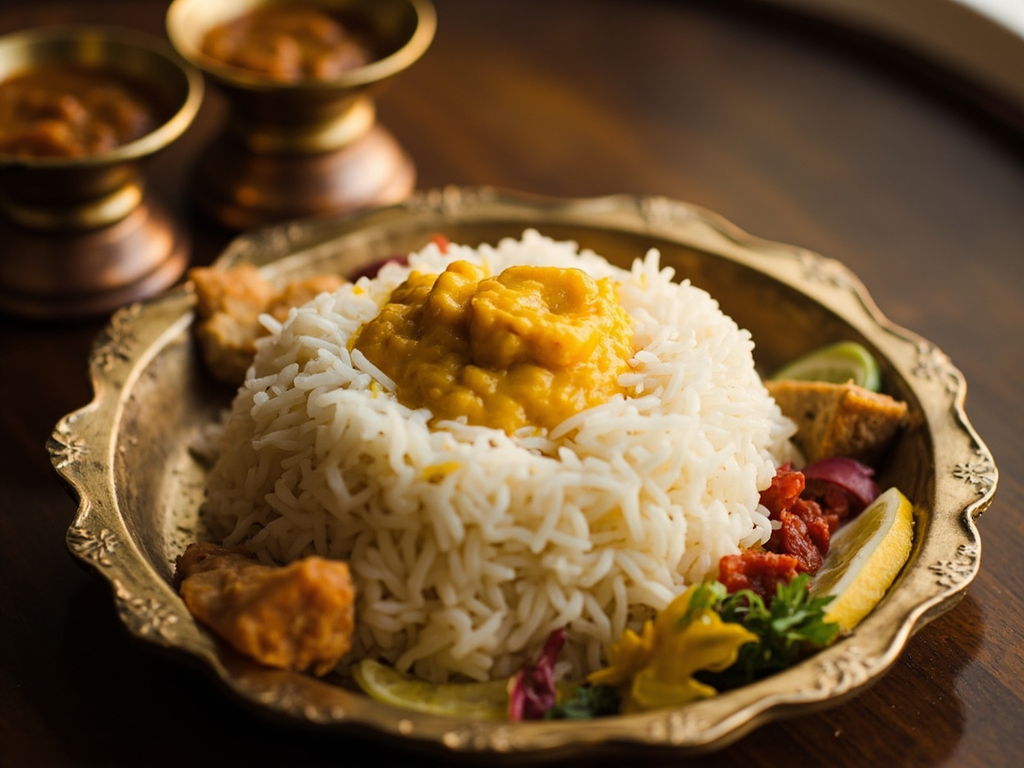
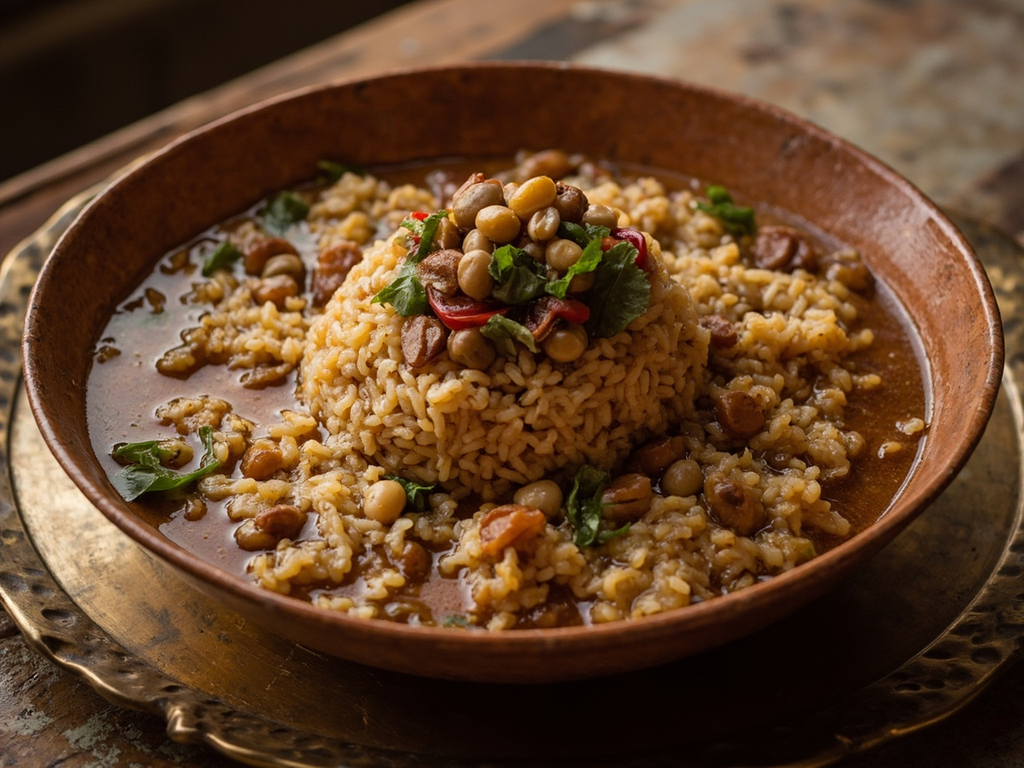
Hand-rolled barley semolina, steamed over a broth of fresh fava beans and onions, perfumed with smen (fermented butter) and cumin. A humble, nourishing dish, eaten by hand from a large communal platter.
Before the salted sea carried me far from my mother, this was the dish I knew best. At home in Azemmour, we rolled the barley semolina between our palms, patiently, while the fresh fava beans simmered below, and the smell of smen rose through the house. No utensils, no individual portions: a single large platter in the middle, and each takes from before them, with the right hand, thanking God. Remember, friend, that a man who has shared a meal with you from the same dish will not betray you on the road.
- •Barley semolina — two handfuls per person (basic starch, the people's grain)
- •Shelled fresh fava beans — one large bowl (spring vegetable, protein)
- •Onions — two or three (aromatic base for the broth)
- •Smen (fermented clarified butter) — a knob (signature fragrant fat)
- •Cumin and coriander seeds — to taste (spices)
- •Olive oil — a drizzle (fat)
- •Salt — to taste (seasoning)
Barley Couscous with Fava Beans and Smen
Hand-rolled barley semolina, steamed over a broth of fresh fava beans and onions, perfumed with smen (fermented butter) and cumin. A humble, nourishing dish, eaten by hand from a large communal platter.
Why this dish? Born a slave in Azemmour, on the Moroccan coast, Estevanico grew up in Berber cuisine before slavery tore him from his people. Barley, the cereal of the poor, and spring fava beans made up the daily meals of modest 16th-century Moroccan families, eaten together around a single dish.
Before the salted sea carried me far from my mother, this was the dish I knew best. At home in Azemmour, we rolled the barley semolina between our palms, patiently, while the fresh fava beans simmered below, and the smell of smen rose through the house. No utensils, no individual portions: a single large platter in the middle, and each takes from before them, with the right hand, thanking God. Remember, friend, that a man who has shared a meal with you from the same dish will not betray you on the road.
Ingredients (period version)
- Barley semolina — two handfuls per person (basic starch, the people's grain)
- Shelled fresh fava beans — one large bowl (spring vegetable, protein)
- Onions — two or three (aromatic base for the broth)
- Smen (fermented clarified butter) — a knob (signature fragrant fat)
- Cumin and coriander seeds — to taste (spices)
- Olive oil — a drizzle (fat)
- Salt — to taste (seasoning)
Ingredients
- Barley semolina (or whole wheat semolina) — 300 g (basic starch)
- Fresh fava beans (or frozen) — 400 g shelled (vegetable and protein)
- Onions — 2 medium (aromatic base)
- Smen (or butter + 1 tsp yogurt) — 1 tablespoon (fragrant fat)
- Ground cumin — 1 tsp (spice)
- Ground coriander — 1/2 tsp (spice)
- Olive oil — 2 tablespoons (fat)
- Salt — 1 tsp (seasoning)
Method
- Slice the onions and sauté them gently in olive oil at the bottom of a large pot, with the cumin and coriander.
- Add the fava beans, cover with water, salt, and let simmer for 25 minutes to create a flavorful broth.
- Meanwhile, moisten the barley semolina with a little salted water and roll it between your palms to separate the grains.
- Steam the semolina over the broth (in a couscoussier or a colander set over the pot) for 20 minutes; repeat a second time for light grains.
- Mound the semolina in a large dish, make a well, pour in the fava beans and broth, and finish with a knob of melted smen.
How it was made : In 16th-century Morocco, barley fed modest families (wheat was reserved for the wealthy). Smen, a salted and long-fermented butter, could be stored for months and flavored dishes on feast days. Semolina was hand-rolled, a long and collective task often entrusted to the women of the household.
The contemporary twist : A sprinkle of raw fava beans thinly sliced and a few borage flowers on the semolina dome, to recall the spring of the coastal plains of Azemmour.
Sources : Paula Wolfert, Couscous and Other Good Food from Morocco (1973) · Lucie Bolens, La cuisine andalouse, un art de vivre (1990)
Estevanico · Charactorium