The Cistercian Refectory (Pittance and Pulmentum)
At the table of a monk pope, there is no French-style entrée-main-dessert sequence. The order of the monastic refectory, governed by Cistercian custom, is followed: two cooked dishes served together — the pulmentum (the base pottage of vegetables or legumes) and the pittance (a second dish, often fish on permitted days) — accompanied by rye bread and water. Silence, holy reading, and moderation preside over the meal; nothing is eaten for pleasure alone, everything is received as a measured gift. Sweets and herbal drinks belong to the infirmary, not to gluttony.
Signature : The Broad Bean and Herb of the Cloister Garden
Eugene III's cuisine consists of two humble things: the legume (broad bean, lentil, pea) that nourishes without luxury, and the herbs of the cloister garden (sage, hyssop, parsley, lovage) that flavor and heal. No ostentatious Eastern spices, no four-footed meat: flavor comes from the vegetable patch and oil, never from wealth.
Eugene III at the table
1200 — 1153
4 period recipes
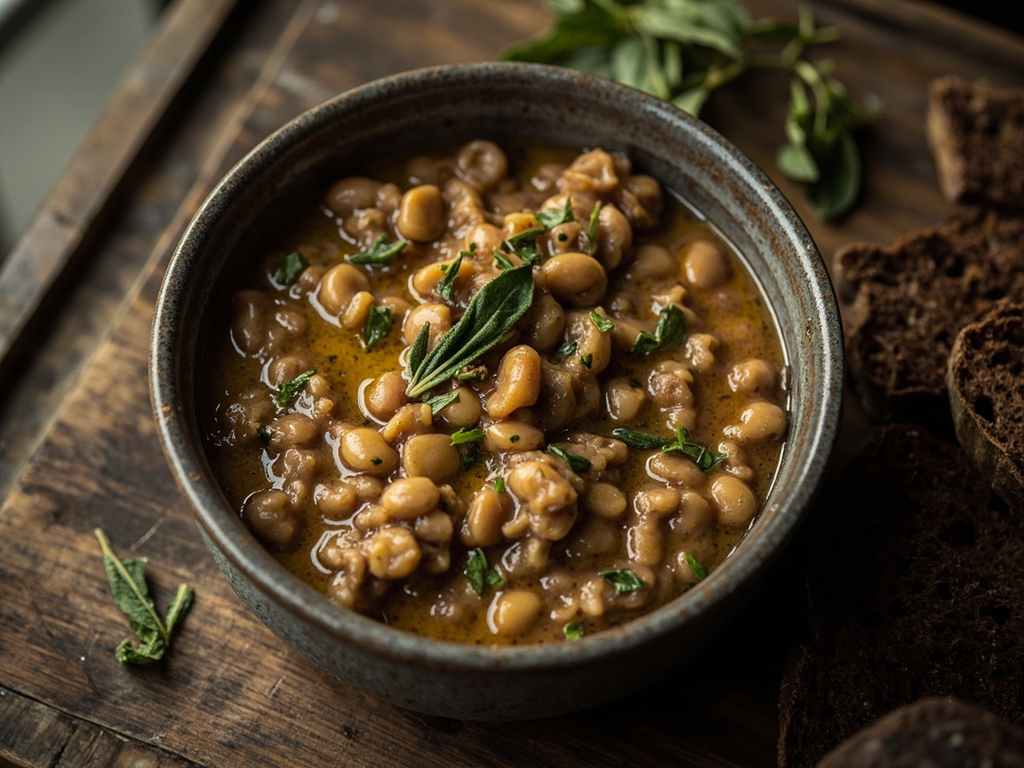 Everyday
Pulmentum of Broad Beans and Barley in the Cloister
Pulmentum (base pottage of the refectory)
🧂 🍄· 1 h 30 (hors trempage)
View the recipe
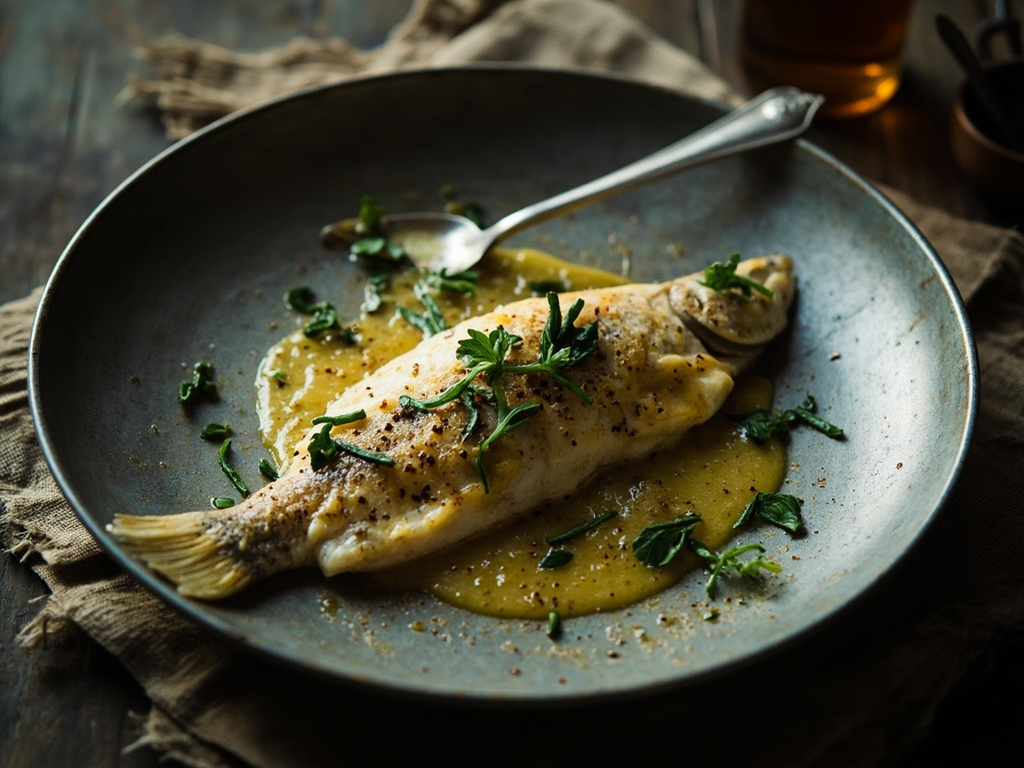 Festive
River Tench in Verjuice and Herbs, on an Abstinence Day
Pittance (second dish on lean days)
🍋 🧂· 40 min
View the recipe
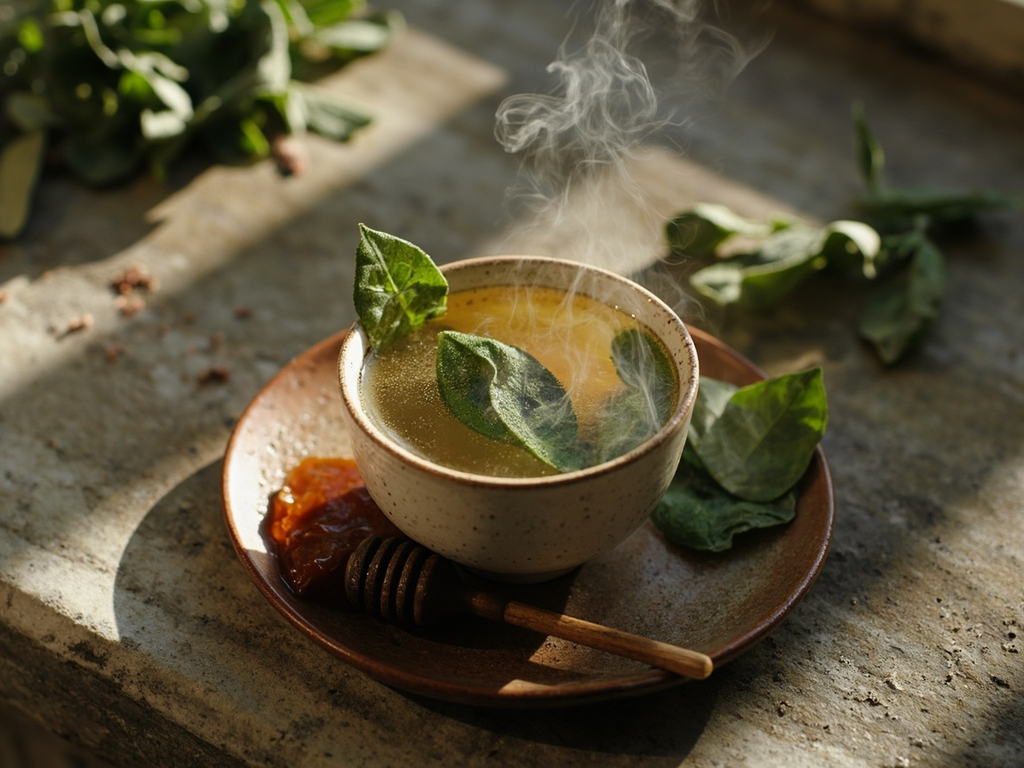 Remedy
Honeyed Sage and Hyssop Tisane from the Infirmary
Infirmary drink (herbal potion)
☕ 🍯· 10 min
View the recipe
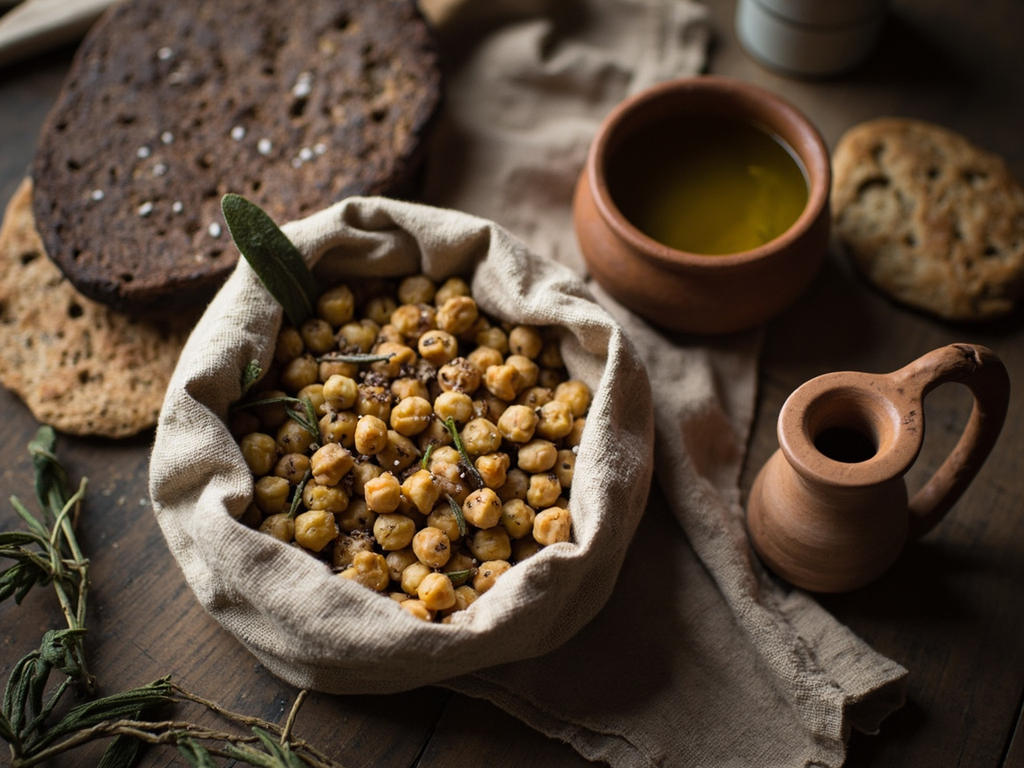 Travel
Dark Rye Bread and Chickpeas of the Pilgrim
Road provisions (travel supplies)
🧂 🍄· 1 h (hors levée)
View the recipe