 flip
flipHoneyed Sage and Hyssop Tisane from the Infirmary
Honeyed Sage and Hyssop Tisane from the Infirmary
Why this dish? Eugene III died in Tivoli in 1153, worn out by the labors of the pontificate and the crusades. In Cistercian monasteries, the infirmary had a garden of simples; sage and hyssop, master herbs of medieval care, went into the honeyed tisanes given to the sick and exhausted monks — the comfort allowed where gluttony was banned.
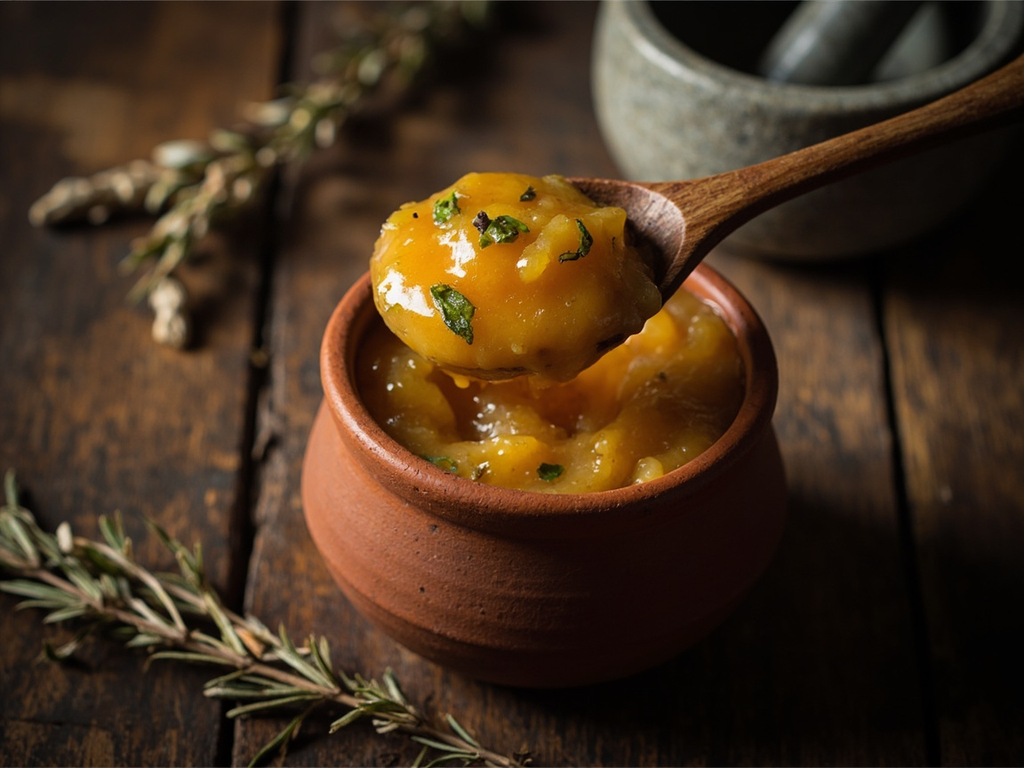
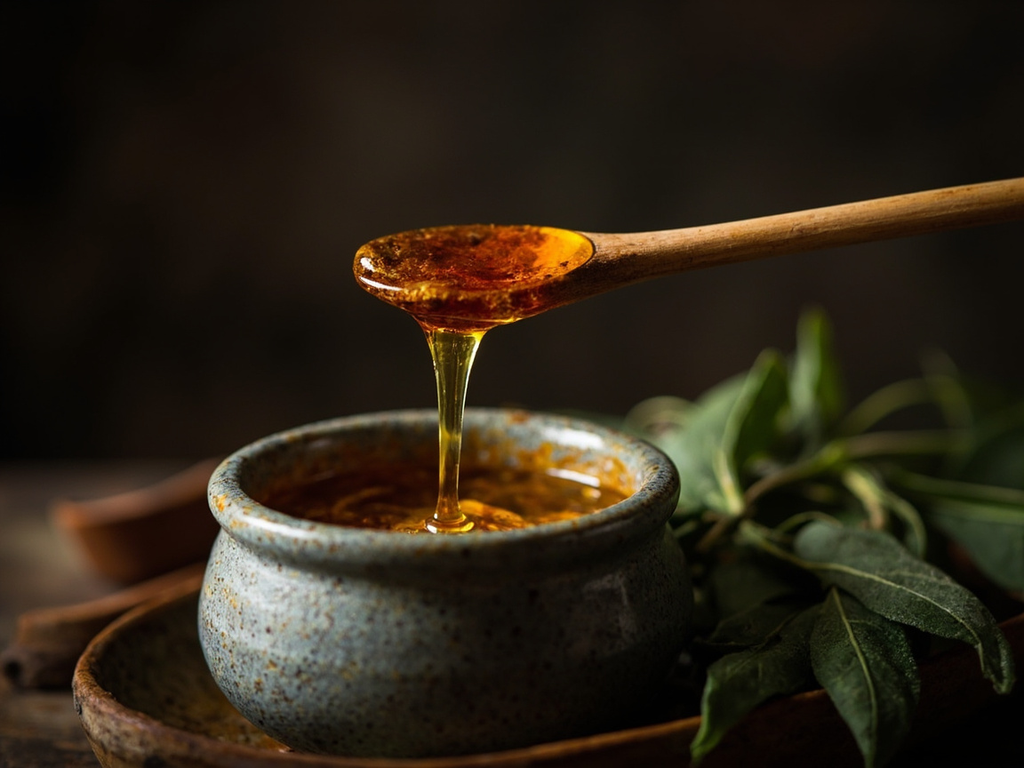
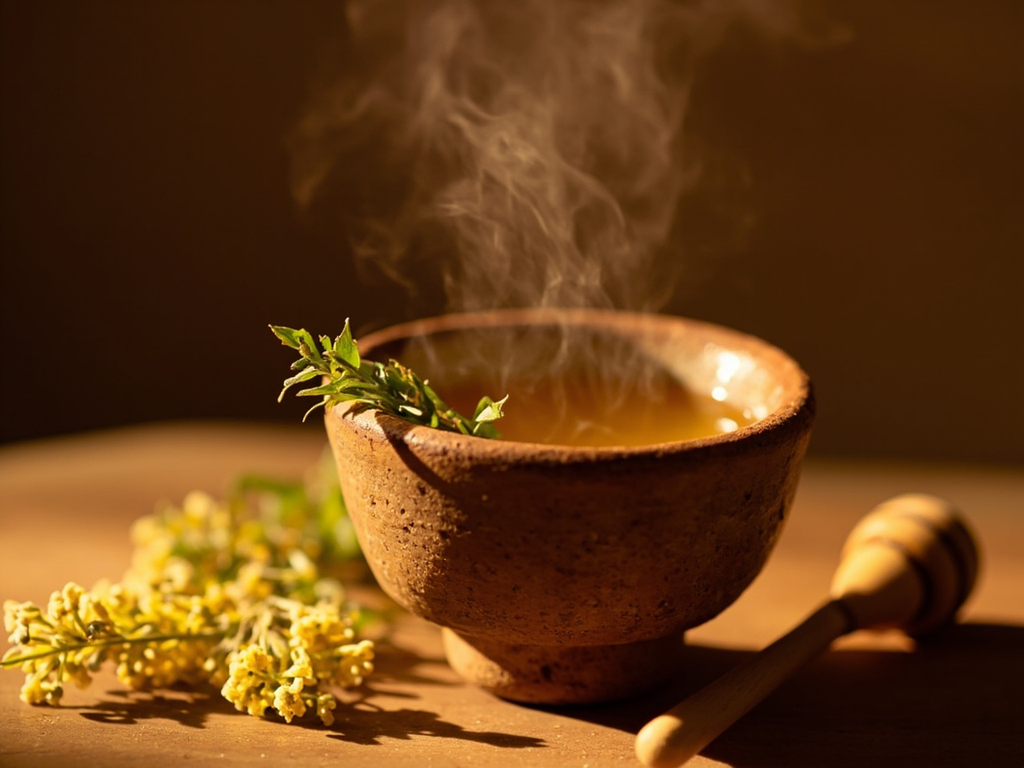
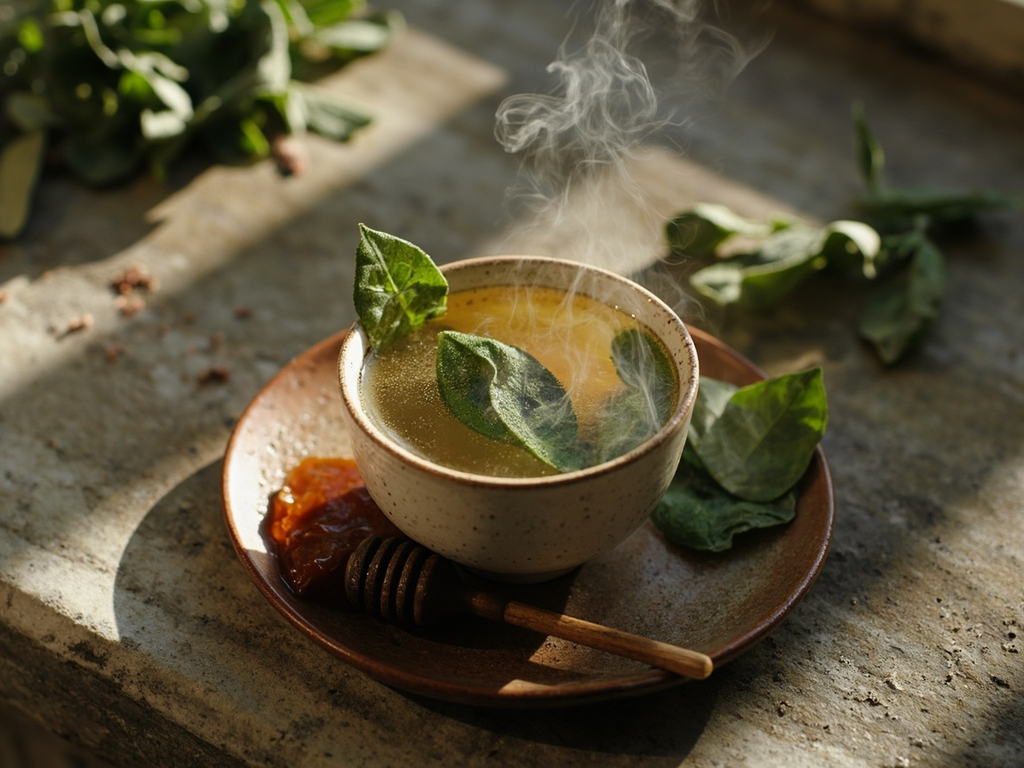
A hot infusion of sage and hyssop sweetened with honey, the cloister's healing drink. Bitter and resinous beneath the honey's sweetness, it warms and comforts.
The burden of Peter has exhausted my body, and more than once the infirmarian has handed me this potion. Take sage — salvia, the savior, as our elders called it — and hyssop, of which the psalm speaks: 'Purge me with hyssop, and I shall be clean.' They are thrown into boiling water, left to steep for the time of a Pater, then sweetened with honey from our hives. Drink it hot in the evening, traveler; it warms the chest and soothes the weary soul better than all the wines of princes.
- •Sage leaves — a handful (master herb)
- •Hyssop — a few sprigs (healing herb)
- •Honey — to taste (sweetness)
- •Spring water — a pint (infusion base)
Honeyed Sage and Hyssop Tisane from the Infirmary
A hot infusion of sage and hyssop sweetened with honey, the cloister's healing drink. Bitter and resinous beneath the honey's sweetness, it warms and comforts.
Why this dish? Eugene III died in Tivoli in 1153, worn out by the labors of the pontificate and the crusades. In Cistercian monasteries, the infirmary had a garden of simples; sage and hyssop, master herbs of medieval care, went into the honeyed tisanes given to the sick and exhausted monks — the comfort allowed where gluttony was banned.
The burden of Peter has exhausted my body, and more than once the infirmarian has handed me this potion. Take sage — salvia, the savior, as our elders called it — and hyssop, of which the psalm speaks: 'Purge me with hyssop, and I shall be clean.' They are thrown into boiling water, left to steep for the time of a Pater, then sweetened with honey from our hives. Drink it hot in the evening, traveler; it warms the chest and soothes the weary soul better than all the wines of princes.
Ingredients (period version)
- Sage leaves — a handful (master herb)
- Hyssop — a few sprigs (healing herb)
- Honey — to taste (sweetness)
- Spring water — a pint (infusion base)
Ingredients
- Fresh sage (or 2 tsp dried) — 8 leaves (master herb)
- Hyssop (or thyme as substitute) — 2 sprigs (healing herb)
- Honey — 1 to 2 tsp (sweetness)
- Water — 500 ml (infusion base)
Method
- Bring the water to a boil, then remove from heat.
- Add the sage and hyssop; cover and steep for 5 to 7 minutes (longer steeping makes it too bitter).
- Strain into a cup or bowl.
- Add honey once the infusion has cooled slightly (to preserve its virtues) and stir.
- Drink hot, preferably in the evening.
How it was made : Monastic medicine relied on the garden of simples; sage (salvia, 'the savior') and hyssop, mentioned in the Psalms, were among the most prized plants, recommended by the School of Salerno and later by Hildegard of Bingen. They were infused in water or wine and sweetened with honey, as cane sugar was then an apothecary's commodity, rare and costly. These drinks belonged to care (infirmary) and not to pleasure, the only context where sweetness was tolerated.
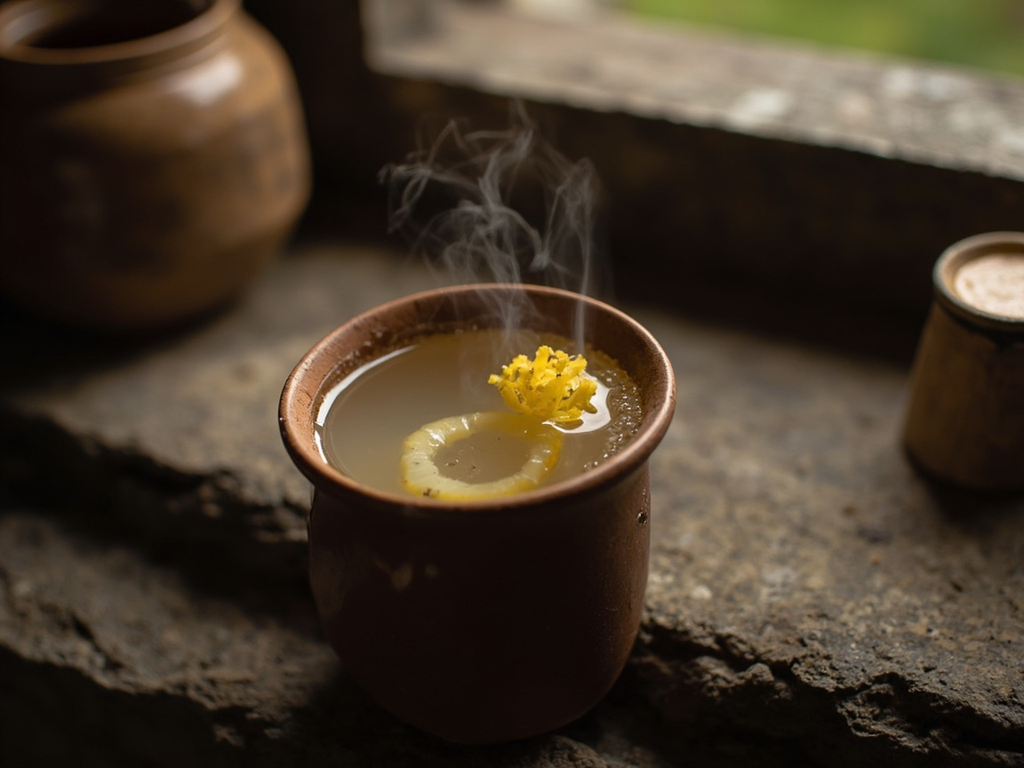
The contemporary twist : Served iced in summer, with a lemon zest and a fried sage leaf as garnish — the infirmary potion becomes a detox infusion without betraying its herbs.
Sources : Regimen sanitatis Salernitanum (virtues of sage) · Hildegard of Bingen, Physica · Psalm 51 (Miserere: 'Purge me with hyssop')
Eugene III · Charactorium