 Flip the card
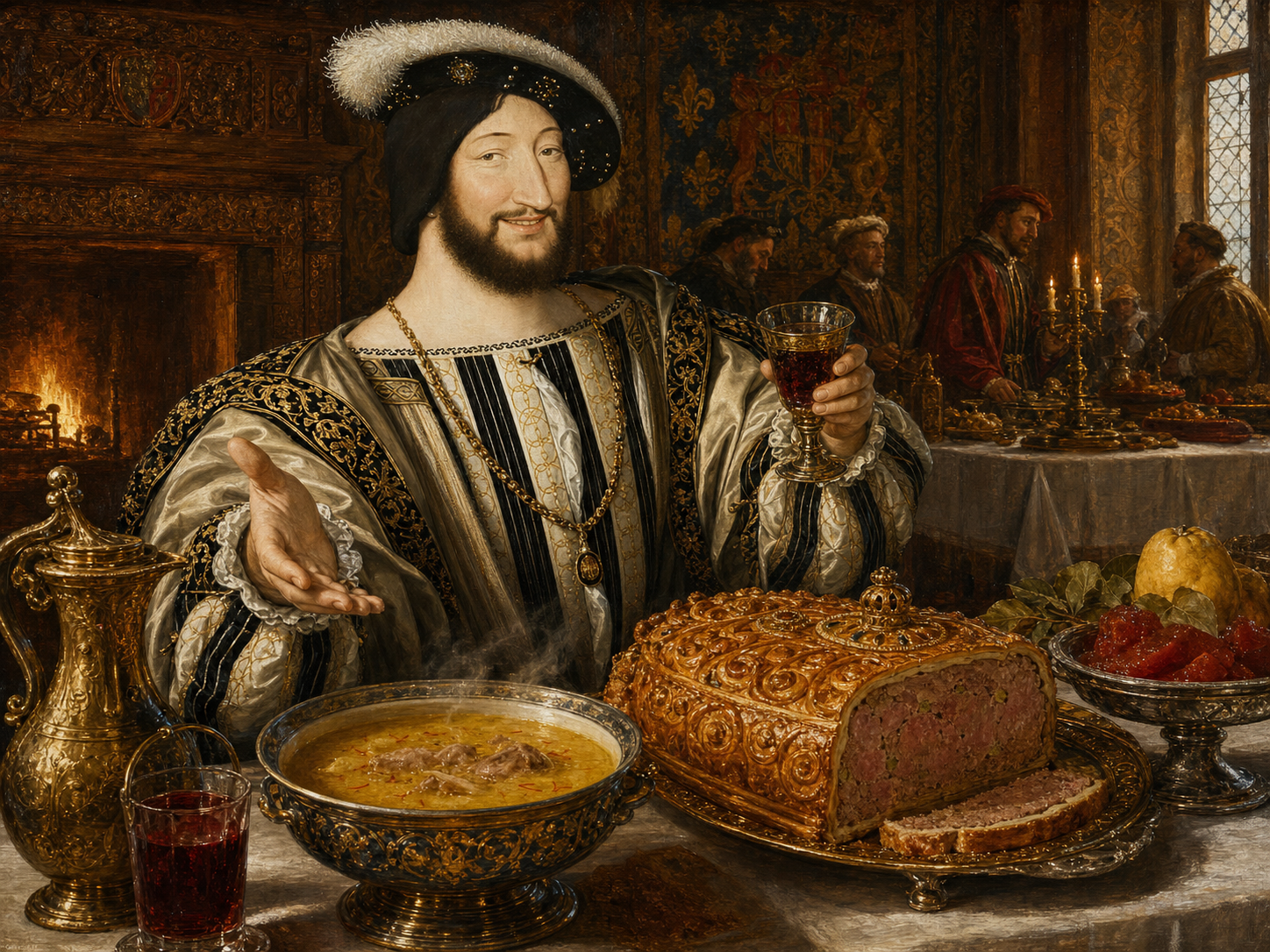
Francis I at the table
1494 — 1547
On the menu
Service à la française by course (court cuisine, Renaissance)
At the table of Francis I, the meal unfolded in several "courses" brought together and placed on the tablecloth: first the pottages and broths, then the "rost" (roasts and large venison pies), then the sweet-spiced "entremets", and finally the "issue de table", the closing moment when hypocras and dry preserves were served to aid digestion. There were no starters, main courses, or desserts in the modern sense: everything coexisted, and one helped oneself according to rank and desire, the king being served first.
Signature : Verjuice and Spices of the Orient
Sixteenth-century French royal cuisine knew neither tomato nor common lemon: it was soured with verjuice (pressed green grape juice) and liberally perfumed with cinnamon, ginger, cloves, and the precious grains of paradise (melegueta pepper). Rare sugar and costly spices signaled the wealth of the diner — at the court of Francis I, it was a display of power as much as a pleasure.
click to flip back
Francis I at the table
1494 — 1547
5 period recipes
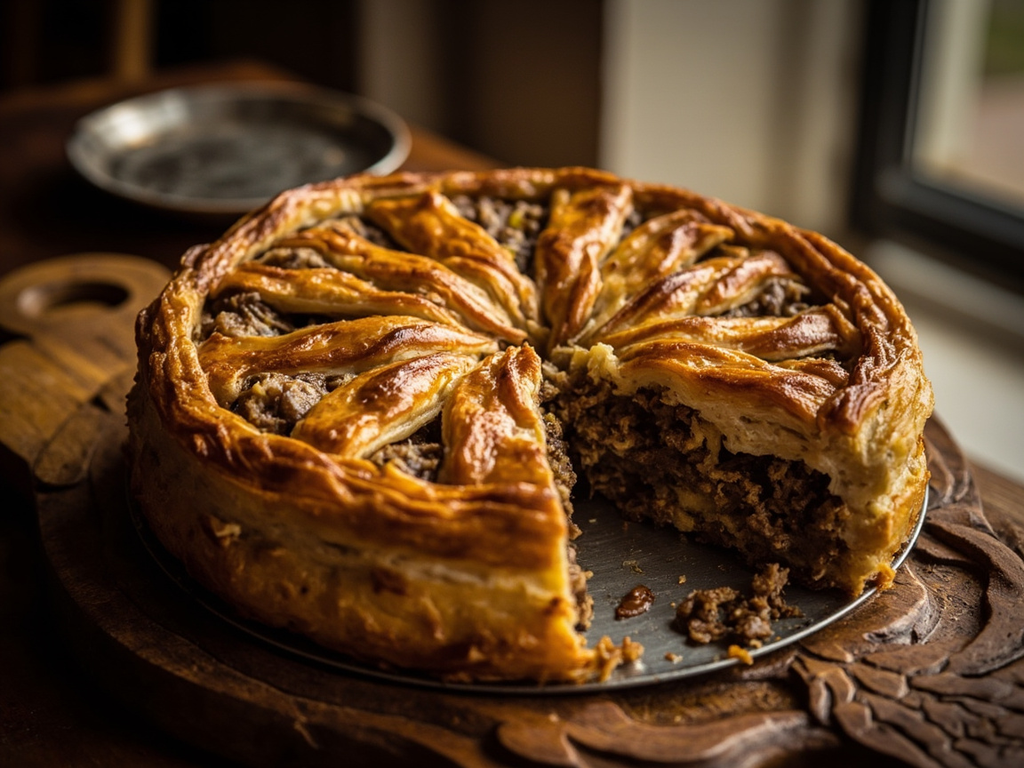 Festive
Grand Venison Pie in Crust
Le rost (noble meat course, heart of the banquet)
🧂 🌶️· 2h30 (including resting)
View the recipe
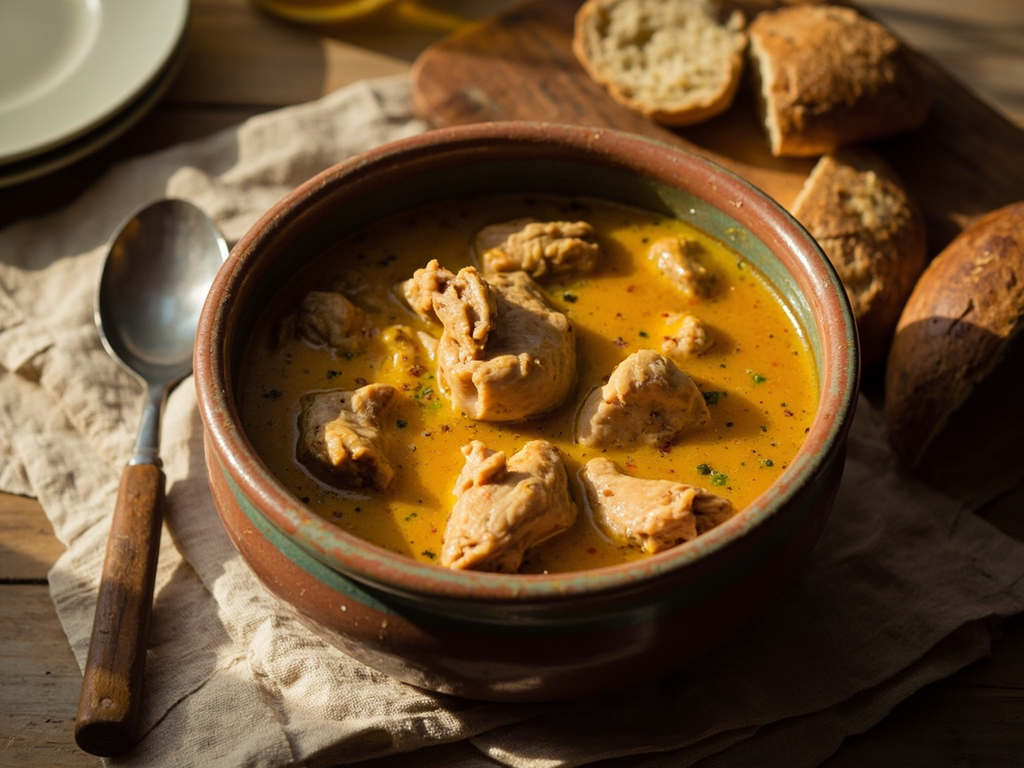 Everyday
Saffron and Verjuice Capon Broth
Le potage (liquid dish opening the meal)
🧂 🍋· 45 min
View the recipe
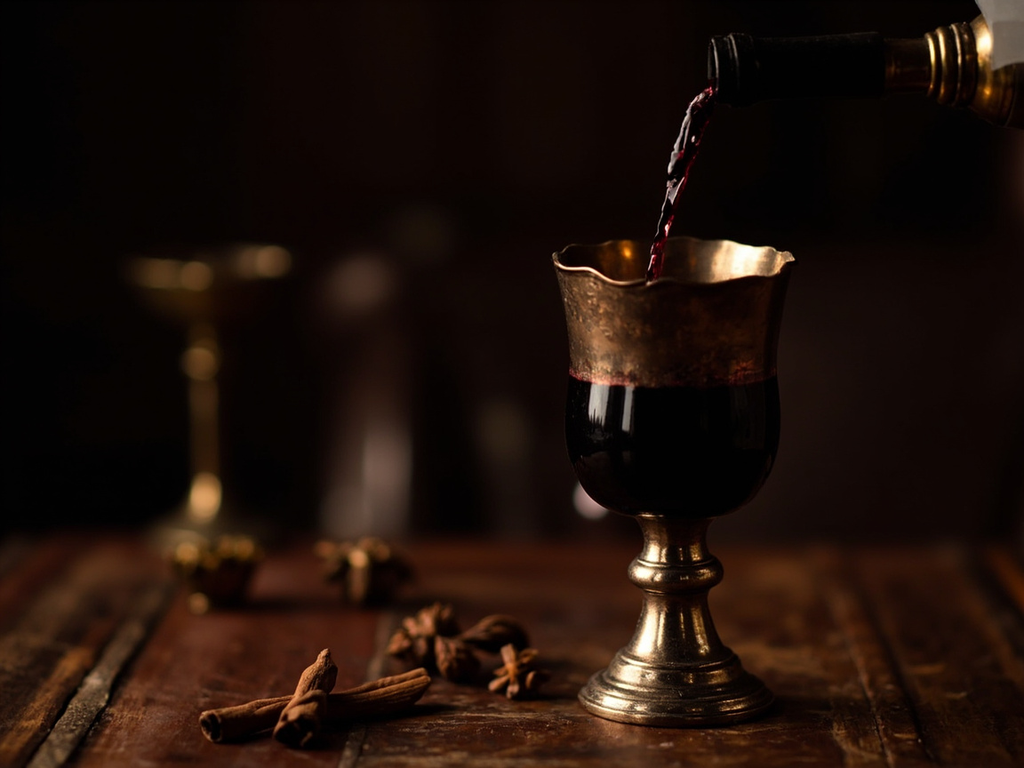 Drink
DrinkHypocras with Burgundy Wine
L'issue de table (closing drink of the meal)
🍯 🌶️· 20 min (+ 2 h infusion)
View the recipe
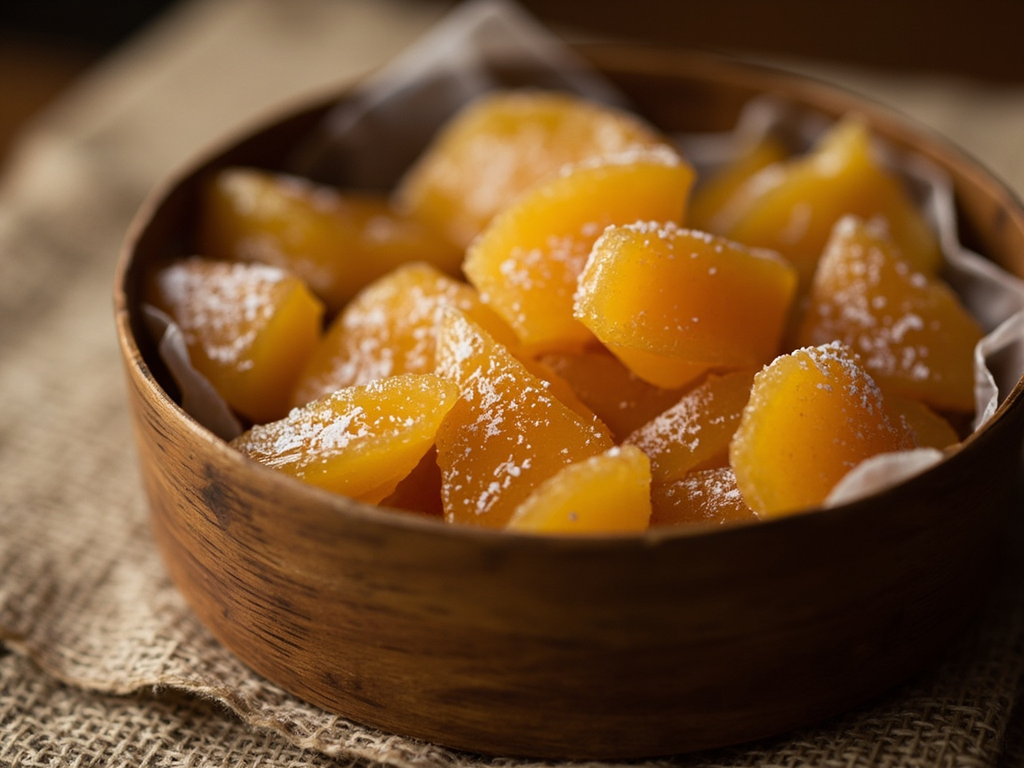 Preserving
Quince Paste (Cotignac)
Dry preserve (entremets and gift of value)
🍯 🍋· 1h30 (+ 24-48 h drying)
View the recipe
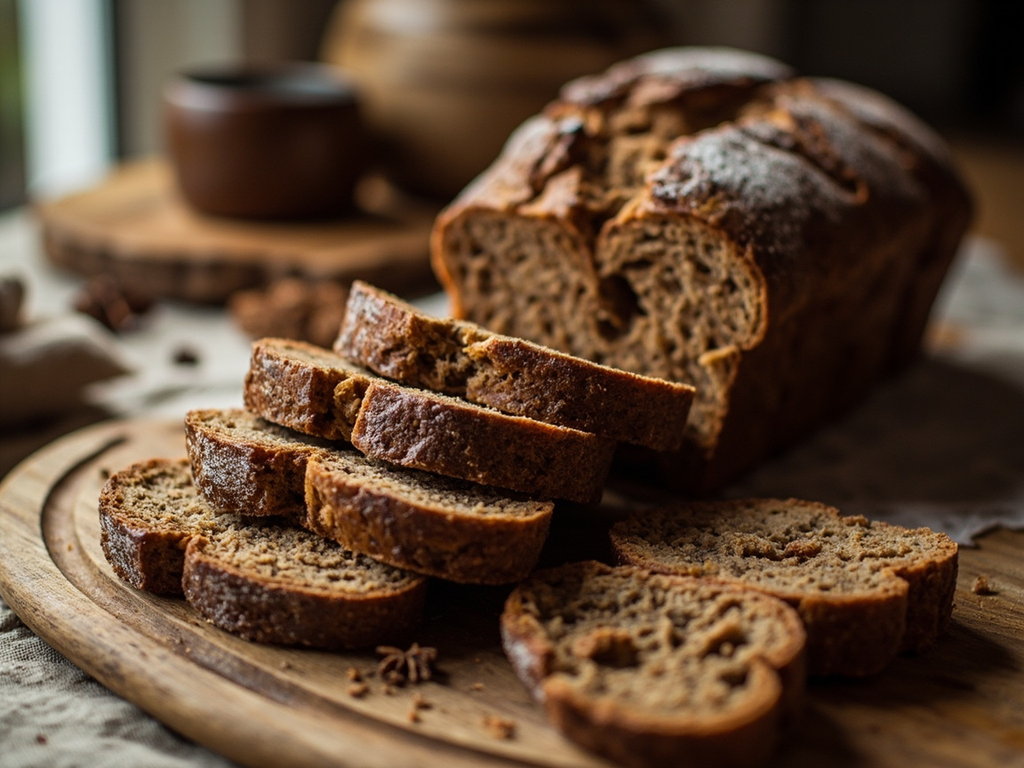 Travel
Honey and Rye Spice Bread
Bread mixed with spices (travel provision and entremets)
🍯 🌶️· 1h (+ recommended overnight rest)
View the recipe