 Flip the card
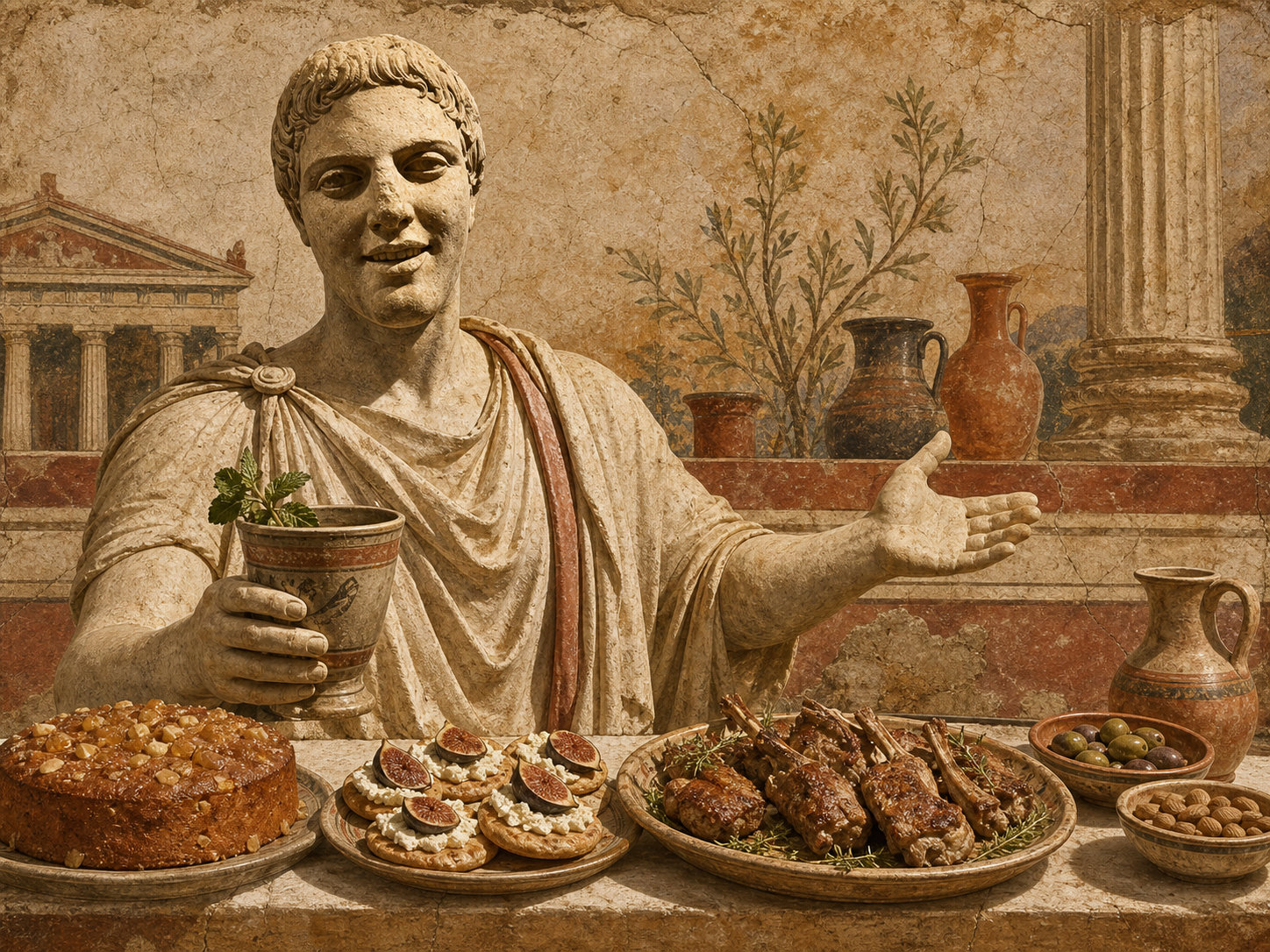
Hermes at the table
On the menu
From the Greek Hearth to the Altar: Ariston, Deipnon, Symposion, and Offerings
The ancient Greek meal revolves around maza (barley flatbread) and wheat bread, accompanied by opson (what "relishes": cheese, olives, vegetables, fish, sometimes meat). A light ariston is taken during the day, and a deipnon in the evening; the symposion that follows is the time for wine mixed with water. Apart from the men's table stands the gods' table: the pelanos (bloodless cakes) placed at the foot of herms and the roasted portions of sacrifice. Hermes, god of roads, commerce, and flocks, traverses all these moments — from the traveler's snack to the altar of Olympus.
Signature : Thyme Honey and Barley
The fragrant honey of the hills (that of Hymettus, near Athens, is praised) sweetens offerings and binds cakes; roasted then ground barley (alphita) is the staple of the Greek people, the base of maza and kykeon. This duo — nourishing barley, sacred honey — links the humble traveler's meal to the gifts given to the gods.
click to flip back
Hermes at the table
5 period recipes
 Offering
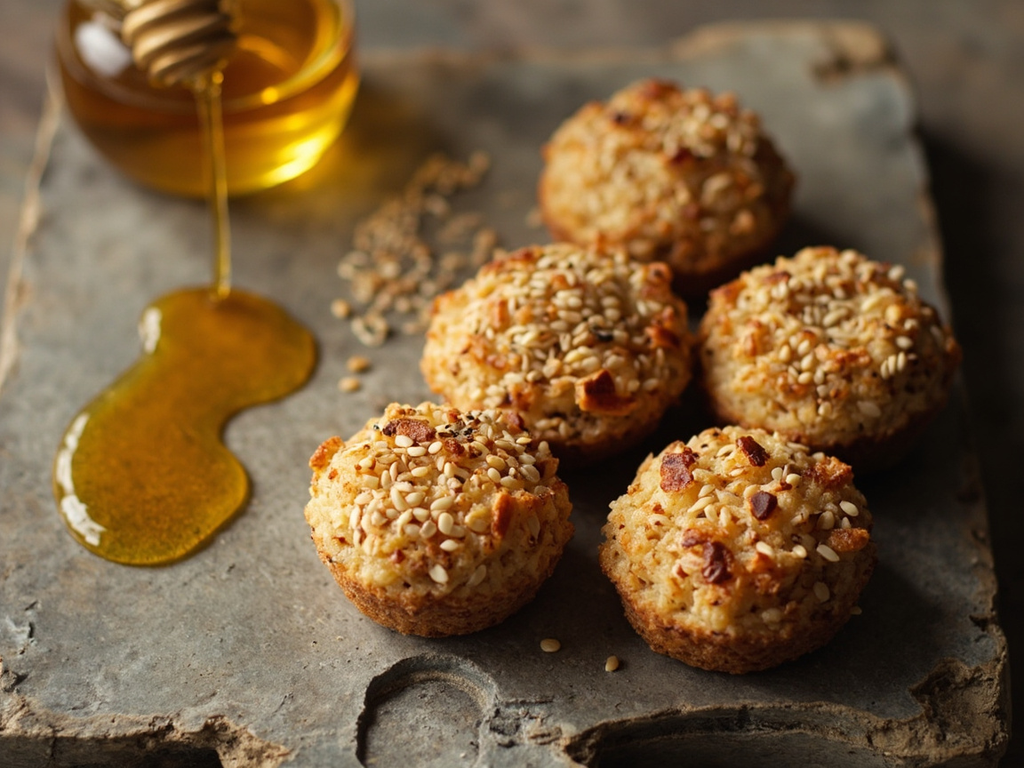
Pelanos with Honey for the Herm
Pelanos — small bloodless cake placed as an offering at the foot of a herm
🍯· 35 min
View the recipe
 Travel
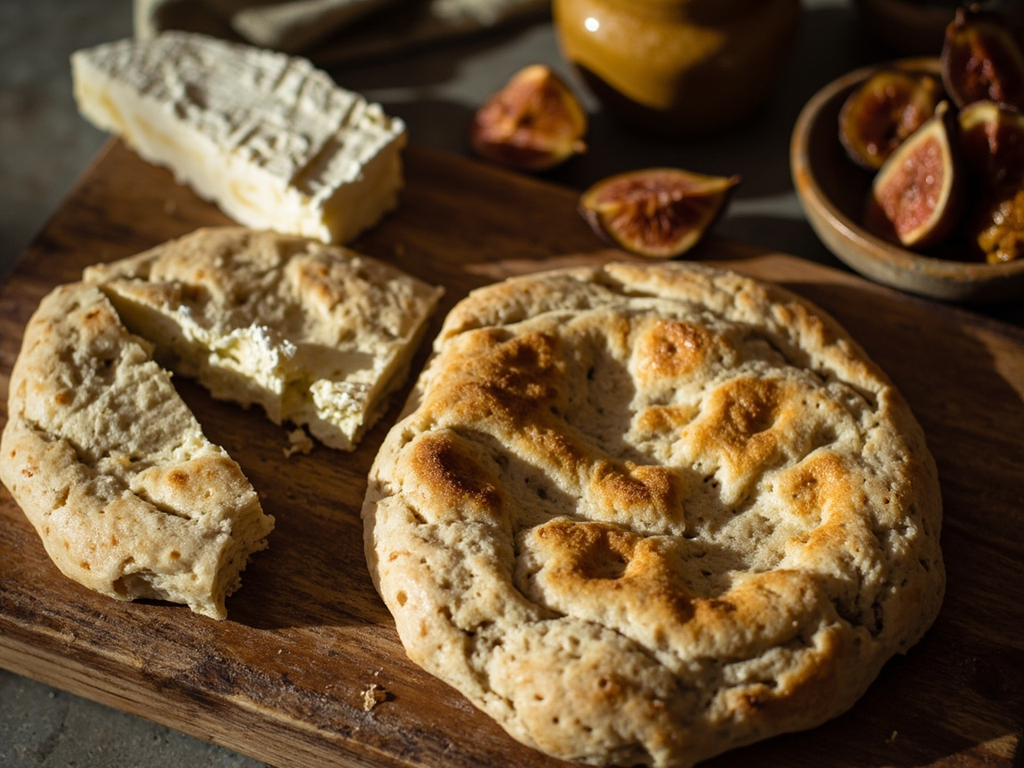
Traveler's Maza with Goat Cheese and Figs
Maza — unleavened barley flatbread, the staple of the Greek meal, slipped into the pouch (pera)
🧂· 30 min
View the recipe
 Festive
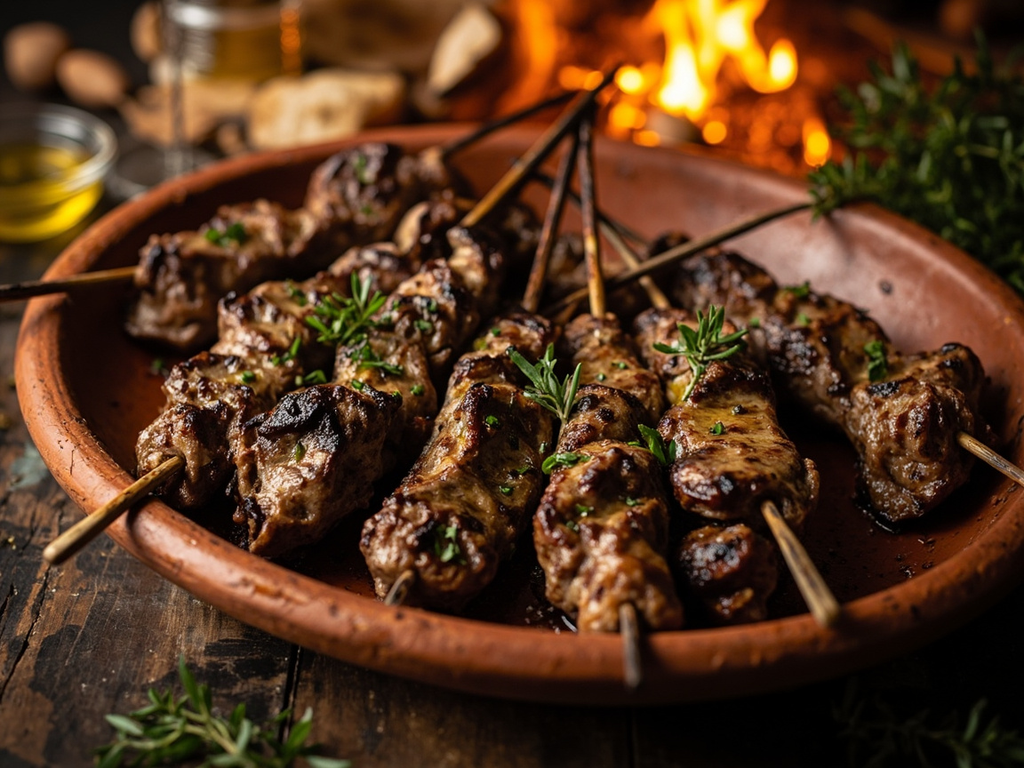
The Twelve Portions of the Sacrifice: Thyme-Roasted Lamb
Hiera — roasted portions of the sacrifice, shared at the banquet (thysia)
🍄 🧂· 1 h 30 (including 1 h marinating)
View the recipe
 Drink
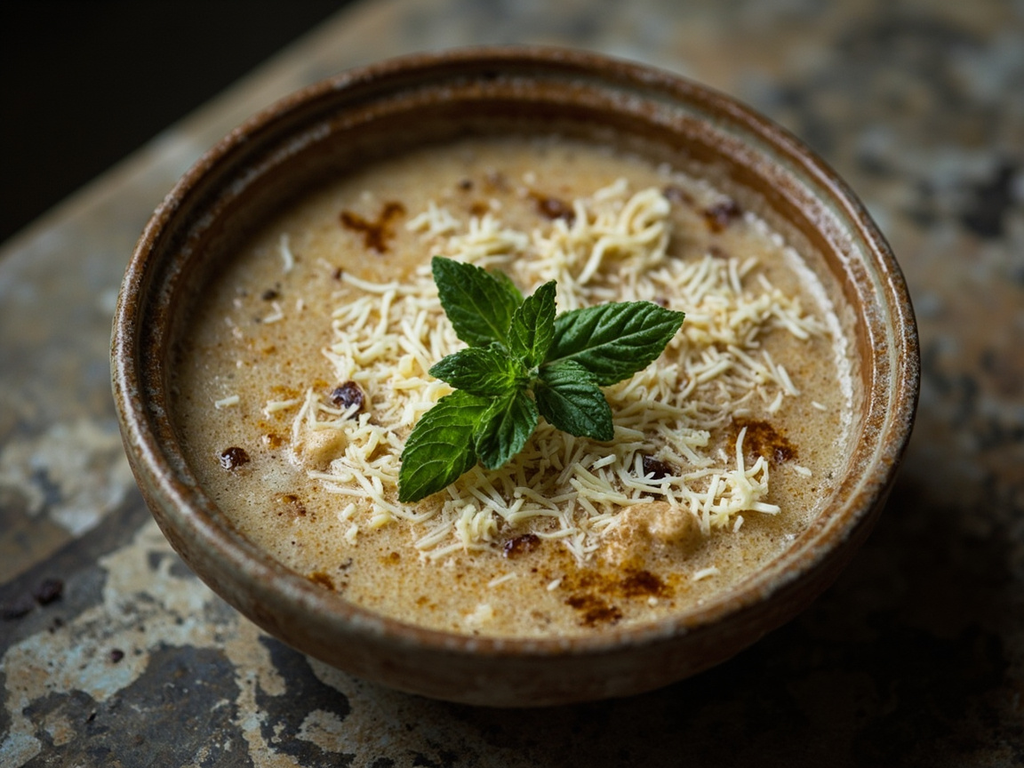
DrinkBarley Kykeon with Pennyroyal Mint
Kykeon — barley porridge-drink, beverage of travelers, shepherds, and rites
🫙 ☕· 10 min
View the recipe
 Street food
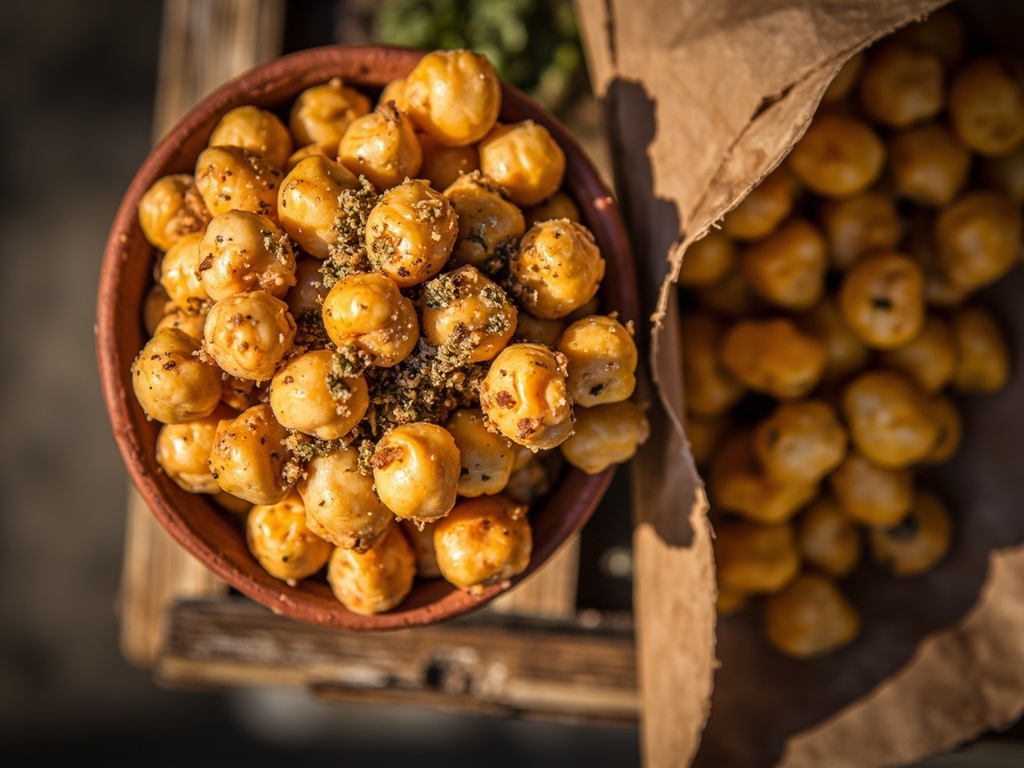
Roasted Chickpeas from the Agora
Tragemata — little things to nibble, snacks sold and munched at the market
🧂 ☕· 45 min
View the recipe