 Flip the card
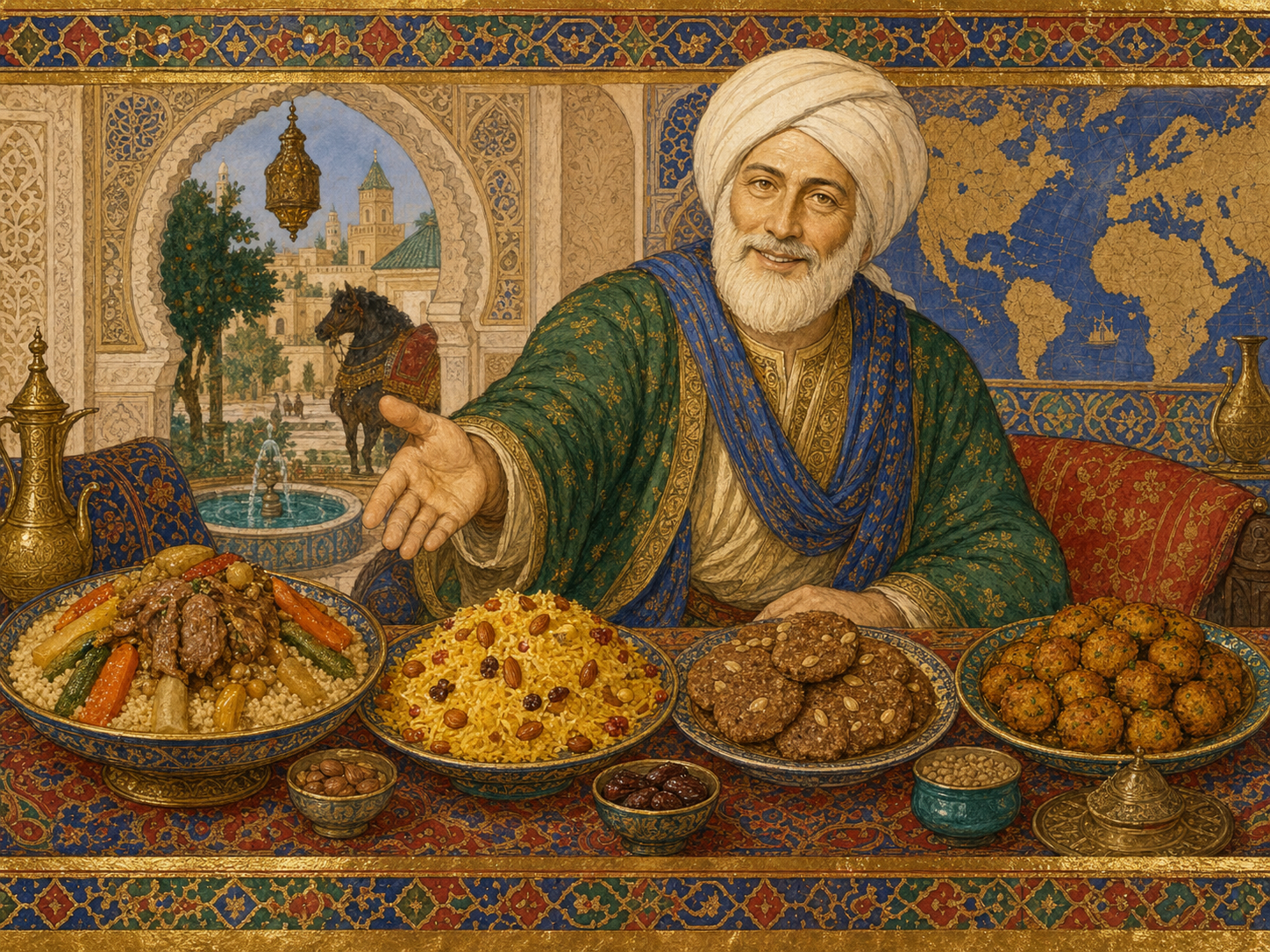
Ibn Battûta at the table
1304 — 1368
On the menu
The Traveler's Sofra
On the roads of the medieval Islamic world, meals are taken around a large cloth or a copper tray set directly on the ground—the sofra. Hands are washed, the basmala is pronounced, then each person eats with the right hand from the communal dish. There is no European-style starter or dessert: savory and filling dishes are served first, with sweets and perfumed drinks arriving to close and refresh. Ibn Battuta, whether host or guest at court, found this same hospitality (diyâfa) everywhere, from the flatbreads of Tangier to the feasts of Delhi.
Signature : Rose Water and Saffron
The thread running through the refined cuisine that the traveler encountered from the palaces of Arabia to the courts of India: saffron dyes festive dishes gold, and rose water perfumes them. To cook "in the manner of the greats" in the 14th century is to know how to balance these two treasures—one worth its weight in gold, the other perfuming the fingers long after the meal.
click to flip back
Ibn Battûta at the table
1304 — 1368
5 period recipes
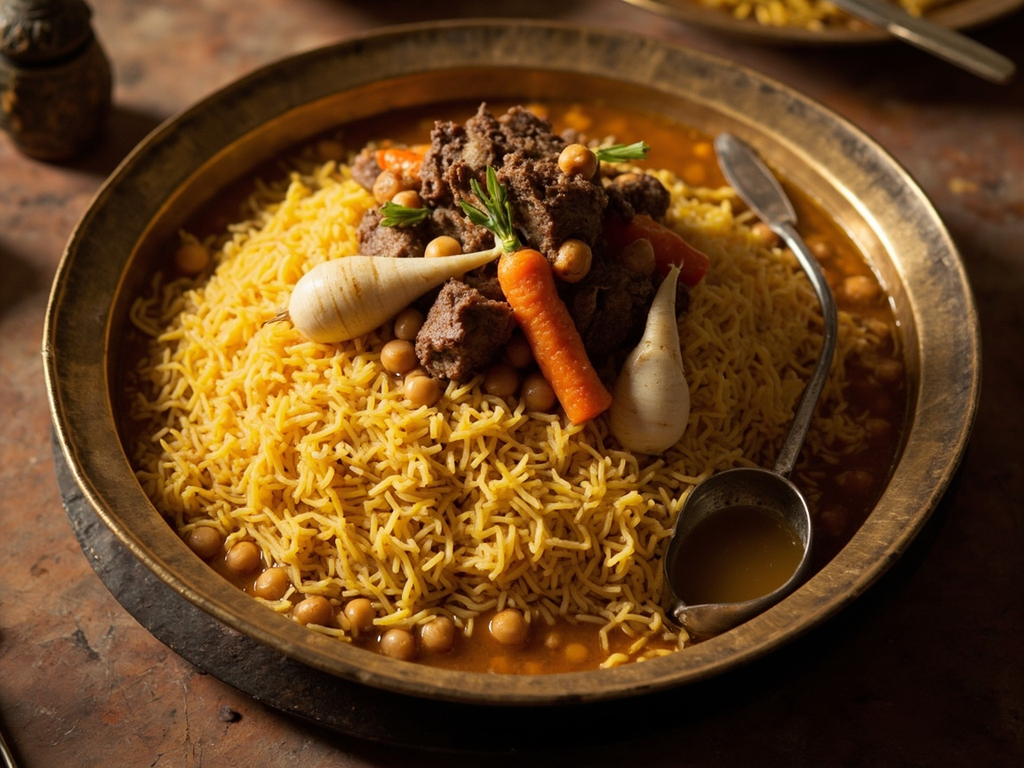 Everyday
Seksu of Tangier with Lamb and Root Vegetables
Maghrebi Staple Dish (ta'âm)
🧂 🍄· 2 h
View the recipe
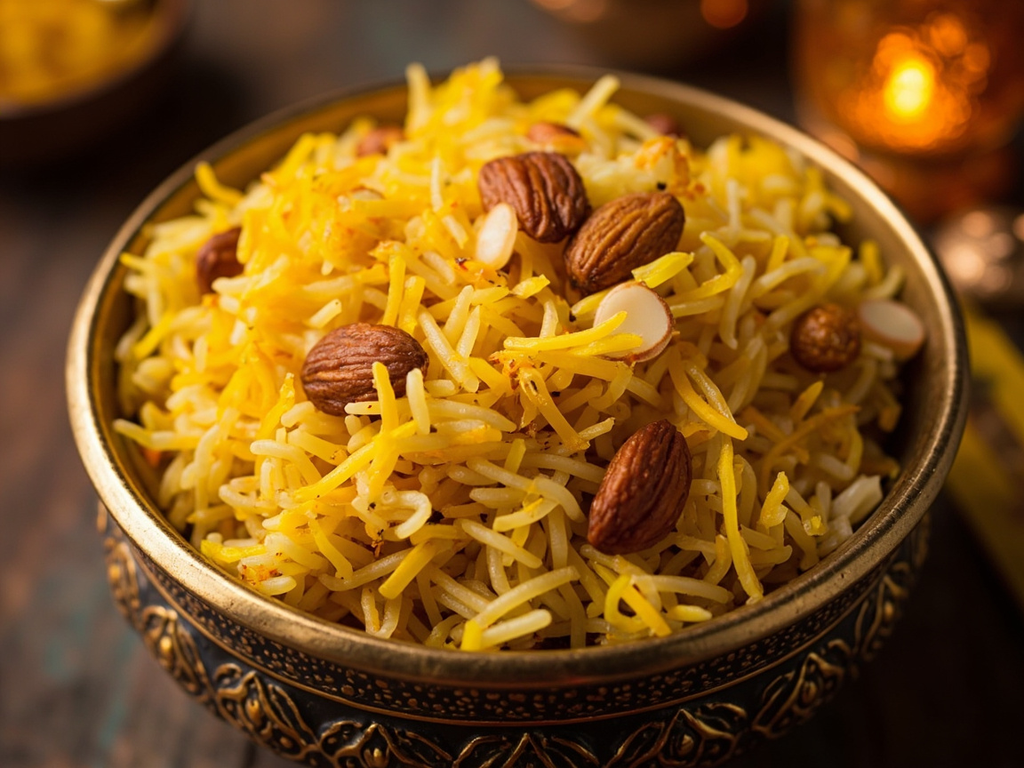 Festive
Zarda — Saffron Sweet Rice from the Delhi Court
Indo-Persian Feast Dish (thâl)
🍯 🌶️· 50 min
View the recipe
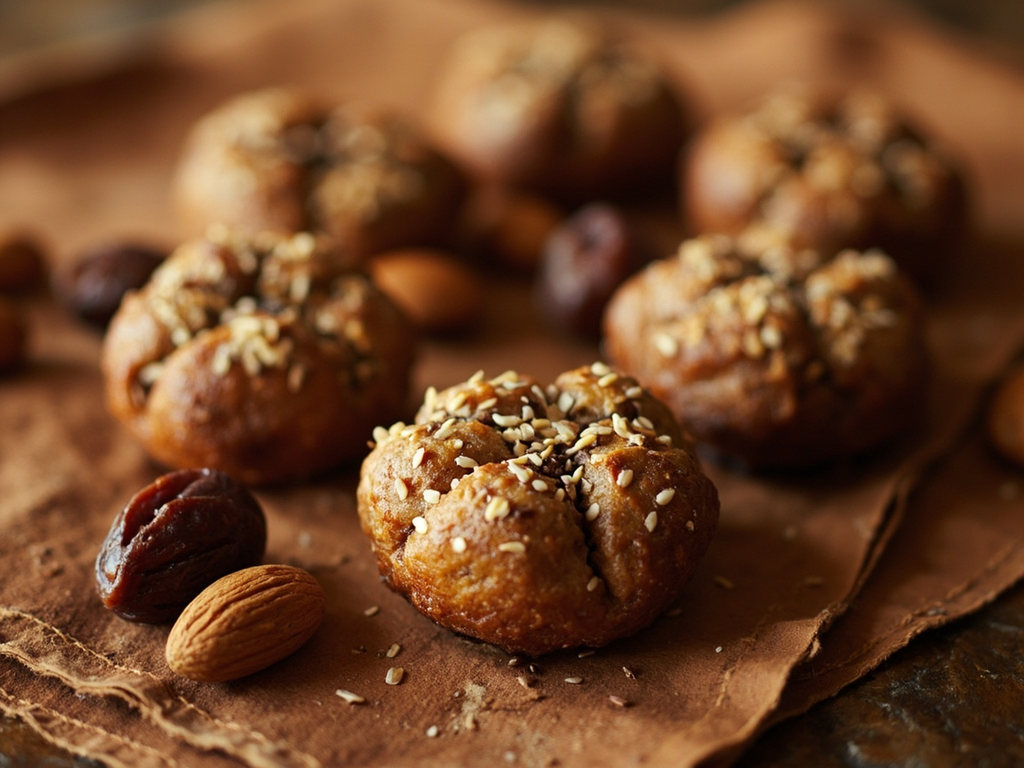 Travel
Pilgrim's Cakes — Dates, Barley, and Almonds
Caravan Provisions (zâd al-musâfir)
🍯· 30 min
View the recipe
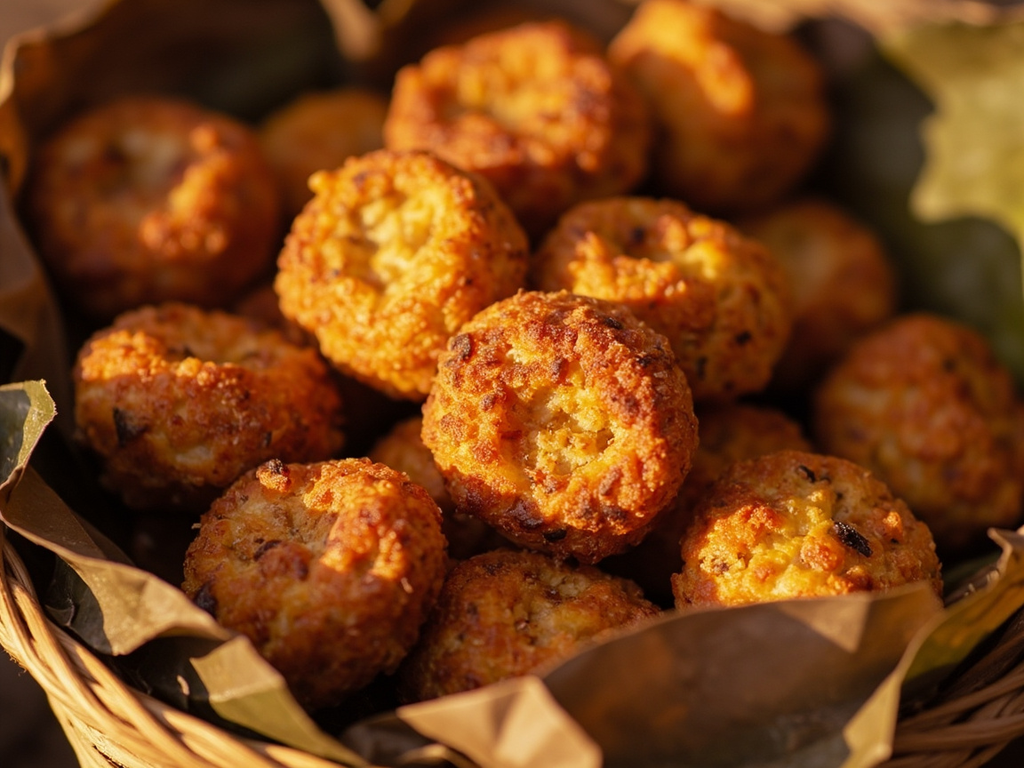 Street food
Cowpea Fritters with Grains of Paradise (Mali)
West African Market Snack
🧂 🌶️· 40 min (plus soaking)
View the recipe
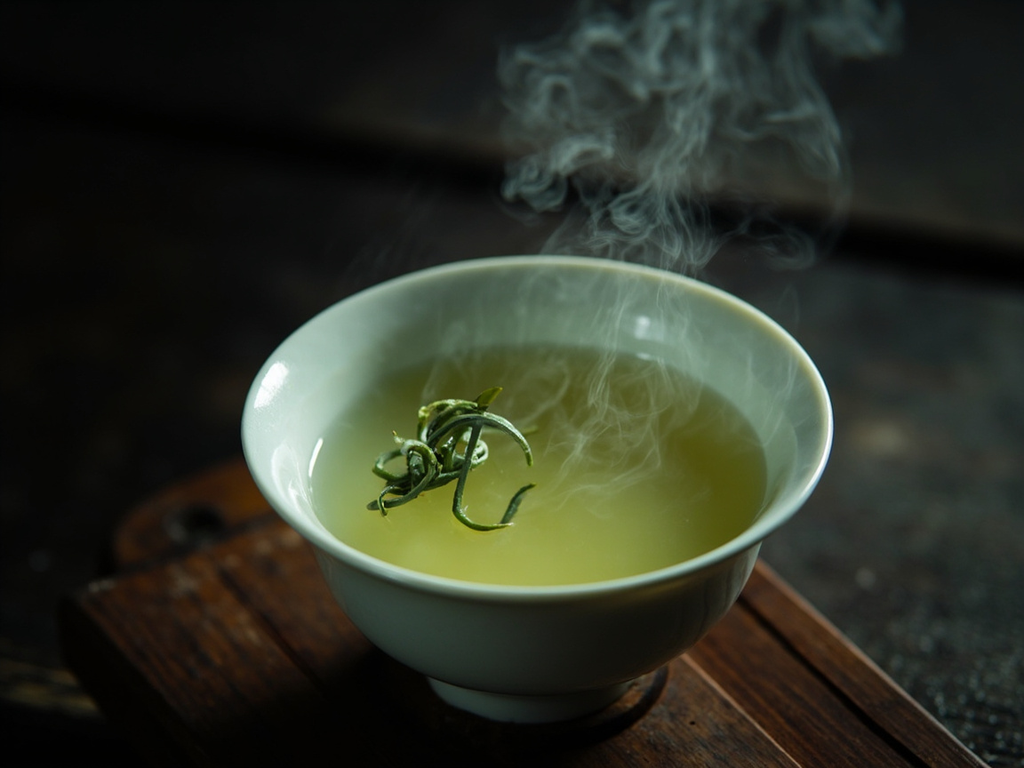 Drink
DrinkChinese Green Tea, Quanzhou Style
Chinese Hospitality Beverage
☕· 10 min
View the recipe