 flip
flipCowpea Fritters with Grains of Paradise (Mali)
Cowpea Fritters with Grains of Paradise (Mali)
Why this dish? Ibn Battuta stayed in the Mali Empire in 1352 and described its markets, its millet, and its generosity. Cowpea (black-eyed pea, African and well pre-1492) fried in red oil is an immemorial street snack of West Africa.
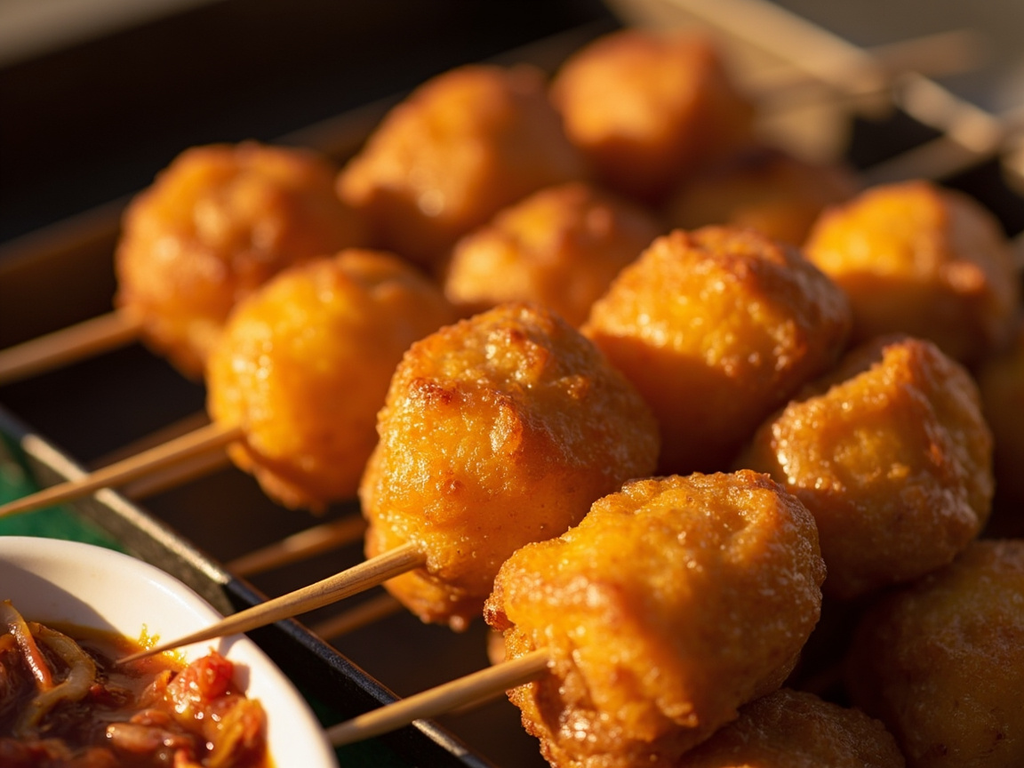
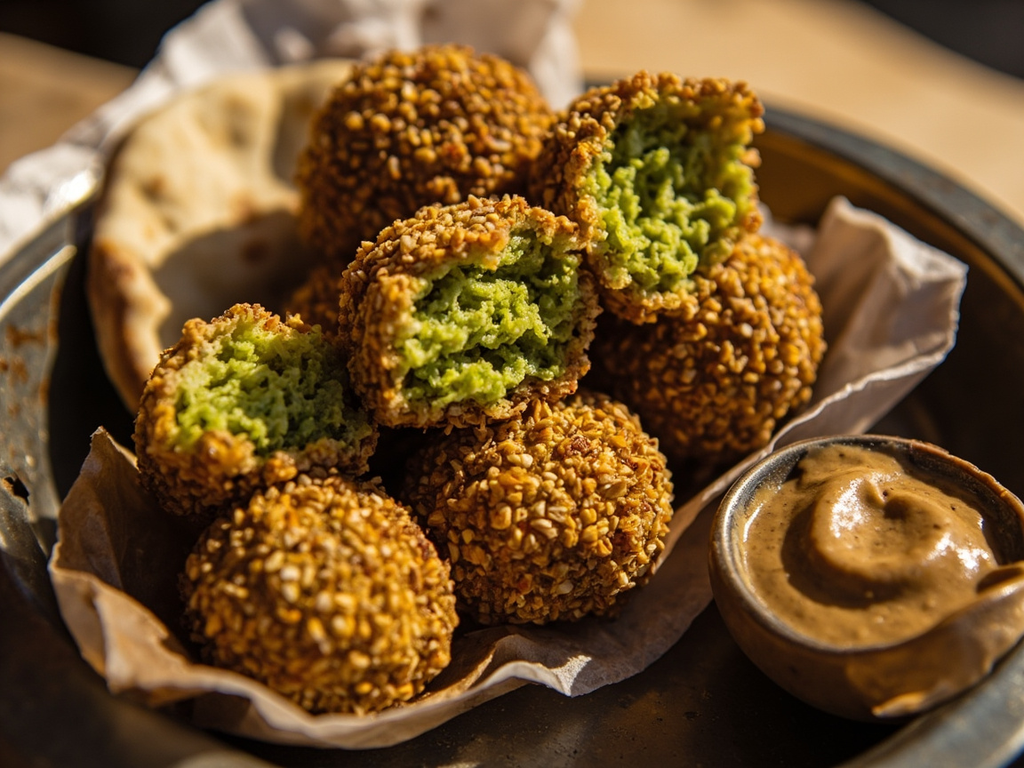
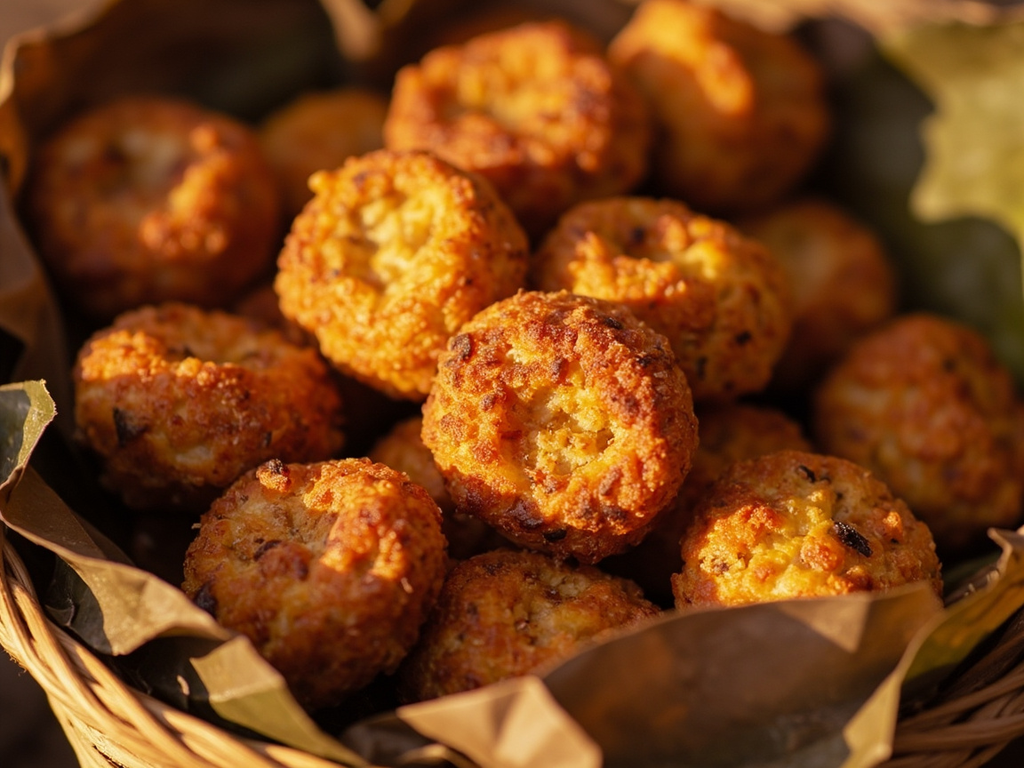
Small airy fritters made from cowpea purée, spiced with onion, ginger, and grains of paradise (Guinea pepper), fried golden in red palm oil. The hot snack of Sahelian markets that the traveler may have encountered.
In the land of the Blacks, reader, I saw justice and security that I envied in many Muslim lands. In their markets rose the smell of golden fritters fried in red oil, seasoned with that burning seed they call the pepper of their country. You buy them with one hand and eat them piping hot, standing among the crowd. I tasted their millet and their milk, and praised the hospitality of this people toward the stranger that I was.
- •Cowpeas (black-eyed peas) — a measure, soaked (fritter base)
- •Onion — one (flavor)
- •Fresh ginger — a piece (heat)
- •Grains of paradise (Guinea pepper) — a few grains (signature West African spice)
- •Salt — to taste (seasoning)
- •Red palm oil — for frying (cooking, color)
Cowpea Fritters with Grains of Paradise (Mali)
Small airy fritters made from cowpea purée, spiced with onion, ginger, and grains of paradise (Guinea pepper), fried golden in red palm oil. The hot snack of Sahelian markets that the traveler may have encountered.
Why this dish? Ibn Battuta stayed in the Mali Empire in 1352 and described its markets, its millet, and its generosity. Cowpea (black-eyed pea, African and well pre-1492) fried in red oil is an immemorial street snack of West Africa.
In the land of the Blacks, reader, I saw justice and security that I envied in many Muslim lands. In their markets rose the smell of golden fritters fried in red oil, seasoned with that burning seed they call the pepper of their country. You buy them with one hand and eat them piping hot, standing among the crowd. I tasted their millet and their milk, and praised the hospitality of this people toward the stranger that I was.
Ingredients (period version)
- Cowpeas (black-eyed peas) — a measure, soaked (fritter base)
- Onion — one (flavor)
- Fresh ginger — a piece (heat)
- Grains of paradise (Guinea pepper) — a few grains (signature West African spice)
- Salt — to taste (seasoning)
- Red palm oil — for frying (cooking, color)
Ingredients
- Cowpeas (black-eyed peas), soaked and peeled — 250 g (base)
- Onion — 1 small (flavor)
- Fresh grated ginger — 1 tsp (heat)
- Ground grains of paradise (or black pepper as substitute) — 1/2 tsp (spice)
- Salt — 1 tsp (seasoning)
- Red palm oil (or neutral oil) — for deep frying (cooking)
Method
- Soak cowpeas overnight, rub off the skins, rinse.
- Blend cowpeas with onion, ginger, grains of paradise, and salt into a thick, smooth batter.
- Beat the batter vigorously by hand or with a spatula to aerate (this makes the fritters fluffy).
- Heat oil, drop spoonfuls of batter, and fry until golden brown.
- Drain on cloth and eat very hot, plain or with a little spiced salt.
How it was made : Cowpeas, cultivated in West Africa long before the arrival of American crops, and grains of paradise (Aframomum melegueta, "grains of paradise"), a local spice once exported to Europe, make these fritters an authentically medieval Sahelian recipe—without any New World ingredients.
The contemporary twist : Served in a leaf cone, street-food style, with a hint of candied ginger—the spirit of Timbuktu markets revisited.
Sources : Ibn Battuta, Rihla (voyage to Mali, 1352)
Ibn Battûta · Charactorium