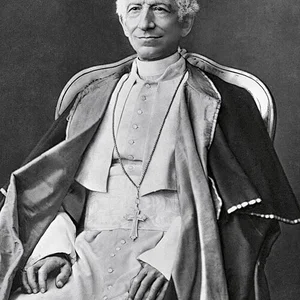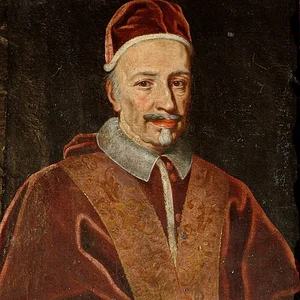

Pope from 1691 to 1700, Innocent XII reformed the Church by combating nepotism through the bull Romanum decet Pontificem (1692). He played a role in the Quietist controversy and contributed to European diplomacy.
Innocent XII(1615 — 1700)
Innocent XII
États pontificaux, royaume de Naples
8 min read
Frequently asked questions
Key Facts
- 1691: elected pope under the name Innocent XII at the age of 76
- 1692: promulgates the bull Romanum decet Pontificem, banning papal nepotism
- 1699: condemns the Quietist propositions of Fénelon in the bull Cum alias
- Contributes to the reconciliation between Louis XIV and the Holy See following the Gallican conflicts
- 1700: dies in Rome, leaving behind a papacy reformed on the administrative level
Works & Achievements
A founding pontifical document forbidding popes from granting ecclesiastical offices and revenues to their families. This historic reform put an end to centuries of papal nepotism and remains the most lasting achievement of Innocent XII.
A remarkable social initiative: Innocent XII converted the vast Lateran Palace to house several hundred destitute Romans, funding the establishment from his own personal resources and visiting it on a regular basis.
Through skillful diplomacy, Innocent XII persuaded Louis XIV to withdraw the Declaration of the Four Articles of 1682, restoring papal authority over the Church in France without humiliating the Sun King.
A document condemning twenty-three propositions from Fénelon's work, bringing the theological controversy of Quietism to a close while deftly preserving the personal dignity of the Archbishop of Cambrai.
A series of measures aimed at abolishing the sale of pontifical offices and improving the integrity of Church financial management, in a spirit of transparency and administrative fairness.
A pivotal diplomatic decision recommending acceptance of the bequest of the Spanish throne to Philip of Anjou. Innocent XII weighed the risks but saw it as the lesser evil for preserving the unity of Catholic Spain.
Anecdotes
Elected pope in 1691 at the age of 76 after a long conclave marked by rivalries between French and Spanish factions, Antonio Pignatelli took the name Innocent XII. When cardinals asked him which nephews he intended to grant positions to, he pointed to the poor of Rome and declared: “These are my nephews.” This anecdote captures the spirit of his entire reform.
In 1692, Innocent XII promulgated the bull 'Romanum decet Pontificem', which formally forbade popes from granting offices, benefices, and ecclesiastical revenues to their families. It was a revolution: for centuries, popes had enriched their relatives through the Church's resources. This decision earned him lasting admiration throughout Catholic Europe.
Innocent XII stood at the center of the Quietism controversy, which pitted Archbishop Fénelon against Bossuet over the book 'Les Maximes des Saints'. In 1699, he condemned twenty-three propositions from the work, but with remarkable gentleness: he carefully avoided personally condemning Fénelon, who immediately submitted with humility.
Deeply concerned for the welfare of the most destitute, Innocent XII transformed the vast Lateran Palace into a hospice to shelter Rome's indigent. He personally funded the establishment and visited regularly to meet those it housed, earning him the popular nickname *padre dei poveri*.
In the final weeks of his life, Innocent XII had to settle the burning question of the Spanish succession: King Charles II, dying and childless, bequeathed his throne to Philip of Anjou, grandson of Louis XIV. The pope recommended accepting the will despite the risk of a European conflagration. He died on September 27, 1700, shortly before Charles II also breathed his last, leaving Europe on the brink of a general war.
Primary Sources
It is not fitting that the Roman Pontiffs, who have received from God the charge of universal father of the faithful, should grant to their relatives offices, benefices, or revenues drawn from the patrimony of the Church, which must be distributed according to merit and not according to ties of blood.
We condemn and reprove the said book as containing propositions that are respectively false, scandalous, ill-sounding, erroneous, offensive to pious ears, and pernicious in practice.
We beseech you, Most Dear Son, to lend your royal authority to the restoration of ecclesiastical discipline and to the full submission of the bishops of your kingdom to the Holy Apostolic See.
Wishing to remedy the abuses that have crept into the management of ecclesiastical offices and charges, We decree that no one may be provided with a benefice or office without a thorough examination of his spiritual merits and capabilities.
Key Places
The spiritual heart of Innocent XII's pontificate, where he celebrated solemn High Masses and received foreign sovereigns during ceremonial occasions. He was interred there in 1700.
Innocent XII transformed this papal palace into a hospice for the poor of Rome, investing his own resources in the project. This powerful symbolic gesture earned him the nickname *padre dei poveri* among the Romans.
Innocent XII's residence and daily workplace, where he received ambassadors, directed the Curia, and signed pontifical documents in a spirit of deliberate sobriety.
Birthplace of Antonio Pignatelli, born in 1615 into a noble Neapolitan family. His southern origins shaped his sensitivity to issues of poverty and social injustice.
The city where Pignatelli served as archbishop before his election to the papacy. There he developed the charitable and reforming convictions that would lastingly define his actions as pope.
Liens externes & ressources
Références
Œuvres
Bulle 'Romanum decet Pontificem'
1692
Transformation du Palais du Latran en hospice
1693
Résolution de la crise gallicane
1693
Bref 'Cum alias' condamnant les 'Maximes des Saints' de Fénelon
1699
Réforme des offices et de la Chambre apostolique
1691-1700
Approbation du testament de Charles II d'Espagne
1700