Philosophy
Pensée, logique, éthique, métaphysique
335 characters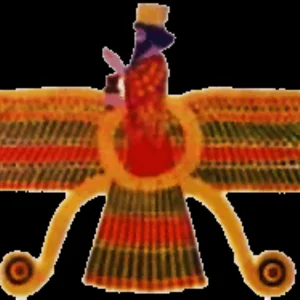

335 characters
Before Christ(53)
Ahura Mazda
The supreme deity of Zoroastrianism, Ahura Mazda is the creator god of wisdom and light in the religion founded by Zoroaster (Zarathustra) around the 6th century BCE in Persia. He embodies the principle of Good, opposed to Ahriman, the principle of Evil, in a dualistic vision of the cosmos.
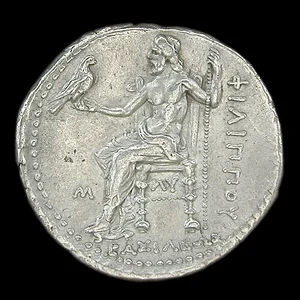
Alexander II of Macedon
King of Macedon from 370 to 368 BC, son of Amyntas III and elder brother of Philip II. His brief reign was marked by internal unrest before his assassination by Ptolemy of Aloros.
Anaxagoras of Clazomenae
499 av. J.-C. — 427 av. J.-C.
Greek pre-Socratic philosopher (c. 500–428 BC), born in Ionia. He introduced the concept of Nous (Cosmic Mind) as the organizing principle of the universe and was the first to offer a rational explanation for solar eclipses. A close friend of Pericles, he lived in Athens before being banished on charges of impiety.
Anaximander
609 av. J.-C. — 545 av. J.-C.
Pre-Socratic Greek philosopher born around 609 BCE in Miletus, a disciple of Thales. He proposed the apeiron (the boundless, indeterminate infinite) as the originating principle of all things, and created one of the earliest known maps of the world.
Anaximenes
584 av. J.-C. — 527 av. J.-C.
Anaximenes is a Pre-Socratic Greek philosopher of the Milesian school, active in the 6th century BC. A disciple of Anaximander, he held that air (pneuma) was the first principle of all things.
Arete of Cyrene
Greek philosopher of the 5th century BCE, daughter of Aristippus of Cyrene, founder of the Cyrenaic school. She is said to have taught philosophy and led the school after her father, personally educating her own son Aristippus the Younger.
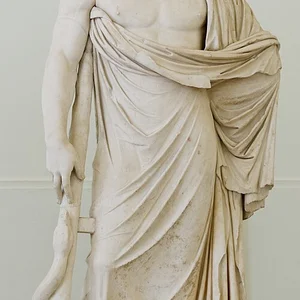
Asclepius
Greek god of medicine and healing, son of Apollo and Coronis. Raised by the centaur Chiron, he mastered the healing arts so completely that he could resurrect the dead — a transgression that led Zeus to strike him down with a thunderbolt.
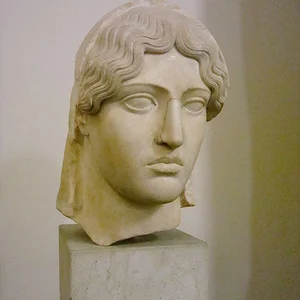
Aspasia
469 av. J.-C. — 399 av. J.-C.
Born in Miletus around 470 BC, Aspasia was the companion of Pericles and a major intellectual figure in Athens. Renowned for her eloquence and mastery of rhetoric, she hosted a philosophical salon attended by Socrates, Plato, and the greatest minds of her era.
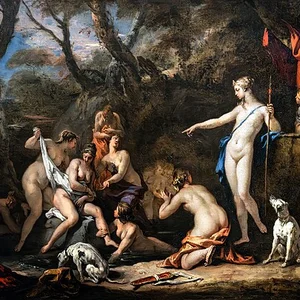
Callisto
Callisto is a nymph from Greek mythology and a companion of Artemis, goddess of the hunt. Seduced by Zeus, she was transformed into a bear by the jealous Hera, then placed in the sky as the constellation Ursa Major.
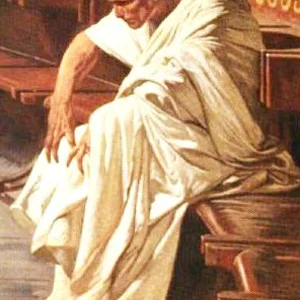
Catiline
107 av. J.-C. — 61 av. J.-C.
Lucius Sergius Catiline was a Roman patrician and politician, famous for plotting a conspiracy to seize power in 63 BC. Exposed by Cicero, he died fighting at the Battle of Pistoria in 62 BC.
Chaos
Chaos is the primordial deity of Greek mythology, personification of the original void or abyss from which the universe was born. According to Hesiod in the Theogony (c. 700 BCE), Chaos is the first being to have existed. From Chaos emerge Gaia, Tartarus, Eros, Nyx, and Erebus.
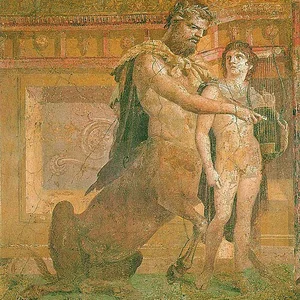
Chiron
Chiron is a centaur from Greek mythology, son of Cronus and the nymph Philyra. Renowned for his wisdom, he served as tutor to many Greek heroes, including Achilles, Jason, and Asclepius. He excelled in medicine, music, hunting, and philosophy.
Coeus
Titan of Greek mythology, son of Uranus and Gaia, Coeus personifies heavenly intelligence and the axis of the world. Husband of Phoebe, he is the father of Leto and Asteria, and thus the grandfather of Apollo and Artemis.
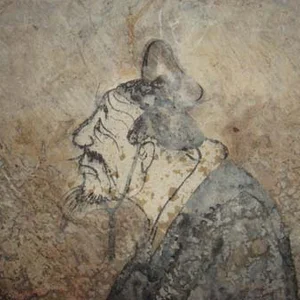
Confucius
550 av. J.-C. — 478 av. J.-C.
A Chinese thinker and philosopher of the 5th century BC, Confucius is the founder of Confucianism. His moral and political teachings, passed down by his disciples in the Analects, have profoundly influenced Chinese civilization and East Asia for more than two millennia.
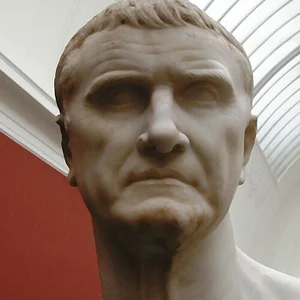
Crassus
114 av. J.-C. — 52 av. J.-C.
A Roman politician and general of the 1st century BC, Crassus was the wealthiest man in Rome. He formed the First Triumvirate with Caesar and Pompey in 60 BC. He died in the disastrous Battle of Carrhae against the Parthians.
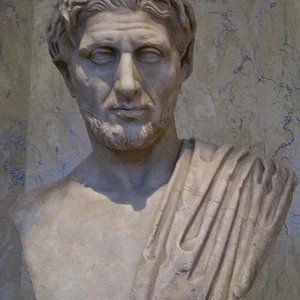
Demetrius of Phalerum
349 av. J.-C. — 282 av. J.-C.
Demetrius of Phalerum was an Athenian philosopher and statesman, a disciple of Aristotle and the Lyceum. As governor of Athens on behalf of Macedonia from 317 to 307 BC, he later took refuge in Alexandria, where he advised Ptolemy I and helped found the Library and the Museum.
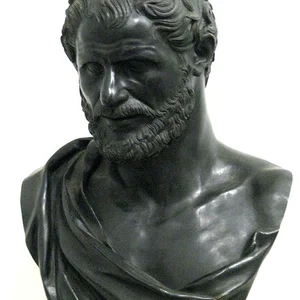
Democritus
460 av. J.-C. — 360 av. J.-C.
A Greek philosopher of the 5th century BC, Democritus is the father of atomic theory: he proposed that all matter is made up of indivisible particles called atoms. A student of Leucippus, he developed a materialist and rationalist philosophy that would have a lasting influence on scientific thought.
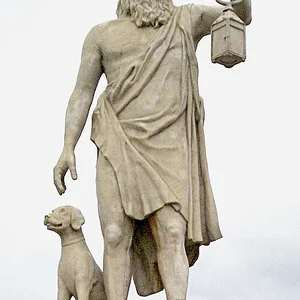
Diogenes of Sinope
399 av. J.-C. — 322 av. J.-C.
Greek philosopher of the 4th century BC and founder of the Cynic school. He advocated the rejection of social conventions and lived in voluntary poverty, sleeping in a large jar. He is famous for his verbal sparring with Alexander the Great.
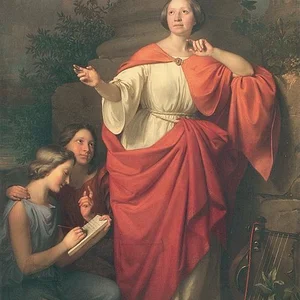
Diotima
450 av. J.-C. — 300 av. J.-C.
Diotima of Mantinea is a figure presented by Plato in the *Symposium* as the priestess and philosopher who is said to have initiated Socrates into the mysteries of love (Eros). Her historical existence is uncertain, but her teaching on the ascent toward the Beautiful is central to Platonic thought.
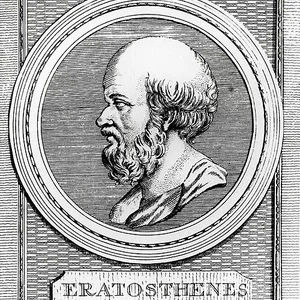
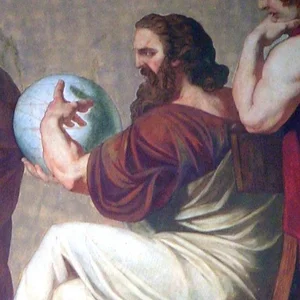
Eratosthenes
275 av. J.-C. — 193 av. J.-C.
Greek scholar of the 3rd century BC and director of the Library of Alexandria. He measured the circumference of the Earth with remarkable accuracy and laid the foundations of scientific geography.
Heraclea
Heraclea refers to several Greek cities founded in honor of the hero Heracles, the most famous of which is Heraclea Pontica. These colonial foundations illustrate the role of mythological heroes in shaping ancient Greek identity.
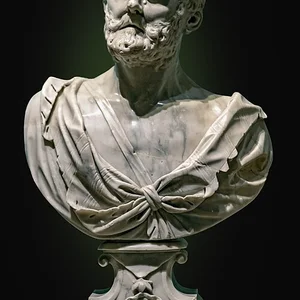
Heraclitus
534 av. J.-C. — 470 av. J.-C.
Pre-Socratic Greek philosopher born around 534 BC in Ephesus (present-day Turkey). He is famous for his doctrine of universal flux and fire as the fundamental principle of all things. His work, known under the title "On Nature", has survived only in fragments.

Herpyllis
Aristotle's companion after the death of his wife Pythias, Herpyllis lived with the philosopher until his death in 322 BC. He showed her great affection and bequeathed her property in his will.
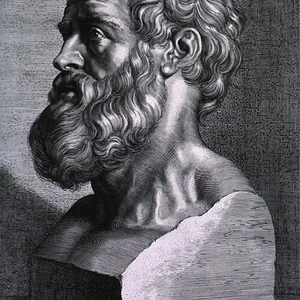
Hippocrates
459 av. J.-C. — 369 av. J.-C.
Greek physician of the 5th century BC, considered the "father of medicine". He established a rational and empirical approach to medicine, separating it from religious and magical practices. His body of work, the Hippocratic Corpus, has influenced Western medicine for more than two millennia.
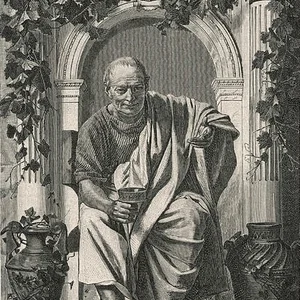
Horace
64 av. J.-C. — 7 av. J.-C.
Horace is a major Latin poet of the Augustan age, born in 65 BC in Venusia. A friend of Virgil and protégé of Maecenas, he is the author of the Odes, the Satires, and the Ars Poetica. His work celebrates wisdom, friendship, and the simple pleasures of life.
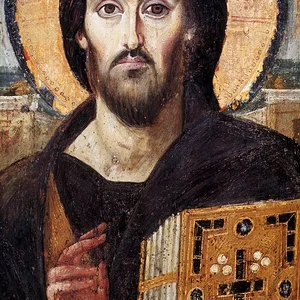
Jesus Christ
5 av. J.-C. — 30
Jewish preacher from Galilee and founder of Christianity. His teachings on love, forgiveness, and the Kingdom of God transformed the course of human history. Crucified around 30 AD, he is considered by Christians to be the risen Son of God.
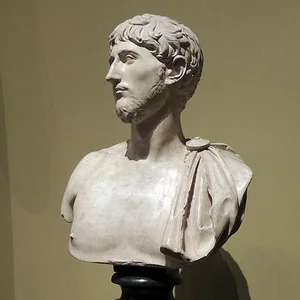
Lepidus
89 av. J.-C. — 12 av. J.-C.
Roman politician and general of the 1st century BC, Lepidus formed the Second Triumvirate with Octavian and Mark Antony in 43 BC. Gradually marginalized, he was removed from power by Octavian in 36 BC.
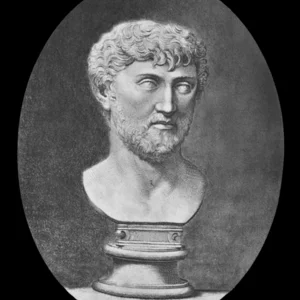
Lucretius
93 av. J.-C. — 54 av. J.-C.
Lucretius was a Latin Epicurean poet and philosopher of the 1st century BC. He is the author of De rerum natura, a sweeping poem in six books expounding the philosophy of Epicurus and the atomism of Democritus. His work seeks to free humanity from the fear of the gods and of death.
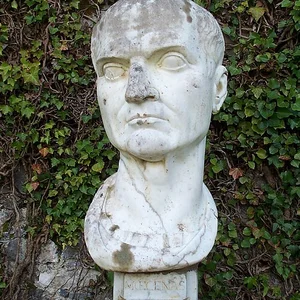
Maecenas
69 av. J.-C. — 7 av. J.-C.
A close advisor to Augustus and great patron of the arts in Rome, Maecenas supported poets such as Virgil and Horace. His name has become synonymous with support for artists and men of letters.
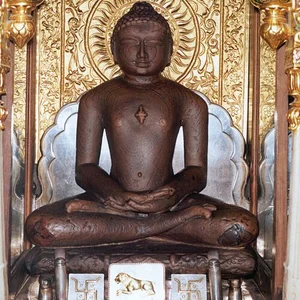
Mahavira
598 av. J.-C. — 526 av. J.-C.
Mahāvīra is the twenty-fourth and last tīrthankara of Jainism, regarded as the major reformer of this Indian tradition. Renouncing his princely life, he preached asceticism, non-violence, and the liberation of the soul.
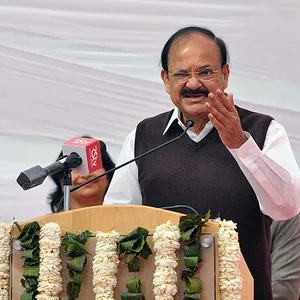
Maitreyi
1000 av. J.-C. — 1000 av. J.-C.
A philosopher and poet of the Indian Vedic tradition, Maitreyi is celebrated in the Upanishads for her dialogue with the sage Yajnavalkya on the nature of the absolute and the atman. An exceptional female figure passed down through oral tradition, she embodies the spiritual quest at the heart of ancient Brahminic thought.
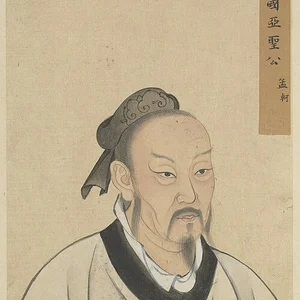
Mencius
371 av. J.-C. — 288 av. J.-C.
Mencius was a Chinese philosopher of the 4th century BCE, considered the second great sage of Confucianism after Confucius. He developed the idea that human nature is fundamentally good and that a legitimate ruler must govern with benevolence. His work, the Mengzi, is one of the Four Books of the Confucian canon.
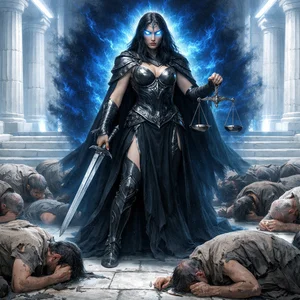
Nemesis
Greek goddess of divine vengeance and just retribution, Nemesis punishes hubris — the arrogance and excess of mortals who rise above their station. She embodies cosmic balance and immanent justice in the tradition of Greek mythology.
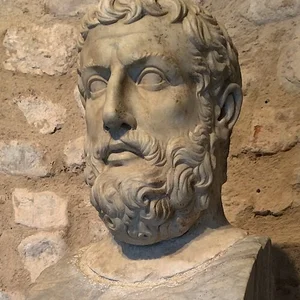
Parmenides
514 av. J.-C. — 469 av. J.-C.
Greek philosopher of the 5th century BC and founder of the Eleatic school. He developed a radical metaphysics asserting that Being is one, unchanging, and eternal — rejecting any notion of change or multiplicity.
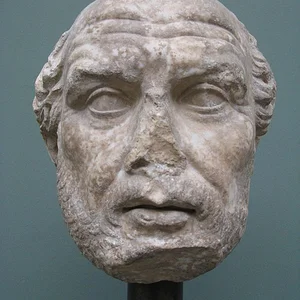
Phidias
499 av. J.-C. — 429 av. J.-C.
Phidias is considered the greatest sculptor of ancient Greece in the 5th century BC. He created the chryselephantine statue of Athena Parthenos and the statue of Zeus at Olympia, counted among the Seven Wonders of the Ancient World.
Pisistratus
Youngest son of Nestor, king of Pylos, Pisistratus is a character in Homer's Odyssey. He welcomes Telemachus at Pylos and accompanies him to Sparta to meet Menelaus. A figure of friendship and hospitality, he embodies the aristocratic virtues of the Greek epic.
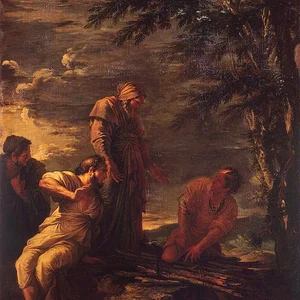
Protagoras
489 av. J.-C. — 419 av. J.-C.
Protagoras of Abdera (c. 489 – c. 419 BC) was one of the earliest and most celebrated Greek Sophists. He is best known for his relativist thesis: "Man is the measure of all things."
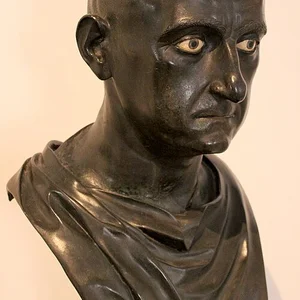
Scipio Africanus
234 av. J.-C. — 182 av. J.-C.
Roman general of the 2nd century BC, victor over Hannibal at the Battle of Zama (202 BC). He brought the Second Punic War to an end and secured Rome's dominance over Carthage.
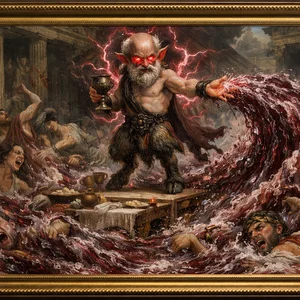
Silenus
A deity of Greek mythology, Silenus is the old satyr companion and foster-father of Dionysus, god of wine. Perpetually drunk yet reputed for profound wisdom, he is often depicted riding a donkey, unable to stand on his own. His paradoxical figure — drunkenness as a path to truth — resonated throughout Greek and Roman Antiquity.
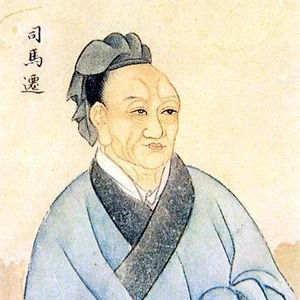
Sima Qian
144 av. J.-C. — 85 av. J.-C.
A historian and annalist of the Han dynasty, Sima Qian is the author of the Records of the Grand Historian (Shiji), considered the first great work of Chinese historiography. Despite disgrace and castration imposed by Emperor Wu, he completed this monumental work covering three millennia of history.
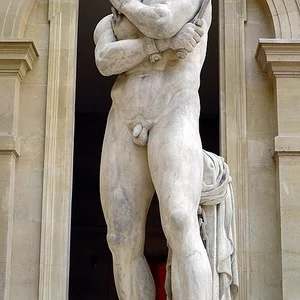
Spartacus
102 av. J.-C. — 70 av. J.-C.
A gladiator of Thracian origin, Spartacus led the Third Servile War against Rome (73–71 BC), commanding an army of rebel slaves that threatened the very existence of the Roman Republic before being defeated by Crassus.
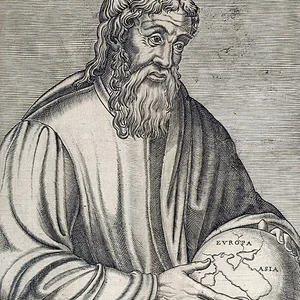
Strabo
62 av. J.-C. — 23
Greek geographer, historian, and philosopher born around 62 BC in Amaseia (modern-day Turkey). He is the author of the Geography in 17 books, a description of the known world of his time. An heir to the Stoic tradition, he traveled extensively throughout the Mediterranean and the East.
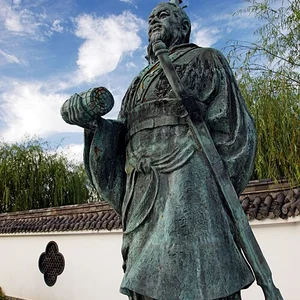
Sun Tzu
543 av. J.-C. — 495 av. J.-C.
Sun Tzu was a Chinese general and philosopher of the 6th century BC, author of The Art of War. This military treatise, one of the oldest in the world, continues to influence military, political, and economic strategy to this day.

The Moirai
Greek goddesses embodying Fate, the Moirai are three sisters who spin, measure, and cut the thread of life of every mortal and immortal. Daughters of Zeus and Themis according to Hesiod, they hold absolute authority over the course of all lives — an authority that no one, not even the gods, can challenge.
Theano
600 av. J.-C. — 500 av. J.-C.
A Greek philosopher and mathematician of the 6th century BCE, Theano was a student and later the wife of Pythagoras. She contributed to the development of the Pythagorean school and carried on its teachings after her master's death.
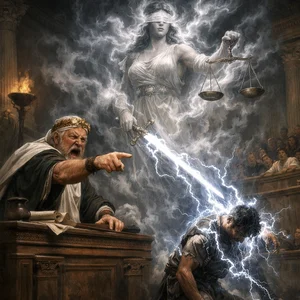
Themis
A Titaness daughter of Ouranos and Gaia, Themis personifies divine law, justice, and cosmic order in the Greek tradition. A privileged counselor of Zeus and his second divine wife, she is the mother of the Horae and the Moirai, guardians of fate and the seasons.
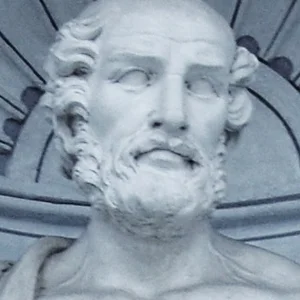
Theophrastus
370 av. J.-C. — 286 av. J.-C.
Greek philosopher and scholar, successor to Aristotle as head of the Lyceum in Athens. Considered the father of botany, he systematized the study of plants and continued his master's encyclopedic work.
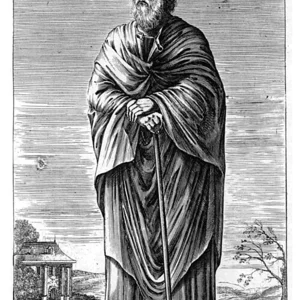
Xenophanes
569 av. J.-C. — 477 av. J.-C.
Pre-Socratic Greek philosopher and poet born in Colophon around 570 BC. He criticized the anthropomorphic polytheism of Homer and Hesiod, and argued for a single, universal, non-human god. A forerunner of rational theology and epistemology.
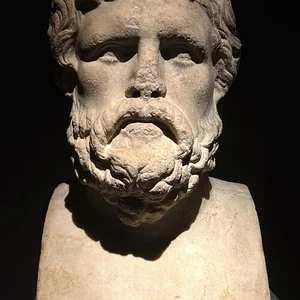
Xenophon
430 av. J.-C. — 353 av. J.-C.
Greek historian, soldier, and philosopher born around 430 BC, and a disciple of Socrates. He led the retreat of the Ten Thousand Greek mercenaries from Persia, recounted in the Anabasis. A prolific author, he left behind historical, philosophical, and military works.

Yan Zhengzai
Yan Zhengzai (颜征在, c. 568–535 BCE) was the mother of Confucius, the founding philosopher of Confucianism. Widowed at a young age, she devoted herself entirely to her son's education in the state of Lu (present-day China). Her maternal devotion is celebrated as a model in the Confucian tradition.
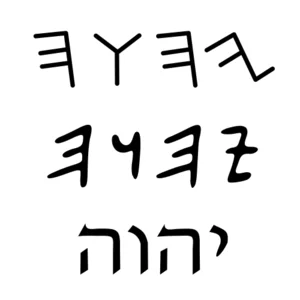
YHWH
YHWH is the divine name in the Hebrew religion, composed of four letters (yod, he, vav, he). It designates the one God of Israel, at the heart of the Abrahamic monotheistic tradition.
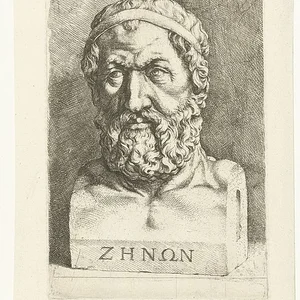
Zeno of Elea
489 av. J.-C. — 424 av. J.-C.
Pre-Socratic Greek philosopher and disciple of Parmenides, born around 489 BCE in Elea (Magna Graecia). He is famous for his paradoxes demonstrating the impossibility of motion and plurality, laying the groundwork for dialectic as a method of argumentation.
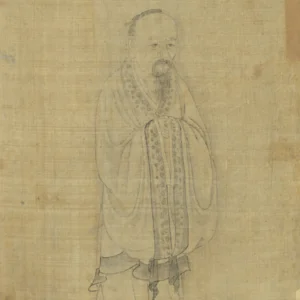
Zhuangzi
368 av. J.-C. — 287 av. J.-C.
A Chinese Taoist philosopher of the 4th century BCE, Zhuangzi is one of the founding thinkers of philosophical Taoism. His writings, collected in the work that bears his name, explore freedom, the relativity of things, and harmony with the Tao.
Antiquity(35)
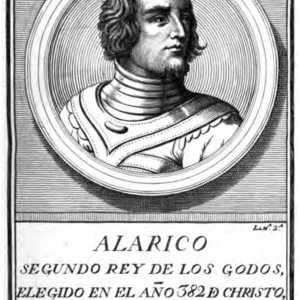
Alaric I
370 — 410
King of the Visigoths from 395 to 410, Alaric I is famous for leading the sack of Rome in 410, a symbolic event marking the beginning of the end of the Western Roman Empire.
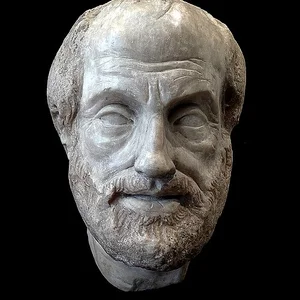
Aristotle
460 av. J.-C. — 401 av. J.-C.
Greek philosopher born in Stagira (384–322 BC), Aristotle founded his own school, the Lyceum, in Athens. He developed comprehensive systems of logic, metaphysics, ethics, and politics that profoundly influenced Western thought.
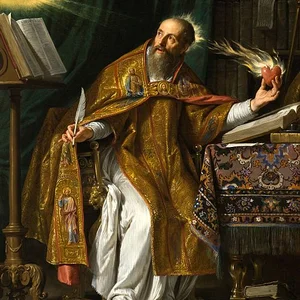
Augustine of Hippo
354 — 430
Christian theologian and philosopher of the 4th century, bishop of Hippo in North Africa. Author of the Confessions and The City of God, he is one of the most influential Latin Fathers of the Church in the history of Christianity.

Avidius Cassius
130 — 175
A Roman general of Syrian origin, Avidius Cassius was one of the finest military commanders of the Antonine period. In 175, he wrongly proclaimed himself emperor, believing Marcus Aurelius to be dead, and was assassinated by his own soldiers after only three months of rule.
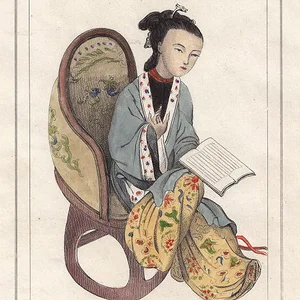
Ban Zhao
45 — 116
Ban Zhao (45–116) was China's first great female scholar, a historian and philosopher under the Eastern Han dynasty. She completed the works of her brother Ban Gu, most notably the Book of Han. Her treatise Lessons for Women (Nüjie) profoundly shaped Confucian thought on the role of women.
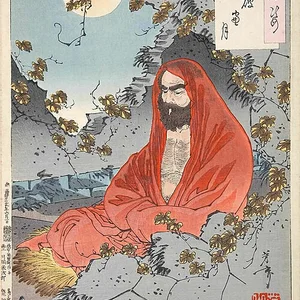
Bodhidharma
440 — 540
Buddhist monk, regarded as the founder of Chan Buddhism in China, from which Japanese Zen derives. According to tradition, he transmitted a form of Buddhism focused on meditation and the direct experience of awakening, beyond the scriptures.
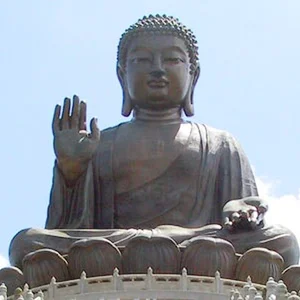
Buddha
vers 563 — vers 483 av. J.-C.
Siddhartha Gautama, founder of Buddhism
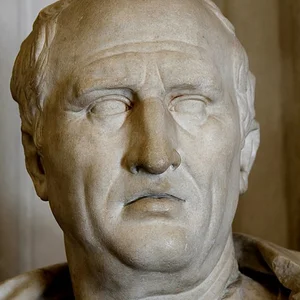
Cicero
106 av. J.-C. — 42 av. J.-C.
Roman orator, politician, and philosopher (106–43 BC), Cicero is one of the greatest figures of the Roman Republic. He left a lasting mark on Latin literature through his eloquence and philosophical works, becoming a model of rhetoric for centuries to come.
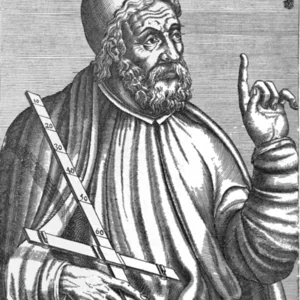
Claudius Ptolemy
100 — 170
Greek astronomer, mathematician, and geographer of the 2nd century, he developed a geocentric model of the universe that would dominate scientific thought for over 1,400 years. His encyclopedic work synthesizes ancient knowledge in astronomy, geography, and optics.
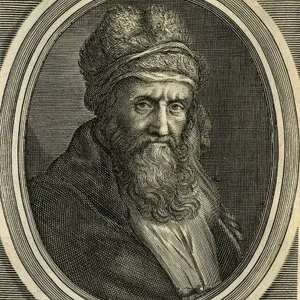
Diogenes Laërtius
A Greek biographer and doxographer of the 3rd century AD, Diogenes Laërtius is the author of Lives and Opinions of Eminent Philosophers, the principal source of knowledge about ancient Greek philosophers. His work compiles the biographies and views of more than 80 thinkers, from Thales to Epicurus.
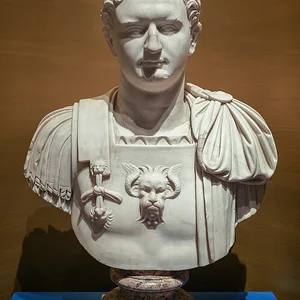
Domitian
51 — 96
Domitian (51–96) was the third and last emperor of the Flavian dynasty. His authoritarian reign was marked by persecutions of Christians and senators, but also by efficient provincial administration.
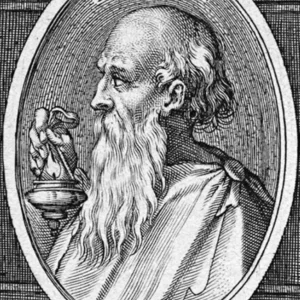
Epictetus
50 — 138
Greek Stoic philosopher of the 1st–2nd century CE, born a slave in Hierapolis in Phrygia. He founded a school of philosophy in Nicopolis in Epirus, where he taught that virtue lies in accepting what does not depend on us. His teachings, compiled by his disciple Arrian in the Enchiridion, became a major reference of late Stoicism.
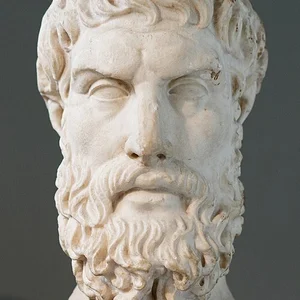
Epicurus
341 av. J.-C. — 269 av. J.-C.
Greek philosopher (341–270 BC) and founder of Epicureanism, a philosophical school based in Athens. He championed a conception of happiness grounded in the absence of pain (aponia) and fear (ataraxia), achieved through the measured satisfaction of natural and necessary desires.
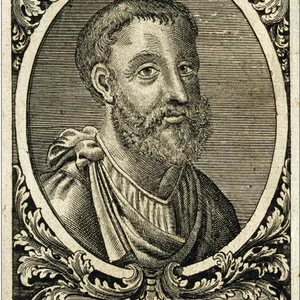
Galen
129 — 300
A Greek physician of the 2nd century AD, Galen served as doctor to the Roman emperors and became the greatest medical theorist of antiquity. His work in anatomy and physiology, based on the dissection of animals, dominated Western medicine for over a thousand years.

Hypatia of Alexandria
vers 355/370 — 415
Greek mathematician, astronomer, and philosopher of the 4th–5th centuries, she taught in Alexandria and advanced the sciences of antiquity. An iconic figure of female scholarship, she was murdered in 415 during religious unrest.
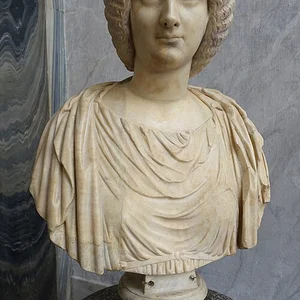
Julia Domna
165 — 217
Roman empress of Syrian origin and wife of Septimius Severus, she wielded considerable political influence and gathered around her a circle of philosophers and intellectuals. As the mother of Caracalla and Geta, she embodied female power at the very summit of the Roman Empire.
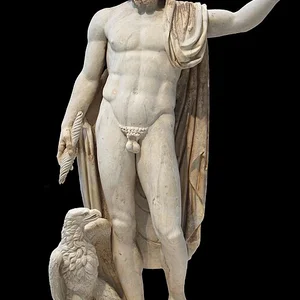
Jupiter
Jupiter is the supreme god of the Roman pantheon, master of the sky, lightning, and thunder. The Roman equivalent of Greek Zeus, he reigns over gods and men from Mount Olympus. He is the protector of Rome and the guarantor of cosmic order.
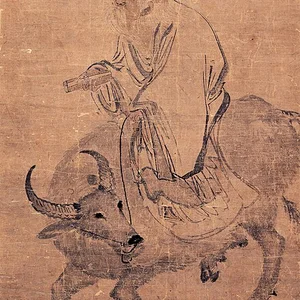
Laozi
vers VIe siècle av. J.-C.
Chinese philosopher, founder of Taoism
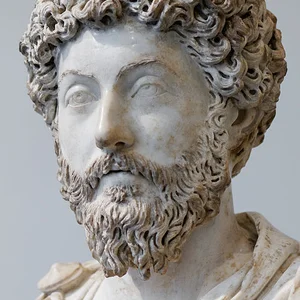
Marcus Aurelius
121 — 180
Roman Emperor from 161 to 180 and Stoic philosopher. Author of Meditations, personal reflections on wisdom and virtue. Represents the ideal of the philosopher-emperor in ancient Rome.
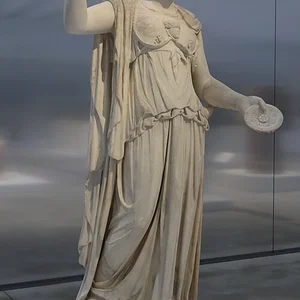
Minerva
Roman goddess of wisdom, the arts, and crafts, Minerva is the Roman equivalent of Athena in Greek mythology. Born fully armed from Jupiter's head, she protects Rome, artisans, and poets, and together with Jupiter and Juno forms the Capitoline Triad.
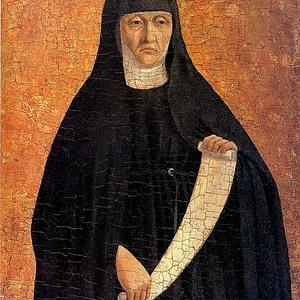
Monica
332 — 387
Mother of Saint Augustine, Monica is venerated as a saint in the Catholic Church for her unwavering faith. She prayed her entire life for her son's conversion. She died in Ostia in 387, shortly after witnessing his baptism by Saint Ambrose in Milan.
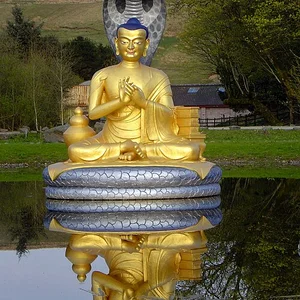
Nāgārjuna
150 — 250
Indian Buddhist philosopher and monk of the 2nd–3rd century CE, founder of the Madhyamaka school. He developed the concept of śūnyatā (emptiness) and had a major influence on Mahāyāna Buddhism.
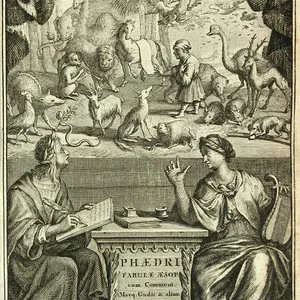
Phaedrus
20 av. J.-C. — 50
Phaedrus was a Latin fabulist of the 1st century AD, a freedman of Emperor Augustus. He was the first author to render Aesopian fables in Latin verse, leaving behind a collection in five books that had a lasting influence on European literature.
Philostratus of Athens
300 — ?
Greek writer and sophist of the 2nd–3rd century AD, Philostratus of Athens is celebrated for his Life of Apollonius of Tyana and his Lives of the Sophists. He moved in the literary circle of Empress Julia Domna in Rome.
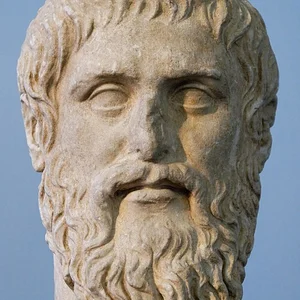
Plato
428 av. J.-C. — 348 av. J.-C.
Ancient Greek philosopher (428–348 BC), founder of the Academy in Athens. A student of Socrates, he developed the Theory of Forms, arguing that the visible world is merely a shadow of an intelligible reality. His influence on Western thought is foundational.
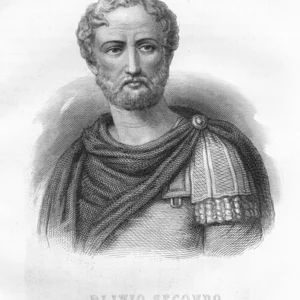
Pliny the Elder
20 — 79
Pliny the Elder was a Roman scholar and officer of the 1st century AD, author of the encyclopedic Natural History. A naturalist curious about everything, he died in 79 AD while attempting to observe the eruption of Mount Vesuvius that destroyed Pompeii.
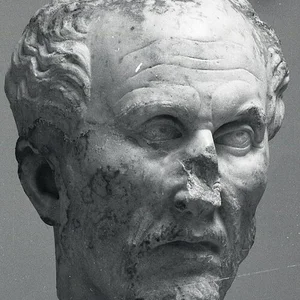
Plotinus
205 — 270
Plotinus is a philosopher of late antiquity, born in Egypt and active in Rome, regarded as the founder of Neoplatonism. His teaching, transmitted and organized by his disciple Porphyry in the *Enneads*, sets out a metaphysics of the One, from which all reality proceeds.
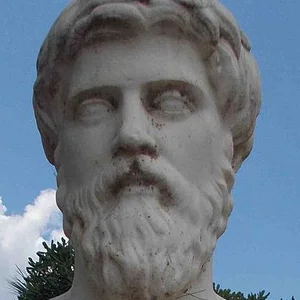
Plutarch
40 — 120
Greek philosopher, biographer, and moralist living under the Roman Empire (c. 46–120 AD). Author of the celebrated Parallel Lives, in which he compares great Greek and Roman figures. His Moralia establish him as a major reference in ancient thought.
Proclus
412 — 485
Greek Neoplatonist philosopher of the 5th century, the last great master of the School of Athens. He was also an influential commentator on Greek mathematics, particularly on Euclid.
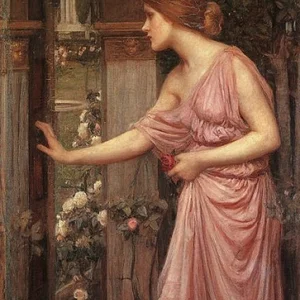
Psyche
Psyche is a mortal of extraordinary beauty whose legend tells of her love for Eros (Cupid). Her myth, transmitted by Apuleius, symbolizes the soul's journey toward divine perfection through trial and love.
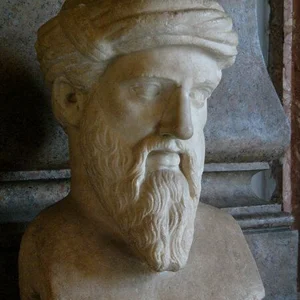
Pythagoras
582 av. J.-C. — 490 av. J.-C.
Greek philosopher and mathematician (c. 580–495 BC) from the island of Samos. Founder of a philosophical community in southern Italy, he is famous for his work in geometry, particularly the theorem bearing his name that relates the sides of a right triangle.
Saint Ambrose of Milan
339 — 397
Bishop of Milan from 374 to 397, Ambrose is one of the four Fathers of the Latin Church. A spiritual and political figure of Late Antiquity, he imposed public penance on Emperor Theodosius I and baptized Augustine of Hippo in 387.
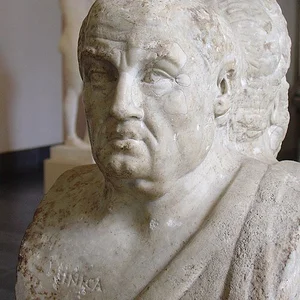
Seneca
4 av. J.-C. — 65
Roman Stoic philosopher (4 BC – 65 AD), Seneca left a lasting mark on ancient thought through his reflections on wisdom, virtue, and detachment from material wealth. Tutor to Emperor Nero, he was also a playwright and statesman, leaving a major body of written work including the celebrated Letters to Lucilius.
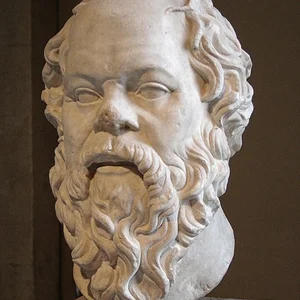
Socrates
469 av. J.-C. — 398 av. J.-C.
Athenian philosopher (469–399 BC) and founder of Western philosophy. He left no writings, yet profoundly influenced his contemporaries through his method of questioning known as maieutics. Condemned to death by the city of Athens, he stands as the embodiment of a philosopher's commitment to truth.

Titus Vinius
12 — 69
Roman consul in 69 AD, Titus Vinius was one of Emperor Galba's most influential advisors. A central figure of the 'Year of the Four Emperors', he was assassinated during Otho's coup in January 69.
Middle Ages(35)
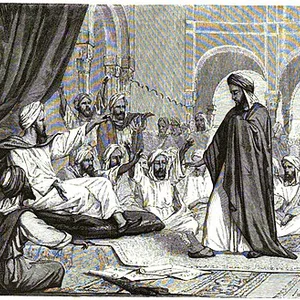
Abu Yaqub Yusuf
The second Almohad caliph (not Almoravid), he reigned from 1163 to 1184 over the Maghreb and al-Andalus. A man of letters and a patron of scholars, he brought the philosophers Ibn Tufayl and Averroes (Ibn Rushd) to his court. He died during the siege of Santarém in Portugal.
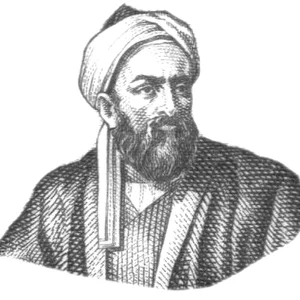
Al-Biruni
973 — 1048
A Persian polymath (973–1048), Al-Biruni was one of the greatest minds of the medieval Islamic world. Astronomer, mathematician, geographer, and historian, he wrote more than 150 works and was one of the first scholars to study India in a systematic, scientific way.
Al-Farabi
870 — 951
Persian philosopher, logician, and music theorist who wrote in Arabic, regarded as the “Second Teacher” after Aristotle. A major figure of medieval Islamic philosophy, he was a transmitter of Greek thought and a leading political thinker.
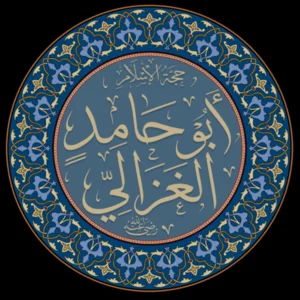
Al-Ghazali
1056 — 1111
A Muslim theologian, philosopher, and mystic of Persian origin, Al-Ghazali is one of the most influential intellectual figures of medieval Islam. He synthesized Sunni theology, philosophy, and Sufism in his masterwork, The Revival of the Religious Sciences.
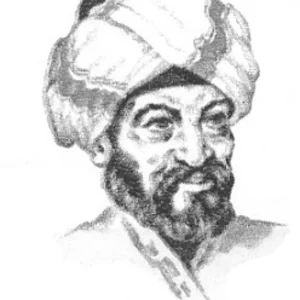
Al-Kindi
801 — 870
Al-Kindi is regarded as the first great philosopher to write in Arabic. A polymath of the 9th century, he worked at the House of Wisdom in Baghdad and played a major role in transmitting Greek thought to the Islamic world.
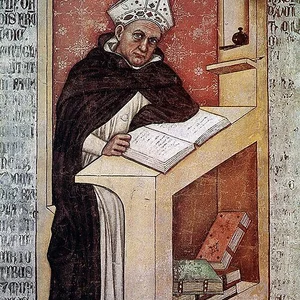
Albert the Great
1200 — 1280
A German Dominican of the 13th century — philosopher, theologian, and naturalist. Teacher of Thomas Aquinas in Paris and Cologne, he introduced the works of Aristotle into Christian thought and observed nature with an almost experimental spirit.
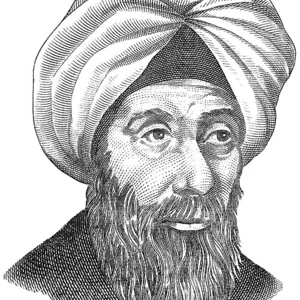
Alhazen
965 — 1039
Arab mathematician, physicist, and astronomer born in Basra around 965 and died in Cairo in 1039. Considered the father of modern optics, he revolutionized the understanding of light and vision. His major work, the Kitāb al-Manāẓir, profoundly influenced European scholars of the Middle Ages.
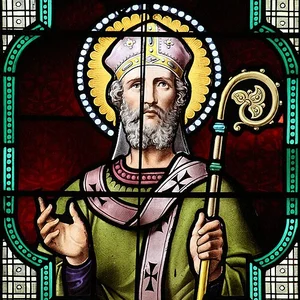
Anselm of Canterbury
1033 — 1109
An Italian-born Benedictine monk who became Archbishop of Canterbury, Anselm is one of the foremost thinkers of early scholasticism. He is famous for his ontological argument, which seeks to demonstrate the existence of God through reason alone.
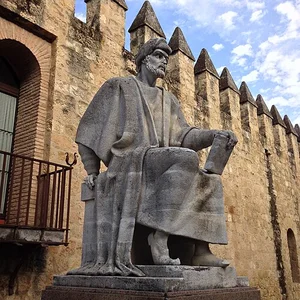
Averroes
1126 — 1198
Andalusian philosopher, theologian, and physician (1126–1198), Averroes was the greatest commentator on Aristotle of the Islamic Middle Ages. His works profoundly influenced medieval European philosophy and Islamic thought by reconciling Aristotelian reason with religious faith.
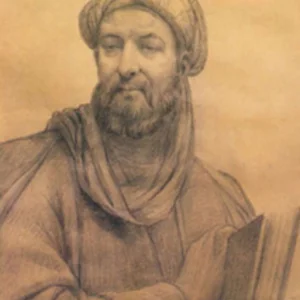
Avicenna
980 — 1037
A Persian physician and philosopher of the 10th century, Avicenna authored the Canon of Medicine, a reference work used in Europe and the Islamic world for five centuries. He synthesized Aristotle's philosophy with Islamic thought and made decisive contributions to the medical sciences.
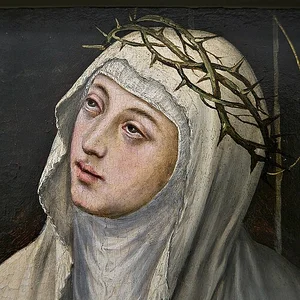
Catherine of Siena
1347 — 1380
An Italian mystic and theologian of the 14th century, Catherine of Siena played a major political role by convincing Pope Gregory XI to leave Avignon and return to Rome. A Doctor of the Church, she left behind a remarkable body of spiritual and epistolary work.
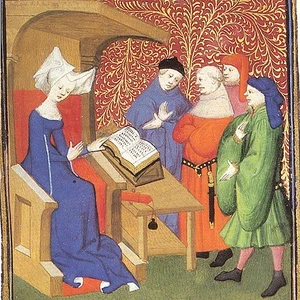
Christine de Pizan
1364 — 1430
French philosopher and poet of Italian origin
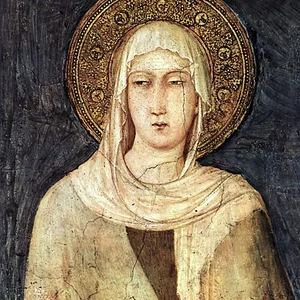
Clare of Assisi
1194 — 1253
Clare of Assisi (1194–1253) was an Italian Catholic saint and founder of the Order of Poor Ladies, known as the Poor Clares. Inspired by Francis of Assisi, she chose monastic life and absolute poverty. She was the first woman to write a religious rule approved by the papacy.
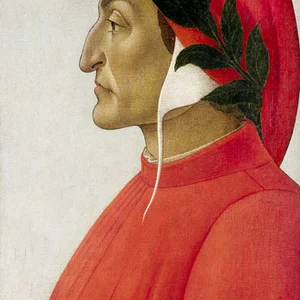
Dante Alighieri
1265 — 1321
Florentine poet of the 13th–14th century, author of *The Divine Comedy*, a masterpiece of medieval literature. Exiled from Florence for political reasons, he laid the foundations of the Italian literary language.
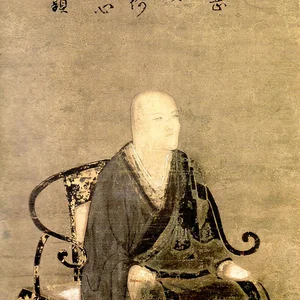
Dogen
Japanese Buddhist monk of the 13th century, founder of the Sōtō school of Zen in Japan. After a stay in China, he taught the practice of seated meditation (zazen) and wrote the Shōbōgenzō, a major work of Buddhist thought.
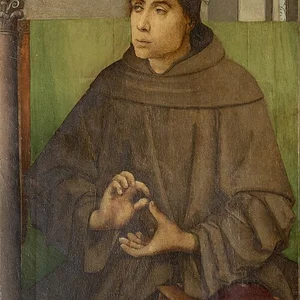
Duns Scotus
1266 — 1308
John Duns Scotus was a Scottish Franciscan philosopher and theologian, one of the major figures of late scholasticism. Nicknamed the “Subtle Doctor” for the refinement of his reasoning, he profoundly renewed medieval metaphysics.
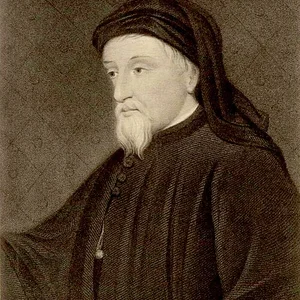
Geoffrey Chaucer
1343 — 1400
Geoffrey Chaucer (c. 1343–1400) is the greatest English poet of the Middle Ages, author of The Canterbury Tales. A diplomat and royal official, he brought the vernacular English language into high literature, leaving a lasting influence on English letters.
Hallaj
Persian Sufi mystic of the medieval Muslim world, famous for his ecstatic proclamation “Ana al-Haqq” (“I am the Truth/the Real”). Accused of blasphemy, he was imprisoned and then executed in Baghdad in 922, becoming a major figure of mystical martyrdom in Islam.
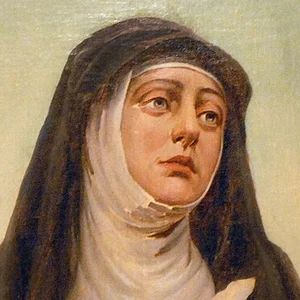
Héloïse d'Argenteuil
1101 — 1164
A French intellectual of the 12th century, Héloïse is celebrated for her passionate correspondence with the philosopher Peter Abelard, whose student and secret wife she became. Later abbess of the Paraclete, she was one of the most learned women of her time.
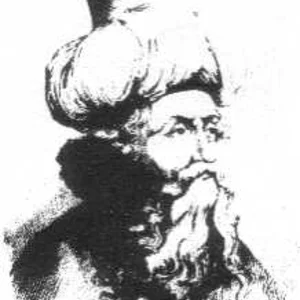
Ibn Arabi
1165 — 1240
Ibn Arabi was a Muslim mystic, theologian, and philosopher born in Murcia in al-Andalus. Nicknamed al-Shaykh al-Akbar (the Greatest Master), he is one of the major figures of Sufism and profoundly shaped the metaphysical thought of Islam.
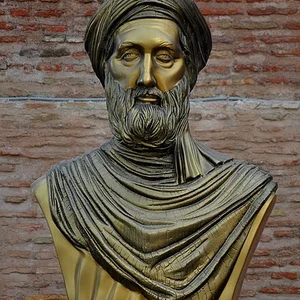
Ibn Khaldun
1332 — 1406
Muslim philosopher, sociologist, historiographer and historian
Ibn Sina
Ibn Sina, known in the West as Avicenna, was a Persian physician, philosopher, and scholar of the Islamic Golden Age. His Canon of Medicine served as a reference work in European and Arab universities for centuries.
Ibn Taymiyya
1263 — 1328
A Muslim theologian, jurist, and philosopher of the Hanbali school, born in Harran in 1263 and died imprisoned in Damascus in 1328. A rigorist and controversial thinker, he advocated a return to the scriptural sources of Islam and criticized many practices of his time.
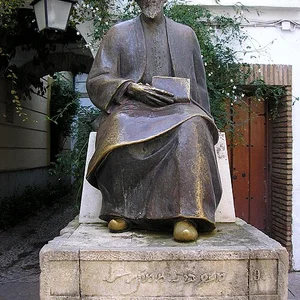
Maimonides
1135 — 1204
A 12th-century Jewish philosopher, theologian, and physician, Maimonides is one of the greatest figures of medieval Jewish thought. Born in Al-Andalus and settled in Egypt, he synthesized Aristotelian philosophy with rabbinical theology in his major work, the Guide for the Perplexed.
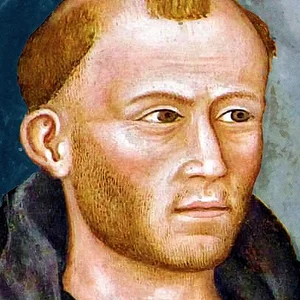
Meister Eckhart
1260 — 1328
German Dominican theologian, philosopher, and mystic of the Middle Ages. A major figure of Rhineland mysticism, he preached the union of the soul with God and the idea of detachment. Some of his theses were condemned by a papal bull in 1329.
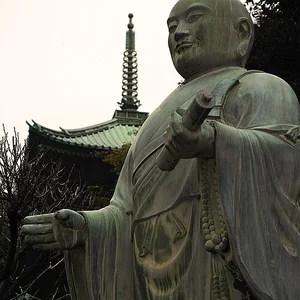
Nichiren
1222 — 1282
Nichiren (1222-1282) was a 13th-century Japanese Buddhist monk, founder of the Nichiren-shū school. He taught that the Lotus Sūtra contained the ultimate essence of the Buddha's teaching and advocated reciting the mantra “Namu Myōhō Renge Kyō.”
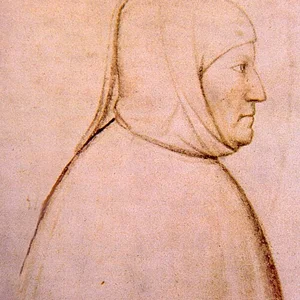
Petrarch
1304 — 1374
An Italian poet and humanist of the 14th century, Petrarch is considered the father of humanism. Deeply passionate about ancient Latin authors, he rediscovered and copied numerous forgotten manuscripts. His poetic work, particularly the Canzoniere dedicated to Laura, profoundly influenced European literature.
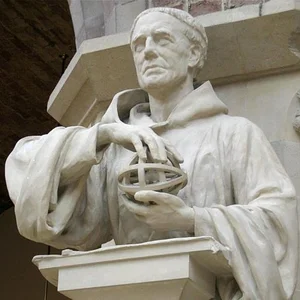
Roger Bacon
1220 — 1292
Roger Bacon, nicknamed Doctor Mirabilis, was a 13th-century English Franciscan friar, philosopher, and scholar. A pioneer of the experimental method, he championed observation and mathematics as the foundations of knowledge, long before modern science.
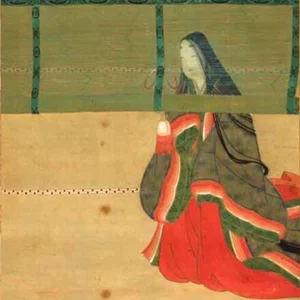
Sei Shōnagon
966 — 1025
Japanese author
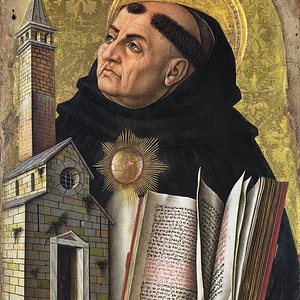
Thomas Aquinas
1225 — 1274
A Dominican theologian and philosopher of the 13th century, Thomas Aquinas is one of the greatest figures of medieval scholasticism. Author of the Summa Theologica, he sought to reconcile Aristotelian reason with Christian faith, and was declared a Doctor of the Church.
Thomas Becket
Archbishop of Canterbury in the 12th century, he clashed fiercely with King Henry II of England over the rights and freedoms of the Church. Murdered in his cathedral in 1170, he was canonized as early as 1173.
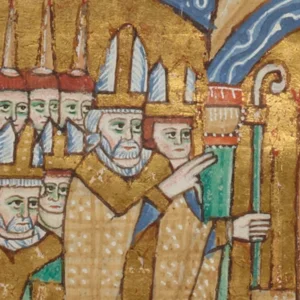
Urban II
1035 — 1099
Pope from 1088 to 1099, Urban II was the instigator of the First Crusade, proclaimed at the Council of Clermont in 1095. A Cluniac monk of French origin, he strengthened papal authority and continued the Gregorian Reform of the Church.
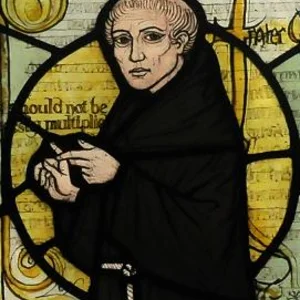
William of Ockham
1287 — 1349
William of Ockham was an English philosopher, logician, and theologian, a major figure of late Scholasticism and of the nominalist movement. A Franciscan friar, he is famous for the principle of parsimony known as “Ockham's razor.”
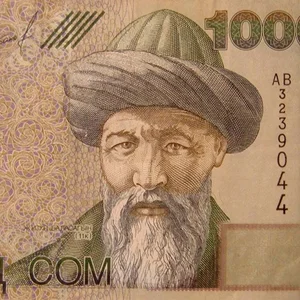
Yusuf Balasaguni
1019 — 1085
Yusuf Balasaguni was an 11th-century Turkic-language poet and philosopher, author of the Kutadgu Bilig (The Wisdom That Brings Happiness), a masterpiece of classical Turkic literature composed in 1069-1070. This foundational work blends ethics, politics, and Islamic philosophy to offer a mirror for princes at the Karakhanid court.
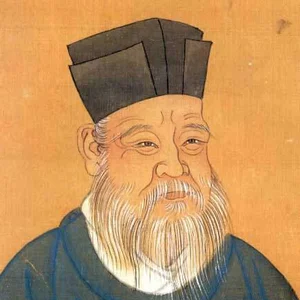
Zhu Xi
1130 — 1200
Zhu Xi (1130–1200) was the greatest Confucian philosopher of medieval China and the founder of Neo-Confucianism. A scholar of the Song dynasty, he synthesized the thought of Confucius and Mencius with metaphysical elements. His work became the official reference for imperial examinations for seven centuries.
Renaissance(16)
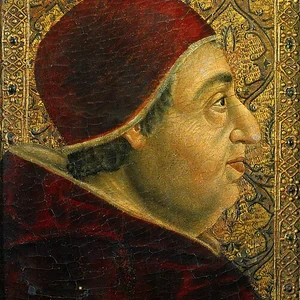
Alexander VI
1431 — 1503
Spanish pope from 1492 to 1503, Alexander VI is one of the most controversial figures in the history of the papacy. Head of the powerful Borgia family, he blended politics, nepotism, and diplomacy in Renaissance Rome.
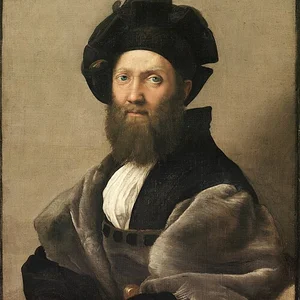
Baldassare Castiglione
1478 — 1529
Italian diplomat, writer, and courtier (1478–1529), Castiglione is the author of The Book of the Courtier, a treatise defining the ideal of the Renaissance court gentleman. Close to the great princes and artists of his time, he embodies the humanism of the court of Urbino.
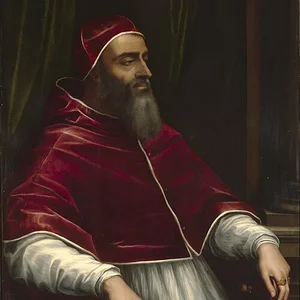
Clement VII
1478 — 1534
Pope from 1523 to 1534, Clement VII was a sovereign pontiff from the powerful Medici family. His pontificate was marked by the Sack of Rome in 1527 and his refusal to annul the marriage of Henry VIII of England, which triggered the Anglican schism.
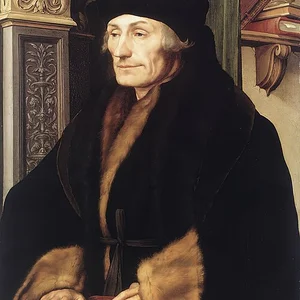
Erasmus
1466 — 1536
Dutch humanist and theologian (1466-1536), Erasmus is one of the major figures of the Renaissance. A champion of the critical study of ancient texts and religious tolerance, he embodies the humanist ideal of an education grounded in reason and wisdom.
Étienne de La Boétie
1530 — 1563
French Renaissance writer, poet, and statesman (1530–1563). Author of the celebrated Discourse on Voluntary Servitude, he questioned why people accept oppression. A close friend of Montaigne, he embodies the critical humanist thought of the 16th century.
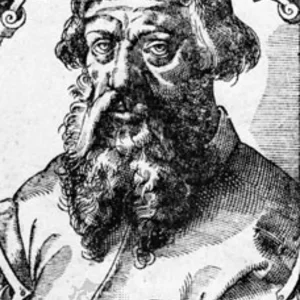
Étienne Dolet
1509 — 1546
Humanist, printer, and philologist from Lyon (1509–1546), Étienne Dolet was one of the first great publishers of texts in French and Latin. A champion of the French language, he was condemned for heresy and burned at the stake on Place Maubert in Paris in 1546.
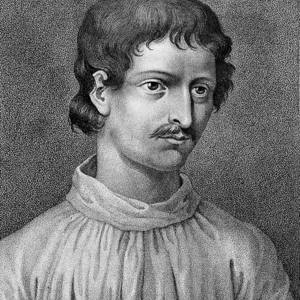
Giordano Bruno
1548 — 1600
An Italian Renaissance philosopher, cosmologist, and theologian, Giordano Bruno championed the idea of an infinite universe and a plurality of worlds. Condemned for heresy by the Inquisition, he was burned at the stake in Rome in 1600.
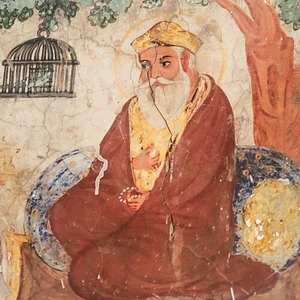
Guru Nanak
1469 — 1539
Gurū Nānak (1469-1539) was an Indian mystic and poet, the founder of Sikhism. He preached the oneness of God, the equality of all human beings, and the rejection of castes and formal rituals. The first of the ten Sikh Gurus, his hymns lie at the heart of the sacred book, the Gurū Granth Sahib.
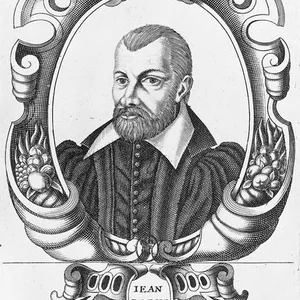
Jean Bodin
1530 — 1596
Jean Bodin was a French jurist, philosopher, and political theorist of the Renaissance. He is famous for developing the modern theory of state sovereignty in *The Six Books of the Commonwealth* (1576).
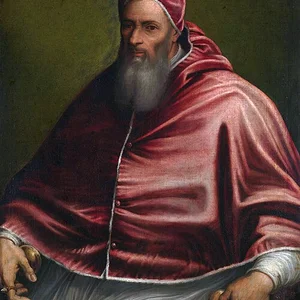
Julius III
1487 — 1555
Julius III (Giovanni Maria Ciocchi Del Monte, 1487–1555) was the 221st pope of the Catholic Church from 1550 to 1555. He convened the resumption of the Council of Trent and was a patron of the arts, protector of Michelangelo and Palestrina.
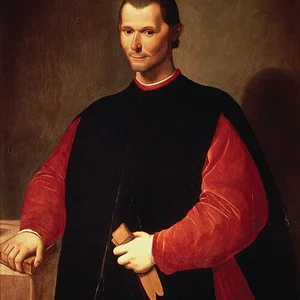
Machiavelli
1469 — 1527
Florentine philosopher and statesman (1469–1527), Machiavelli is the author of The Prince, a treatise that laid the foundations of modern political realism. He analyzes power as it is actually exercised, not as it should be, revolutionizing political thought during the Renaissance.
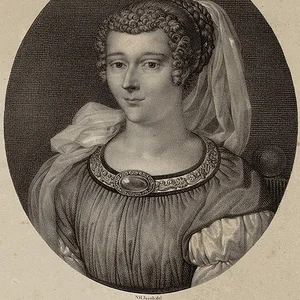
Marie de Gournay
1565 — 1645
Marie de Gournay (1565-1645) was a French woman of letters, the first editor of Montaigne's Essays, whose “fille d'alliance” (adopted daughter) she became. An author and polemicist, she championed intellectual equality between the sexes.
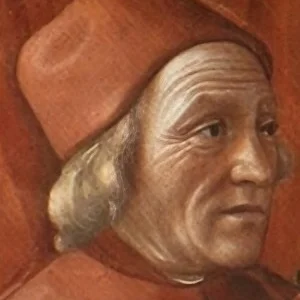
Marsilio Ficino
1433 — 1499
Italian philosopher and humanist of the Florentine Renaissance, a major figure of Neoplatonism. The first to translate the complete works of Plato into Latin, he led the Platonic Academy of Florence under the patronage of the Medici.
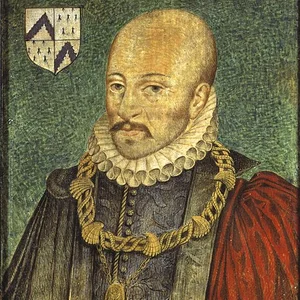
Michel de Montaigne
1533 — 1592
French Renaissance writer and philosopher (1533–1592), Montaigne is the author of the Essays, a landmark work of French literature blending personal reflection and humanism. Mayor of Bordeaux, he contributed to the rise of modern critical thinking.
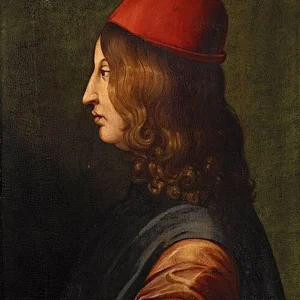
Pico della Mirandola
1463 — 1494
Italian Renaissance philosopher and humanist, a key figure of Florentine Neoplatonism. Author of the Oration on the Dignity of Man, he defends humanity's freedom to shape itself and attempts a synthesis of all knowledge.
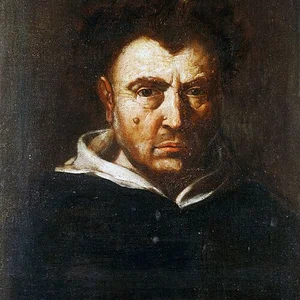
Tommaso Campanella
1568 — 1639
Tommaso Campanella was an Italian Dominican friar, philosopher, theologian, and poet of the late Renaissance. Imprisoned for nearly twenty-seven years for heresy and conspiracy against Spanish rule, he is the author of the utopia *The City of the Sun*.
Early Modern(40)
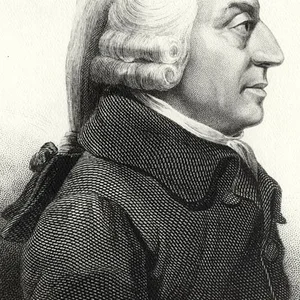
Adam Smith
1723 — 1790
An 18th-century Scottish philosopher and economist, Adam Smith is considered the father of modern political economy. His landmark work, The Wealth of Nations (1776), laid the foundations of economic liberalism and capitalism.
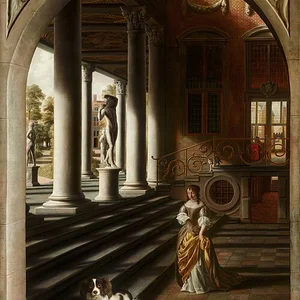
Anne Conway
1631 — 1679
Anne Conway was an English philosopher of the 17th century. Self-taught, she developed a vitalist metaphysics set out in her posthumous work “The Principles of the Most Ancient and Modern Philosophy.” Her thought notably influenced Leibniz and his concept of the monad.
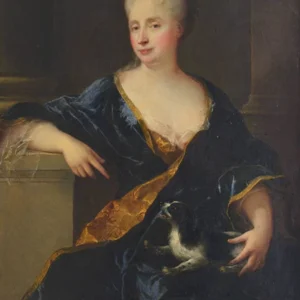
Anne Thérèse de Marguenat de Courcelles, marquise de Lambert
A Parisian writer and salon hostess (1647–1733), she presided over one of the most influential literary salons of the Regency period, frequented by Fontenelle, Montesquieu, and Marivaux. A pioneer in thinking about women's education, she championed their access to intellectual life.
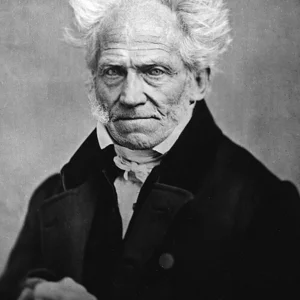
Arthur Schopenhauer
1788 — 1860
A 19th-century German philosopher, Schopenhauer is the great thinker of pessimism and the will. His masterwork, The World as Will and Representation (1818), profoundly influenced Nietzsche, Freud, and Wagner.
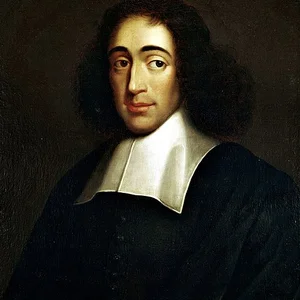
Baruch Spinoza
1632 — 1677
A 17th-century Dutch philosopher, Spinoza developed an original metaphysical system built on the concept of a single substance (God or Nature). His major work, the Ethics, offers a new conception of freedom and the relationship between mind and body.
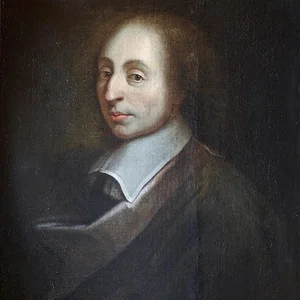
Blaise Pascal
1623 — 1662
French mathematician, physicist, philosopher and writer (1623–1662), Blaise Pascal revolutionized mathematics by founding probability theory and left a lasting mark on Christian philosophy through his exploration of doubt and faith. A major figure of the 17th century, he combined scientific rigor with metaphysical inquiry.
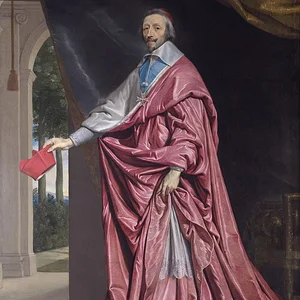
Cardinal de Richelieu
1585 — 1642
Cardinal and chief minister to Louis XIII, Richelieu strengthened royal authority and centralized power in France. He fought against the rebellious nobility and the Protestants, while drawing France into the Thirty Years' War.
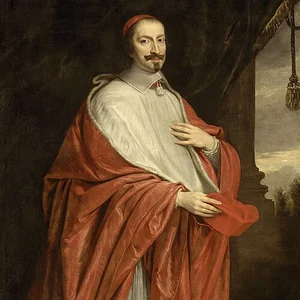
Cardinal Mazarin
1602 — 1661
Cardinal and chief minister of state of France, he governed the kingdom during Louis XIV's minority under the regency of Anne of Austria. Richelieu's successor, he signed the Treaties of Westphalia and overcame the Fronde to consolidate the monarchy.
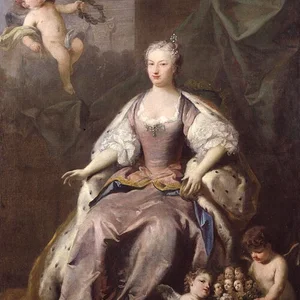
Caroline of Ansbach
1683 — 1737
Queen consort of Great Britain and Ireland (1727–1737), wife of George II. An Enlightenment intellectual, she corresponded with Leibniz and actively supported Newton in the philosophical and scientific dispute between the two men. Regent on several occasions, she wielded major political influence over the British monarchy.
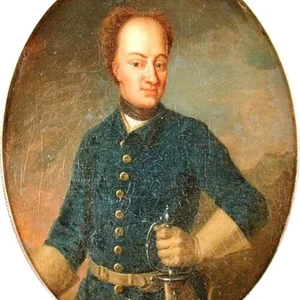
Charles XII of Sweden
King of Sweden from 1697 to 1718, Charles XII was one of the greatest military commanders of his era. He led the Great Northern War against a European coalition, winning the Battle of Narva (1700) before suffering a crushing defeat at Poltava (1709). He died during the siege of Fredriksten, marking the end of Swedish dominance in Europe.
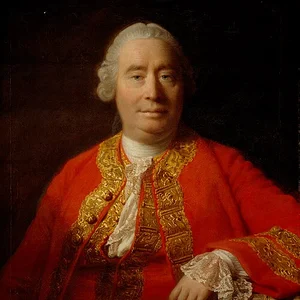
David Hume
1711 — 1776
Scottish Enlightenment philosopher (1711-1776), David Hume is one of the foremost thinkers of modern empiricism. He grounded his philosophy in observation and sensory experience, challenging rational certainties and developing a sceptical approach to knowledge.
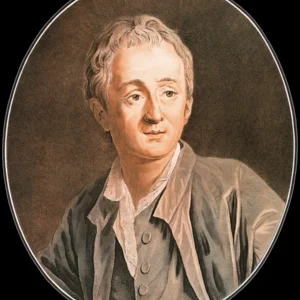
Denis Diderot
1713 — 1784
French philosopher, writer, and encyclopedist (1713–1784), a leading figure of the Enlightenment. Co-editor of the Encyclopédie with d'Alembert, he embodies the critical spirit and pursuit of rational knowledge that defined the 18th century. Author of philosophical novels such as Jacques the Fatalist, he helped transform European intellectual thought.
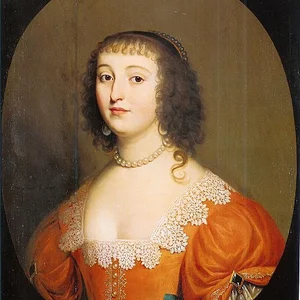
Elisabeth of Bohemia
1618 — 1680
Princess Palatine (1618–1680), daughter of King Frederick V of Bohemia. A self-taught philosopher, she engaged in a celebrated correspondence with Descartes, challenging his mind-body dualism. She ended her life as abbess of the Lutheran convent of Herford.
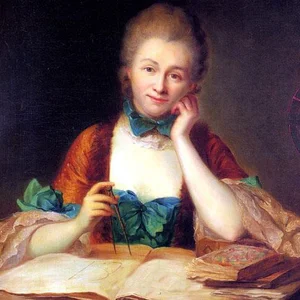
Émilie du Châtelet
1706 — 1749
Émilie du Châtelet (1706-1749) was a French physicist and mathematician of the Enlightenment. She translated and annotated Newton's Principia Mathematica, a work that remained the standard French reference until the 19th century. Voltaire's companion, she demonstrated that kinetic energy is proportional to the square of velocity.
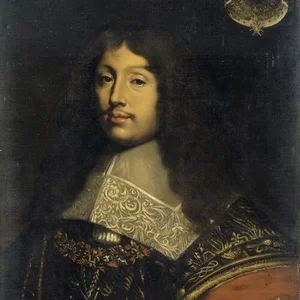
François de La Rochefoucauld
1613 — 1680
François de La Rochefoucauld (1613-1680) was a French writer and moralist of the Grand Siècle. An aristocratic rebel turned author, he is famous for his Maxims, a collection of brief, disenchanted sayings about human nature, in which self-love governs all our conduct.

Frederick II of Denmark
King of Denmark and Norway from 1559 to 1588, Frederick II waged the Northern Seven Years' War against Sweden and was an enlightened patron of the arts, most notably supporting the astronomer Tycho Brahe. He commissioned the construction of Kronborg Castle in Elsinore.
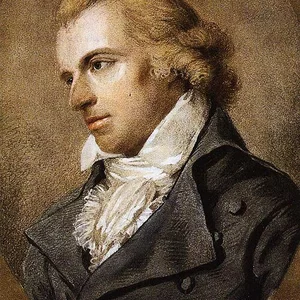
Friedrich Schiller
1759 — 1805
German poet, playwright, and philosopher of the Enlightenment and Sturm und Drang, Schiller is one of the major figures of Weimar Classical literature. A close friend of Goethe, he championed the ideals of freedom, human dignity, and moral elevation through art.
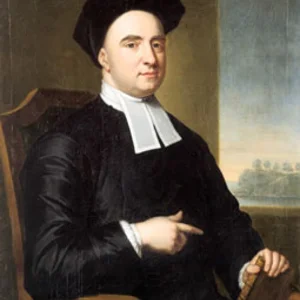
George Berkeley
1685 — 1753
Irish Anglican philosopher and bishop, a major figure of British empiricism. He defended immaterialism, the doctrine that sensible things exist only insofar as they are perceived.

Hegel
1770 — 1831
German philosopher (1770–1831), Hegel is one of the greatest thinkers of German Idealism. He developed a dialectical method and an influential philosophy of history, most notably set out in the Phenomenology of Spirit.
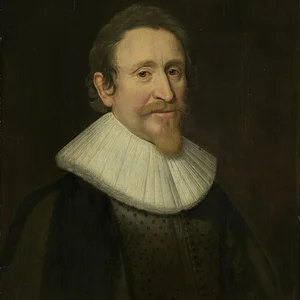
Hugo Grotius
1583 — 1645
Hugo Grotius (Huig de Groot), a Dutch jurist, philosopher, and diplomat, is regarded as one of the founders of modern international law and natural law. His major work, “De jure belli ac pacis” (1625), lays the foundations of a body of law governing relations between nations.
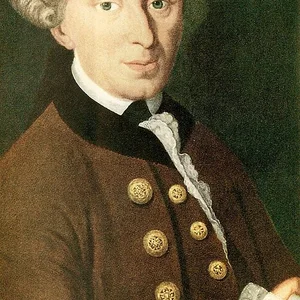
Immanuel Kant
1724 — 1804
German Enlightenment philosopher (1724–1804), Kant revolutionized metaphysics by proposing a radical critique of human reason. Author of the Critique of Pure Reason, he founded transcendental idealism and developed a universal moral theory based on the categorical imperative.
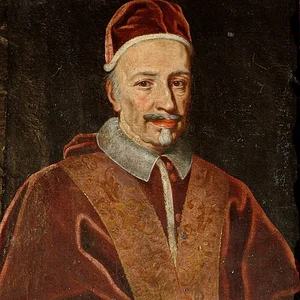
Innocent XII
1615 — 1700
Pope from 1691 to 1700, Innocent XII reformed the Church by combating nepotism through the bull Romanum decet Pontificem (1692). He played a role in the Quietist controversy and contributed to European diplomacy.
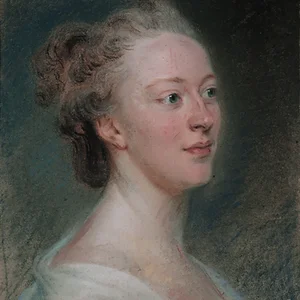
Isabelle de Charrière
1740 — 1805
Born Belle van Zuylen in the Netherlands in 1740, Isabelle de Charrière settled in Switzerland after her marriage and became one of the most remarkable women writers of the 18th century. A novelist, letter-writer, and composer, she advocated with great clarity for women's freedom and critiqued the social conventions of her time.
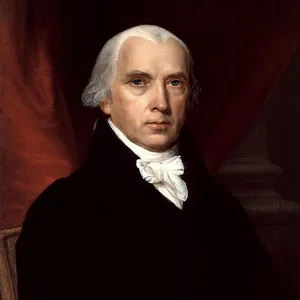
James Madison
1751 — 1836
American statesman (1751–1836), regarded as the "Father of the Constitution" of the United States. Architect of the Bill of Rights and fourth President of the United States, he was one of the foremost theorists of American republicanism.
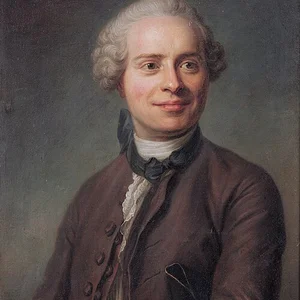
Jean le Rond d'Alembert
1717 — 1783
A mathematician and philosopher of the Enlightenment, he co-edited the great Encyclopédie with Diderot and wrote its famous Preliminary Discourse. He formulated the mechanical principle that bears his name and embodied the encyclopédiste ideal of bringing together all human knowledge.
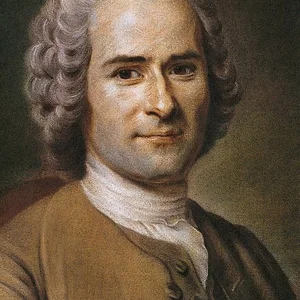
Jean-Jacques Rousseau
1712 — 1778
Genevan philosopher, writer, and musician (1712–1778), a central figure of the Enlightenment. Author of The Social Contract and Confessions, he profoundly influenced political and educational thought by championing popular sovereignty and natural education.
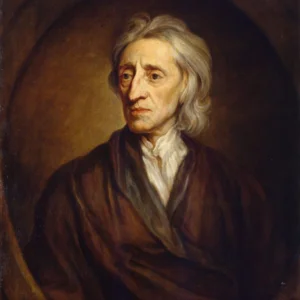
John Locke
1632 — 1704
A 17th-century English philosopher, John Locke is the founder of modern empiricism and a major thinker of political liberalism. He developed the theory of natural rights (life, liberty, property) and justified the right to revolt against tyrannical power, profoundly influencing democratic revolutions.
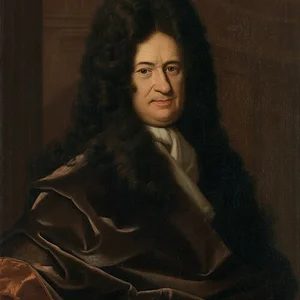
Leibniz
1646 — 1716
A German philosopher and mathematician of the 17th century, Leibniz contributed to the scientific revolution by developing infinitesimal calculus and proposing an original philosophy grounded in monadology. He shaped modern thought through his theory of pre-established harmony and his metaphysical optimism.
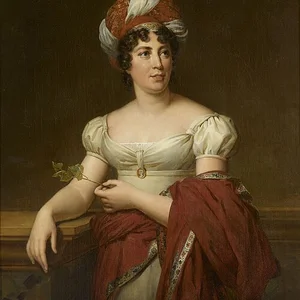
Madame de Staël
1766 — 1817
Germaine de Staël, daughter of minister Necker, was one of the great intellectual voices of her era. A novelist, essayist, and salon hostess, she stood up to Napoleon, who exiled her, and helped introduce German Romanticism to France with her work *De l'Allemagne*.
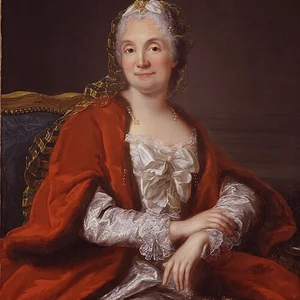
Madame Geoffrin
1699 — 1777
A Parisian salon hostess of the 18th century, she presided over one of the most influential salons of the Enlightenment, welcoming d'Alembert, Diderot, Fontenelle, and Montesquieu. A generous patron of the arts and a remarkable letter-writer, she played a central role in spreading Enlightenment ideas across Europe.
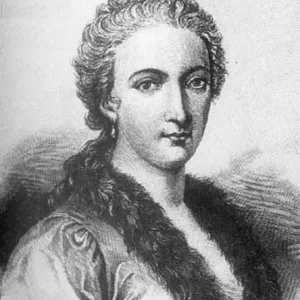
Maria Gaetana Agnesi
1718 — 1799
An Italian mathematician and philosopher of the 18th century, Maria Gaetana Agnesi is celebrated for her treatise Instituzioni analitiche (1748), a pioneering pedagogical synthesis of differential and integral calculus. The first woman appointed as a professor of mathematics at the University of Bologna, she later devoted her life to charity and spirituality.
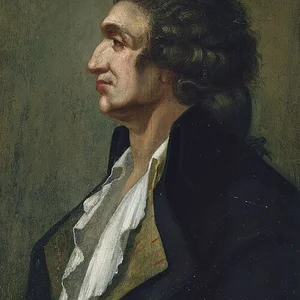
Marie Jean Antoine Nicolas de Condorcet
Mathematician and Enlightenment philosopher (1743–1794), Condorcet served as Permanent Secretary of the Academy of Sciences, championed equal rights for women and enslaved people, and played an active role in the French Revolution. He died during the Reign of Terror, having written his intellectual testament on human progress.
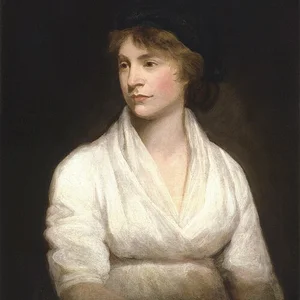
Mary Wollstonecraft
1759 — 1797
Mary Wollstonecraft was an 18th-century British philosopher and writer, a pioneer of feminism. Her landmark work, *A Vindication of the Rights of Woman* (1792), demands equal education and civil rights for women. She embodies Enlightenment thinking applied to the condition of women.
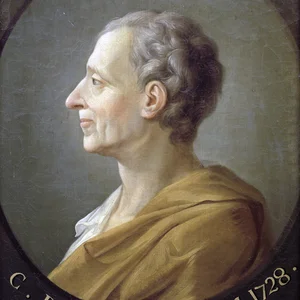
Montesquieu
1689 — 1755
An 18th-century French philosopher and writer, Montesquieu is the author of the landmark work 'The Spirit of the Laws' (1748). He theorized the separation of powers, a foundational concept of modern political thought, and contributed to the emergence of Enlightenment philosophy.
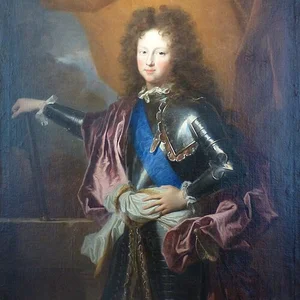
Philippe II d'Orléans
Regent of France from 1715 to 1723 during the minority of Louis XV, Philippe II d'Orléans governed the kingdom following the death of Louis XIV. A curious and libertine spirit, he was also a musician, painter, and patron of the arts, embodying the transition between the Grand Siècle and the Enlightenment.
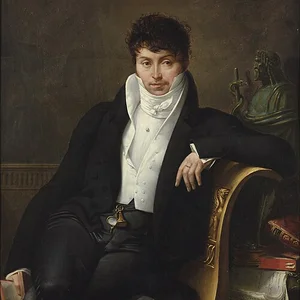
Pierre Jean Georges Cabanis
1757 — 1808
French physician, physiologist, and philosopher (1757–1808), a leading figure among the Idéologues. He sought to establish a science of man by linking the physical functions of the body to moral phenomena.
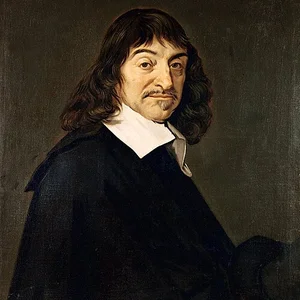
René Descartes
1596 — 1650
French philosopher and mathematician of the 17th century, founder of modern philosophy and rationalism. Known for his method of systematic doubt and his famous principle "I think, therefore I am." He revolutionized mathematics by creating analytic geometry.
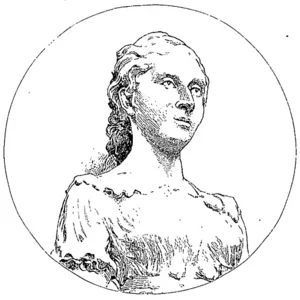
Sophie Germain
1776 — 1831
French mathematician and philosopher (1776–1831), a pioneer in science at a time when women were excluded from it. She made contributions to number theory and elasticity, and corresponded with Gauss under a male pseudonym.
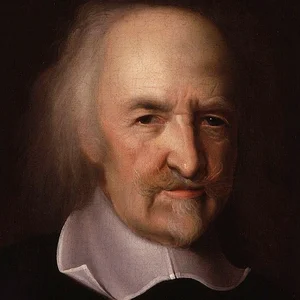
Thomas Hobbes
1588 — 1679
A 17th-century English philosopher, Thomas Hobbes is the author of Leviathan (1651), a founding work of modern political philosophy. He develops a social contract theory justifying the absolute authority of the state to guarantee peace and security.
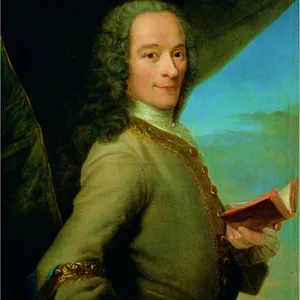
Voltaire
1694 — 1778
An 18th-century French writer and philosopher, Voltaire is a major figure of the Enlightenment. Through his works, most notably Candide, he championed tolerance, freedom of expression, and criticism of religious intolerance.
19th Century(39)
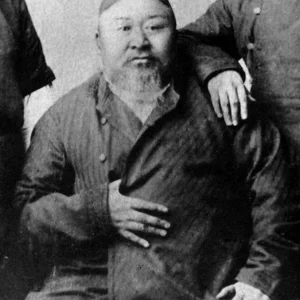
Abai Kunanbaev
1845 — 1904
Abai Kunanbaev is the founding father of written Kazakh literature. A poet, philosopher, and composer, he raised the Kazakh language to the status of a literary language and translated Pushkin, Lermontov, and Goethe. His major work, the Book of Words, remains the definitive philosophical text of Kazakh culture.
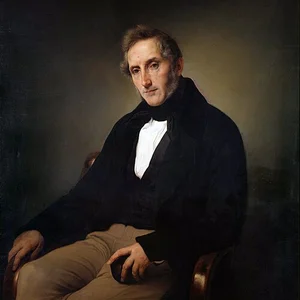
Alessandro Manzoni
1785 — 1873
Alessandro Manzoni (1785–1873) was the greatest Italian novelist of the 19th century and a central figure of Romanticism. His historical novel *I Promessi Sposi* (*The Betrothed*, 1827) is regarded as the first modern novel written in Italian and played a decisive role in the linguistic unification of Italy.
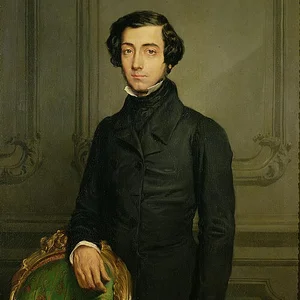
Alexis de Tocqueville
1805 — 1859
French political philosopher, historian, and statesman (1805–1859). Tocqueville is the author of 'Democracy in America', a foundational work analyzing American institutions and society. He is considered a pioneer of sociology and a major thinker of modern politics.
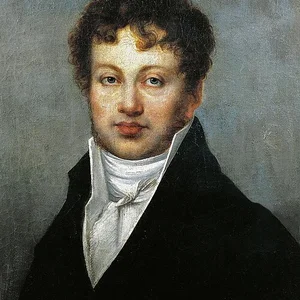
André-Marie Ampère
1775 — 1836
French physicist and mathematician, Ampère is the founder of electrodynamics. He established the mathematical laws governing the interactions between electric currents and magnetic fields. The international unit of electric current, the ampere, bears his name.
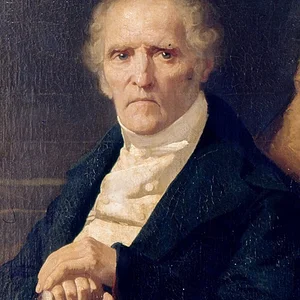
Charles Fourier
1772 — 1837
Charles Fourier was a French philosopher and social theorist, one of the leading representatives of utopian socialism. He envisioned a harmonious society organized into self-sufficient communities called phalansteries.
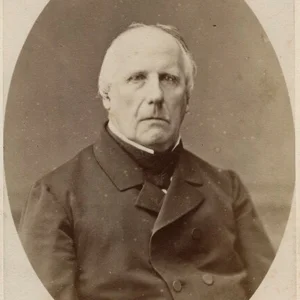
Edgar Quinet
1803 — 1875
French historian, philosopher, and politician (1803-1875), a leading figure of anticlerical republicanism. A professor at the Collège de France, he was exiled during the Second Empire for his opposition to Napoléon III.
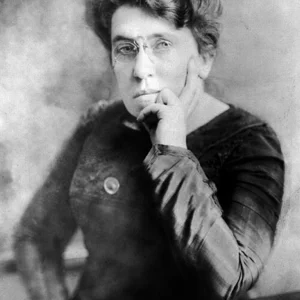
Emma Goldman
1869 — 1940
Emma Goldman (1869-1940) was a Lithuanian-born anarchist and feminist activist who emigrated to the United States. A leading figure in the American labor movement, she championed individual freedom, women's emancipation, and opposed war and capitalism.
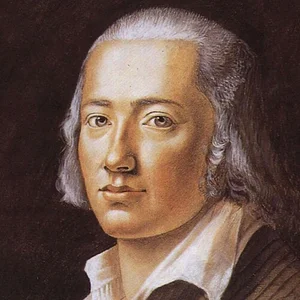
Friedrich Hölderlin
1770 — 1843
German poet, a major figure of German Romanticism and Idealism, and a fellow student of Hegel and Schelling. His work, suffused with a longing for ancient Greece and the divine, was rediscovered in the 20th century. He spent the second half of his life as a recluse, lost in madness.
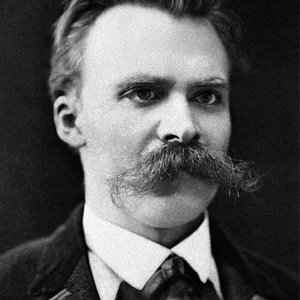
Friedrich Nietzsche
1844 — 1900
A 19th-century German philosopher, Nietzsche revolutionized Western thought by challenging traditional morality and metaphysics. A central figure in high school philosophy curricula, his concepts of the will to power and the Übermensch remain foundational in the teaching of philosophy.
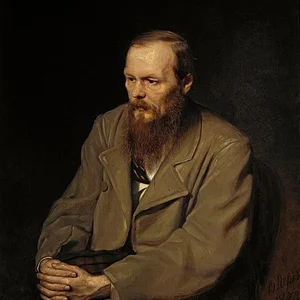
Fyodor Dostoevsky
1821 — 1881
Russian writer
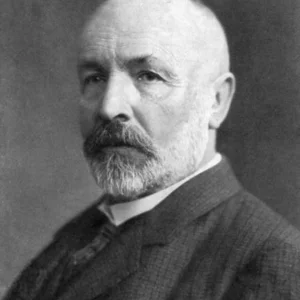
Georg Cantor
1845 — 1918
German mathematician (1845–1918), founder of set theory. He proved the existence of multiple sizes of infinity and introduced transfinite numbers, revolutionizing the foundations of mathematics.
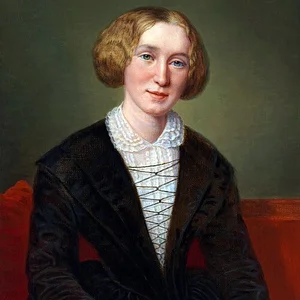
George Eliot
1819 — 1880
Pen name of Mary Ann Evans (1819–1880), one of the leading Victorian novelists. Author of Middlemarch and The Mill on the Floss, she explores the female condition and social morality with rare philosophical depth.
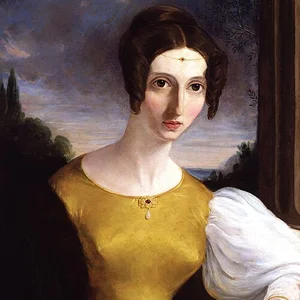
Harriet Taylor Mill
1807 — 1858
Harriet Taylor Mill (1807-1858) was a British philosopher and feminist, a major figure in 19th-century liberal thought. A collaborator and wife of John Stuart Mill, she profoundly influenced his works, particularly on individual liberty and the emancipation of women.
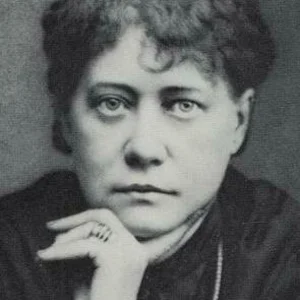
Helena Blavatsky
1831 — 1891
Helena Blavatsky (1831-1891) was a Russian occultist, philosopher, and writer who co-founded the Theosophical Society in 1875. A tireless traveler, she synthesized Eastern spiritualities and Western esotericism in her major works.
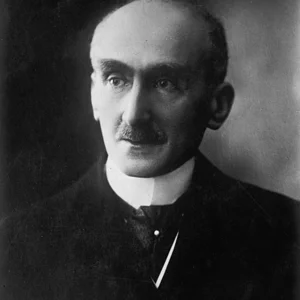
Henri Bergson
1859 — 1941
French philosopher (1859–1941) who revolutionized modern thought by opposing intuition to rational intelligence and developing a philosophy of duration. His major works, 'Laughter' and 'The Creative Mind', explore creativity and the evolution of consciousness. He received the Nobel Prize in Literature in 1927 for the body of his philosophical work.
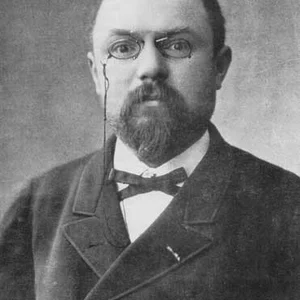
Henri Poincaré
1854 — 1912
French mathematician, physicist and philosopher (1854-1912), considered the last universal genius of science. He founded algebraic topology, laid the foundations of special relativity, and discovered deterministic chaos.
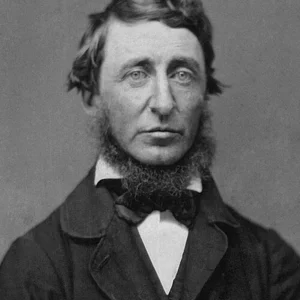
Henry David Thoreau
1817 — 1862
American writer, philosopher, and naturalist, a figure of transcendentalism. He is famous for *Walden; or, Life in the Woods*, an account of his experience of solitary living in close contact with nature, and for his essay *Civil Disobedience*, a plea for individual resistance to the injustice of the State.
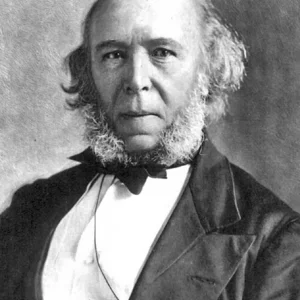
Herbert Spencer
1820 — 1903
Herbert Spencer (1820-1903) was an English philosopher and sociologist, one of the leading thinkers of social evolutionism in the 19th century. He applied the idea of evolution to all natural and social phenomena and coined the phrase “survival of the fittest.”
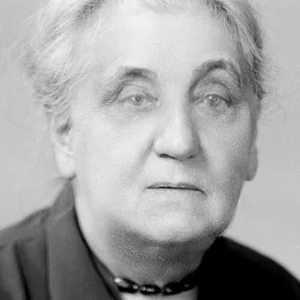
Jane Addams
1860 — 1935
An American social reformer, Jane Addams founded Hull House in Chicago in 1889, a settlement house serving immigrants and disadvantaged communities. A sociologist and committed pacifist, she was awarded the Nobel Peace Prize in 1931.
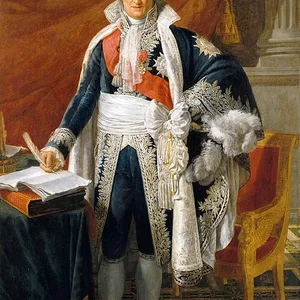
Jean-Étienne-Marie Portalis
1746 — 1807
A French jurist and statesman, Portalis was the principal drafter of the Civil Code enacted in 1804, the cornerstone of modern French private law. As Minister of Religious Affairs under Napoleon, he also contributed to the Concordat of 1801, which regulated relations between the Church and the State.
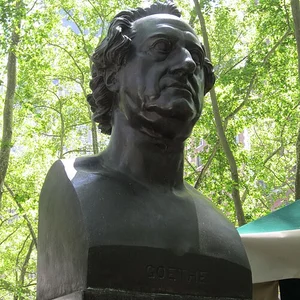
Johann Wolfgang von Goethe
German writer, poet, and scholar (1749–1832), Goethe is the author of Faust and The Sorrows of Young Werther. A central figure of the Sturm und Drang movement and later Weimar Classicism, he embodies the Enlightenment ideal of the universal man.
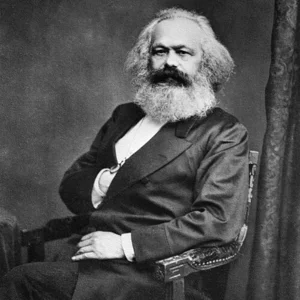
Karl Marx
1818 — 1883
German philosopher, sociologist, and economist (1818–1883), Karl Marx is the founder of historical materialism and the critical analysis of capitalism. He revolutionized political thought by proposing a theory of class struggle and social transformation.
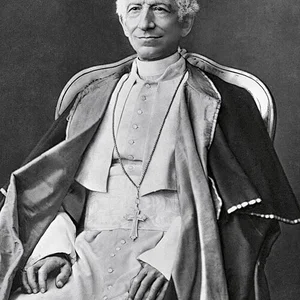
Leo XIII
1810 — 1903
Pope from 1878 to 1903, Leo XIII modernized the social doctrine of the Church with the encyclical Rerum Novarum (1891). He sought to reconcile Catholicism with the modern world and liberal democracies.
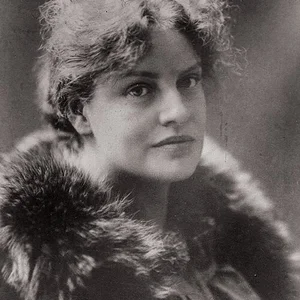
Lou Andreas-Salomé
1861 — 1937
Lou Andreas-Salomé (1861-1937) was a German-Russian writer and psychoanalyst, a major intellectual figure of the late 19th century. A close friend of Nietzsche and Rilke, she was one of the first women to practice psychoanalysis in Europe.
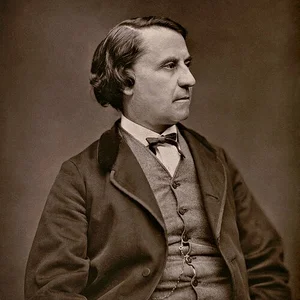
Louis Blanc
1811 — 1882
French journalist, historian, and socialist theorist (1811–1882). A member of the provisional government of the Second Republic in 1848, he championed the National Workshops and the right to work. Exiled in England after the June Days uprising, he returned to France after 1870.
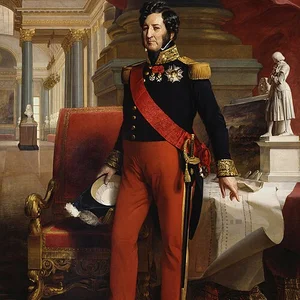
Louis-Philippe I
1773 — 1850
King of the French from 1830 to 1848, Louis-Philippe I came to power following the July Revolution. His July Monarchy embodied the triumph of the liberal bourgeoisie before being overthrown by the Revolution of 1848.
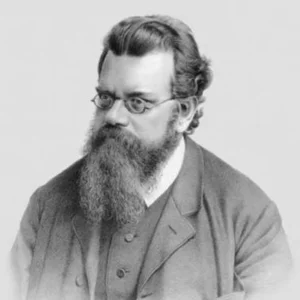
Ludwig Boltzmann
1844 — 1906
Austrian physicist (1844–1906), founder of statistical mechanics. He demonstrated that the laws of thermodynamics arise from the statistical behavior of atoms, laying the foundations of modern physics.
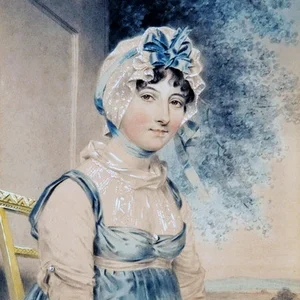
Maria Edgeworth
1768 — 1849
Anglo-Irish novelist and moralist (1768–1849), pioneer of the regional novel and the novel of education. Her works, praised by Walter Scott and Jane Austen, explore morality, the education of women, and Irish society.
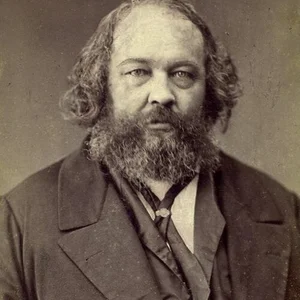
Mikhail Bakunin
1814 — 1876
Russian revolutionary and philosopher, a major figure of anarchism and libertarian socialism in the 19th century. An opponent of Marx within the First International, he advocated the abolition of the State and of all authority in favor of a federalist and collectivist society.
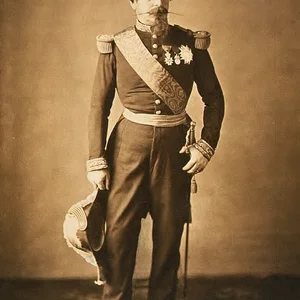
Napoleon III
1808 — 1873
Nephew of Napoleon I, he was elected President of the Republic in 1848, then seized power through a coup d'état on December 2, 1851, before proclaiming the Second Empire. His reign profoundly transformed France: the modernization of Paris under Haussmann, industrial and railway expansion — until the defeat at Sedan in 1870.
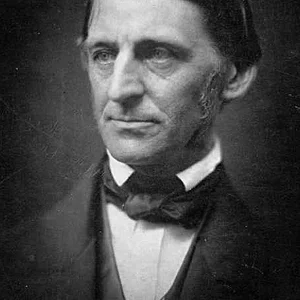
Ralph Waldo Emerson
1803 — 1882
American philosopher, essayist, and poet (1803-1882), a central figure of transcendentalism. He championed self-reliance, intuition, and the spiritual bond between humanity and nature, leaving a lasting mark on American thought.
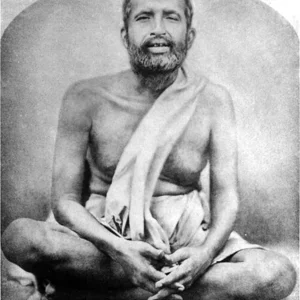
Ramakrishna
1836 — 1886
A 19th-century Bengali Hindu mystic and saint, a priest of the goddess Kali at the Dakshineswar temple near Calcutta. His spiritual quest led him to experience several religious paths (Hinduism, Islam, Christianity) and to teach the fundamental unity of all religions. He was the spiritual master of Vivekananda.
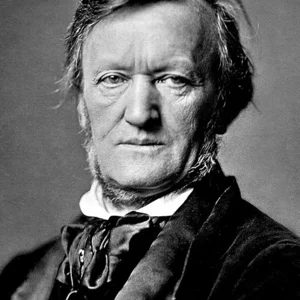
Richard Wagner
1813 — 1883
German composer (1813–1883), Wagner revolutionized opera by creating the concept of the total work of art (Gesamtkunstwerk). His music dramas, including the Ring Cycle and Tristan und Isolde, remain towering monuments of Romanticism.
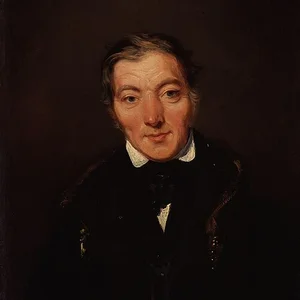
Robert Owen
1771 — 1858
A Welsh industrialist and socialist theorist, Robert Owen transformed the New Lanark cotton mill into a model of social reform. A pioneer of utopian socialism and the cooperative movement, he championed better conditions for workers and education for all.
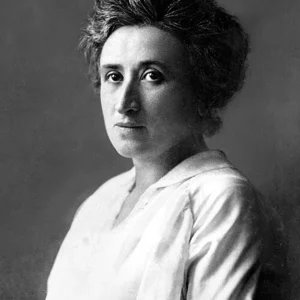
Rosa Luxemburg
1871 — 1919
Rosa Luxemburg was a Polish-born revolutionary activist and Marxist theorist who became a naturalized German citizen. Co-founder of the Communist Party of Germany (KPD), she championed a socialist revolution rooted in the mass consciousness of the working class. Arrested during the Spartacist uprising of January 1919, she was murdered by paramilitary soldiers.
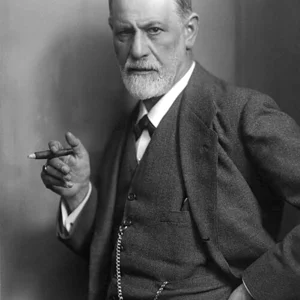
Sigmund Freud
1856 — 1939
Austrian neurologist and psychoanalyst (1856-1939), founder of psychoanalysis. Freud developed a revolutionary theory of the unconscious and the psychological mechanisms governing human behavior, profoundly influencing modern psychology, psychiatry, and philosophy.
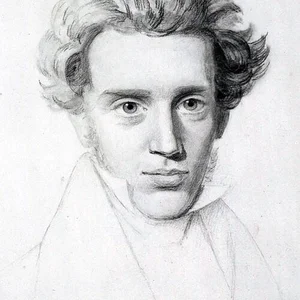
Søren Kierkegaard
1813 — 1855
Danish philosopher and theologian (1813-1855), regarded as the father of existentialism. A critic of the Hegelian system and of institutional Christianity, he placed individual existence, choice, and faith at the heart of his thought.
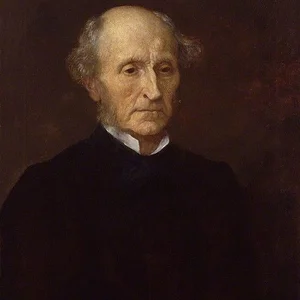
Stuart Mill
John Stuart Mill (1806-1873) was a British philosopher, economist, and politician. A major figure of liberalism and utilitarianism, he championed individual liberties, freedom of expression, and the emancipation of women.
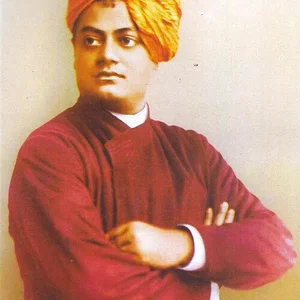
Vivekananda
1863 — 1902
Indian Hindu monk and disciple of the mystic Ramakrishna, he was one of the foremost figures who brought Hindu spirituality (vedanta and yoga) to the West in the late 19th century. His speech at the World's Parliament of Religions in Chicago in 1893 made him famous.
20th Century(108)
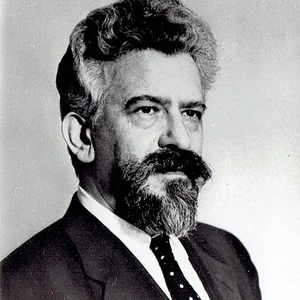
Abraham Joshua Heschel
1907 — 1972
An American rabbi, theologian and Jewish philosopher of Polish origin, Abraham Joshua Heschel was one of the great spiritual figures of the 20th century. A thinker on Judaism and biblical prophecy, he stood alongside Martin Luther King in the American civil rights movement.
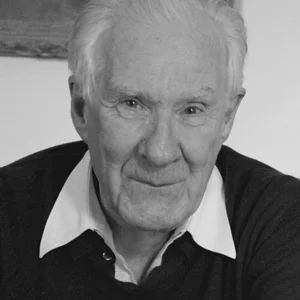
Alain Badiou
1937 — ?
Alain Badiou, born in 1937, is a French philosopher and one of the major figures of contemporary thought. A critical heir to Marxism and Maoism, he developed a philosophy of the event and of truth grounded in mathematics.
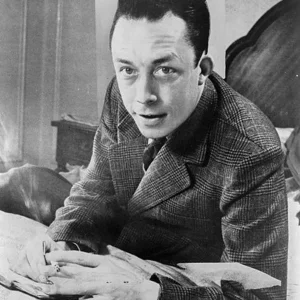
Albert Camus
1913 — 1960
French writer, philosopher, and journalist (1913–1960), Albert Camus is one of the major figures of 20th-century literature. Author of The Stranger and The Plague, he developed a philosophy of the absurd and received the Nobel Prize in Literature in 1957.
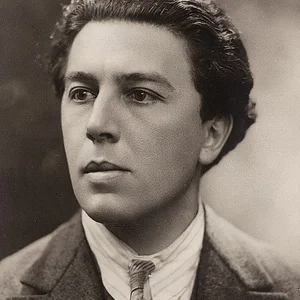
André Breton
1896 — 1966
French poet and writer (1896–1966), co-founder and theorist of Surrealism. He authored the Manifestoes of Surrealism and gathered around him a generation of revolutionary artists and writers.
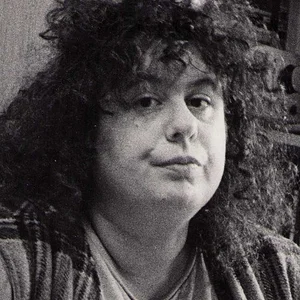
Andrea Dworkin
1946 — 2005
A radical American feminist (1946–2005), Andrea Dworkin is known for her theoretical work on pornography, violence against women, and patriarchy. A prolific activist and essayist, she profoundly shaped the feminist movement of the 1970s–1990s.
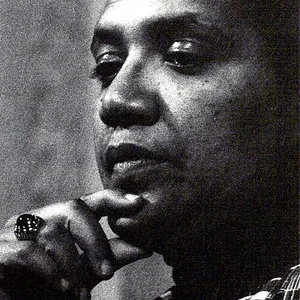
Audre Lorde
1934 — 1992
Audre Lorde (1934-1992) was an American poet, essayist, and activist, a leading figure in Black feminism and the civil rights struggle. She theorized intersectionality before the term existed, championing the rights of Black women, LGBT people, and the oppressed.
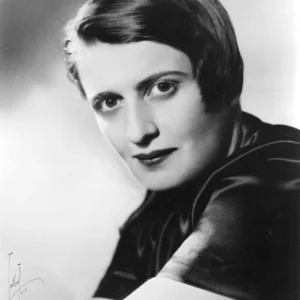
Ayn Rand
1905 — 1982
An American philosopher, novelist, and screenwriter of Russian origin, Ayn Rand is the founder of Objectivism, a philosophy championing reason, individualism, and capitalism. Her bestselling novels, including 'The Fountainhead' and 'Atlas Shrugged,' have had a lasting influence on American libertarian thought.
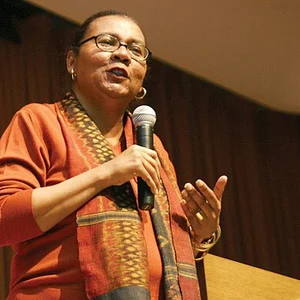
bell hooks
1952 — 2021
An American intellectual, writer, and feminist activist, bell hooks dedicated her life to analyzing the connections between race, gender, and class. The author of more than thirty books, she profoundly reshaped feminist thought by centering the experiences of Black women.
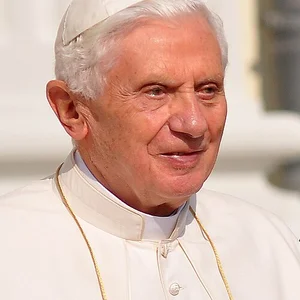
Benedict XVI
1927 — 2022
A German theologian, he was the 265th pope of the Catholic Church from 2005 to 2013. A major intellectual figure of contemporary Catholicism, he made history by becoming the first pope since the Middle Ages to voluntarily resign from his office.
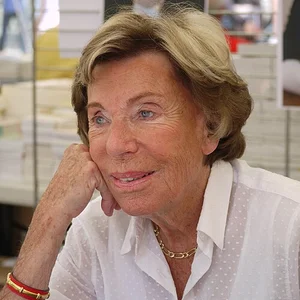
Benoîte Groult
1920 — 2016
French writer and journalist (1920-2016), a major figure of feminism in France. Author of *Ainsi soit-elle* (1975), she campaigned throughout her life for women's rights and gender equality.
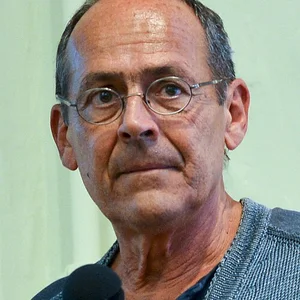
Bernard Stiegler
1952 — 2020
Bernard Stiegler (1952-2020) was a French philosopher and a major figure in the philosophy of technology. He analyzed how digital techniques and technologies shape the human mind, memory, and contemporary societies.
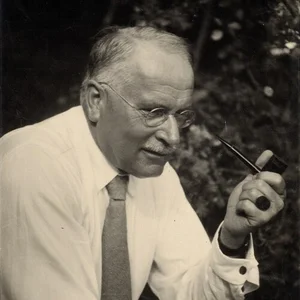
Carl Jung
1875 — 1961
Swiss psychiatrist and psychoanalyst, founder of analytical psychology. Initially close to Freud, he distanced himself to develop his own concepts such as the collective unconscious and archetypes. His work has profoundly influenced psychology, spirituality, and the study of myths.
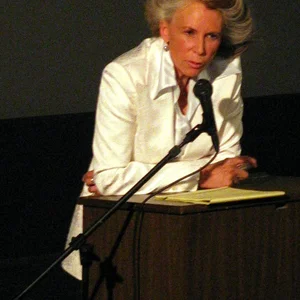
Catharine MacKinnon
1946 — ?
An American legal scholar and feminist theorist, Catharine MacKinnon is one of the most influential intellectuals of radical feminism. She theorized sexual harassment as a form of discrimination and helped establish its legal recognition in the United States.
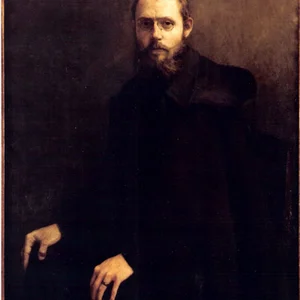
Charles Péguy
1873 — 1914
French writer, poet, and essayist (1873–1914), founder of the Cahiers de la Quinzaine. A committed Dreyfusard, he evolved from socialism toward a fervent mystical Catholicism. Mobilized in 1914, he was killed at the Battle of the Marne on September 5, becoming an emblematic figure of the intellectuals who died for France.
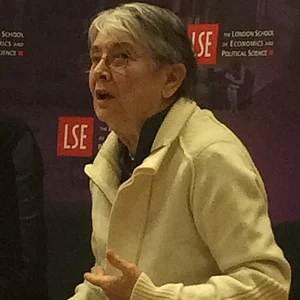
Christine Delphy
1941 — ?
French materialist feminist sociologist, Christine Delphy co-founded the Women's Liberation Movement in 1970. She theorized patriarchy as a system of economic exploitation of women and developed the concept of the domestic mode of production.
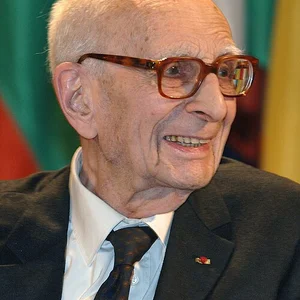
Claude Lévi-Strauss
1908 — 2009
French anthropologist and ethnologist (1908-2009), founder of structural anthropology. He revolutionized the study of human societies by applying structuralist methods to myths, kinship systems, and cultural practices. His major work, Tristes Tropiques, combines ethnographic narrative with philosophical reflection.
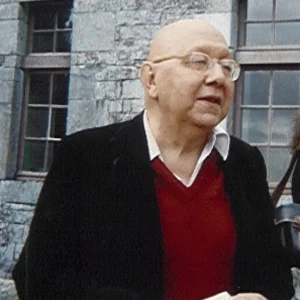
Cornelius Castoriadis
1922 — 1997
French philosopher, economist, and psychoanalyst of Greek origin, co-founder of the group and journal Socialisme ou Barbarie. A thinker of autonomy and the social imaginary, he developed a radical critique of Marxism and bureaucracies.
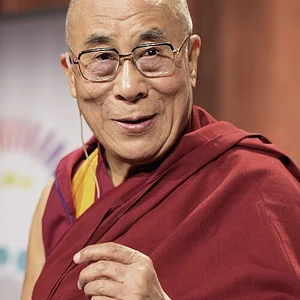
Dalai Lama
Spiritual and temporal leader of Tibet, the 14th Dalai Lama is the foremost representative of Tibetan Buddhism in the world. Exiled in India since 1959 following the Chinese invasion of Tibet, he has waged a nonviolent campaign for his people's autonomy. Nobel Peace Prize laureate in 1989.
Daniel Lagache
1903 — 1972
Daniel Lagache (1903-1972) was a French psychiatrist, psychologist, and psychoanalyst. A graduate of the École normale supérieure with an agrégation in philosophy, he sought to unify psychoanalysis and clinical psychology and was a major figure in the French psychoanalytic movement.
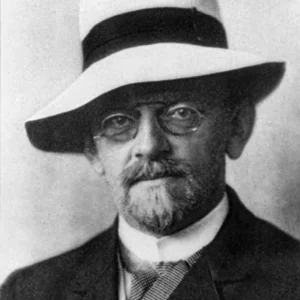
David Hilbert
1862 — 1943
German mathematician (1862–1943), one of the most influential of his era. In 1900, he formulated the 23 problems that would guide mathematical research throughout the 20th century, and sought to establish mathematics on rigorous formal foundations.
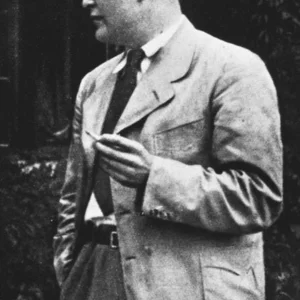
Dietrich Bonhoeffer
1906 — 1945
Dietrich Bonhoeffer was a German Lutheran pastor and theologian, a major figure of Christian resistance to Nazism. A member of the Confessing Church, he became involved in a plot against Hitler and was executed in 1945. His theological work left a profound mark on twentieth-century Christian thought.

Donald Judd
1928 — 1994
Donald Judd (1928–1994) was an American artist and major theorist of minimalism. He developed three-dimensional works in industrial materials, rejecting pictorial illusionism in favor of specific objects in real space.
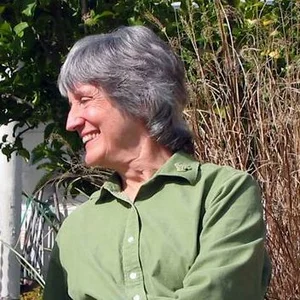
Donna Haraway
1944 — ?
Donna Haraway is an American academic, feminist theorist, and historian of science. Known for her “Cyborg Manifesto” (1985), she questions the boundaries between human, animal, and machine, and rethinks the relationships between nature, technology, and feminism.
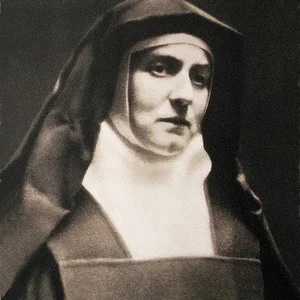
Edith Stein
1891 — 1942
Edith Stein, a German philosopher and student of Husserl, converted from Judaism to Catholicism and became a Carmelite nun under the name Teresa Benedicta of the Cross. Arrested by the Nazis because of her Jewish origins, she died at Auschwitz in 1942. Beatified and then canonized by John Paul II, she is co-patroness of Europe.
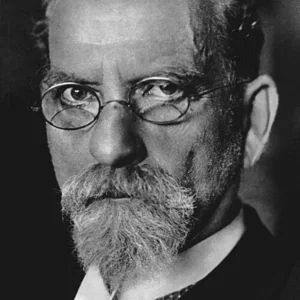
Edmund Husserl
1859 — 1938
Edmund Husserl (1859-1938) was a German philosopher and mathematician, the founder of phenomenology. His thought profoundly shaped twentieth-century continental philosophy, influencing Heidegger, Sartre, and Merleau-Ponty.
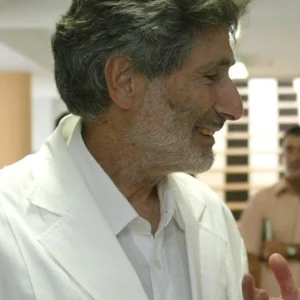
Edward Said
1935 — 2003
Edward Said (1935-2003) was a Palestinian-American academic, literary theorist, and critic. A professor at Columbia University, he was one of the founders of postcolonial studies with his major work *Orientalism* (1978). He was also an influential spokesman for the Palestinian cause.
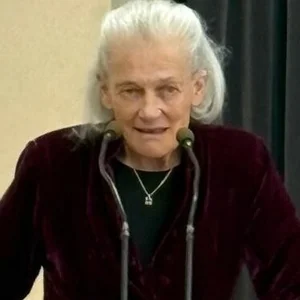
Élisabeth Badinter
1944 — ?
French philosopher and historian, born in 1944, heiress to the Publicis group. She profoundly renewed thinking on the female condition, motherhood and identity, championing a universalist and republican feminism.
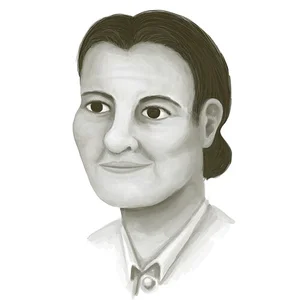
Elizabeth Anscombe
1919 — 2001
G. E. M. Anscombe (1919–2001) is one of the greatest analytic philosophers of the twentieth century. A student of Wittgenstein, she coined the term "consequentialism" and revolutionized the philosophy of action with her landmark work *Intention* (1957). A devout Catholic, she did not hesitate to publicly oppose the atomic bomb.
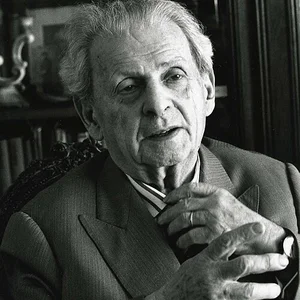
Emmanuel Levinas
1906 — 1995
A French philosopher of Lithuanian origin, Emmanuel Levinas is one of the great thinkers of ethics in the 20th century. Having introduced the phenomenology of Husserl and Heidegger to France, he made the relationship with the other the foundation of all philosophy.
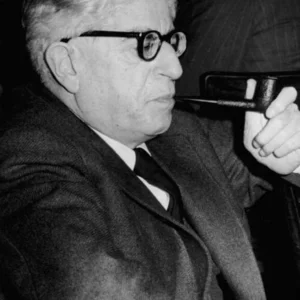
Ernst Bloch
1885 — 1977
Ernst Bloch (1885-1977) was a German philosopher and a major figure of heterodox Marxism. He developed a philosophy of hope and utopia, seeing in the "hope principle" a driving force of human history.
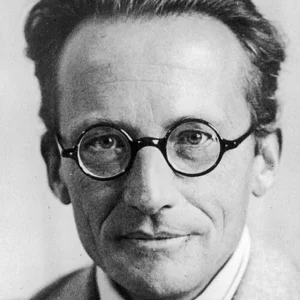
Erwin Schrödinger
1887 — 1961
Austrian physicist (1887–1961), Nobel Prize in Physics 1933. He formulated the wave equation that bears his name, a cornerstone of quantum mechanics, and devised the famous Schrödinger's cat thought experiment.
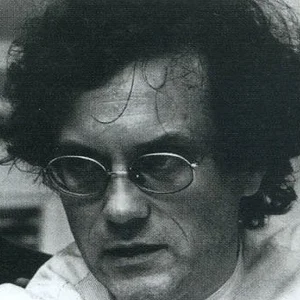
Félix Guattari
1930 — 1992
French philosopher, psychoanalyst and activist, a leading figure of antipsychiatric thought. He is famous for his collaboration with Gilles Deleuze, with whom he co-authored the two volumes of *Capitalism and Schizophrenia*. His work at the La Borde clinic profoundly renewed institutional psychotherapy.
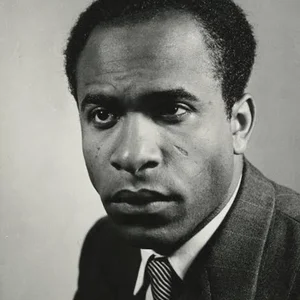
Frantz Fanon
1925 — 1961
Frantz Fanon (1925-1961) was a psychiatrist and essayist born in Martinique. A major thinker of anti-colonialism, he analyzed the psychological mechanisms of colonial oppression and supported the Algerian liberation struggle.
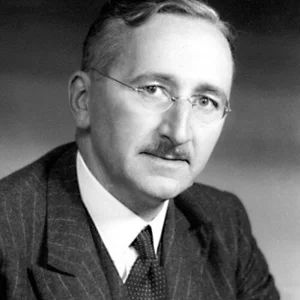
Friedrich Hayek
1899 — 1992
Austrian economist and philosopher, a major figure of classical liberalism and the Austrian school of economics. Winner of the Nobel Prize in Economics in 1974, he championed the spontaneous order of the market and criticized central planning.
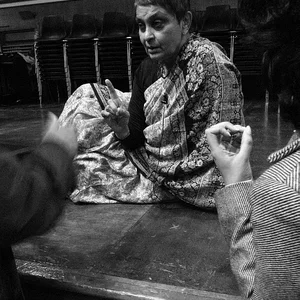
Gayatri Spivak
1942 —
Gayatri Chakravorty Spivak is an Indian philosopher and literary critic, a founding figure in postcolonial studies. Known for her essay "Can the Subaltern Speak?" (1988), she questions whether the dominated can make themselves heard within Western discourses. She is also the English translator of Derrida's *Of Grammatology*.
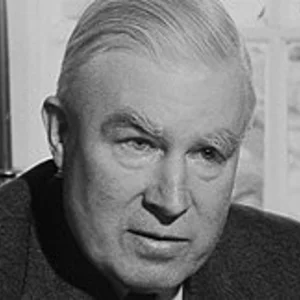
Georg Henrik von Wright
1916 — 2003
Finnish philosopher (1916–2003), successor to Wittgenstein at Cambridge, and founder of deontic logic. He made decisive contributions to analytic philosophy, the philosophy of action, and formal ethics.
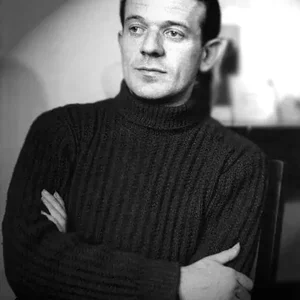
Gilles Deleuze
1925 — 1995
Gilles Deleuze (1925-1995) was a major French philosopher of the 20th century. The author of a powerful body of work in metaphysics, aesthetics, and politics, he profoundly renewed contemporary thought, notably through his collaboration with the psychoanalyst Félix Guattari.
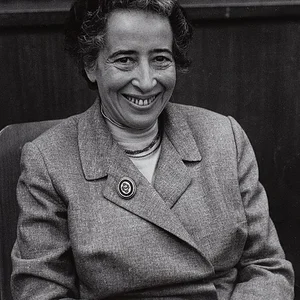
Hannah Arendt
1906 — 1975
German-born American philosopher (1906–1975), Hannah Arendt is one of the most influential thinkers of the 20th century. A refugee in the United States after fleeing Nazism, she developed a critical analysis of totalitarianism, political violence, and the human condition in the modern world.
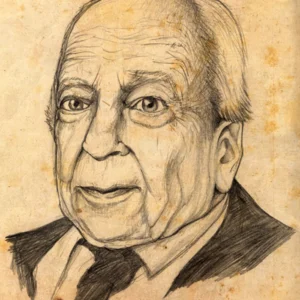
Hans-Georg Gadamer
1900 — 2002
German philosopher, student of Heidegger, founder of modern philosophical hermeneutics. His major work, Truth and Method (1960), reshaped the theory of interpretation and understanding.

Henri de Lubac
1896 — 1991
Henri de Lubac (1896-1991) was a French Jesuit and Catholic theologian, a major figure in the 20th-century theological renewal. A leading voice of the “new theology,” he profoundly influenced the Second Vatican Council and was made a cardinal in 1983 by John Paul II.

Henry Odera Oruka
1944 — 1995
Henry Odera Oruka (1944-1995) was a Kenyan philosopher and a major figure in contemporary African philosophy. He is known for his project of “sage philosophy” (the philosophy of wisdom), which gathers and analyzes the thought of traditional African sages.
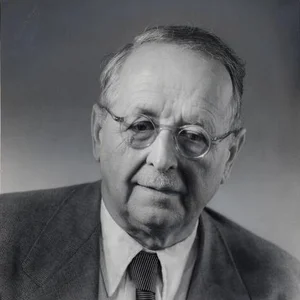
Hermann Weyl
1885 — 1955
German mathematician and theoretical physicist (1885–1955), Hermann Weyl profoundly transformed geometry, topology, and mathematical physics. He made major contributions to group theory, general relativity, and quantum mechanics.
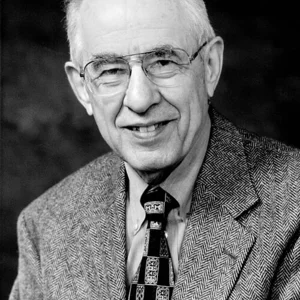
Hilary Putnam
1926 — 2016
Hilary Putnam (1926-2016) was a major American philosopher in analytic philosophy. He profoundly influenced the philosophy of mind, language, science, and mathematics, distinguished by his ability to revise his own positions throughout his career.
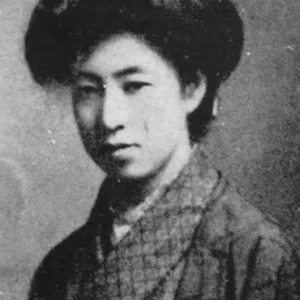
Hiratsuka Raichō
Japanese feminist and writer (1886–1971), founder of the literary journal Seitō ("Bluestocking") in 1911. She was a central figure in Japan's women's rights movement and campaigned throughout her life for equality and pacifism.
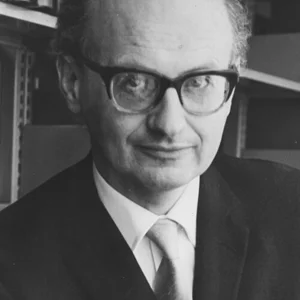
Imre Lakatos
1922 — 1974
Imre Lakatos (1922-1974) was a Hungarian philosopher of science and mathematics who became a naturalized British citizen. A professor at the London School of Economics, he is famous for his theory of “scientific research programmes,” an attempt to move beyond the debate between Popper and Kuhn.
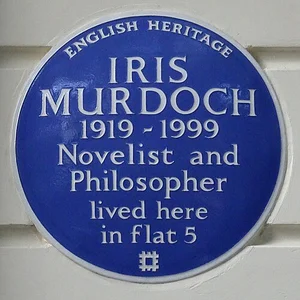
Iris Murdoch
1919 — 1999
Iris Murdoch (1919-1999) was an Irish-British philosopher and novelist, professor at Oxford, known for novels that combine moral reflection with psychological intrigue. The author of more than twenty-six novels and major philosophical works, she explores themes of love, freedom, and the Good.
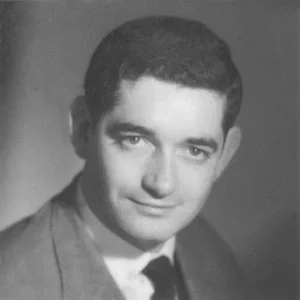
Jacques Demy
1931 — 1990
French filmmaker (1931–1990), a major figure of the French New Wave, celebrated for his poetic musicals blending vivid colors with melancholy. Director of The Umbrellas of Cherbourg and The Young Girls of Rochefort.
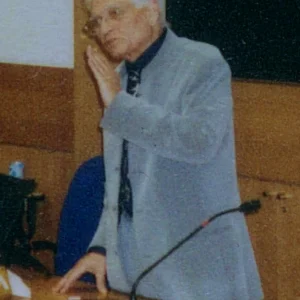
Jacques Derrida
1930 — 2004
Jacques Derrida is a French philosopher, the founder of deconstruction, a major current of contemporary thought. He profoundly influenced philosophy, literary criticism, and the humanities throughout the world.
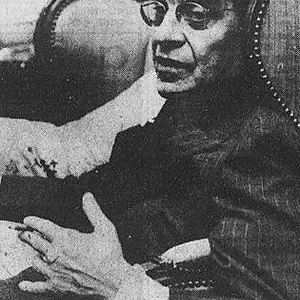
Jacques Lacan
1901 — 1981
French psychiatrist and psychoanalyst, a major figure of 20th-century psychoanalysis. He calls for a “return to Freud” and rereads psychoanalysis through the lens of structuralism and linguistics, asserting that “the unconscious is structured like a language.”
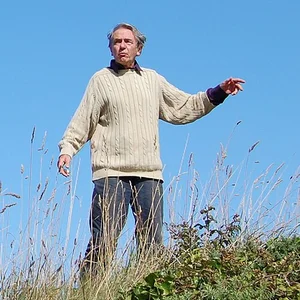
Jacques Rancière
1940 — ?
Jacques Rancière is a French philosopher born in 1940, a former student of Althusser from whom he later distanced himself. A thinker of emancipation, the equality of intelligences, and the distribution of the sensible, he brings together political philosophy and aesthetics.
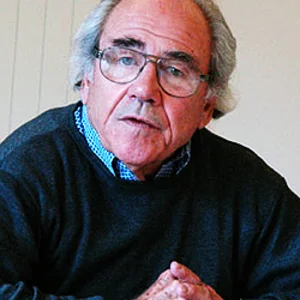
Jean Baudrillard
1929 — 2007
Jean Baudrillard (1929-2007) was a French philosopher and sociologist, a major figure of postmodern thought. He is famous for his analyses of consumer society, the media, and the virtual, developing the concepts of the simulacrum and hyperreality.
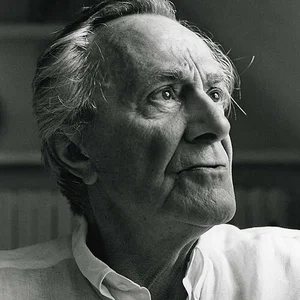
Jean-François Lyotard
1924 — 1998
French philosopher, a major figure of postmodern thought. He analyzes the decline of the grand narratives that legitimized knowledge and modernity, and reflects on the transformations of knowledge in contemporary societies.
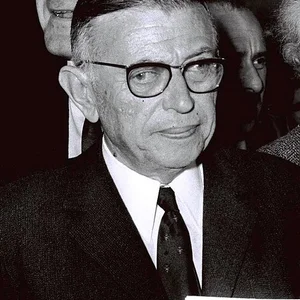
Jean-Paul Sartre
1905 — 1980
French philosopher, writer, and playwright (1905–1980), founder of existentialism. He explored human freedom, responsibility, and commitment through his major philosophical and literary works.
John Rawls
1921 — 2002
John Rawls was an American philosopher, one of the most influential of the 20th century in political and moral philosophy. His Theory of Justice (1971) profoundly renewed thinking about social justice and political liberalism.
José Vasconcelos
1881 — 1959
Mexican philosopher, politician, and writer (1882–1959), a towering figure of post-Revolutionary Mexico. As Secretary of Education, he launched a sweeping national literacy program and became the patron of the muralist movement. Author of “La Raza Cósmica,” he developed a theory of a mestizo Latin American identity.

Joseph Soloveitchik
1903 — 1993
American Orthodox rabbi and philosopher of Lithuanian origin, a major figure of modern Jewish Orthodoxy in the 20th century. A theorist of the encounter between traditional Talmudic study and Western philosophical thought, he trained generations of rabbis in the United States.
Julia Kristeva
1941 — ?
Bulgarian-born French philosopher, linguist, and psychoanalyst, born in 1941. A major figure in structuralist and post-structuralist thought, she developed the concepts of intertextuality and semoanalysis. A professor at the University of Paris VII, she profoundly reshaped literary theory and psychoanalysis.
Jürgen Habermas
1929 — 2026
German philosopher and sociologist, a major figure of the second generation of the Frankfurt School. A theorist of communicative action and the public sphere, he is one of the most influential thinkers in contemporary political philosophy.
Karl Barth
1886 — 1968
Karl Barth was a Swiss Reformed Protestant theologian and a major figure of 20th-century Christian thought. The founder of "dialectical theology," he profoundly renewed Protestantism and opposed the Nazi grip on the German Churches.
Karl Popper
1902 — 1994
An Austrian-born British philosopher of science, Karl Popper is one of the major thinkers of the 20th century. He revolutionized epistemology with the criterion of falsifiability and defended liberal democracy in *The Open Society and Its Enemies*.
Kate Millett
1934 — 2017
Kate Millett (1934-2017) was an American writer, theorist, and artist, a major figure of second-wave feminism. Her essay “Sexual Politics” (1970), drawn from her doctoral thesis, became a founding text of feminist studies.
Kimberlé Crenshaw
1959 — ?
American legal scholar and theorist born in 1959, she coined the concept of intersectionality in 1989, showing how racial, gender, and class discrimination intersect and mutually reinforce one another. A professor at UCLA and Columbia, she is one of the founders of Critical Race Theory.
Krishnamurti
Jiddu Krishnamurti (1895-1986) was an Indian thinker of global stature. Singled out by the Theosophical Society as a future “World Teacher,” he broke with that role in 1929 and spent the rest of his life inviting everyone to free themselves from all spiritual authority.
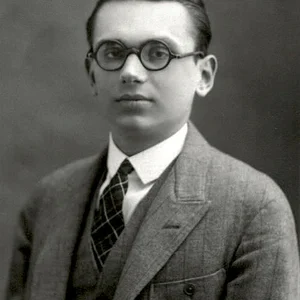
Kurt Gödel
1906 — 1978
Austrian-American mathematician (1906–1978), Kurt Gödel revolutionized mathematical logic with his incompleteness theorems (1931). He proved that no sufficiently powerful formal system can be both complete and consistent.
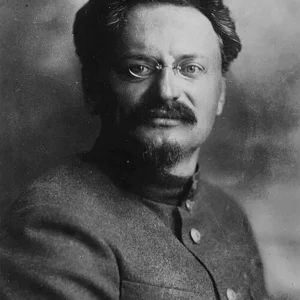
Leon Trotsky
1879 — 1940
Russian revolutionary, Marxist theorist, and organizer of the Red Army, Leon Trotsky was one of the chief architects of the October Revolution of 1917 alongside Lenin. Ousted from power by Stalin and later exiled, he continued his political struggle until his assassination in Mexico City in 1940.
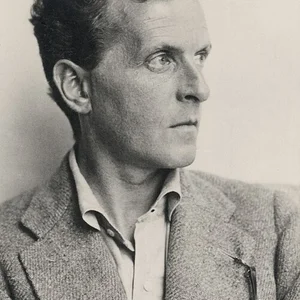
Ludwig Wittgenstein
1889 — 1951
Austrian, then British, philosopher and logician, a major figure of 20th-century analytic philosophy. He profoundly transformed thinking about language, logic, and meaning, first with the Tractatus and later with his Philosophical Investigations.
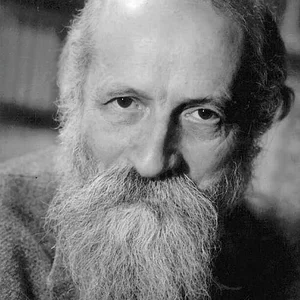
Martin Buber
1878 — 1965
An Austrian and later Israeli Jewish philosopher, Martin Buber is the author of *I and Thou* (1923), a major work of the philosophy of dialogue. A thinker of Judaism and a transmitter of the Hasidic tradition, he left his mark on the religious and existential thought of the 20th century.
Martin Heidegger
1889 — 1976
German philosopher, a major figure of phenomenology and existentialism. His masterwork, *Being and Time* (1927), reframes the question of being (ontology). His thought profoundly shaped twentieth-century philosophy, despite the lasting controversy over his commitment to Nazism.
Mary Midgley
1919 — 2018
Mary Midgley (1919-2018) was a British moral philosopher, known for her work in animal ethics and her critique of scientific reductionism. She defends a vision of the human being as a moral animal rooted in nature.
Maurice Merleau-Ponty
1908 — 1961
French philosopher and a major figure in phenomenology. He placed the body and perception at the heart of knowledge, breaking with the dualism between subject and object. A professor at the Collège de France, he was also a close friend and later a critic of Sartre.
Max Horkheimer
1895 — 1973
German philosopher and sociologist, a major figure of the Frankfurt School, whose Institute for Social Research he directed. Together with Adorno, he founded Critical Theory, a Marxist and Freudian analysis of modern societies.
Max Scheler
1874 — 1928
German philosopher and a major figure of phenomenology. He founded an ethics of values (material ethics) and contributed to the rise of philosophical anthropology and the sociology of knowledge.
Melanie Klein
1882 — 1960
British psychoanalyst of Austrian origin (1882–1960), pioneer of child psychoanalysis. She developed object relations theory and was one of the first to analyze very young children through play. Her work profoundly influenced child psychiatry and psychoanalytic thought.
Michel Foucault
1926 — 1984
French philosopher (1926–1984) who revolutionized the analysis of power, knowledge, and surveillance in modern societies. His work on institutions (prisons, hospitals, schools) profoundly influenced contemporary philosophy and the social sciences.
Miguel de Unamuno
1864 — 1936
Spanish writer and philosopher, a major figure of the Generation of '98. Rector of the University of Salamanca, in his work he explores existential anguish and the “tragic sense of life.”
Nikita Khrushchev
1894 — 1971
Soviet leader from 1953 to 1964, Khrushchev succeeded Stalin and launched a policy of de-Stalinization. A central figure of the Cold War, he confronted the United States during the Cuban Missile Crisis of 1962.
Norbert Wiener
American mathematician (1894-1964), founder of cybernetics, the science of communication and control in living systems and machines. His work laid the theoretical foundations of computing, automation, and artificial intelligence.
Octavio Paz
1914 — 1998
Octavio Paz (1914-1998) was a Mexican poet, essayist, and diplomat who won the Nobel Prize in Literature in 1990. A major figure in Hispano-American letters, he blended reflection on Mexican identity, Surrealism, and critical political thought.
Paul Feyerabend
1924 — 1994
Austrian philosopher of science, a major figure in twentieth-century epistemology. Known for his radical critique of a single scientific method and for the “epistemological anarchism” he defended in *Against Method* (1975).
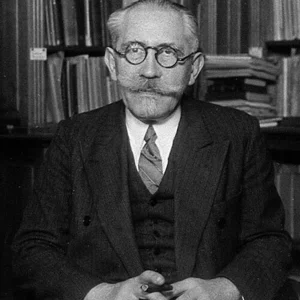
Paul Langevin
1872 — 1946
French physicist (1872–1946), student of Pierre Curie and friend of Einstein, pioneer of the theory of magnetism and ultrasonics. A committed philosopher of science, he was a passionate anti-fascist activist and defender of secular public education.
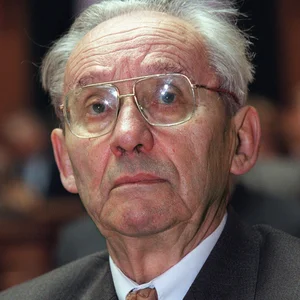
Paul Ricœur
1913 — 2005
Paul Ricœur (1913-2005) was a major French philosopher of the 20th century. A leading figure of phenomenology and hermeneutics, he developed a vast body of thought on narrative, memory, identity and justice.
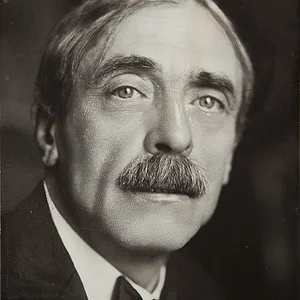
Paul Valéry
1871 — 1945
Paul Valéry (1871-1945) was a French poet, essayist and philosopher, a major figure of late Symbolist poetry. The author of the celebrated poem *The Graveyard by the Sea*, he was elected to the Académie française in 1925 and embodied the ideal of the intellectual meditating on creation and knowledge.

Philippa Foot
1920 — 2010
British philosopher, a major figure in twentieth-century moral philosophy. She is one of the founders of the contemporary revival of virtue ethics and the inventor of the famous “trolley problem.”
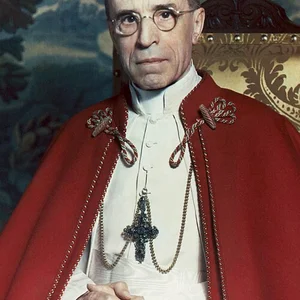
Pius XII
1876 — 1958
260th pope of the Catholic Church (1939–1958), Pius XII led the Church through the Second World War and the Cold War. His attitude toward the Holocaust remains controversial to this day.
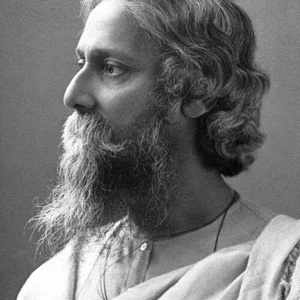
Rabindranath Tagore
1861 — 1941
Indian (Bengali) poet, novelist, composer, and philosopher, a leading figure of the Bengal Renaissance. The first non-European to win the Nobel Prize in Literature, in 1913, for his collection Gitanjali. A humanist thinker and educator, he founded the university at Santiniketan.
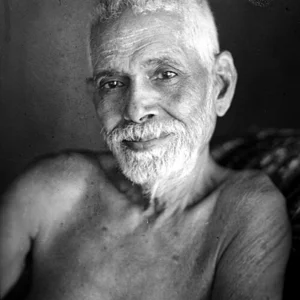
Ramana Maharshi
1879 — 1950
Indian sage and spiritual master, a major figure of the Advaita Vedānta (non-duality) tradition. Settled in Tiruvannamalai at the foot of the sacred mountain Arunachala, he taught the path of self-inquiry through the question “Who am I?”.
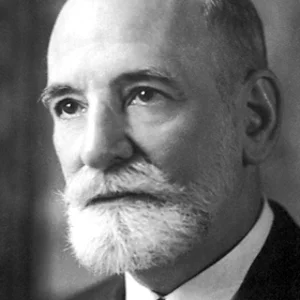
René Cassin
1887 — 1976
French jurist and statesman, René Cassin was one of the principal drafters of the Universal Declaration of Human Rights (1948). A resistance fighter from the very first days alongside General de Gaulle, he was awarded the Nobel Peace Prize in 1968.
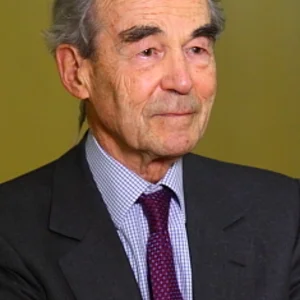
Robert Badinter
1928 — 2024
French lawyer, jurist, and politician (1928–2024), Robert Badinter is renowned for championing the abolition of the death penalty in France in 1981 as Minister of Justice (Garde des Sceaux). A lifelong defender of human rights, he served as President of the Constitutional Council from 1986 to 1995.
Robert Musil
1880 — 1942
An Austrian writer and essayist, Robert Musil is the author of the unfinished novel The Man Without Qualities, a major work of European literary modernism. An engineer by training, he blends philosophical reflection and psychological analysis in prose of great precision.
Robert Nozick
1938 — 2002
American philosopher, a major figure in 20th-century political philosophy. A professor at Harvard, he was the great theorist of libertarianism and the chief opponent of John Rawls.
Roger Penrose
1931 — ?
British physicist and mathematician born in 1931, Roger Penrose is known for his work on gravitational singularities, black holes, and cosmology. Winner of the 2020 Nobel Prize in Physics, he also developed controversial theories on consciousness and quantum mechanics.
Roman Jakobson
1896 — 1982
Russian-American linguist and theorist, a major figure of structuralism. Founder of the Prague Linguistic Circle, he revolutionized phonology and proposed a model of the functions of language that left its mark on the linguistics, poetics, and humanities of the 20th century.
Rudolf Steiner
1861 — 1925
Austrian philosopher and esotericist (1861–1925), founder of Anthroposophy. He developed a spiritual vision of the world based on inner knowledge, and created Waldorf education as well as biodynamic agriculture.
Sandra Harding
1935 — 2025
Sandra Harding is an American philosopher born in 1935, a leading figure in feminist epistemology and the philosophy of science. She theorized the notion of the “situated standpoint” (standpoint theory) and criticized the claim to neutral objectivity in scientific knowledge.
Saul Kripke
1940 — 2022
Saul Kripke (1940-2022) was an American philosopher and logician, considered one of the most influential thinkers in 20th-century analytic philosophy. A child prodigy, he revolutionized modal logic and the philosophy of language.
Simone de Beauvoir
1908 — 1986
French philosopher and novelist (1908–1986), Simone de Beauvoir is a towering figure of existentialism and modern feminism. Author of The Second Sex, a foundational essay on the condition of women, she profoundly shaped philosophical thought and emancipatory movements throughout the 20th century.
Simone Weil
1909 — 1943
French philosopher (1909-1943) committed to social and spiritual engagement. She combined philosophical reflection with direct action alongside workers and the oppressed, while developing an original mystical thought. Her work, published posthumously, explores the relationships between labor, justice, and transcendence.
Sri Aurobindo
1872 — 1950
Sri Aurobindo is an Indian philosopher, poet, and spiritual master. First a militant in the Indian nationalist movement against British rule, he later withdrew to Pondicherry where he developed integral yoga and founded a celebrated ashram.
Susanne Langer
1895 — 1985
American philosopher, a major figure in the philosophy of art and symbolism in the 20th century. She developed a theory of the symbol encompassing language, art, and myth, making feeling and symbolic form the heart of human experience.
Suzuki
1954 — ?
A Japanese thinker and scholar, D.T. Suzuki was the main figure who introduced Zen Buddhism to the West in the 20th century. Through his books and lectures in English, he made Zen thought known to European and American intellectuals and artists.
Theodor Adorno
1903 — 1969
German philosopher, sociologist, and musicologist, a major figure of the Frankfurt School and of Critical Theory. Together with Max Horkheimer, he analyzed the mechanisms of domination in modern societies and put forward a radical critique of mass culture.
Thomas Kuhn
1922 — 1996
Thomas Kuhn was an American physicist, historian, and philosopher of science. His work *The Structure of Scientific Revolutions* (1962) profoundly transformed our understanding of how science evolves by introducing the notion of the “paradigm”.
Vandana Shiva
1952 — ?
Vandana Shiva (born 1952) is an Indian physicist, philosopher, and environmental activist. Founder of the Navdanya movement, she champions biodiversity and farmers' rights while opposing GMOs and neoliberal globalization. A leading figure in ecofeminism, she received the Right Livelihood Award (the Alternative Nobel Prize) in 1993.

Vladimir Jankélévitch
1903 — 1985
French philosopher and musicologist, professor at the Sorbonne. A thinker of morality, time, and the ineffable, he also dedicated a major work to memory and the refusal to forgive Nazi crimes.
Vladimir Lenin
Russian revolutionary and Marxist theorist (1870–1924), Lenin led the Bolshevik Revolution of October 1917 and founded the Soviet Union. He developed Leninism, an adaptation of Marxism to Russian conditions.
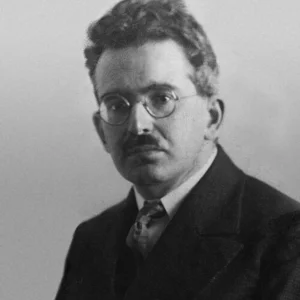
Walter Benjamin
1892 — 1940
German philosopher, literary critic and translator, a figure of the Frankfurt School. A thinker of language, history and modernity, he is the author of an unfinished, fragmentary body of work that became major after his death.
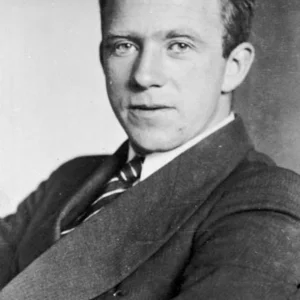
Werner Heisenberg
1901 — 1976
German physicist (1901–1976), one of the founders of quantum mechanics. He formulated the uncertainty principle in 1927, which bears his name, revolutionizing the conception of physical reality. Winner of the Nobel Prize in Physics in 1932.
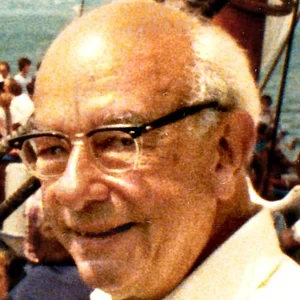
Willard Van Orman Quine
1908 — 2000
American philosopher and logician, a major figure in 20th-century analytic philosophy. He challenged the distinction between analytic and synthetic truths and defended a holistic, empiricist view of knowledge.
21st Century(9)
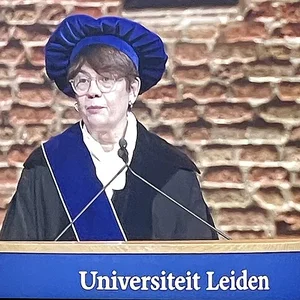
Catherine Malabou
1959 — ?
Catherine Malabou, born in 1959, is a French philosopher and a student of Jacques Derrida. She developed the concept of “plasticity,” bringing together continental philosophy, neuroscience, and politics.
Cornel West
1953 — ?
American philosopher, theologian, and public intellectual, a major figure of African-American pragmatism. A professor at Harvard and Princeton, he brings together philosophical thought, social critique, and a commitment to racial justice.
Geneviève Fraisse
1948 — ?
Geneviève Fraisse, born in 1948, is a French philosopher and historian of feminist thought. A research director at the CNRS, she made gender equality and the genealogy of women's emancipation a genuine philosophical subject.
Kwame Anthony Appiah
1954 — ?
Anglo-Ghanaian philosopher born in 1954, professor at New York University, specializing in ethics, identity, and cosmopolitanism. He advocates an ethics of obligations toward all human beings, beyond national and cultural borders.
Martha Nussbaum
1947 — ?
American philosopher born in 1947, professor of law and ethics at the University of Chicago. Together with the economist Amartya Sen, she developed the capabilities approach, which measures human development by the real freedoms available to individuals. She is one of the leading voices in contemporary moral and political philosophy.
Patricia Hill Collins
1948 — ?
An American sociologist and feminist, Patricia Hill Collins is one of the leading theorists of Black feminist thought. She developed the concept of intersectionality as applied to the relationships between race, gender, and social class.
Shirin Ebadi
1947 — ?
Iranian lawyer and human rights activist, she is the first Muslim woman to receive the Nobel Peace Prize in 2003. She defends the rights of women, children, and political prisoners in Iran, at the risk of her own freedom.
Slavoj Žižek
1949 — ?
Slovenian philosopher and essayist born in 1949, a major figure of contemporary critical thought. He blends Lacanian psychoanalysis, German idealism (Hegel) and Marxism to analyze ideology, popular culture and globalized capitalism.
Souleymane Bachir Diagne
1955 — ?
Senegalese philosopher and historian of science born in 1955, professor at Columbia University. A specialist in Islamic philosophy, the history of mathematics, and African thought, he is a leading figure in intercultural dialogue and in translation as a philosophical method.