Dastarkhan (دسترخان)
The dastarkhan is the ceremonial cloth spread on the floor around which diners gather. In the Persian and Central Asian tradition of the 9th-10th centuries, the meal is not sequenced as starter-main-dessert but laid out simultaneously: nân (breads), palaw (rice), kabâb or stews, accompaniments (herbs, dairy, fresh and dried fruits), sweets, and sharbat. The host or emir invites guests to help themselves freely. Rich dishes (saffron rice, meat) occupy the center, while breads and condiments line the edges.
Signature : Saffron of Transoxiana
Saffron (za'farân) is the crown spice of Samanid court cuisine. Cultivated in Khorasan and Transoxiana, it colors and perfumes rice, sharbats, and confections. Its presence signals a prestige dish — its cost made it as much a social marker as a flavoring. Arab chroniclers mention saffron among the commercial treasures of Bukhara.
Ismail Samani at the table
849 — 907
5 period recipes
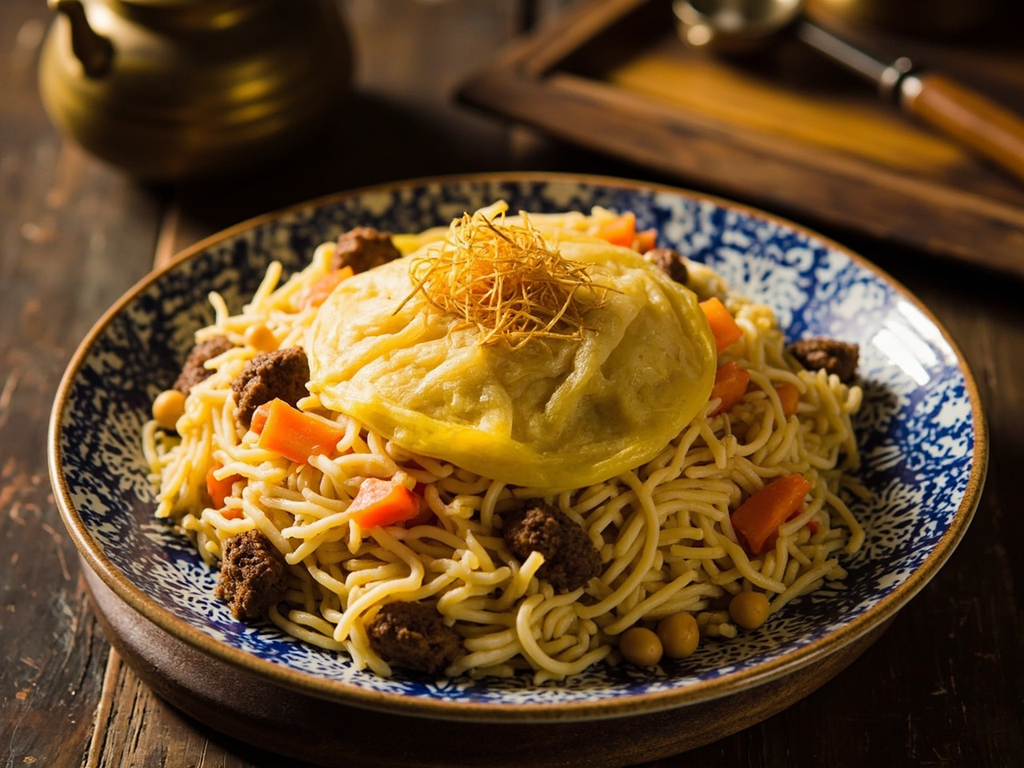 Festive
Palaw-e zarrin (golden saffron lamb pilaf)
Palaw (central rice dish of the dastarkhan)
🧂 🌶️· 1 h 30
View the recipe
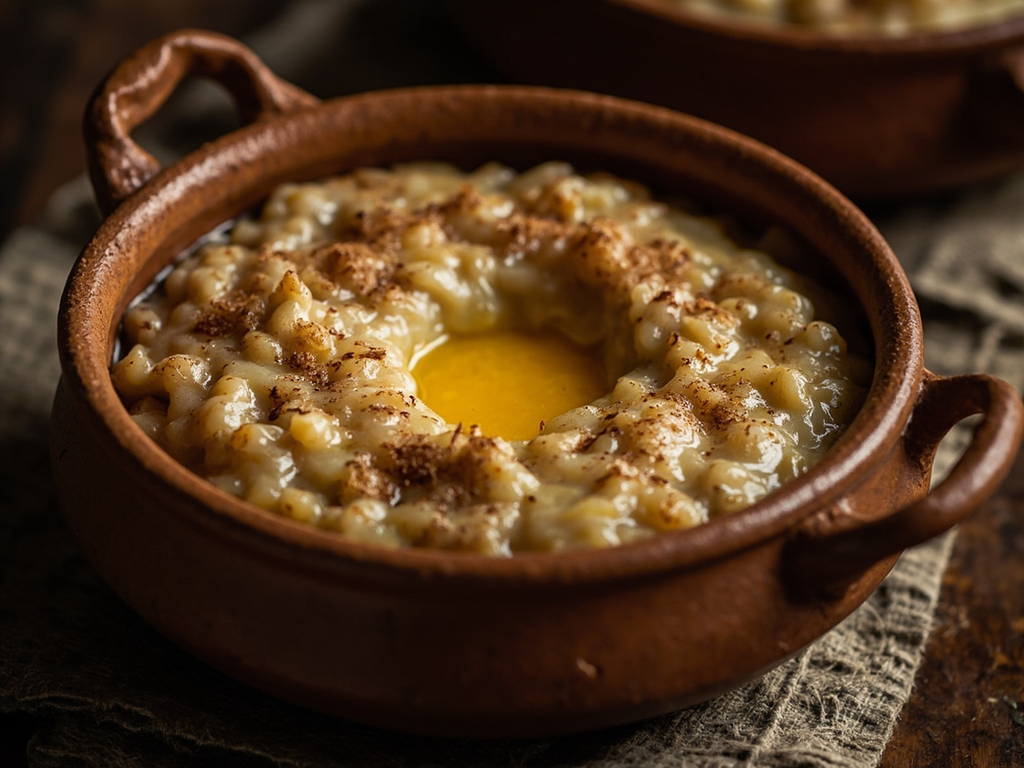 Travel
Harisa-ye lashkari (wheat and lamb porridge of the campaigns)
Ash / harisa (thick soup, nourishing base of the dastarkhan)
🧂 🍄· 2 h 30 (including 2 h passive cooking)
View the recipe
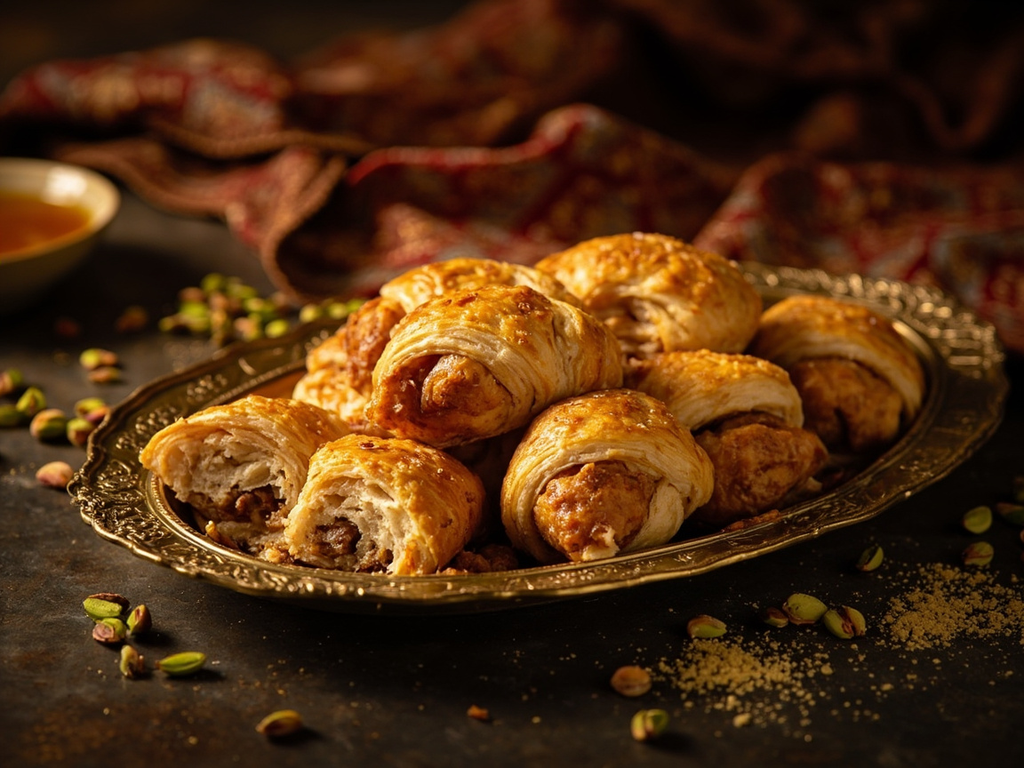 Festive
Lawzinaj (almond and honey pastry)
Shirin / halwiyyat (sweets and confections of the dastarkhan)
🍯 🌶️· 50 min
View the recipe
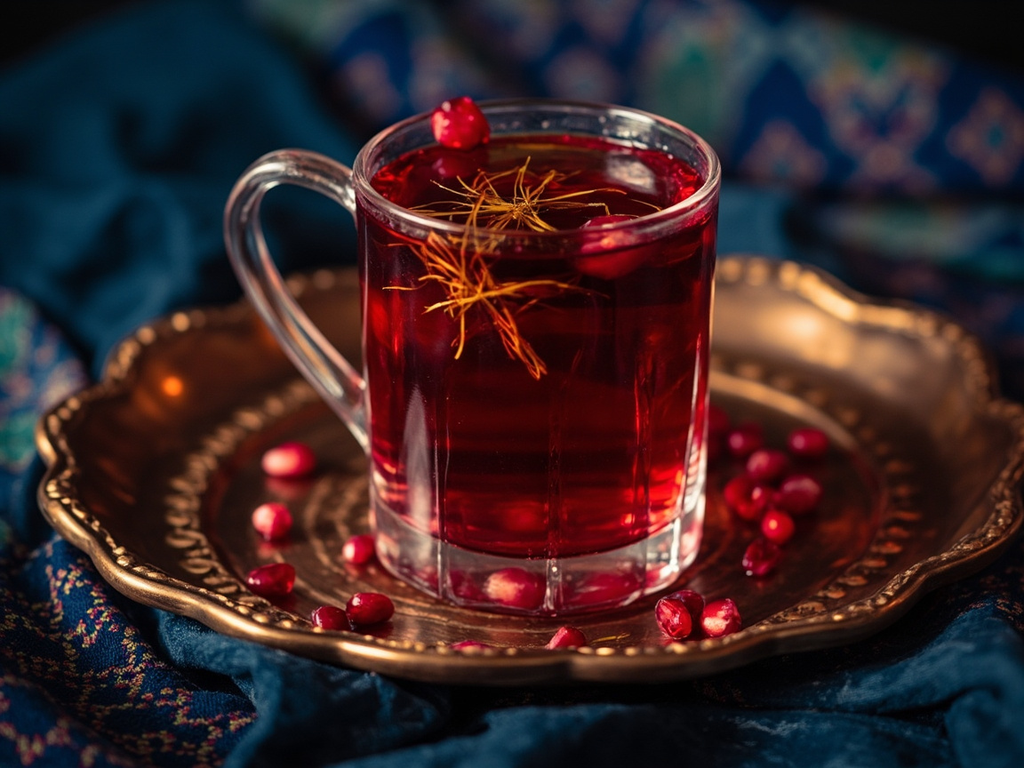 Drink
DrinkSharbat-e anar wa za'faran (pomegranate saffron syrup)
Sharbat (chilled perfumed beverage of the dastarkhan)
🍯 🍋· 15 min (+ 30 min refrigeration)
View the recipe
 Everyday
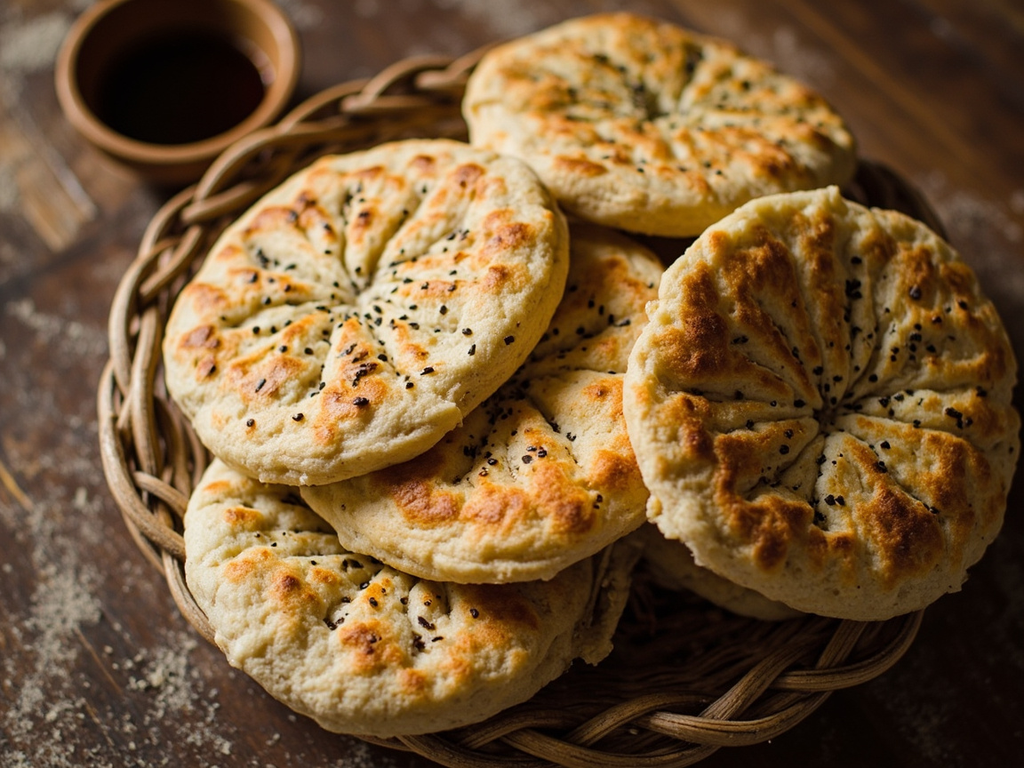
Nân-e tanduri ba zira (clay oven flatbread with cumin)
Nân (bread, present at every dastarkhan)
🧂 🌶️· 1 h 30 (including 1 h rising)
View the recipe